

Lebanon
Middle East
Lebanon was one of the most enriching places I’ve traveled to. Yet internationally, the country is often associated with difficult headlines — from the Beirut port explosion in 2020 to the ongoing regional tensions and conflicts that continue to shape perceptions of the country.
On the ground, my experience felt far more layered. Beyond the news, Lebanon revealed remarkable hospitality, deep history, vibrant culture, and an everyday resilience that leaves a lasting impression on many visitors.
Why Visit Lebanon?
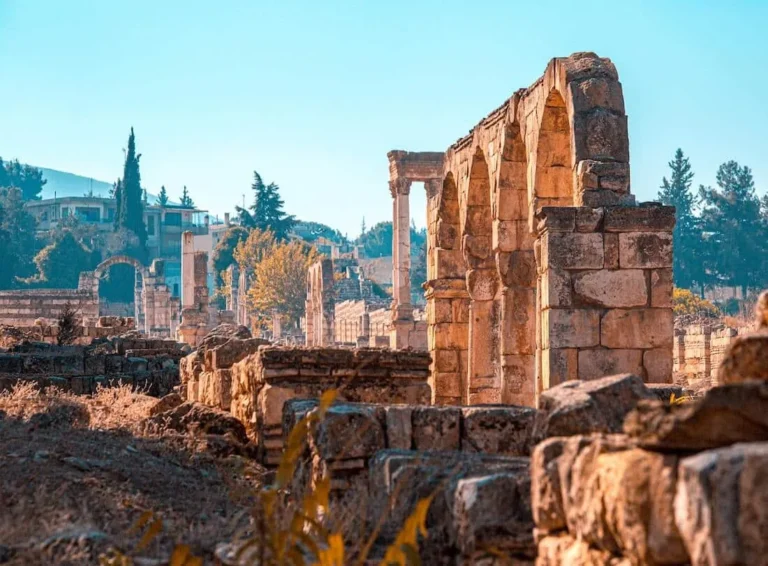
Lebanon is small in scale — around 6 million people across just 10,500 km² — yet incredibly layered. Within short distances, you move between Mediterranean beaches, mountain villages, ancient ruins, and lively cities, while encountering a society shaped by a remarkable mix of Muslim, Christian, and Druze communities, each contributing to the country’s culture, traditions, and everyday life.


Follow me to Lebanon
Lebanon is a place that stayed with me long after visiting. During my time there, I explored it at different rhythms — between Beirut’s energy, quiet mountain villages, and historic coastal towns — and it kept revealing new layers. Follow along for honest impressions, practical tips, and ideas to help you plan a trip to Lebanon.
Beaches in Lebanon
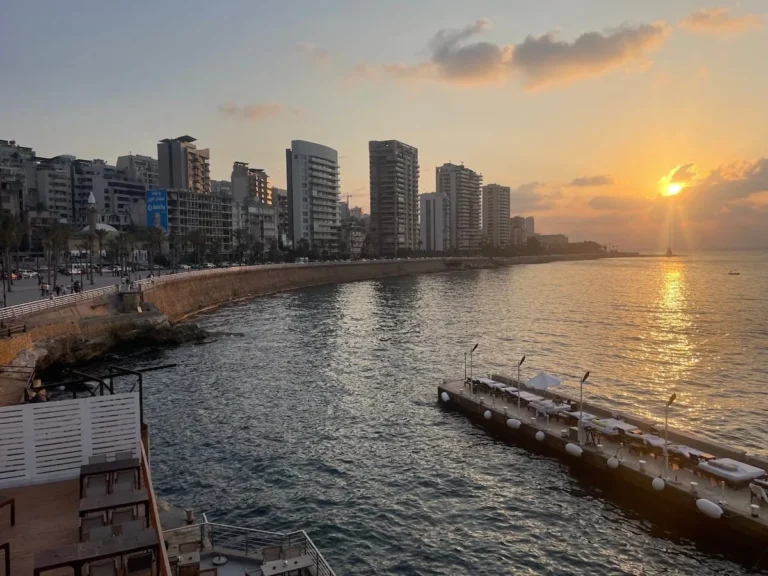
Beaches in Lebanon feel varied and closely tied to the country’s coastal towns rather than large-scale resort development. Around Batroun and Byblos, swimming spots mix rocky coves, small beaches, and lively seaside cafés, where the rhythm of summer revolves around the sea.
Closer to Beirut, beach clubs and waterfront areas attract locals for swimming, sunbathing, and long afternoons by the water. Further south, places like Tyre offer wider sandy beaches and a more relaxed atmosphere.
Lebanon’s beaches suit you if you enjoy Mediterranean swimming, seaside towns, and coastal days that move easily between the water, cafés, and sunset views.
Nature adventures in Lebanon
Nature in Lebanon is surprisingly easy to reach. Within about an hour from Beirut, you can be hiking in the Chouf Cedar Reserve, walking sections of the Lebanon Mountain Trail, or exploring the dramatic cliffs and monasteries of the Qadisha Valley, a UNESCO-listed landscape carved deep into the mountains.
Further north, the Cedars of God near Bsharri protect some of the country’s oldest cedar trees, while natural sites like Afqa Waterfall and the Baatara Gorge sinkhole show Lebanon’s rugged geology. In winter, mountain areas such as Faraya–Mzaar and The Cedars ski resort turn into ski destinations, while spring and summer bring hiking, mountain villages, and cooler temperatures above the coast.
People & everyday life in Lebanon
People shape Lebanon as much as its landscapes. Daily life reflects a mix of Muslim, Christian, and Druze communities, and this diversity is visible in traditions, food, language, and neighborhood life across the country.
Conversations often move easily between Arabic, French, and English, especially in cities. Hospitality is a strong part of Lebanese culture — meals are social events built around mezze, shared dishes, and long conversations.
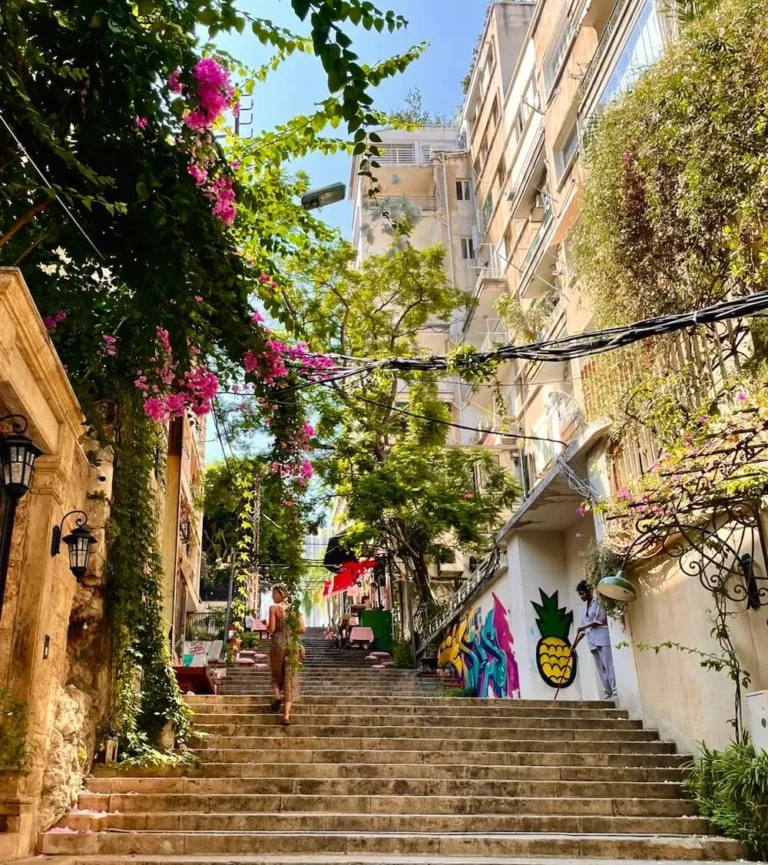
In Beirut, everyday life unfolds through cafés, street food stands, and busy neighborhoods, while in mountain villages and coastal towns the rhythm slows, shaped by family life, local markets, and community gatherings.
Cities to explore in Lebanon
Lebanon’s cities reflect a mix of ancient history, coastal life, and modern culture. Beirut, the capital, sits directly on the Mediterranean and is known for its lively café culture, nightlife, and creative energy. Despite the challenges the country has faced, the city remains a cultural center where art, music, and food play a central role in everyday life.
Further north, Tripoli offers a different atmosphere with historic souks, traditional architecture, and one of the most important medieval city centers in the region. Along the coast, Byblos combines a picturesque harbor, ancient ruins, and lively streets, while Sidon (Saida) reflects Lebanon’s long maritime history with sea castles, markets, and fishing traditions.
Moving between Lebanon’s cities often means moving between historic medinas, coastal promenades, and vibrant urban neighborhoods, each with its own rhythm and identity.
Festivals & Happenings
place in historic settings across the country. Festivals such as the Baalbek International Festival, held among the Roman temples of Baalbek, the Byblos International Festival, and the Beiteddine Festival traditionally bring international and regional artists to Lebanon’s historic venues.
In recent years, however, the economic crisis and the ongoing regional conflict have significantly affected the scale and frequency of many events. Some festivals have been postponed, reduced, or adapted depending on the security situation.
Even so, Lebanon’s strong cultural spirit remains visible. Smaller concerts, cultural gatherings, and nightlife — particularly in Beirut and coastal towns — continue to shape social life whenever circumstances allow.
Looking for a Tailor-Made Adventure?
Whether you’re dreaming of exploring hidden gems or indulging in unique experiences, we will design an unforgettable journey that fits your style and preferences. Contact us today to start planning your personalized trip!
Practical Travel Tips for Lebanon
