Saint Vincent and the Grenadines
Caribbean
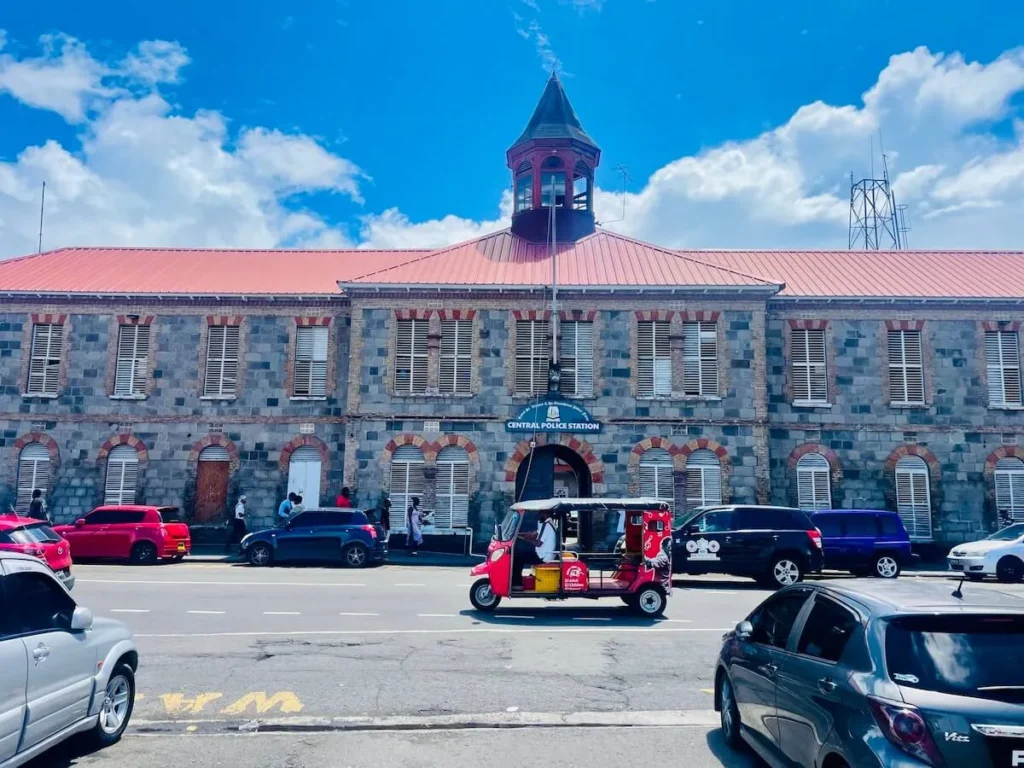
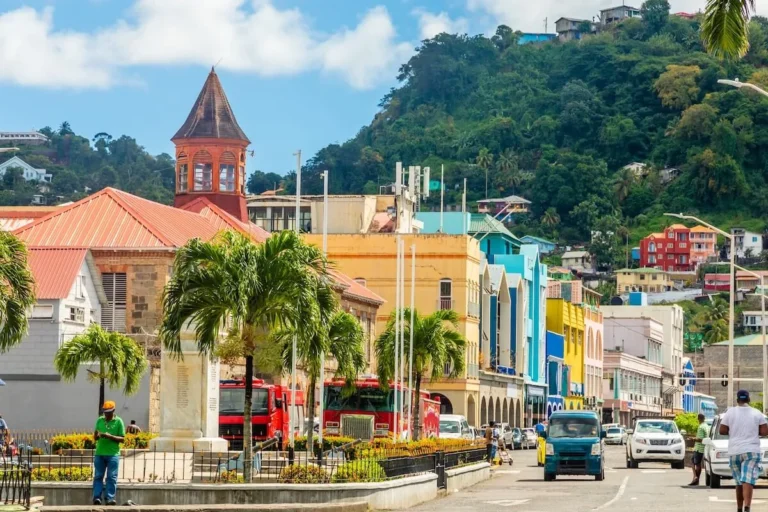
Saint Vincent & the Grenadines feel shaped by small-scale tourism and strong self-reliance — something that stood out even more when I visited after Beryl. Nothing here is overbuilt or rushed. St. Vincent feels raw and grounded, with steep green slopes, villages that move at their own pace, and daily life that exists independently of visitors.
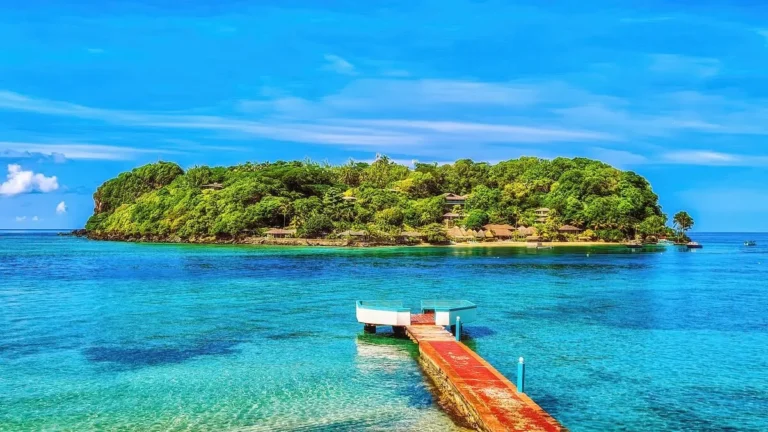
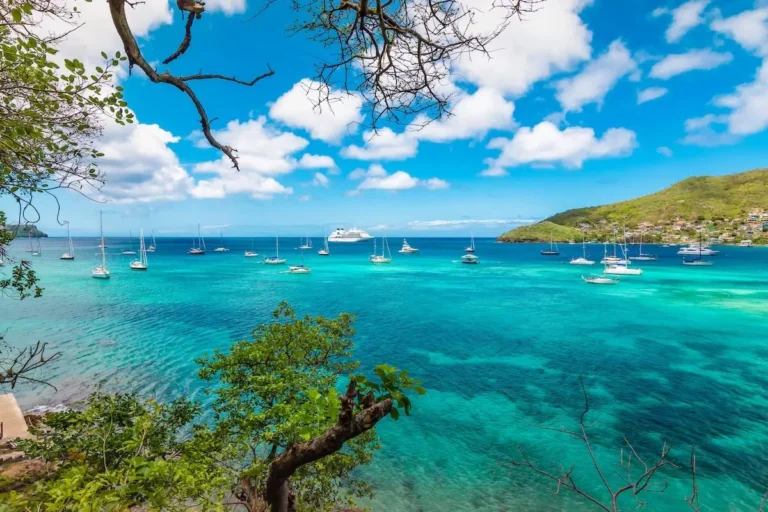
Out in the Grenadines, the shift is immediate. The sea turns impossibly clear, islands appear scattered and spacious, and everything orients toward wind, water, and daylight. What struck me most was how quietly beautiful it all is — some of the most striking sea and scenery I’ve seen in the Caribbean, experienced without spectacle
Why Visit Saint Vincent and the Grenadines?
You visit Saint Vincent & the Grenadines if you value small, human-scale travel. St. Vincent offers dramatic nature and everyday Caribbean life with little tourism framing. The Grenadines offer clarity — water, space, and islands best experienced slowly, often by boat.
After Beryl, what stayed with me was how naturally the islands absorb challenge without losing rhythm. This isn’t a destination built to impress quickly. It’s one that rewards patience, movement, and an appreciation for places that remain intentionally small.


Follow me to Saint Vincent and the Grenadines
Saint Vincent & the Grenadines are places I came to know by moving slowly. Time spent on St. Vincent and out among the Grenadines — by road, by boat, and in between — revealed a rhythm shaped by landscape, sea, and everyday life rather than tourism. Follow along for honest impressions, practical tips, and ideas to help you plan a trip.
Beaches in Saint Vincent and the Grenadines
Beaches in Saint Vincent & the Grenadines are defined by variety and scale rather than development. On St. Vincent, beaches tend to be darker sand, more dramatic, and shaped by the Atlantic — places you come to walk, swim carefully, and feel the landscape rather than settle into a beach scene.
Out in the Grenadines, the experience shifts completely. Islands like Bequia, Mustique, Canouan, and the Tobago Cays offer clear turquoise water, sheltered bays, and small beaches that feel naturally social rather than curated. Bequia stands out for its balance — easy swimming, lively harbors, walkable beaches, and a strong local rhythm that makes it easy to stay awhile.
Snorkeling and swimming are best in the Grenadines, often straight from shore or reached by short boat rides. What connects all the islands is how unforced the coastline feels: beaches here aren’t arranged around resorts or schedules — they’re places you arrive at, linger, and leave when the light changes.


Nature adventures in Saint Vincent and the Grenadines
Nature shapes everything in Saint Vincent & the Grenadines. St. Vincent is steep, green, and volcanic, with dense rainforest, rivers, and waterfalls that feel raw rather than curated. Hiking here is physical and rewarding — trails lead through interior valleys and up toward La Soufrière, where the landscape still feels alive and unsettled.
In the Grenadines, nature shifts from inland to maritime. Clear water, coral reefs, and small uninhabited islands define the experience, especially around the Tobago Cays, where snorkeling, swimming, and sailing happen in close proximity. Distances are short, but environments change quickly — forest to reef, ridge to bay.
What stood out to me most is how accessible nature feels without being staged. Experiences require a bit of initiative, but the payoff is real landscapes, quiet encounters, and a strong sense of place that hasn’t been smoothed out for visitors.


People & everyday life in Saint Vincent and the Grenadines
Everyday life in Saint Vincent & the Grenadines feels steady and self-directed. A sense of continuity runs through the islands, shaped in part by long-standing political leadership and communities accustomed to navigating change on their own terms.
The population reflects a mix of African, Indigenous Carib (Kalinago), Garifuna, European, and mixed heritage, with cultural differences most visible on St. Vincent. This diversity shows up quietly — in food, language, music, and social customs — rather than as something curated for visitors.
Life here is social but unforced. Conversations linger, time stretches, and evenings often end with music, shared stories, and a glass of local red rum. Visitors are welcomed warmly, but everyday life continues on its own rhythm, which is what gives the islands their grounded and confident feel.
Festivals & Happenings
Festivals and events in Saint Vincent & the Grenadines grow out of history, religion, and everyday social life. Vincy Mas (Carnival) is the most prominent moment of the year, centered in Kingstown, with calypso, soca, costume, and street parades shaped by months of local preparation. It’s energetic and expressive, but still firmly rooted in local participation rather than visitor spectacle.
Across the islands, smaller village festivals, church celebrations, and cultural gatherings mark the calendar, often tied to food, music, and shared memory. On Bequia, traditional small-scale whaling remains part of cultural identity and seasonal rhythm, practiced under international quotas and discussed openly within the community. It’s a reminder that culture here includes practices that are complex, debated, and historically rooted rather than simplified for outsiders.
In the Grenadines, events tend to be quieter and more intimate, reflecting island-scale communities. Celebrations arrive, peak, and recede naturally, offering insight into how identity, tradition, and daily life intersect across the islands.
Looking for a Tailor-Made Adventure?
Whether you’re dreaming of exploring hidden gems or indulging in unique experiences, we will design an unforgettable journey that fits your style and preferences. Contact us today to start planning your personalized trip!
Practical Travel Tips for Saint Vincent and the Grenadines