

Saint Lucia
Caribbean
Saint Lucia feels dramatic at first glance, but spending a full month on the island around last year’s Carnival revealed something quieter and more integrated. Even in well-known areas like Rodney Bay and Soufrière, tourism blends into daily life rather than forming sealed resort zones. Fishing boats land next to tour boats, locals and visitors share the same beaches, and everyday routines continue alongside the scenery.
The island is compact but steep, with winding roads through villages, rainforest, and banana fields. It’s unmistakably Caribbean, but calmer and more cohesive than many islands, with tourism woven into life rather than set apart from it.
Why Visit Saint Lucia?
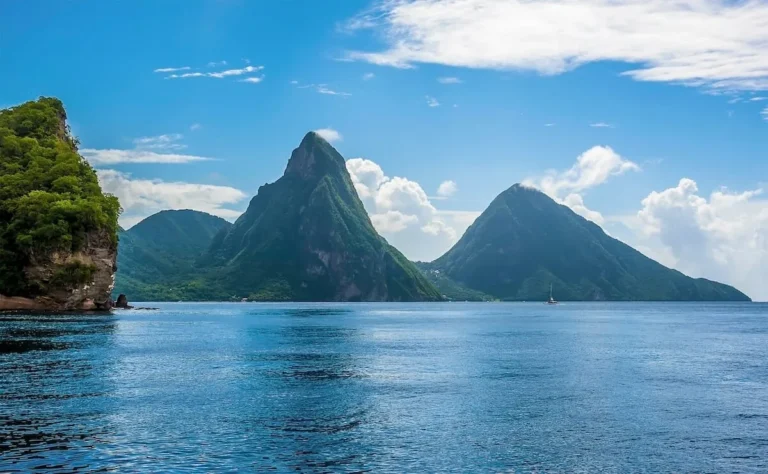
You visit Saint Lucia for the balance it offers. Few Caribbean islands combine iconic landscapes — the Pitons, volcanic springs, rainforest trails, and waterfalls — with towns that still feel lived in. Places like Rodney Bay provide convenience without losing local character, while Soufrière remains deeply rooted despite its popularity.
Saint Lucia suits travelers who want striking nature without resort isolation, and a Caribbean experience that feels connected, navigable, and grounded rather than staged.


Follow me to Saint Lucia
Saint Lucia is a place I came to know by staying longer. Spending a full month on the island around Carnival gave me time to move beyond first impressions — between towns, beaches, and everyday routines — and see how life actually unfolds here. Follow along for honest impressions, practical tips, and ideas to help you plan a Saint Lucia trip that feels grounded and connected.


Beaches in Saint Lucia
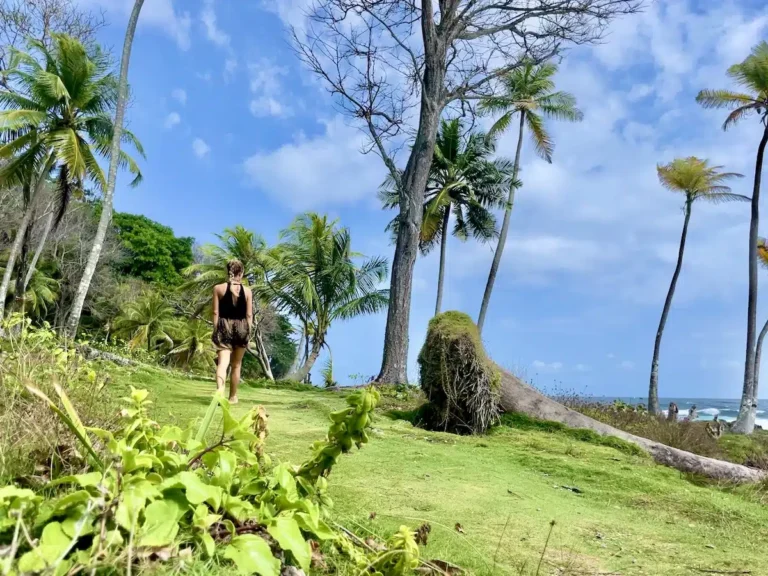
Saint Lucia’s beaches feel closely tied to daily life rather than separated into resort zones. Along much of the west coast, calm Caribbean water makes swimming easy, and it’s common to see locals and visitors sharing the same stretches of sand.
Some areas lean more tourist-facing — Reduit Beach in Rodney Bay is lively and active — while others feel more naturally integrated. Around Soufrière, beaches are smaller, darker-sand coves framed by cliffs and rainforest, where fishing boats, swimmers, and snorkelers coexist without clear boundaries. Elsewhere, beaches feel informal and open, shaped more by geography than development.
Snorkeling and diving are strong here, especially along reef-lined coves and near marine reserves, often accessible directly from shore. Saint Lucia’s beaches suit travelers who enjoy variety: easy swims, quiet coves, and water time that fits naturally around everyday island life rather than revolving around it.


Nature adventures in Saint Lucia
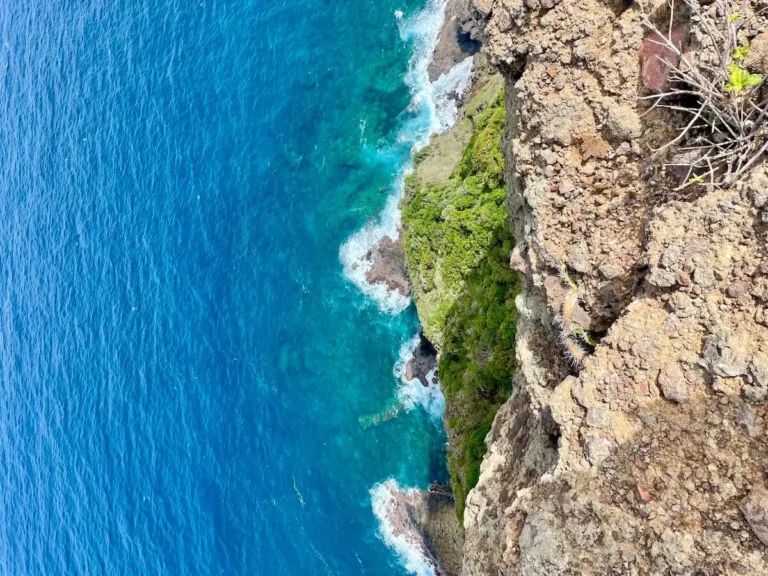
Nature is woven into everyday movement in Saint Lucia. Steep volcanic terrain, rainforest-covered hills, and deep valleys mean that hikes, waterfalls, and viewpoints are rarely far away. Spending time on the island made it clear how easily you move between beach, village, and forest in a single day.
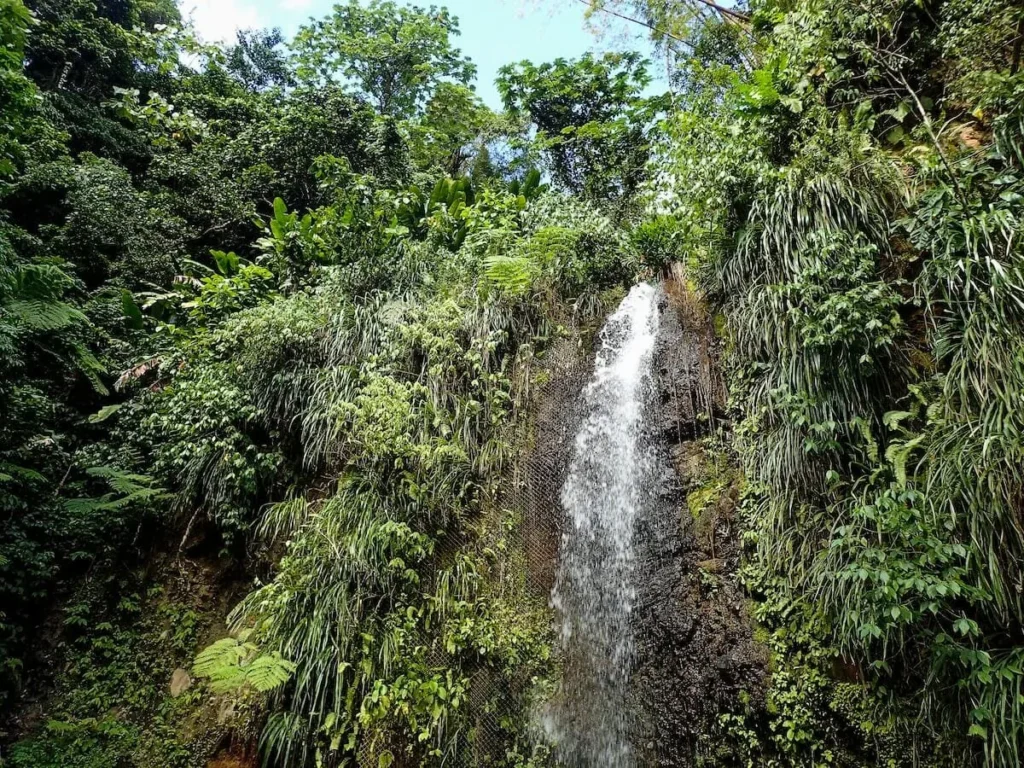
The island’s interior offers rewarding rainforest hikes, river walks, and waterfall swims, often without heavy infrastructure. Around Soufrière, volcanic features shape the landscape — hot springs, bubbling mud pools, and dramatic trails beneath the Pitons — creating experiences that feel physical and immediate rather than curated.
Beyond hiking, Saint Lucia works well for boating, snorkeling, and diving, with reefs and drop-offs close to shore. What stood out to me is that nature here doesn’t demand full-day expeditions; it fits naturally into daily life, offering contrast and depth without dominating your time.


People & everyday life in Saint Lucia
Spending extended time in Saint Lucia changed how I understood daily life here. The island moves at a steady, observant pace — social, but not loud; welcoming, but not performative. Conversations happen easily, often in passing, and everyday routines unfold in shared spaces like markets, bus stops, and beaches.
Culture shows up quietly through Kwéyòl, food, music, and church life rather than spectacle. Even in more visitor-heavy areas, people live alongside tourism rather than around it. What stayed with me most was the balance — a sense of pride, restraint, and continuity that shapes how Saint Lucians relate to each other and to the island itself.
Festivals & Happenings
Carnival in July brings music, costume, and movement into towns across the island, shaped by months of local preparation. Saint Lucia Jazz Festival, typically held in May, adds a different energy — international and regional artists performing in settings that still feel connected to the island rather than detached from it.
Outside headline events, Kwéyòl Month in October highlights language, food, and heritage through smaller, village-based celebrations. What stood out to me was how naturally these moments fold into everyday life — festivals rise, pass, and the island settles back into its steady rhythm.
Looking for a Tailor-Made Adventure?
Whether you’re dreaming of exploring hidden gems or indulging in unique experiences, we will design an unforgettable journey that fits your style and preferences. Contact us today to start planning your personalized trip!
Practical Travel Tips for Saint Lucia
