

El Salvador
Central America
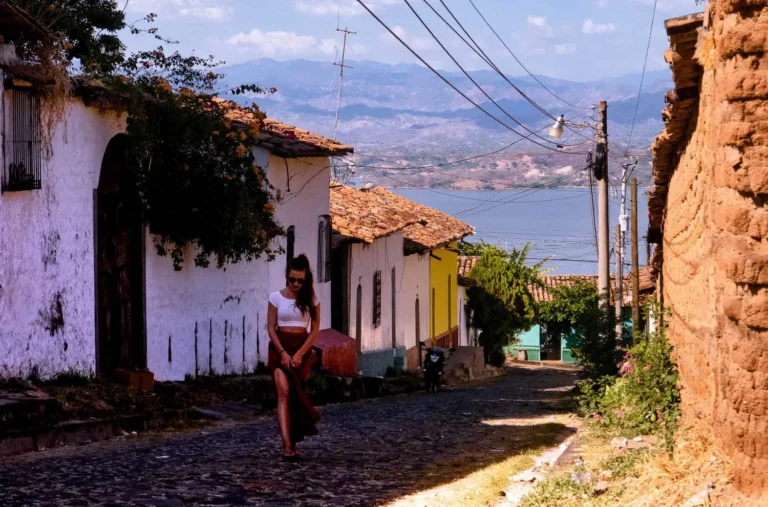
El Salvador is small, intense, and immediately engaging. Volcanoes rise close to the capital, surf breaks line much of the Pacific coast, and colonial towns and modern neighborhoods exist side by side. What stands out quickly is the energy — social, creative, and forward-looking — paired with a strong sense of place. Despite its size, the country feels layered, shaped by landscape, history, and a population deeply invested in redefining how El Salvador is experienced.
Why Visit El Salvador?
El Salvador offers a rare mix of accessibility and depth. Its compact scale makes it easy to combine coast, cities, and nature without long travel times, while recent investment in infrastructure and public safety has reshaped how people move through the country. At the same time, daily life remains locally rooted, with food culture, surf communities, and neighborhood rhythms taking precedence over large-scale tourism.


Follow me to El Salvador
El Salvador stayed with us long after we left. Time spent in San Salvador, in small towns, and among volcanic landscapes shaped our experience in ways we didn’t expect. Follow along for grounded impressions, practical notes, and context to help you understand El Salvador beyond first impressions.
Beaches in El Salvador
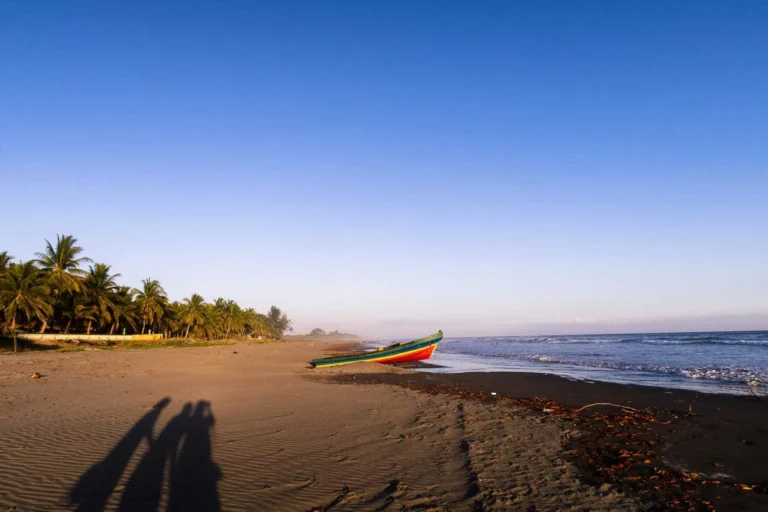
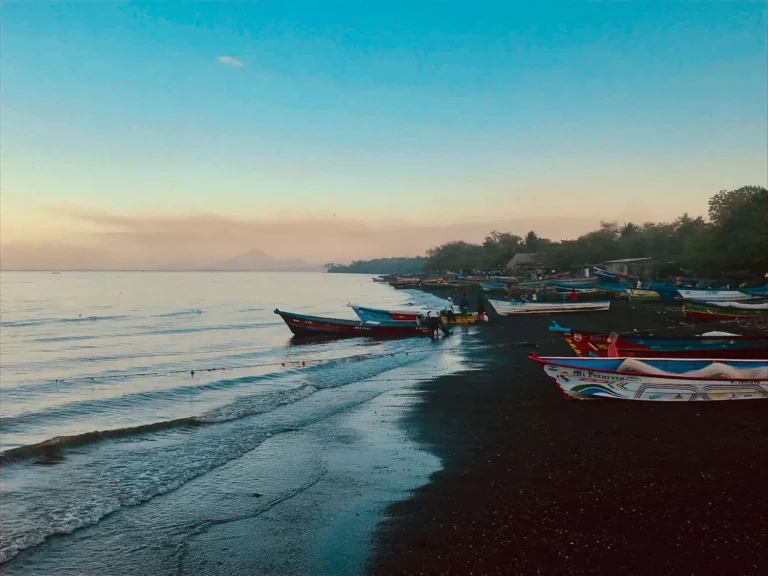
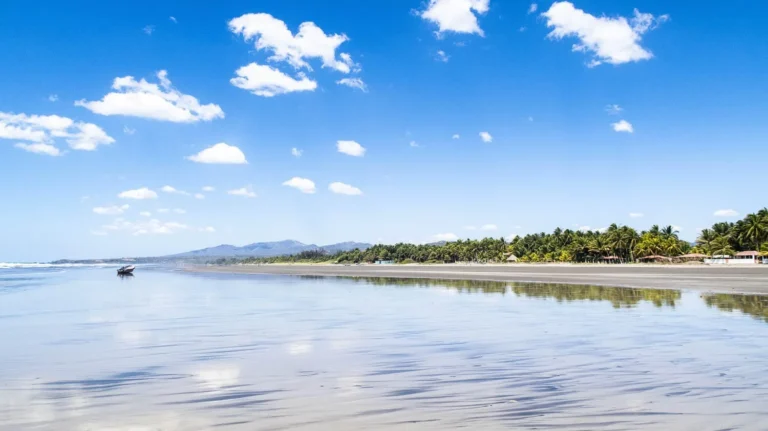
Beaches in El Salvador are closely tied to surf culture and coastal life. Along the Pacific, places like El Tunco, El Zonte, and Mizata are known for reliable waves, relaxed beach towns, and a social atmosphere built around the ocean rather than resorts. Mornings often revolve around surf sessions, with afternoons slowing down into shaded cafés and sunset gatherings.
Outside these hubs, stretches of coastline remain quieter and more local, where fishing, daily routines, and the sea shape the rhythm of life. El Salvador’s beaches suit you if you enjoy active mornings, informal coastal towns, and travel centered on people and place rather than beach isolation.


Nature adventures in El Salvador
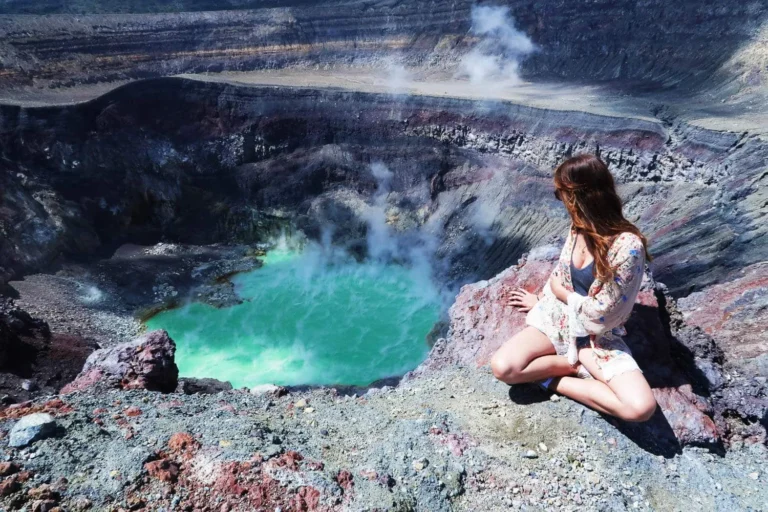
Nature in El Salvador feels immediate and accessible. Volcanic landscapes define much of the country, with places like Santa Ana Volcano offering popular hikes that reward you with wide crater views. Around Ruta de las Flores, waterfalls, coffee farms, and cloud forest trails are woven into small towns and everyday movement rather than set apart as destinations.
Lakes such as Lake Coatepeque provide calmer counterpoints to the coast, suited for swimming, kayaking, and slow afternoons. Nature adventures here tend to be compact and social — easily combined with town life, food stops, and cultural encounters.


People & everyday life in El Salvador
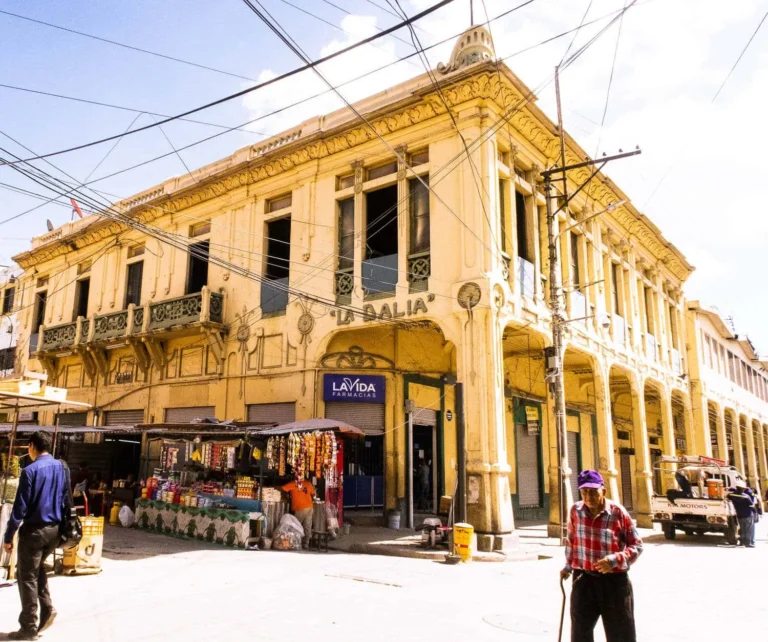
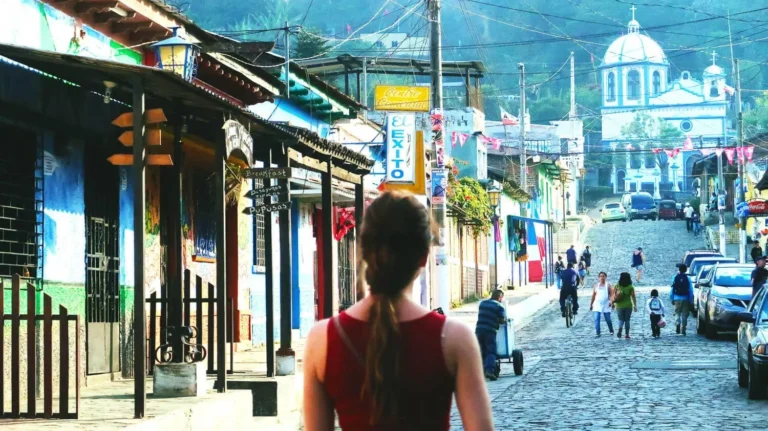
Everyday life in El Salvador is shaped by strong community ties and a real sense of momentum. Spanish is spoken everywhere, and much of social life unfolds in public — at street food stalls, markets, plazas, and along the coast. Food is central, from pupusas shared at roadside stands to family-run comedores that anchor neighborhoods.
What stays with me most is how genuinely welcoming Salvadorans are. Conversations start easily, curiosity flows both ways, and it’s common to feel included in small, unplanned moments — a recommendation, a shared table, a quick chat that turns into something longer. Especially in smaller towns and beach communities, daily life feels open and social, making it easy to connect beyond the surface.


Festivals & Happenings
Festivals in El Salvador are closely tied to local identity and religious calendars. Fiestas patronales, Semana Santa, and town-specific celebrations bring short bursts of music, food, and collective life into streets and plazas. These moments temporarily shift the pace, drawing families and communities together before everyday routines resume.
Many celebrations cluster around Holy Week and mid-year patron saint festivals, making these periods lively but busier. When approached with patience and curiosity, festivals offer an easy way to understand how community life functions.
Looking for a Tailor-Made Adventure?
Whether you’re dreaming of exploring hidden gems or indulging in unique experiences, we will design an unforgettable journey that fits your style and preferences. Contact us today to start planning your personalized trip!
Practical Travel Tips for El Salvador
