

Trinidad and Tobago
Caribbean
Trinidad & Tobago are unmistakably Caribbean — warm, expressive, and social — but they relate to tourism very differently. Their proximity to South America shapes everything from rainforest and wildlife to food and cultural mix, giving Trinidad & Tobago a distinctly grounded feel within the Caribbean.
Having visited several times and through close personal ties, that contrast is one of the first things you notice.
Trinidad is vibrant, heterogeneous, and largely non-touristic. Life here revolves around work, culture, religion, food, politics, and events like Carnival, which remain deeply local. The island feels lived-in rather than curated. Tobago, by contrast, does have a tourism economy — smaller-scale and more nature-focused — shaped around beaches, villages, and a slower pace.
Why Visit Trinidad and Tobago?
I keep coming back to Trinidad & Tobago for the contrast. Trinidad’s cultural depth, living history, and ancient rainforest feel intensely real and largely untouched by tourism, while Tobago offers space to slow down among beaches and nature without losing its sense of community. Together, they create one of the Caribbean’s most layered and rewarding travel experiences for me.


Follow me to Trinidad and Tobago
I’ve spent enough time in Trinidad & Tobago to say this honestly: I love these islands almost as much as I love my partner — and that’s saying something. Over many visits, I’ve experienced everyday life in Trinidad and slower days in Tobago, and they continue to surprise me in different ways. Follow along for honest impressions, practical tips, and ideas to help you plan a trip that goes beyond the obvious.


Beaches in Trinidad and Tobago
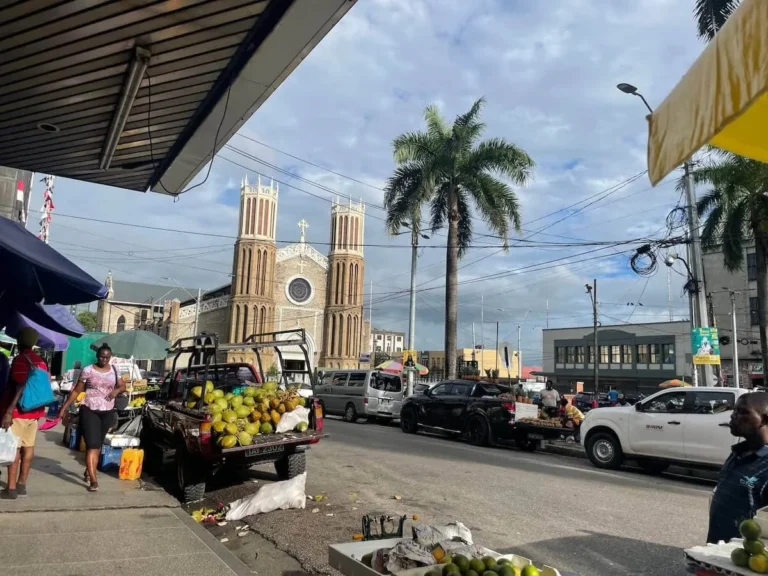
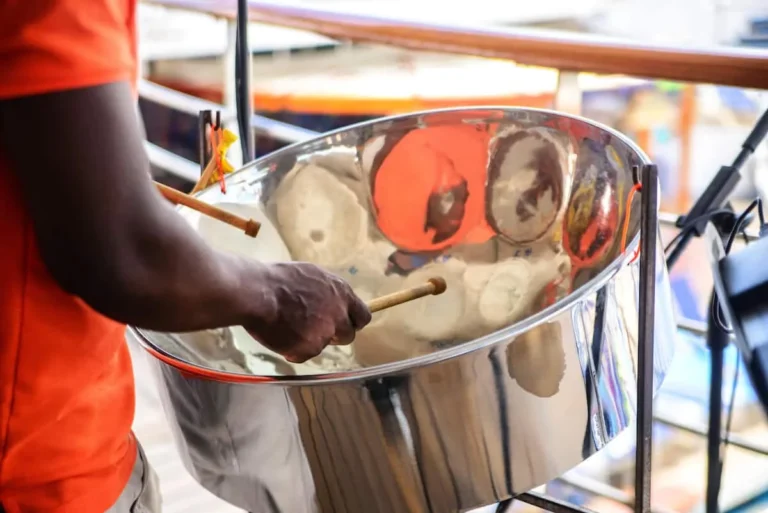
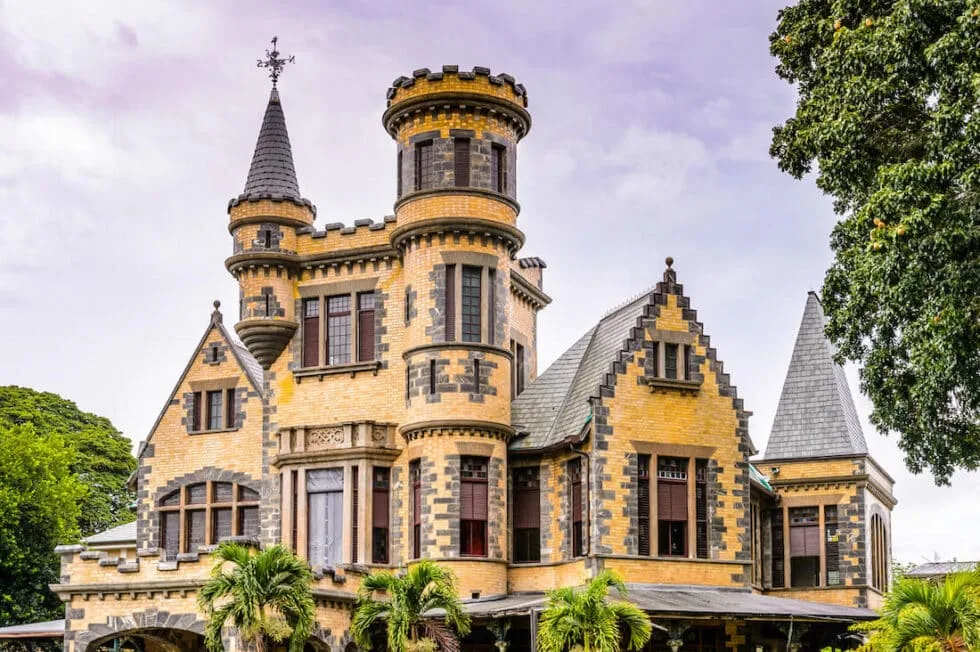
City life in Trinidad and Tobago feels very different from the beach-and-island image many travelers arrive with. In Port of Spain, the energy is immediate: traffic, markets, music, food stalls, old buildings, Carnival mas camps, steelpan yards, and the feeling that culture is not something staged for visitors, but part of everyday life.
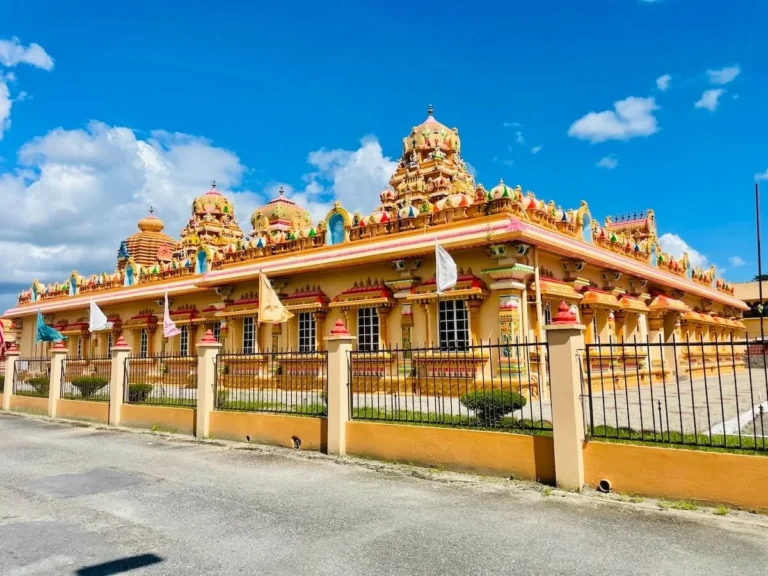
San Fernando shows another side of Trinidad. It feels less like the capital and more like a southern city with its own rhythm — closer to the island’s Indo-Trinidadian heritage, temples, food traditions, industrial history, and everyday local life. It may not be the obvious place most travelers start with, but it adds important context to understanding Trinidad beyond Port of Spain.
Together, Port of Spain and San Fernando show why Trinidad and Tobago cannot be reduced to beaches alone. The country is music, food, faith, Carnival, migration, industry, creativity, and daily life — all moving side by side.


Beaches in Trinidad and Tobago
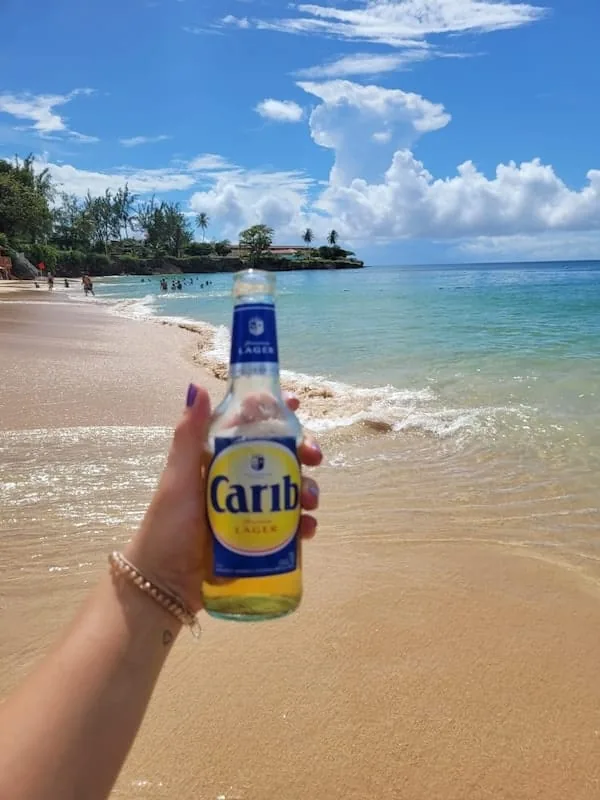
Beaches in Trinidad & Tobago feel very different depending on the island — and that’s part of the appeal.
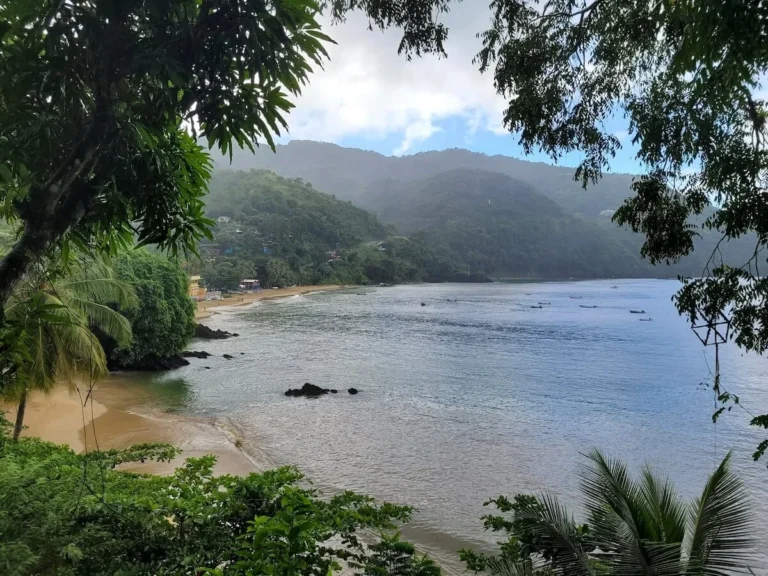
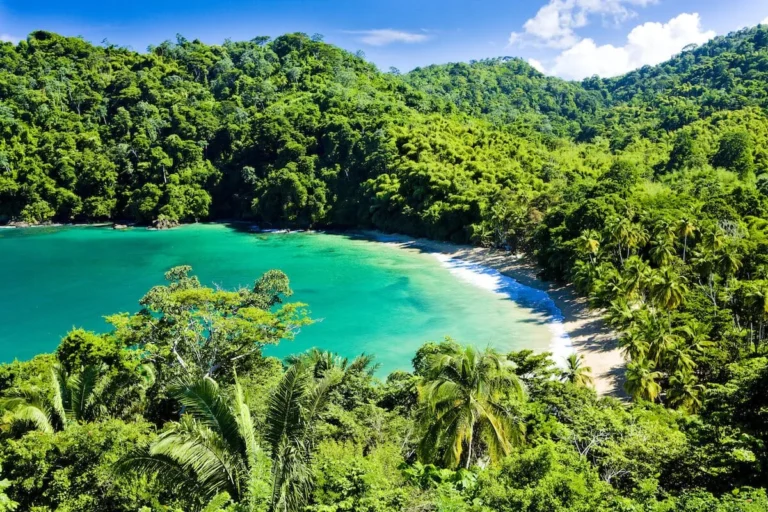
On Trinidad, the coast is often wild and Atlantic-facing. The north coast around Maracas, Las Cuevas, and Blanchisseuse mixes rainforest-backed bays with food stops and long walks, while the east coast — Mayaro, Manzanilla, Grande Riviere — is less about swimming and more about open space, strong seas, and seasonal leatherback turtle nesting.
Tobago is gentler and easier by the water. Beaches like Pigeon Point, Store Bay, and Mount Irvine work well for swimming, snorkeling, and slow afternoons, with surf at Mount Irvine and quieter village beaches such as Castara and Englishman’s Bay close by.
Together, the islands offer two beach experiences I keep coming back for: Trinidad’s raw, lived-in coastline and Tobago’s calmer, reef-fringed shores.


Nature adventures in Trinidad and Tobago
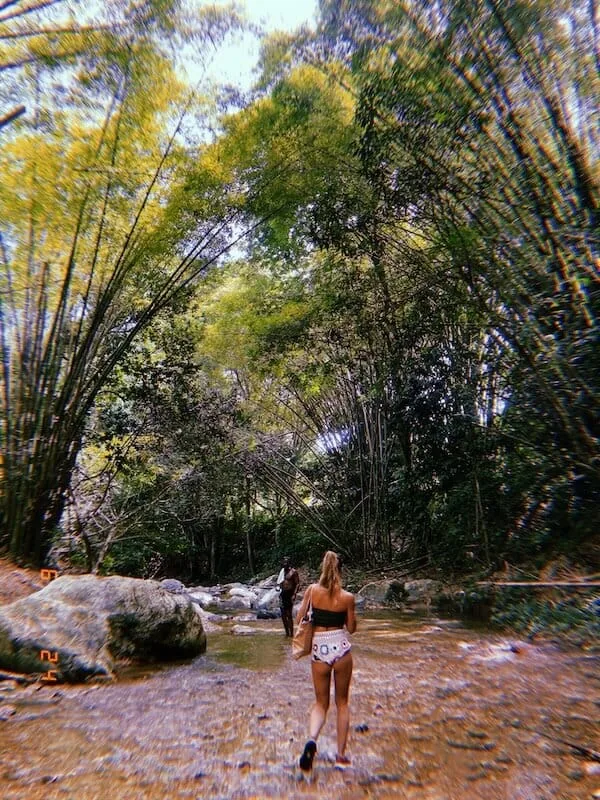
Nature is one of the main reasons I keep returning to Trinidad & Tobago. Trinidad is home to some of the Caribbean’s oldest rainforest and an exceptional range of endemic species, especially birds and reptiles. The Northern Range offers rewarding hiking and river walks, while mangrove boat tours reveal wetlands rich in wildlife, including the scarlet ibis. Experiences here aren’t heavily curated, but that rawness is part of what makes them feel real.
Tobago adds a different layer: compact rainforest reserves, coastal trails, and easy access to marine life. The island is known for snorkeling, diving, and reef systems, with forested interiors that are easy to explore between beach days. Across both islands, you’ll find hiking, ziplining, waterfalls, and boating — often with fewer crowds and less polish than elsewhere in the Caribbean, but with a strong sense of place.

People & everyday life in Trinidad and Tobago
Everyday life in Trinidad & Tobago is social, expressive, and deeply shaped by diversity. Trinidad in particular is one of the Caribbean’s most heterogeneous societies, with African, Indian, Indigenous, European, Chinese, and Middle Eastern heritage all visible in daily life. This shows up most clearly through religion: Hindu temples, mosques, churches, and spiritual Baptist sites exist side by side, often within the same neighborhood.
Large Hindu landmarks like the Hanuman Murti and Temple in the Sea aren’t isolated monuments — they’re part of living religious practice and community life. Food, language, and music shift subtly depending on context, and conversations move easily between humor, politics, and everyday logistics.
A lot of life happens informally. People gather, talk, eat, and pass time together — or simply lime. Liming isn’t about doing much at all; it’s about being present, sharing space, and letting time stretch. Once you understand that rhythm, Trinidad & Tobago start to make sense in a way that goes beyond sightseeing.
Festivals & Happenings
Festivals in Trinidad & Tobago are rooted in religion, history, and community rather than designed for visitors. Carnival in Trinidad is one of the most significant cultural events in the Caribbean — intense, political, creative, and overwhelmingly local in spirit. It’s not something you watch from the outside; it’s something people prepare for, argue about, and live through.
Religious festivals shape the calendar just as strongly. Divali lights up neighborhoods with diyas and shared food, Eid brings communal prayer and celebration, and Christmas blends church, parang music, and extended family gatherings. In Tobago, festivals are smaller and more community-led, often tied to village life, music, and local traditions.
What stands out is how integrated these moments are. Celebrations don’t interrupt everyday life — they grow out of it, then quietly fold back in. Experiencing festivals here offers real insight into how history, belief, and identity continue to shape daily rhythms on both islands.
Looking for a Tailor-Made Adventure?
Whether you’re dreaming of exploring hidden gems or indulging in unique experiences, we will design an unforgettable journey that fits your style and preferences. Contact us today to start planning your personalized trip!
Practical Travel Tips for Trinidad and Tobago
