

Costa Rica
Central America
Costa Rica feels settled and familiar in a reassuring way. Forested hills, well-kept roads, and small towns blend smoothly into protected landscapes, and daily life moves with a sense of balance rather than urgency. Nature is present everywhere, but it’s organized and cared for, often with clear paths and signage. Compared to its neighbors, the country feels polished — not rushed, but intentionally shaped.
Why Visit Costa Rica?
Costa Rica works because things function. Infrastructure is reliable, national parks are well protected, and moving between regions is relatively straightforward. This makes it an easy place to slow down without having to constantly navigate logistics. While tourism is well developed, it’s also thoughtful, with a long-standing focus on conservation and small-scale eco-lodges alongside more established resorts.


Follow me to Costa Rica
Belize is a place I keep coming back to. Over several visits, I’ve explored it at different paces — along the coast, on the cayes, and inland — and it continues to surprise me. Follow along for honest impressions, practical tips, and ideas to help you plan a Belize trip.
Beaches in Costa Rica
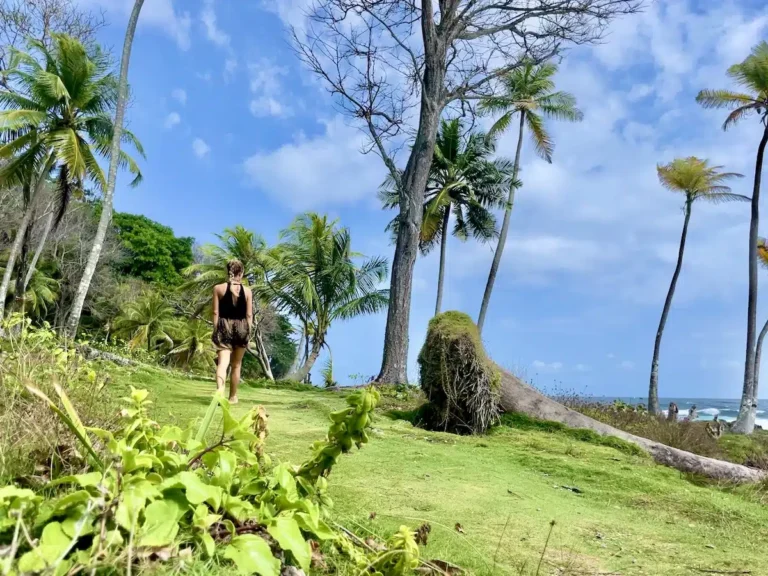
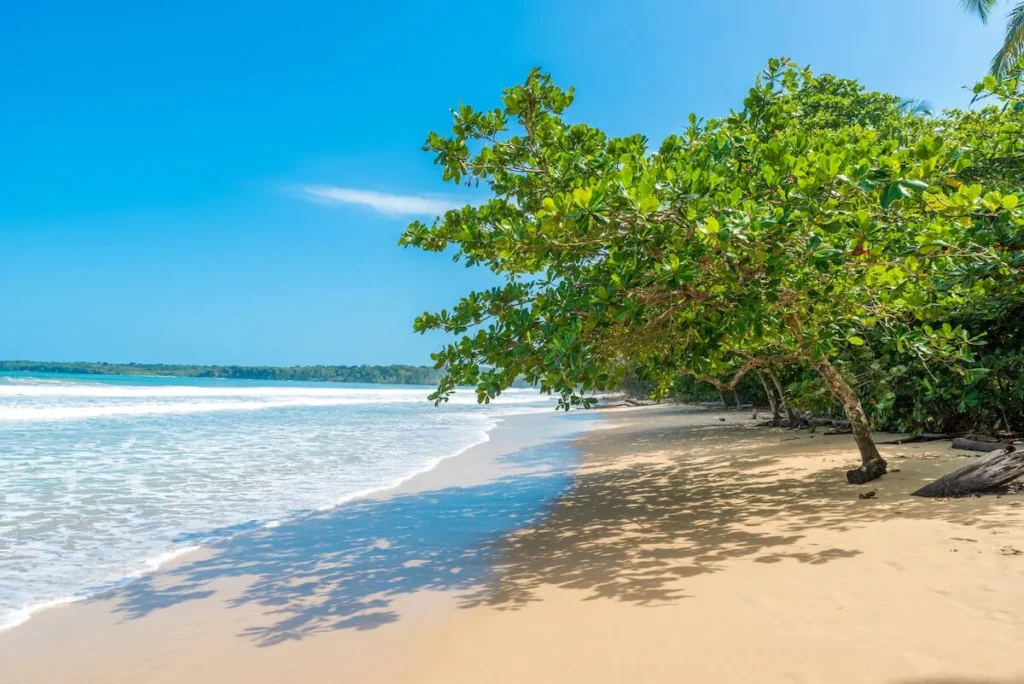
Costa Rica’s beaches feel very different depending on which coast you choose. While the Pacific side is known for long sandy stretches shaped by surf culture and sunset routines — in places like Santa Teresa and Nosara — we spent most of our time on the Caribbean coast. Around Puerto Viejo, beaches feel more intimate and rhythm-driven, closely tied to village life, music, and everyday routines rather than large-scale development.
This side of the coast suited us for slower days — time in the water, shaded afternoons, and evenings shaped by conversation and local life rather than schedules or nightlife.


Nature adventures in Costa Rica
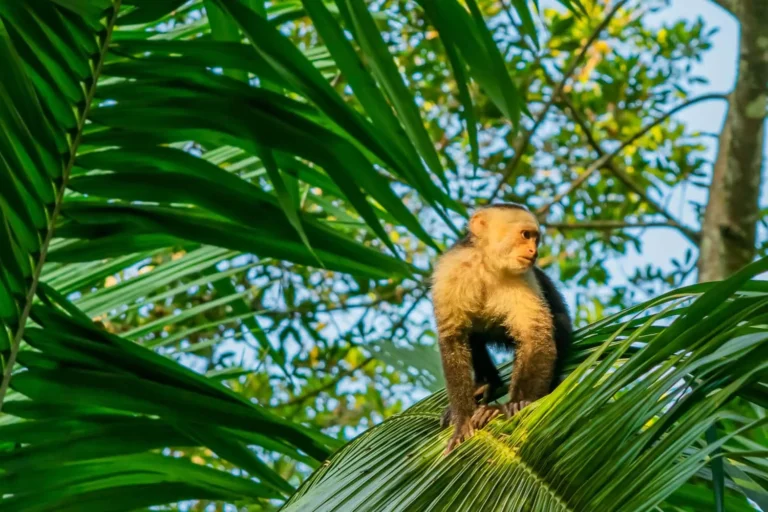
Nature in Costa Rica is accessible and well cared for. Cloud forests, rainforests, rivers, and volcanoes are connected by maintained trails and national parks, making exploration feel approachable rather than demanding. Areas like Monteverde and Arenal balance wildlife encounters with comfort, allowing you to experience biodiversity without needing to venture far off-grid.
Adventures here tend to be gentle but immersive — early walks, canopy-level views, and time spent observing rather than chasing highlights.


People & everyday life in Costa Rica
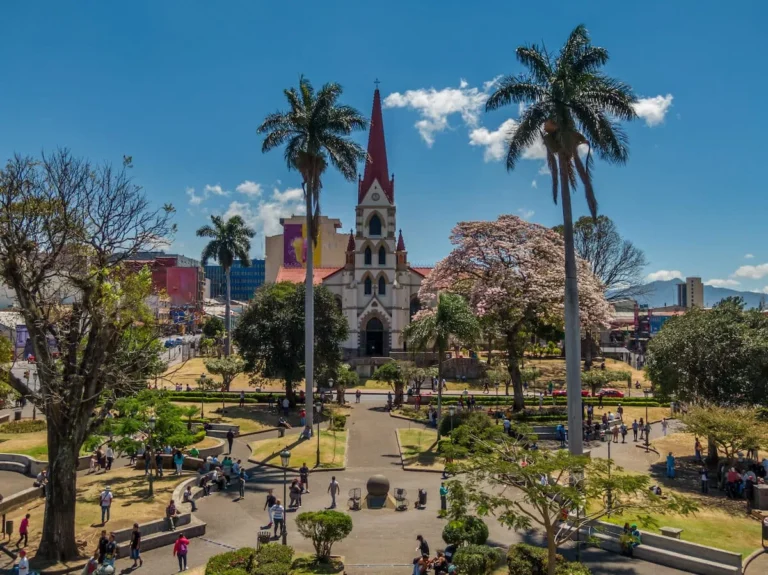
Everyday life in Costa Rica feels calm and measured. Spanish is spoken everywhere, and interactions tend to be polite, warm, and unhurried. The concept of pura vida shows up less as a slogan and more in daily habits — patience, friendliness, and an emphasis on balance.
What stands out over time is how easy it feels to settle in. Conversations are kind rather than intrusive, routines feel steady, and there’s a shared respect for both people and place.


Festivals & Happenings
Festivals in Costa Rica are low-key and community-focused. Religious holidays, town fiestas, and national celebrations bring music and gatherings into public spaces without overwhelming daily life. These moments add texture rather than spectacle, briefly shifting routines before everything returns to its gentle rhythm.
Many events cluster around Holy Week and mid-year festivals, making those periods livelier but still manageable.
Looking for a Tailor-Made Adventure?
Whether you’re dreaming of exploring hidden gems or indulging in unique experiences, we will design an unforgettable journey that fits your style and preferences. Contact us today to start planning your personalized trip!
Practical Travel Tips for Costa Rica
