

Belize
Central America
Belize is easy to underestimate. Small and English-speaking, it packs Caribbean beaches, offshore reefs, dense jungle, and inland Maya ruins into short—but slow—travel distances. The Hummingbird Highway favors scenery over speed, winding through citrus groves and jungle. Places like San Pedro and Caye Caulker
are more developed, while others remain noticeably quieter. Tourism is largely small-scale and locally run, with a few well-integrated high-end stays. Belize suits travelers who value variety, context, and authentic places.
Why Visit Belize?
Belize is small in scale — around 400,000 people across just 23,000 km² — yet rich in contrast, making it easy to move between beaches, reefs, jungle, and living cultures without feeling hurried or overwhelmed.


Follow me to Belize
Belize is a place I keep coming back to. Over several visits, I’ve explored it at different paces — along the coast, on the cayes, and inland — and it continues to surprise me. Follow along for honest impressions, practical tips, and ideas to help you plan a Belize trip.
Beaches in Belize
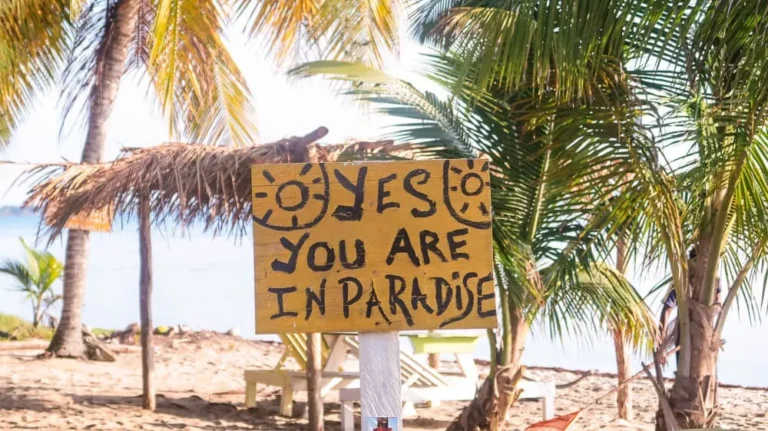
Beaches in Belize feel varied and lived-in, shaped by where you go rather than by resort development. The Placencia Peninsula offers one of the longest sandy stretches in the country, good for swimming, kayaking, long walks, and easy boat access to snorkeling and island trips. Hopkins is quieter and more local, where the beach is part of daily life — fishing boats, morning walks, and calm sunsets.
Offshore, Ambergris Caye and Caye Caulker offer smaller beaches paired with reef access, snorkeling, paddleboarding, and relaxed beach bars rather than resort scenes. Belize’s beaches suit travelers who enjoy mixing activity with downtime — water in the morning, shade in the afternoon, and sunset by the sea.


Nature adventures in Belize
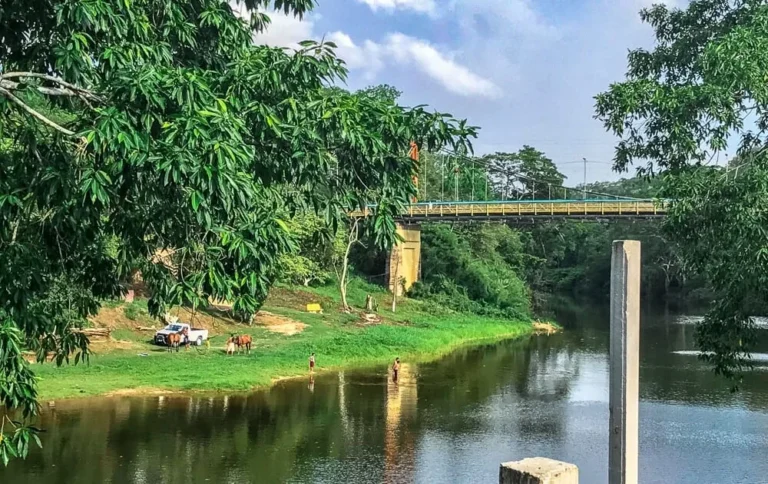
Nature in Belize is easy to access and part of daily movement. Around San Ignacio, jungle, rivers, caves, and Maya ruins sit close together, and howler monkeys and birds are common sights. Along the coast and on the cayes, manatees, rays, turtles, and reef life are often seen just offshore or during short boat trips.


People & everyday life in Belize
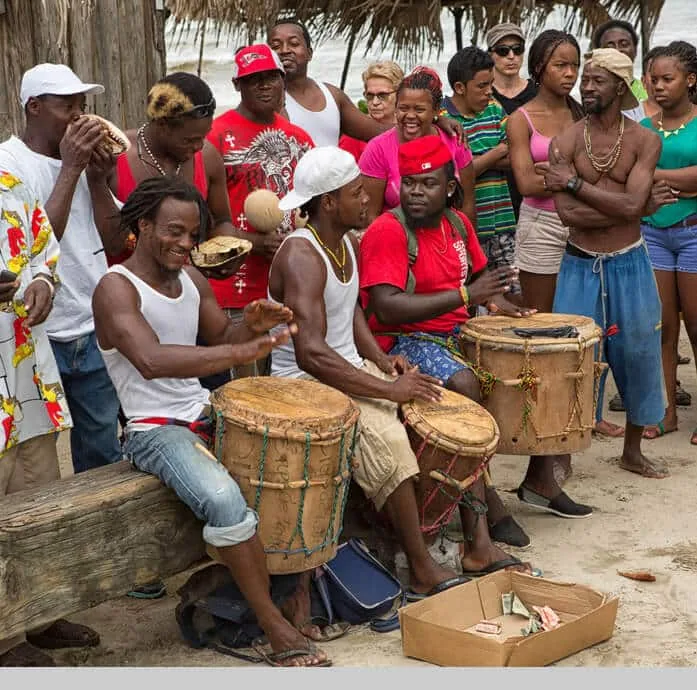
People shape Belize as much as its landscapes. A small population brings together Creole, Garifuna, Maya, Mestizo, and Caribbean influences, each felt differently depending on where you are. Coastal Garifuna communities shape music and food, Creole culture is reflected in language and everyday interactions, and inland Maya and Mestizo communities influence rhythms of life, farming, and local cuisine. Moving through Belize often means moving between cultural zones, where conversations, meals, and traditions shift naturally from place to place.


Festivals & Happenings
Events like Garifuna Settlement Day highlight history, music, and collective memory, especially in coastal villages, while Lobster Fest brings a seasonal buzz to seaside towns through food and informal gatherings. Carnival adds short bursts of color and movement without reshaping daily life. These moments offer a way to see Belize at its most social, when routines open up and local traditions take center stage, before the country settles back into its usual rhythm.
Looking for a Tailor-Made Adventure?
Whether you’re dreaming of exploring hidden gems or indulging in unique experiences, we will design an unforgettable journey that fits your style and preferences. Contact us today to start planning your personalized trip!
Practical Travel Tips for Belize
