

Nicaragua
Central America
Nicaragua feels raw and expansive. Volcanoes rise directly from roadsides, colonial cities like León and Granada feel lived-in rather than preserved, and daily life moves at a slower, more deliberate pace. Compared to much of Central America, tourism has developed unevenly here, and that difference is tangible — places feel shaped first by people and geography, not by visitor expectations.
Why Visit Nicaragua?
Nicaragua offers space — physical and mental. It hasn’t developed as intensively as Costa Rica or even neighboring El Salvador, and that leaves room for quieter travel, longer stays, and more direct encounters with everyday life. Landscapes, cities, and routines still serve local needs first, which makes travel here feel less curated and more observational.


Follow me to Nicaragua
Nicaragua stayed with us. Time spent along the Pacific coast, in colonial cities, and around lakes and volcanoes shaped how we experienced the country — slowly and without much polish. What follows are observations, practical notes, and context to help you approach Nicaragua with a clearer sense of what it feels like on the ground.
Cities in Nicaragua
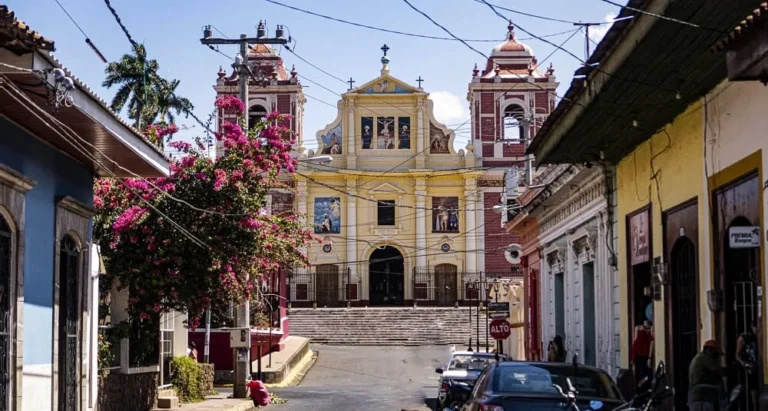
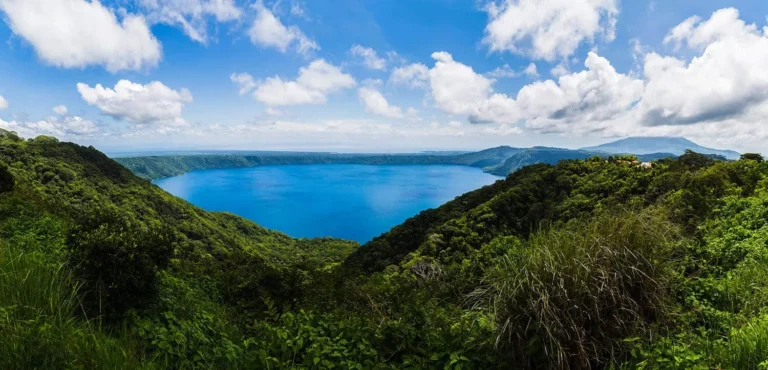
Nicaragua’s cities were what helped the country make sense to me. Granada is the elegant one, with color, courtyards, lake views, and colonial façades that make it easy to love at first glance. León feels more intense — student energy, revolutionary history, murals, churches, and a stronger political pulse. Masaya is where I felt closer to everyday life, especially in its markets, craft traditions, and street scenes. Together, they show a Nicaragua that is not only about volcanoes and beaches, but about memory, creativity, faith, and the rhythm of daily life.


Beaches in Nicaragua
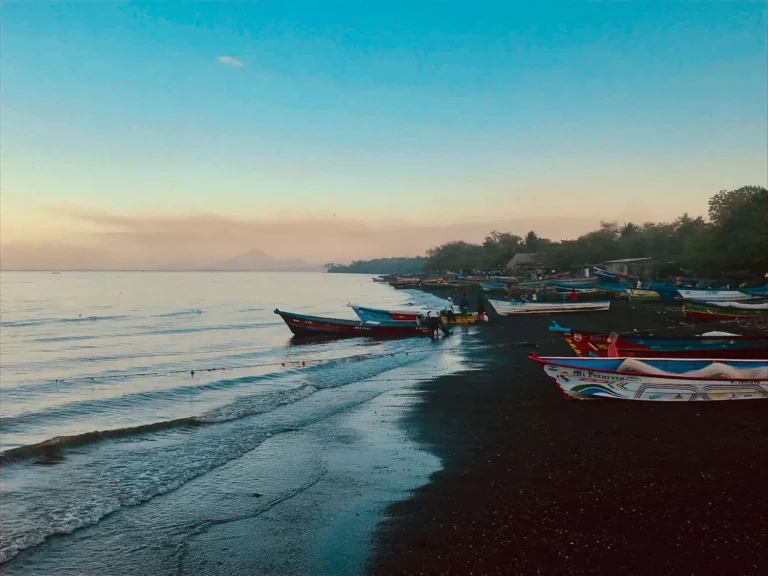
Nicaragua’s Pacific coast is long, open, and largely undeveloped. Beaches around San Juan del Sur and further north toward Popoyo are shaped by surf breaks, fishing life, and seasonal rhythms rather than resort infrastructure. Some towns are lively, others noticeably quiet, and moving between them changes the experience completely.
The coast suits you if you enjoy choosing your base carefully — surf in the morning, slower afternoons in small coastal towns, and evenings that revolve around simple food and conversation rather than nightlife.


Nature adventures in Nicaragua
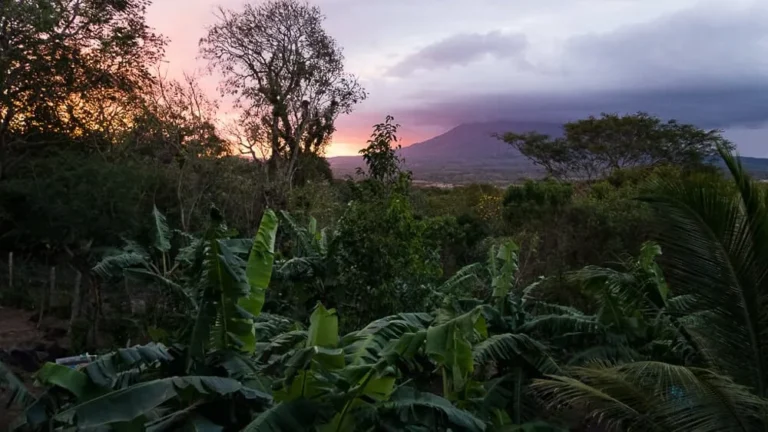
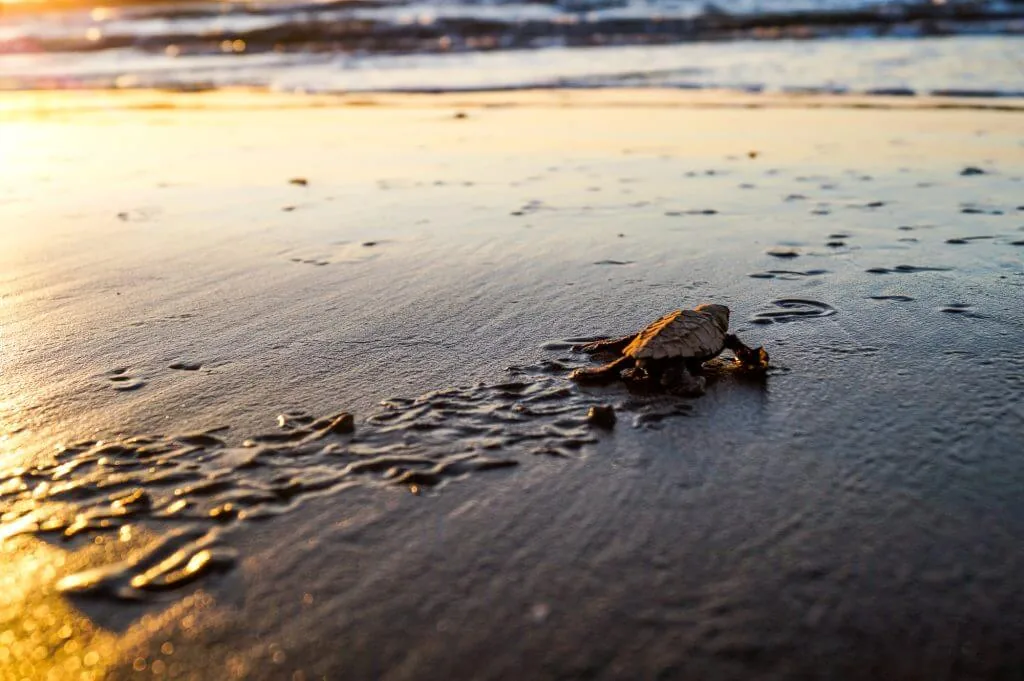
Nature in Nicaragua feels immediate and varied. Volcanoes dominate much of the landscape, from active sites like Masaya Volcano, where you can see glowing lava, to quieter volcanic terrain around Ometepe Island in Lake Nicaragua. Hiking, cycling, and boat travel are often woven into everyday movement rather than framed as “adventures.”
Further inland, forests and rural areas introduce a slower pace, with wildlife encounters that tend to be understated rather than staged. Nature experiences here work best when you allow time — short distances, long days, and plans that stay flexible.


People & everyday life in Nicaragua
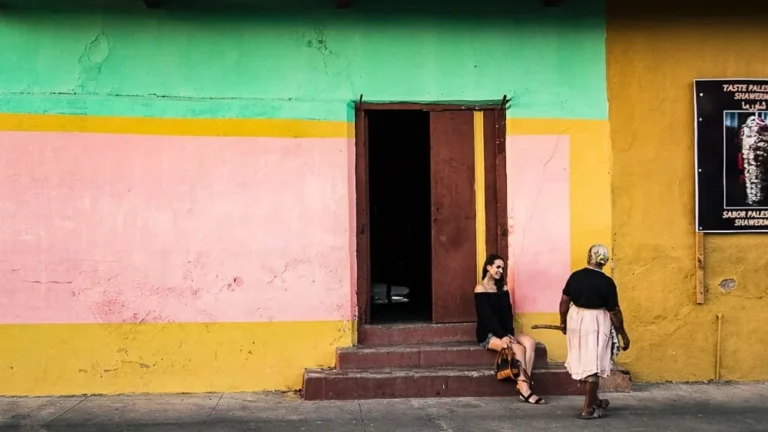
Everyday life in Nicaragua is shaped by strong regional contrasts and a noticeable sense of resilience. Spanish is spoken everywhere, and social life unfolds in markets, neighborhood streets, and small family-run businesses. Food culture is practical and familiar — simple dishes shared regularly rather than reserved for special occasions.
What stood out for us was how grounded interactions felt. Conversations were unforced, curiosity was mutual, and daily routines carried on without catering to visitors. Especially outside major hubs, it felt easy to observe and participate quietly rather than perform a version of travel.
Festivals & Happenings
Festivals in Nicaragua are closely tied to religion and local identity. Semana Santa, La Purísima in December, and town-specific patron saint celebrations bring brief moments of color, music, and collective life. Streets fill, routines pause, and community takes center stage before things return to normal.
Many of these events cluster around Holy Week and the December holiday season, making those periods livelier but also busier. Experiencing a festival here works best when approached patiently and without expectation.
Looking for a Tailor-Made Adventure?
Whether you’re dreaming of exploring hidden gems or indulging in unique experiences, we will design an unforgettable journey that fits your style and preferences. Contact us today to start planning your personalized trip!
Practical Travel Tips for Nicaragua