

Tanzania
East Africa
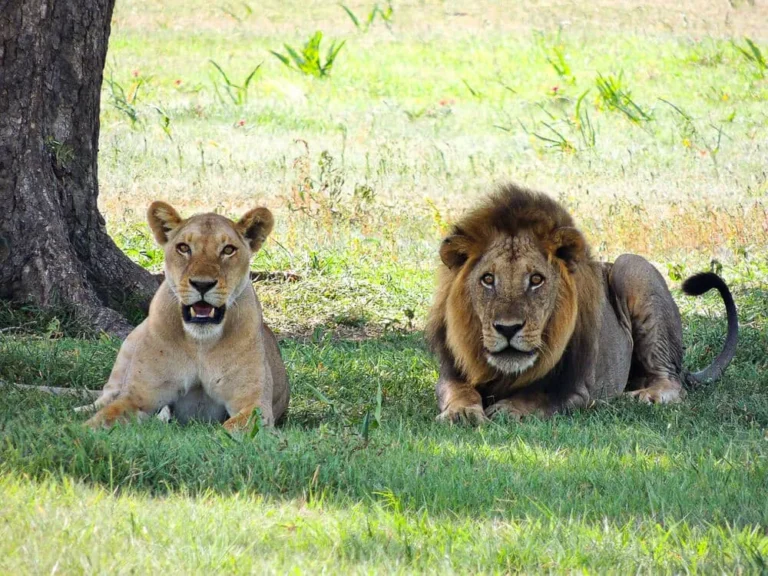
Most people come to Tanzania for two reasons: safari and the Indian Ocean. The classic northern circuit — Serengeti and Ngorongoro — delivers extraordinary wildlife experiences, and Zanzibar remains one of East Africa’s most accessible beach destinations. These places are iconic for a reason.
But Tanzania becomes far more interesting when you look beyond those highlights. The country holds remarkable variety within one journey: savannah, volcanic landscapes, soda lakes, highland farming regions, coastal Swahili culture, and inland trade routes. Few destinations offer this range without breaking into disconnected experiences.
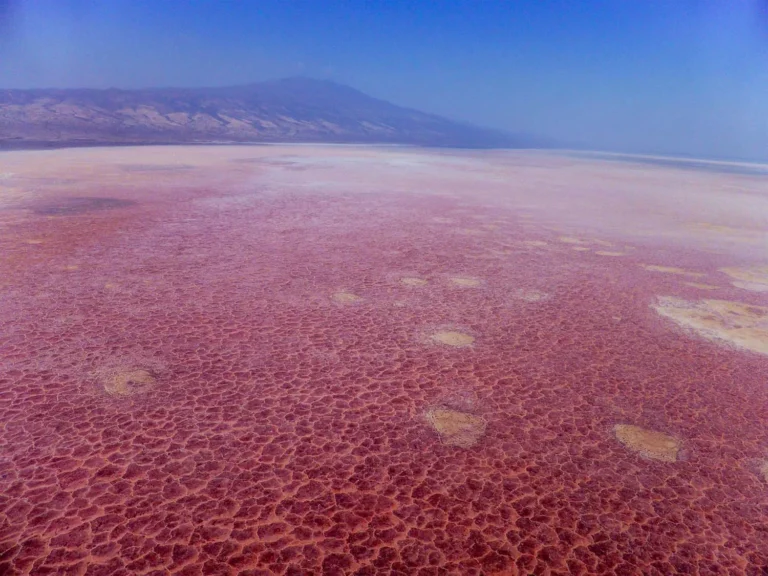
One of our personal highlights was Lake Natron, reached by long overland travel through Maasai land. It’s remote, physically demanding, and uncompromising — framed by the active volcano Ol Doinyo Lengai. This kind of travel doesn’t offer comfort or spectacle, but it offers perspective. It also makes clear how closely land, culture, and conservation are intertwined.
Why Visit Tanzania?
Tanzania is vast and deeply layered — home to more than 120 ethnic groups and over 100 languages, with landscapes that range from Big Five safari regions to soda lakes that can literally turn animals to stone, like Lake Natron. What drew me in was that contrast: highly curated wildlife experiences existing alongside everyday coastal and inland life, and cultures that are lived rather than blended into one. It’s a country that lets you move between extremes without losing context — if you give it time.


Follow me to Tanzania
Tanzania is a place I came to know by moving slowly. Time spent between cities, inland landscapes, and the coast revealed a country far more layered than its headline experiences suggest. Follow along for honest impressions, practical tips, and ideas to help you plan a Tanzania trip that balances iconic moments with deeper, everyday encounters.
Beaches in Tanzania
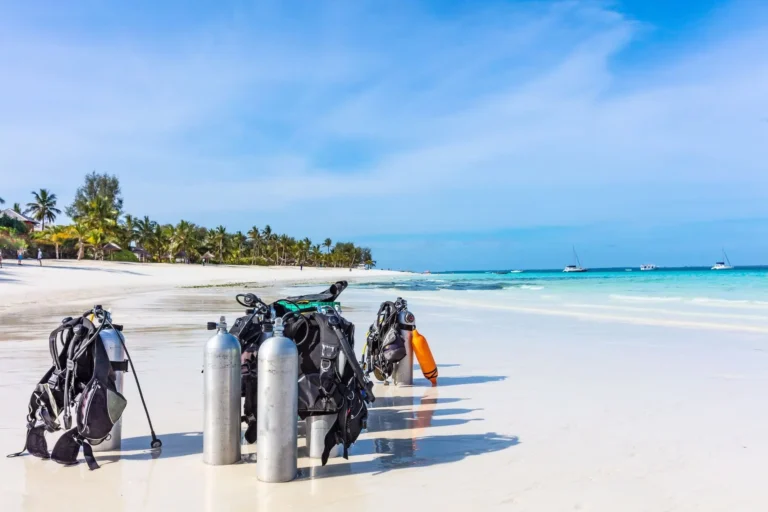
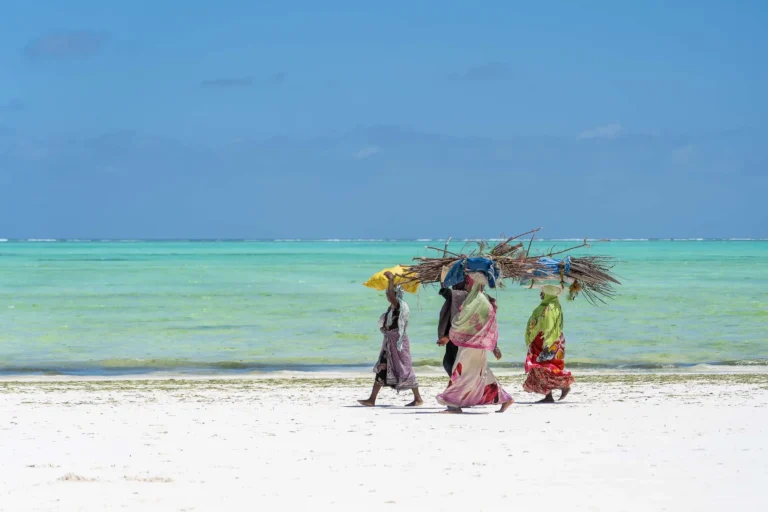
Tanzania’s beaches are not a single experience. Even within Zanzibar, conditions vary dramatically by coast — tides, wind, swimming, and daily rhythm change from place to place. Choosing where to stay matters more than choosing a specific beach.
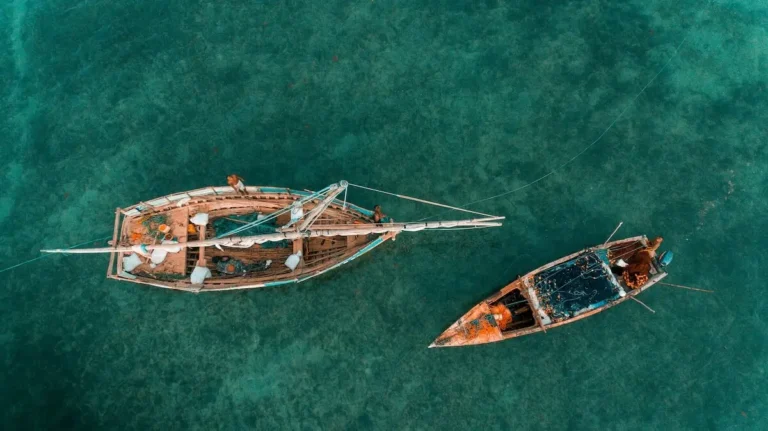
Beyond Zanzibar, Mafia Island offers a quieter, marine-focused alternative, with strong conservation efforts around reefs and whale sharks. The mainland coast feels more local again — less polished, less developed, and closely tied to fishing villages and everyday routines.
Beaches in Tanzania work best as contrast, not as an endpoint — paired with inland travel rather than isolated from it


City life in Tanzania
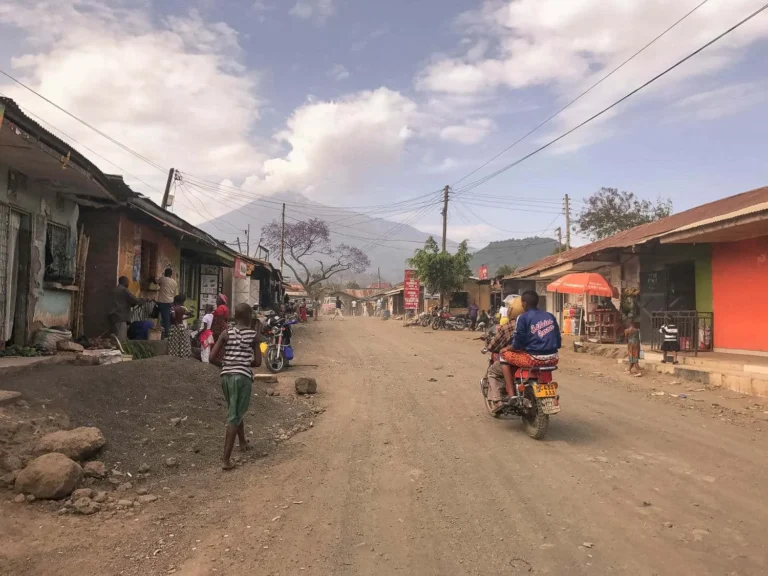
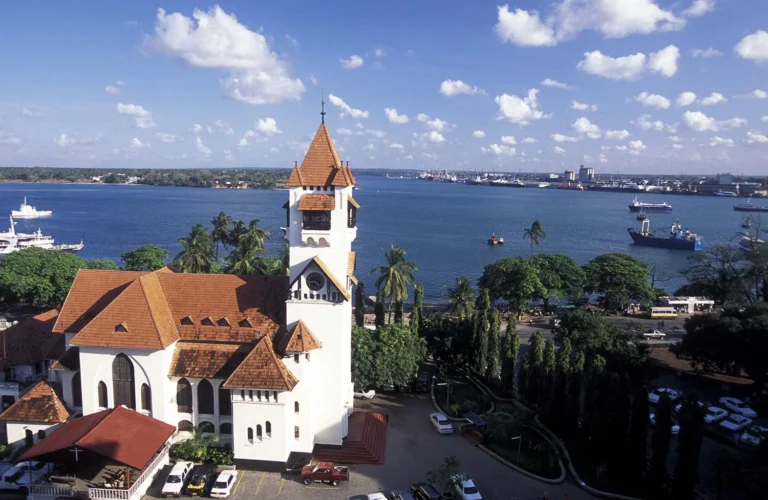
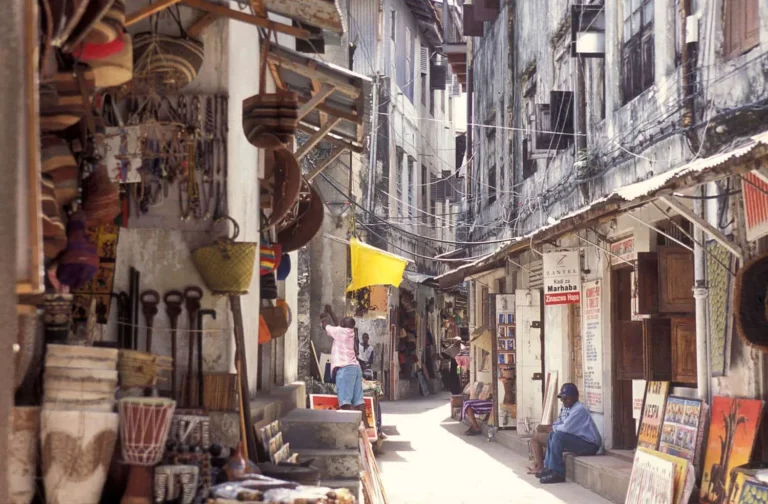
Tanzania’s cities show a side of the country that often gets overshadowed by safaris and beaches. Arusha feels like the natural starting point for the northern safari circuit, but it also has its own rhythm of markets, cafés, mountain views, and everyday movement beneath Mount Meru. Dar es Salaam is bigger, warmer, and more chaotic — a coastal city of traffic, Swahili culture, street food, music, and Indian Ocean energy. And then there is Stone Town, where Zanzibar’s history feels closest: carved doors, narrow alleys, spice trade stories, rooftop views, and layers of African, Arab, Indian, and European influence. Together, they make Tanzania feel less like a checklist destination and more like a country with many different stories to enter.


Nature adventures in Tanzania
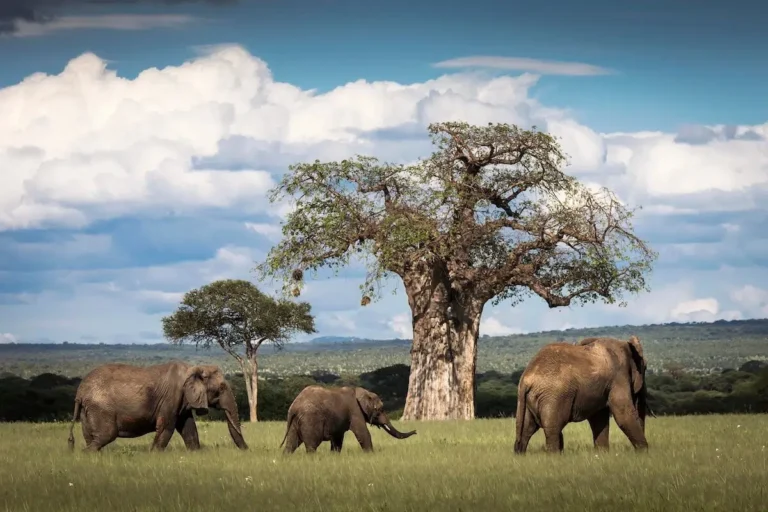
Safari regions like the Serengeti, Ngorongoro, and Tarangire are highly structured, and that organization is what makes wildlife viewing possible at scale. These experiences are powerful, but they also exist within a managed tourism system that can feel detached from everyday life.
Away from those hotspots, nature feels far more immersive. Volcanic highlands, lakes, birdlife, and walking landscapes add depth — especially when combined with time on foot or overland travel. Tanzania offers more than game drives, but accessing that variety requires time, patience, and intention.
Sustainable tourism here is complex. Conservation brings funding and protection, but it also raises questions around land use, access, and who benefits. Traveling responsibly means choosing operators and routes that acknowledge those realities rather than ignoring them.


People & everyday life in Tanzania
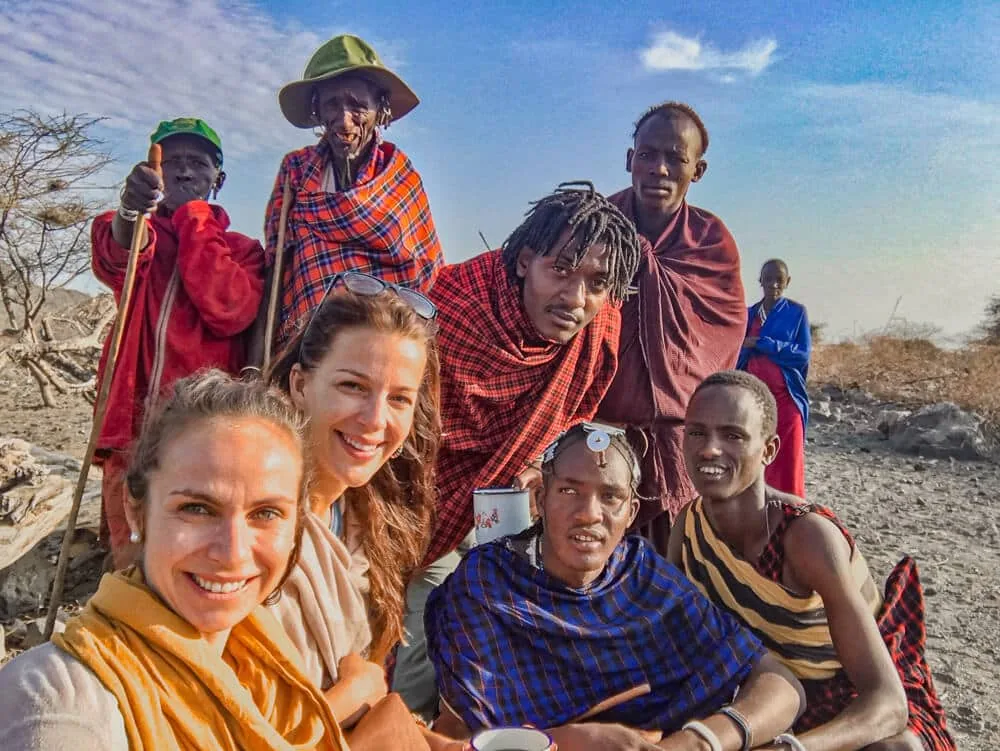
Tanzania is one of Africa’s most ethnically diverse countries, with over 120 groups shaping regional life. Maasai, Chagga, Sukuma, Hadza, and many others influence land use, farming, language, and social structure depending on where you are.
Some cultural expressions — such as Maasai dress or dances — are sometimes presented for visitors. These moments can be meaningful, but they also sit within more complicated realities around representation, tourism, and economic pressure. Culture here is not static or performative; it’s negotiated daily.
Religion adds another layer. Islam shapes the coast and islands, Christianity is widespread inland, and Indigenous belief systems continue quietly alongside both. Learning basic Swahili made a noticeable difference for me — interactions became warmer, logistics easier, and travel less transactional.


Festivals & Happenings
Public life in Tanzania is shaped by religious and agricultural calendars. Eid affects travel rhythm along the coast and Zanzibar, while Christian holidays are widely observed inland. Events like Sauti za Busara in Zanzibar highlight contemporary East African music rather than tradition alone, and Nane Nane (Farmers’ Day) reflects the central role of agriculture.
Some of the most revealing moments aren’t festivals at all — weddings, market days, community gatherings — where daily life opens briefly to outsiders without being staged.
Looking for a Tailor-Made Adventure?
Whether you’re dreaming of exploring hidden gems or indulging in unique experiences, we will design an unforgettable journey that fits your style and preferences. Contact us today to start planning your personalized trip!
Practical Travel Tips for Tanzania