Leon, Nicaragua: barrio Sutiavia

Morocco

North Africa
  • November – April
  • April- November

Morocco brings together Atlantic beaches, desert landscapes, mountain ranges, and centuries-old cities in a way few countries do. Travel often favors atmosphere over speed — winding mountain roads, desert routes, and labyrinthine medinas shape the rhythm of moving through the country.
Places like Marrakech and Essaouira are well developed for visitors, while many smaller towns and mountain villages remain quieter and closely tied to local life. Accommodation ranges from traditional riads and family-run guesthouses to stylish boutique hotels and desert camps. Morocco suits you if you enjoy contrast, strong cultural identity, and places where history and everyday life remain closely intertwined.

Why Visit Morocco?

Morocco is large in scale — around 37 million people across 710,000 km² — yet remarkably diverse, making it easy for you to move between medinas, mountains, desert landscapes, and Atlantic beaches, often within a single journey.

Follow me to Morocco

Morocco is a country I’ve returned to several times. Across different visits, I’ve experienced it at different paces — wandering through medinas, traveling across the Atlas Mountains, and spending time along the coast — and it continues to reveal new layers. Follow along for honest impressions, practical tips, and ideas to help you plan a trip to Morocco.
Beaches in Morocco

Beaches in Morocco feel diverse and shaped by the character of each region rather than by large-scale resort development. Along the Atlantic coast, towns like Essaouira combine long sandy beaches with fishing harbors, strong winds, and a laid-back atmosphere that attracts surfers, kitesurfers, and travelers who enjoy coastal walks and sea views.

Further south, places such as Taghazout and Imsouane are known for surf culture and long open beaches where the rhythm of the day revolves around the ocean. In contrast, parts of the Mediterranean coast near Al Hoceima or Saïdia offer calmer waters and smaller coves.

Morocco’s beaches suit you if you enjoy coastlines shaped by fishing towns, surf culture, and Atlantic scenery rather than classic resort beach life.

Nature adventures in Morocco

Nature in Morocco is defined by dramatic contrasts and wide landscapes. The Atlas Mountains offer hiking through valleys, cedar forests, and Amazigh villages, while the Sahara Desert reveals vast dunes, rocky plateaus, and night skies far from city lights. Along the coast, the Atlantic brings surf, cliffs, and open beaches, while inland areas such as Todra Gorge and the Dades Valley offer striking rock formations and desert scenery. Adventure in Morocco often means moving between mountains, desert, and coast within a single journey.

Talassemtance national park
Akchour

People & everyday life in Morocco

People shape Morocco as much as its landscapes. The country’s population reflects a mix of Amazigh (Berber), Arab, and African influences, expressed through language, food, architecture, and daily traditions. In the Atlas Mountains and rural regions, Amazigh communities maintain strong cultural identities, while cities reflect centuries of trade and exchange across the Mediterranean and Sahara. Moving through Morocco often means moving between cultural settings, where languages, meals, and traditions shift naturally from mountain villages to desert towns and historic medinas.

Cities to visit

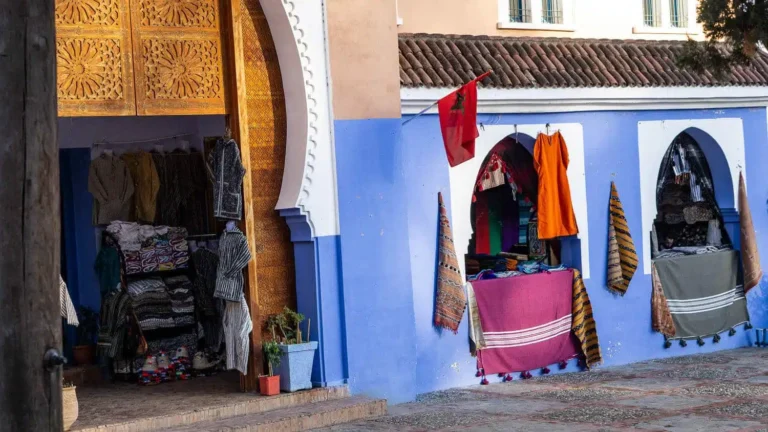
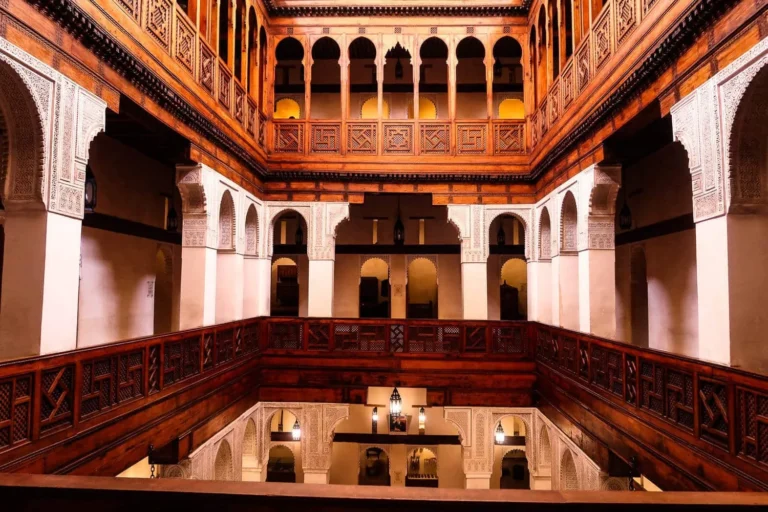
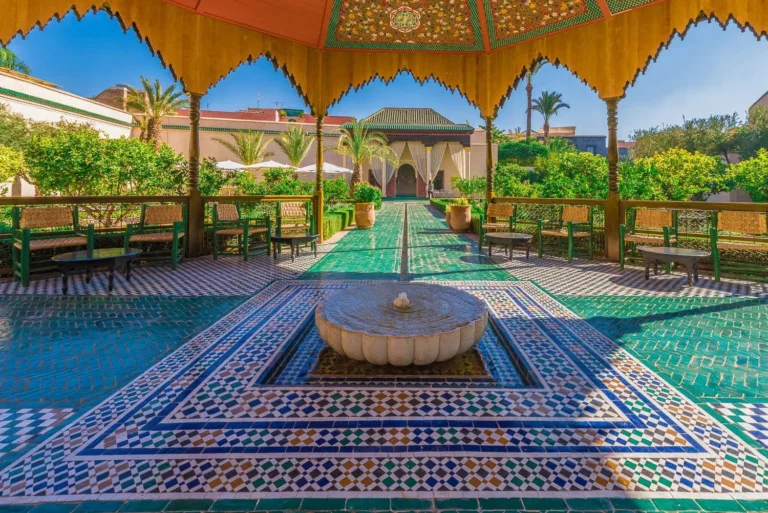
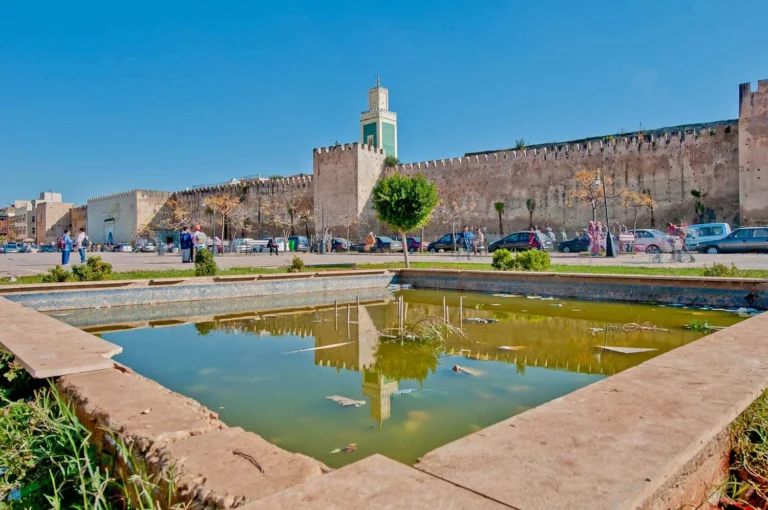
Morocco’s cities are some of the most distinctive in North Africa, shaped by centuries of trade, empire, and cultural exchange. Marrakech, Fes, Meknes, and Rabat — the historic imperial cities — are known for their medinas, palaces, mosques, and lively souks. Along the coast, places like Essaouira and Tangier feel more relaxed, influenced by maritime history and international connections. Moving between Moroccan cities often means shifting between labyrinthine old quarters and modern urban life, where historic architecture, markets, and cafés remain central to daily rhythms.

Cavalerio church in Leon, Nicaragua
background
Granada, Nicaragua: dani in front of church

Looking for a Tailor-Made Adventure?

Whether you’re dreaming of exploring hidden gems or indulging in unique experiences, we will design an unforgettable journey that fits your style and preferences. Contact us today to start planning your personalized trip!

Practical Travel Tips for Morocco

Morocco has several languages. Arabic and Amazigh (Berber) are official languages, while French is widely used in business, education, and tourism.
In tourist areas, many people also speak English and Spanish, particularly in hotels, restaurants, and shops.

The local currency is the Moroccan Dirham (MAD). Morocco is still largely a cash-based society, particularly in markets, smaller restaurants, and taxis.

ATMs are widely available in cities and tourist areas, but it’s helpful to carry smaller bills for souks, cafés, and local shops.

Getting around Morocco is relatively easy thanks to a well-developed train and bus network connecting major cities such as Marrakech, Casablanca, Rabat, and Fes. Trains are comfortable and reliable, especially for travel along the main north–south corridor.

Within cities, petit taxis are commonly used for short distances, while buses and trains connect longer routes. For exploring mountain areas, desert regions, or smaller towns, renting a car or arranging a driver can make travel more flexible.

Morocco is generally considered one of the safer destinations in North Africa, and millions of visitors travel here every year without problems.

In busy tourist areas — especially in medinas — you may encounter persistent sellers or unofficial guides offering help. A polite but firm “no thank you” is usually enough. As in any destination, keep an eye on personal belongings in crowded areas.

he best time to visit Morocco is during spring (March–May) and autumn (September–November), when temperatures are comfortable across most of the country. These months are ideal for exploring cities like Marrakech and Fes, hiking in the Atlas Mountains, and visiting the Sahara Desert without extreme heat.

Summer (June–August) can become very hot inland, especially in Marrakech, Fes, and desert regions, where temperatures often exceed 40°C (104°F). Coastal towns such as Essaouira, Taghazout, and Agadir remain more comfortable thanks to Atlantic breezes.

Winter (December–February) brings cooler weather and occasional snow in the High Atlas Mountains, while desert nights can become surprisingly cold. Cities are still pleasant to visit, with fewer crowds and mild daytime temperatures.

Overall, spring and autumn offer the best balance of weather, comfort, and travel conditions across Morocco.

Tap water in Morocco is generally treated, but most travelers prefer bottled or filtered water to avoid stomach issues.

If you want to reduce plastic waste, a UV self-cleaning water bottle can be a useful alternative, allowing you to safely refill water during your trip.

Morocco is a predominantly Muslim country, and Islam plays an important role in daily life, traditions, and holidays. The call to prayer is heard throughout cities and towns, and major celebrations such as Ramadan and Eid shape the rhythm of the year.

Visitors are welcome, but it’s respectful to dress modestly when visiting religious sites or smaller towns.

Morocco is a predominantly Muslim country, and Islam plays an important role in daily life, traditions, and holidays. The call to prayer is heard throughout cities and towns, and major celebrations such as Ramadan and Eid shape the rhythm of the year.

Visitors are welcome, but it’s respectful to dress modestly when visiting religious sites or smaller towns.

Supporting locally owned riads, guides, and small businesses helps ensure tourism benefits local communities.
Taking the time to explore beyond the most famous sights — whether visiting smaller towns, markets, or mountain villages — often reveals a richer and more authentic side of Morocco.Respect & curiosity

No, visitors are not required to cover their hair in Morocco. Morocco is a Muslim-majority country, but dress codes are generally relaxed, especially in cities and tourist areas. Many Moroccan women choose to wear a headscarf, while others do not. As a visitor, dressing modestly — covering shoulders and knees in cities, markets, and rural areas — is appreciated, but a headscarf is not expected.How to be a fair visitor in Morocco.

In practice, most hotels and riads that cater to international visitors allow unmarried couples to stay together. Moroccan law technically restricts unmarried Moroccan couples from sharing a hotel room, but this rule is rarely applied to foreign tourists. Large hotels and tourist-oriented accommodations are generally accustomed to international guests.

Morocco can be a rewarding destination for solo female travelers, especially with some preparation. Cities such as Marrakech, Fes, and Essaouira are used to international visitors, and many women travel independently throughout the country.
However, you may occasionally experience unwanted attention or persistent comments, particularly in busy markets or medinas. Dressing modestly, walking confidently, and ignoring persistent offers usually helps. Many solo travelers find Morocco welcoming once they become familiar with the rhythm of the country.

Leon, Nicaragua: Cerro Negro