

The Gambia
WEst America
The Gambia is easy to underestimate. Small and narrow, it follows the course of the Gambia River, which shapes everything from mangrove-lined waterways to inland farming villages. Most visitors arrive along the Atlantic coast around Kololi and Kotu, where long beaches and small hotels form the country’s main tourism area.
Beyond the coast, the country quickly feels more local — with fishing villages, busy markets, and rich birdlife along the river. Travel distances are short, but the pace remains slow.
At the same time, parts of the coastal tourism strip have a visible sex tourism scene, which I personally found uncomfortable and difficult to ignore. While it reflects deeper economic realities, it does not define the country as a whole.
The Gambia suits travelers who value river landscapes, cultural encounters, and destinations that still feel largely unpolished by tourism.
Why Visit The Gambia?
The Gambia is small in scale — just over 2.5 million people in a narrow country shaped by one river — yet surprisingly diverse. Within short distances, you can move from Atlantic beaches to mangrove wetlands, lively markets, and quiet riverside villages. With English as the official language and a culture shaped by Mandinka, Wolof, Fula, and other communities, it’s one of the most accessible introductions to West Africa.


Follow me to The Gambia
The Gambia was a place that stayed with me long after visiting. During my time there, I explored both the coastal areas and parts of the country shaped by the Gambia River, and it left me with mixed but lasting impressions. Follow along for honest observations, practical tips, and ideas to help you plan a trip to The Gambia.
Beaches in The Gambia
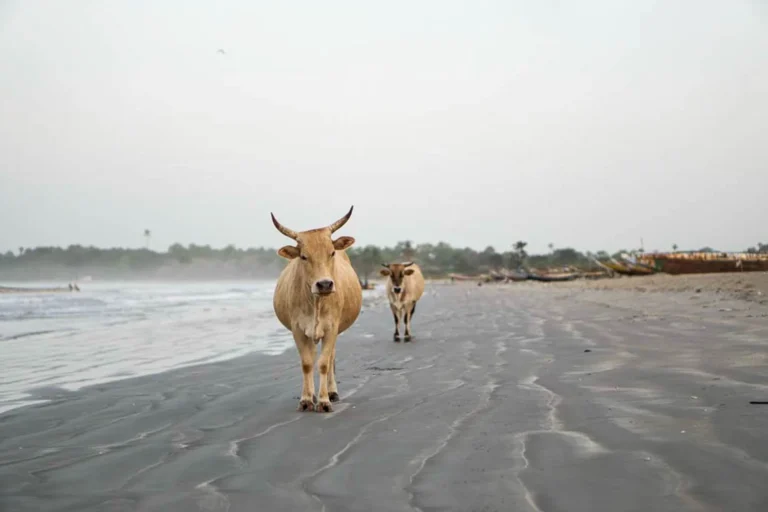
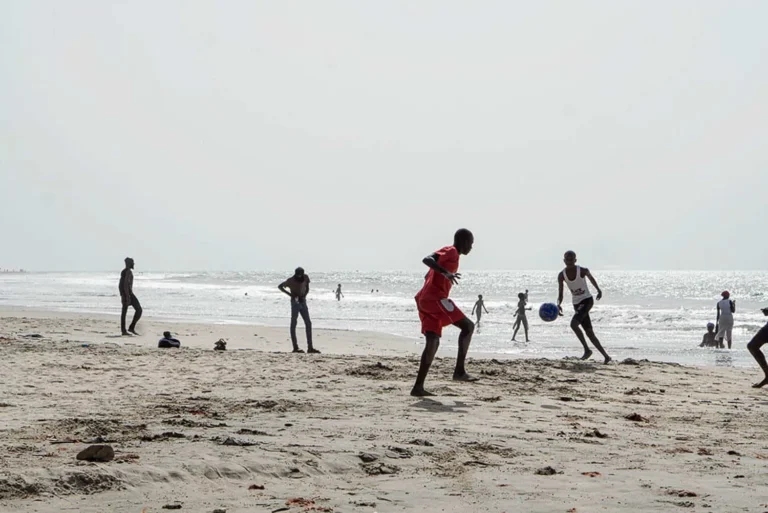
Beaches in The Gambia feel long, open, and shaped as much by daily life as by tourism. Along the Atlantic coast, areas like Kololi and Kotu offer the most developed beach access, with hotels, restaurants, and fishing boats lining wide stretches of sand. Swimming, long walks, and sunset views are easy here, and the beach stays lively throughout the day. The nearby Senegambia area is the center of the tourism scene and also where the country’s visible sex tourism is most noticeable.
Further south, places like Sanyang feel quieter and more local. The beach is part of everyday life — fishermen bringing in their catch, small food stalls, and the well-known Tanji Fish Market nearby, where colorful boats land their daily haul and smokehouses process fish along the shore.


Nature adventures in The Gambia
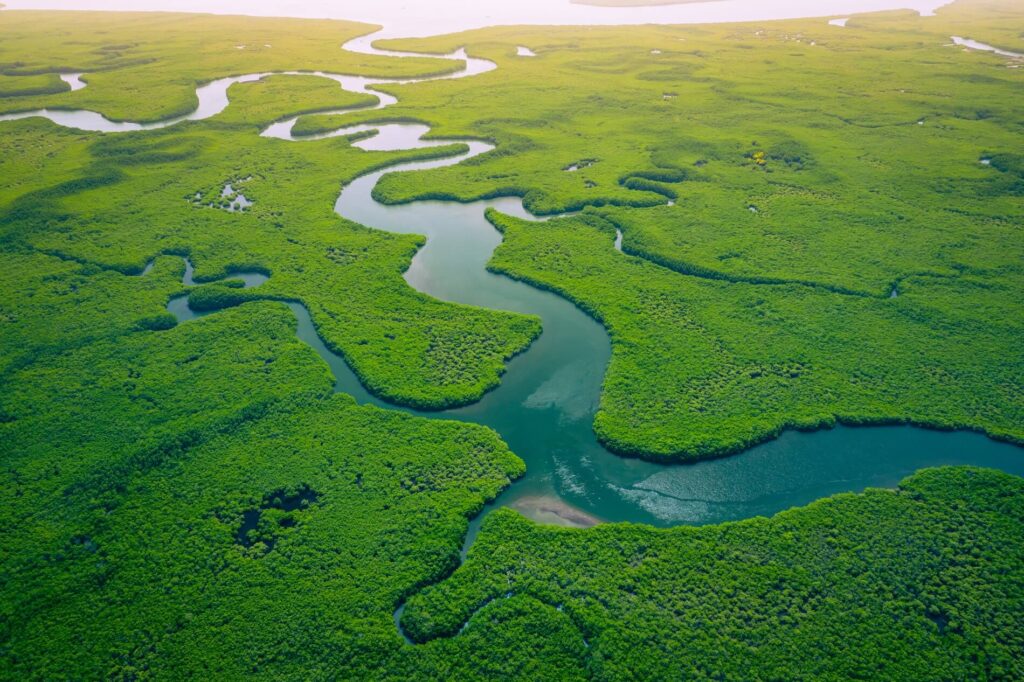
Nature in The Gambia is closely tied to the Gambia River, which shapes much of the country’s landscape and wildlife. Mangrove forests, wetlands, and riverbanks support a remarkable variety of birdlife, making the country one of the easiest places in West Africa for birdwatching.
Closer to the coast, small reserves such as Abuko Nature Reserve and Bijilo Forest Park offer accessible glimpses of monkeys, reptiles, and forest habitats, while boat trips along the river reveal fishing villages, mangroves, and occasional wildlife along the shoreline.


People & everyday life in The Gambia
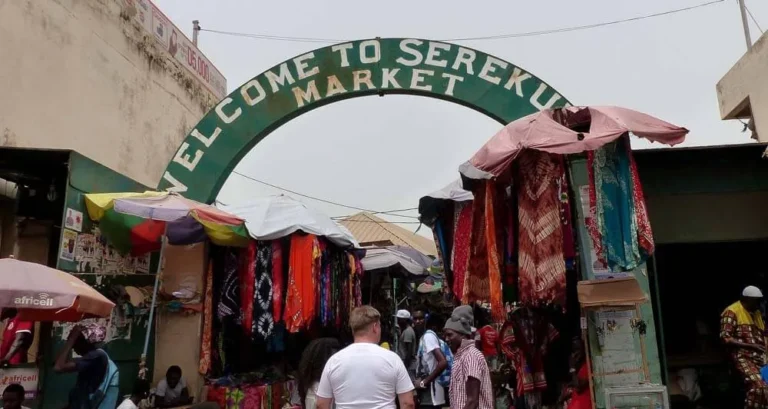
People shape The Gambia as much as its landscapes. A small population brings together Mandinka, Wolof, Fula, Jola, and Serahule communities, each influencing language, food, music, and daily life in different ways. Markets, family compounds, and village life reveal strong traditions of hospitality and community, while Islamic customs shape the rhythm of everyday routines. Moving through the country often means moving between cultural nuances — where languages, meals, and conversations shift naturally from place to place.


Festivals & Happenings
Events in The Gambia often center around religious celebrations and community traditions. Holidays such as Koriteh (Eid al-Fitr) and Tobaski (Eid al-Adha) bring families and neighborhoods together for shared meals, new clothes, music, and visits across communities.
The Roots Homecoming Festival, inspired by the history of the transatlantic slave trade and Kunta Kinteh Island, draws members of the African diaspora back to the country through cultural events, ceremonies, and river journeys. These moments reveal The Gambia at its most social — when daily routines pause and community life moves to the foreground.
Looking for a Tailor-Made Adventure?
Whether you’re dreaming of exploring hidden gems or indulging in unique experiences, we will design an unforgettable journey that fits your style and preferences. Contact us today to start planning your personalized trip!
Practical Travel Tips for The Gambia