Ecuador
SOUTH America
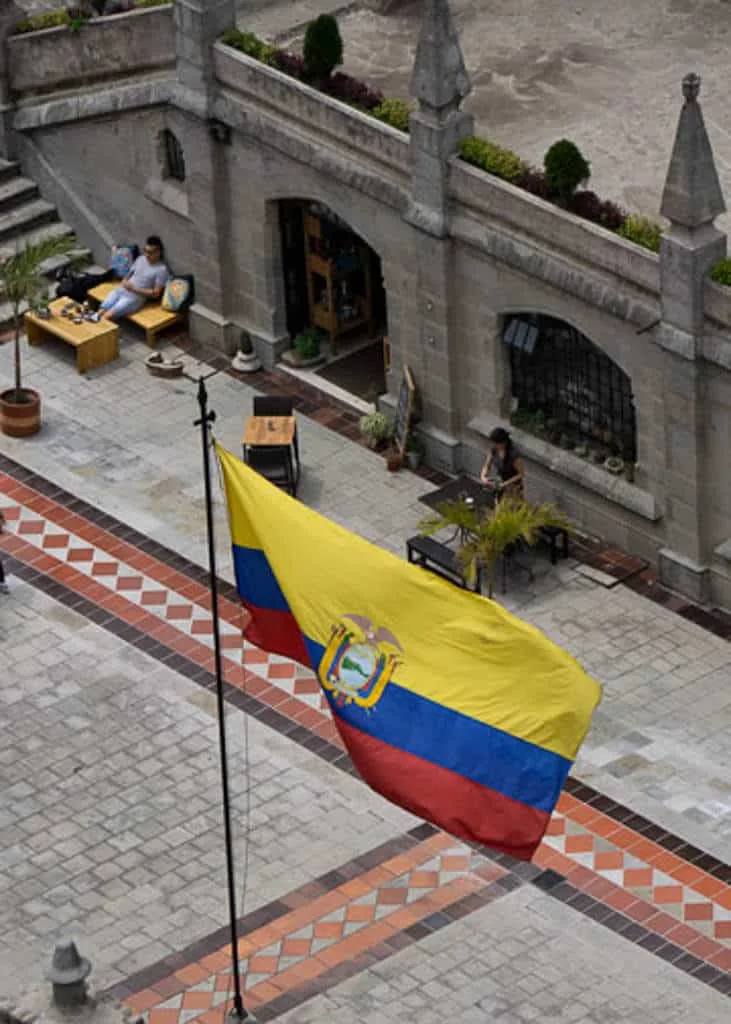
Ecuador brings Pacific coastline, Andean highlands, Amazon rainforest, and the Galápagos Islands together within a single country, but it is culture that gives these landscapes meaning.
Lauri and I have each spent months here, and daily life is shaped by Indigenous traditions, regional identities, and strong local rhythms visible in markets, festivals, and neighborhoods. Colonial cities like Quito and Cuenca anchor this diversity through architecture, food culture, and living history.
Wildlife is ever-present — from birdlife in the highlands to marine species in the Galápagos — existing alongside people rather than apart from them. While recent security concerns in parts of the country call for awareness, much of Ecuador remains grounded and community-oriented, rewarding time and attention.
Why Visit Ecuador?
Ecuador is relatively small for South America — home to about 18 million people within 256,000 km² — but remarkably dense in culture and life, where Indigenous traditions, colonial architecture, and everyday biodiversity intersect without being separated into “tourist zones.”


Follow me to Ecuador
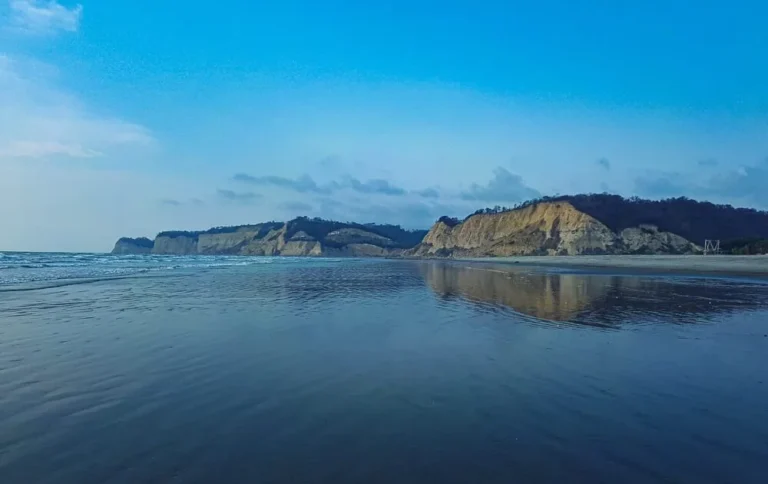
Beaches in Ecuador are shaped more by rhythm than by resort planning, and the experience varies depending on where you stay.
Beaches in Ecuador
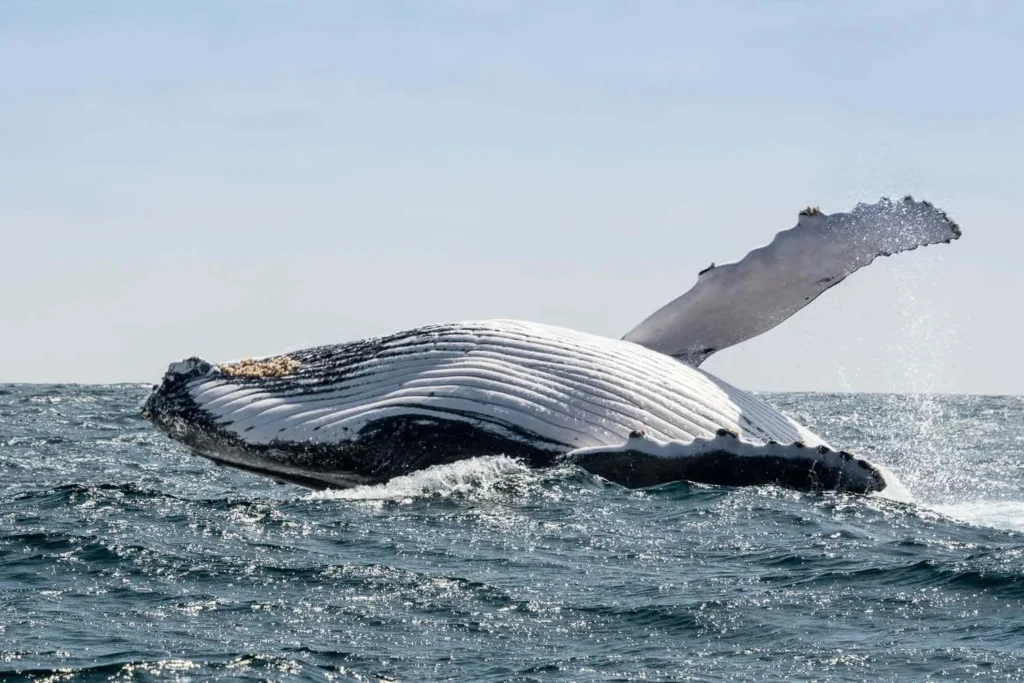
Beaches in Ecuador feel shaped by rhythm rather than resort planning, and the experience depends largely on where you go. Along the mainland coast, places like Montañita and Ayampe are known for consistent surf and relaxed coastal life, where mornings often revolve around the ocean and afternoons slow down. Further north around Puerto López, the coast feels quieter and more local, with small fishing communities and one of the country’s best areas for humpback whale watching from July to October.
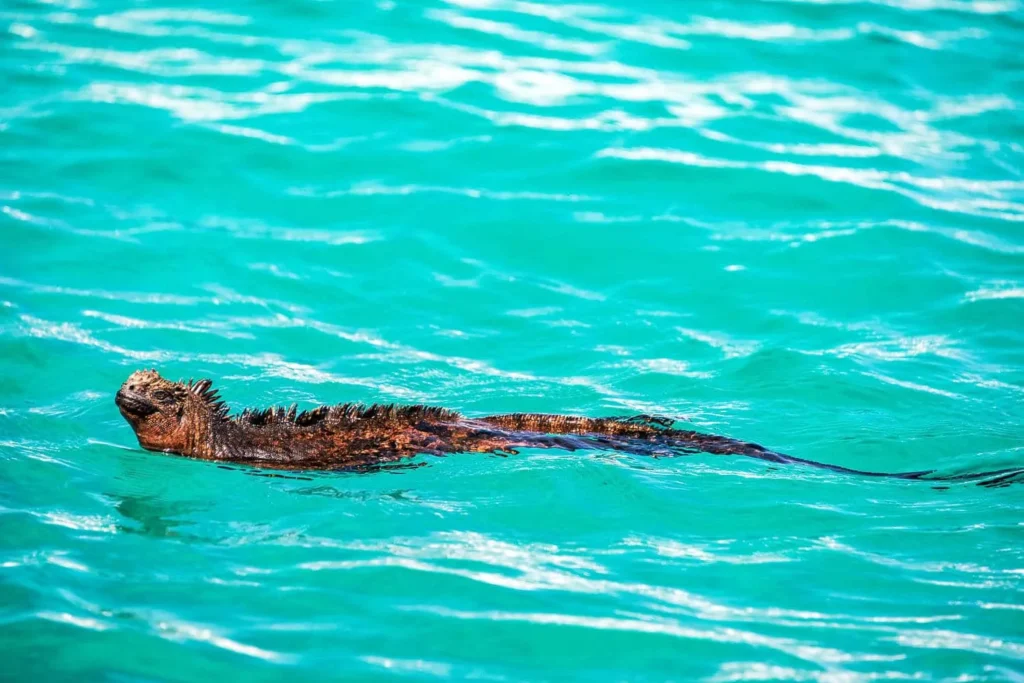
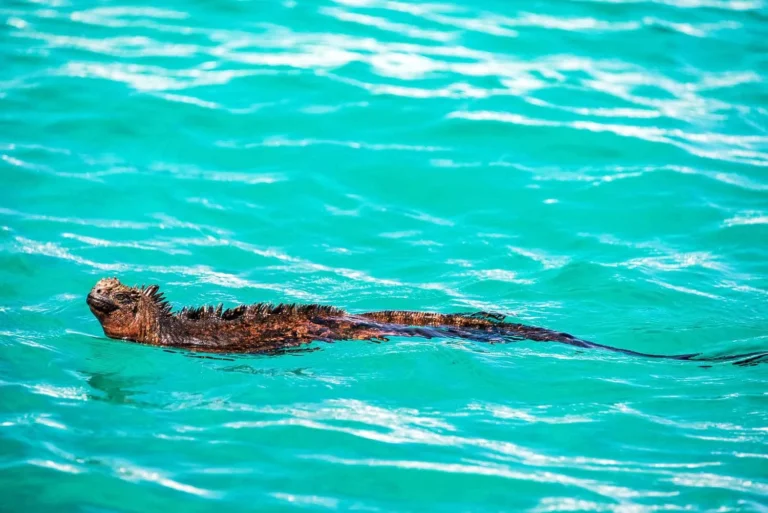
In the Galápagos Islands, beaches are less about long days on the sand and more about brief, memorable encounters. Swimming and walking often happen alongside sea lions, marine iguanas, and nesting birds, with access guided by conservation rather than convenience. Ecuador’s beaches suit you if you enjoy mixing activity with downtime — surf or wildlife in the morning, slower coastal towns in the afternoon, and travel shaped more by local rhythms than by resort scenes.


Nature adventures in Ecuador
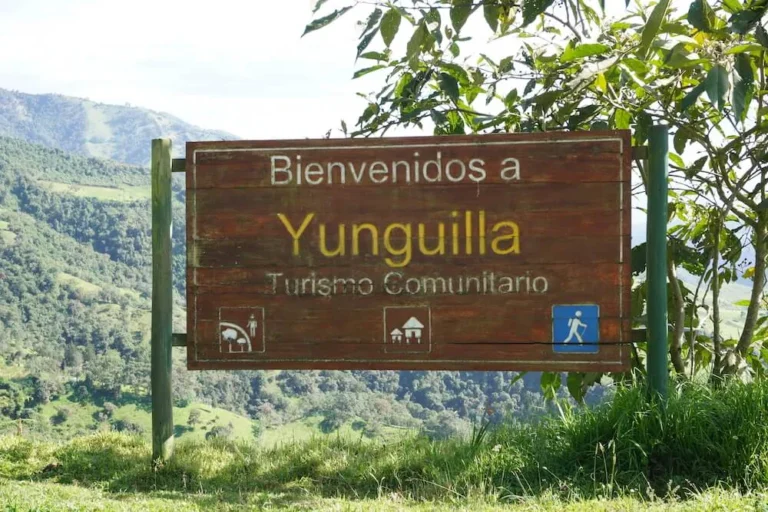
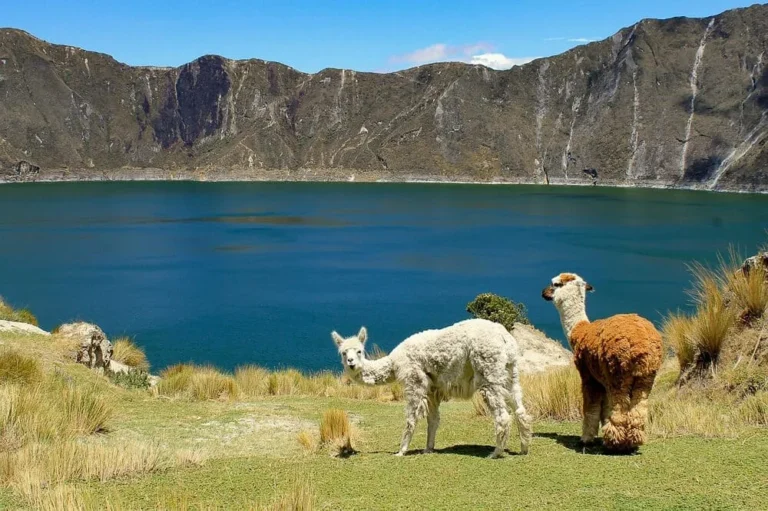
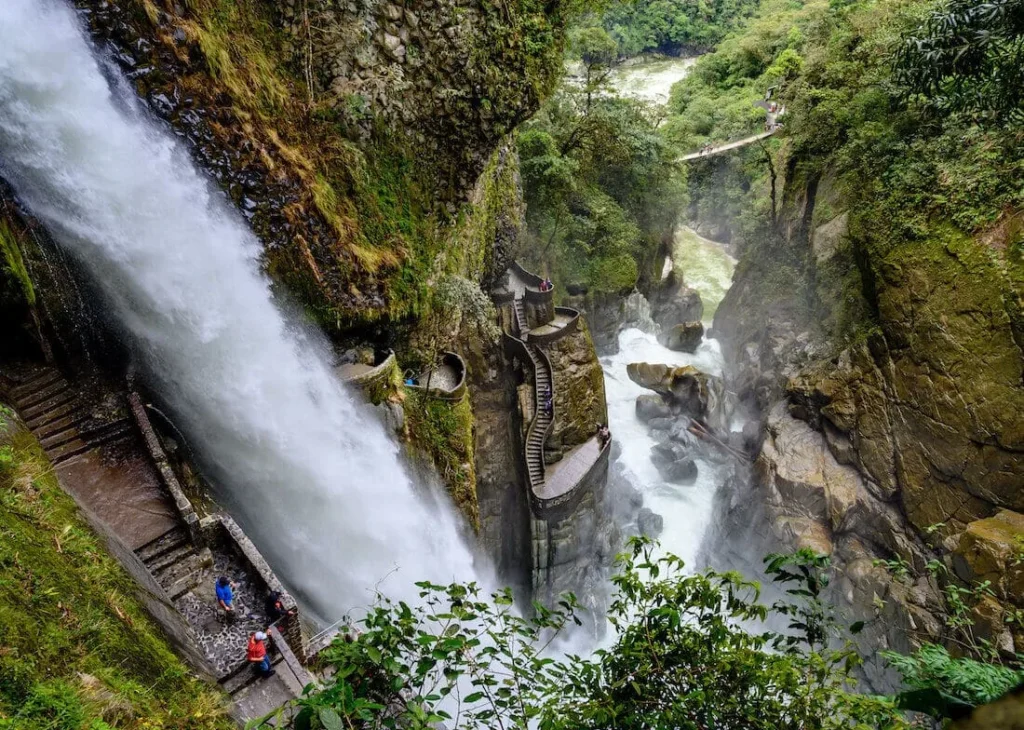
Nature in Ecuador is something we’ve come back to over time, largely because it remains closely tied to everyday life. In the Andes, hiking often means moving through highland villages and open páramo landscapes rather than purpose-built trails, with places like Cotopaxi National Park offering routes that feel approachable and varied. Around Mindo, the cloud forest reveals itself through short walks to waterfalls and frequent birdlife, making encounters feel unforced and unhurried.
Further east, the Amazon region moves at a different pace, shaped by rivers, guided forest walks, and wildlife observation led by local communities. Across the country, nature experiences tend to balance activity with stillness — mornings spent outdoors, afternoons slowing down, and a sense that the landscape sets the rhythm rather than the other way around.


People & everyday life in Ecuador
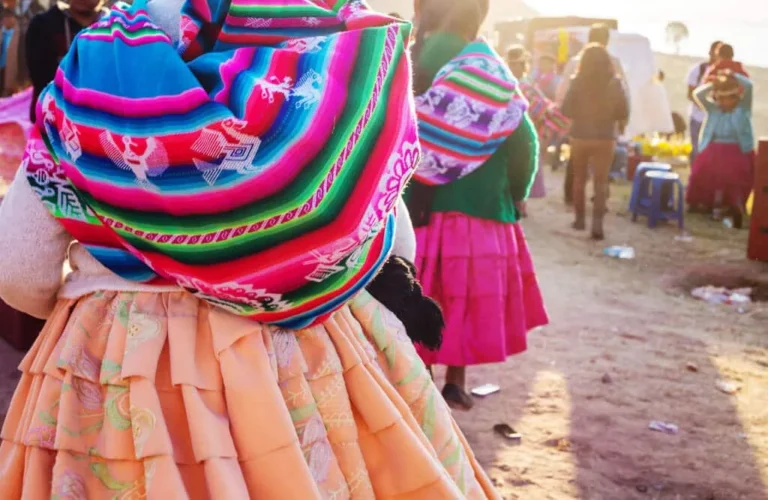
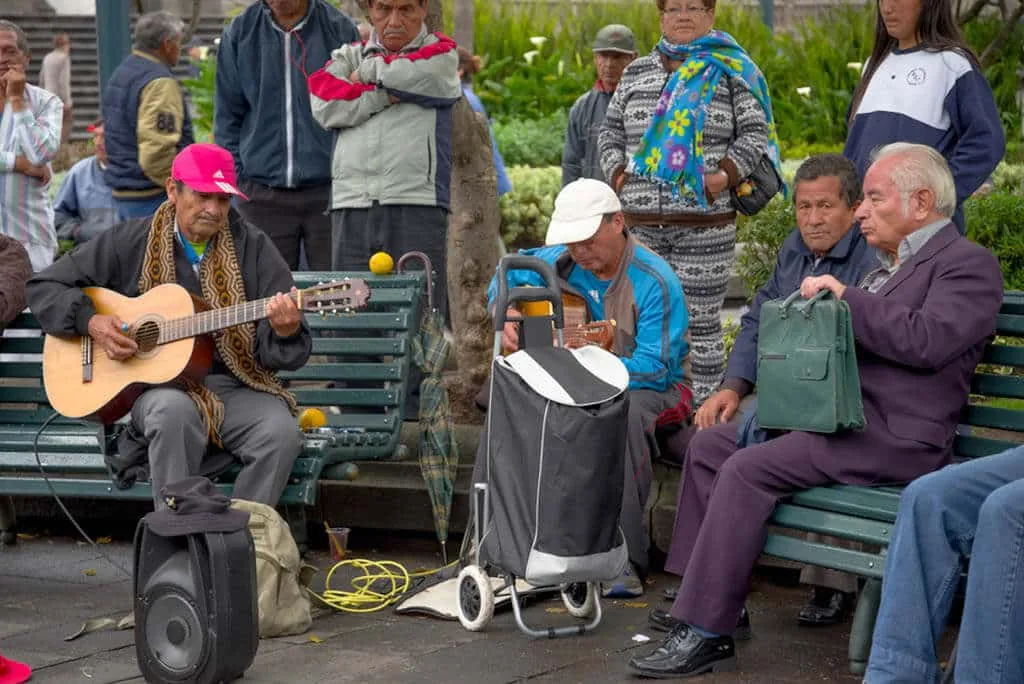
Everyday life in Ecuador is shaped by strong regional identities and a close connection between people and place. In the Andes, daily routines often center around markets, family-run shops, and community gatherings, where Indigenous traditions remain visible in language, clothing, and food culture. On the coast, Afro-Ecuadorian and mestizo communities bring a different rhythm, expressed through music, shared meals, and a more outward-facing social life tied to the sea.
Spanish is the main language you hear, often alongside Kichwa in highland and rural areas, and conversations tend to unfold at an unhurried pace. What stands out over time is how social life is woven into everyday moments — morning coffee at the same corner spot, afternoon market visits, evenings spent outside. Ecuador feels most approachable when you slow down enough to notice these patterns, where connection comes less from planning and more from presence.


Festivals & Happenings
Festivals in Ecuador are woven into community life rather than staged for visitors. In the highlands, Inti Raymi marks seasonal cycles with music, dance, and shared rituals rooted in Indigenous traditions, while Semana Santa brings processions and food-centered gatherings to cities and towns across the country. Along the coast, regional fiestas add moments of music and celebration that reflect local rhythms rather than spectacle.
These events briefly shift the pace of daily life — markets fill, streets close, and families gather — before routines settle back into place. Many celebrations cluster around June, Holy Week, and the late-year holiday season, so traveling during these periods brings added energy alongside fuller streets and accommodations.
Looking for a Tailor-Made Adventure?
Whether you’re dreaming of exploring hidden gems or indulging in unique experiences, we will design an unforgettable journey that fits your style and preferences. Contact us today to start planning your personalized trip!
Practical Travel Tips for Ecuador