

Jamaica
Caribbean
Jamaica isn’t a country you simply consume — at least not once you step outside an all-inclusive. While tourism here can be catered and à la carte, everyday life isn’t. The island doesn’t rearrange itself around visitors, and it doesn’t present a single, polished version of itself unless you choose that setting deliberately.
Moving through Jamaica means engaging with real rhythms, opinions, and routines. It can feel intense at first: louder, more direct, less filtered than many destinations. Over time, that’s what made Jamaica stay with me. The island reveals itself through repetition, relationships, and small moments that don’t fit into an itinerary. Jamaica asks more than passive travel — but what it gives back feels grounded, honest, and earned.
Why Visit Jamaica?
Compact but densely layered, Jamaica brings beaches, mountains, cities, and everyday community life close together, creating sharp contrasts within short travel distances — if you’re willing to engage beyond curated settings.


Follow me to Jamaica
Jamaica is a place I’ve returned to again and again over many years. Staying in different parts of the island — from cities and small towns to quieter rural areas — has shaped how I understand it beyond first impressions. Follow along for honest observations, practical tips, and ideas to help you experience Jamaica in a way that feels connected, intentional, and real.







Beaches in Jamaica
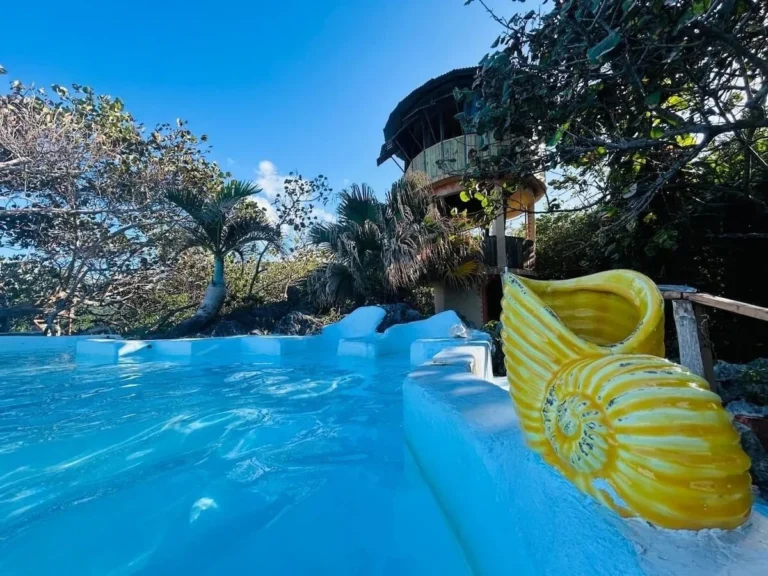
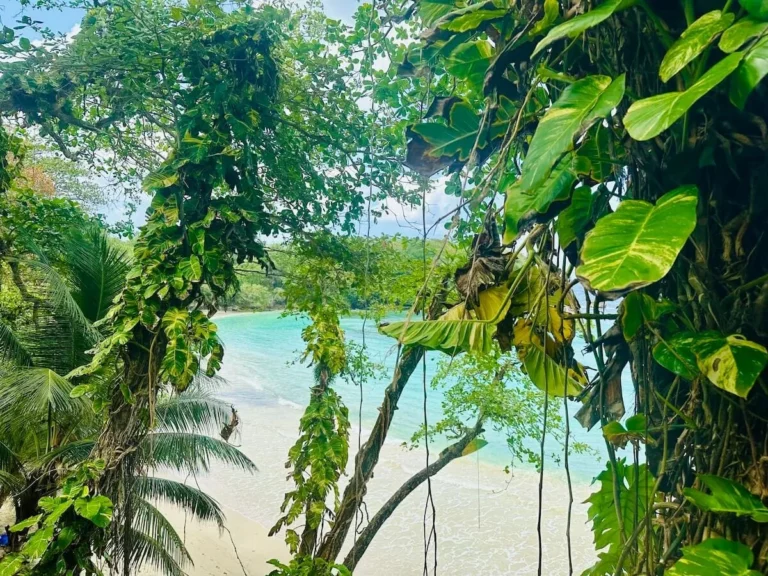
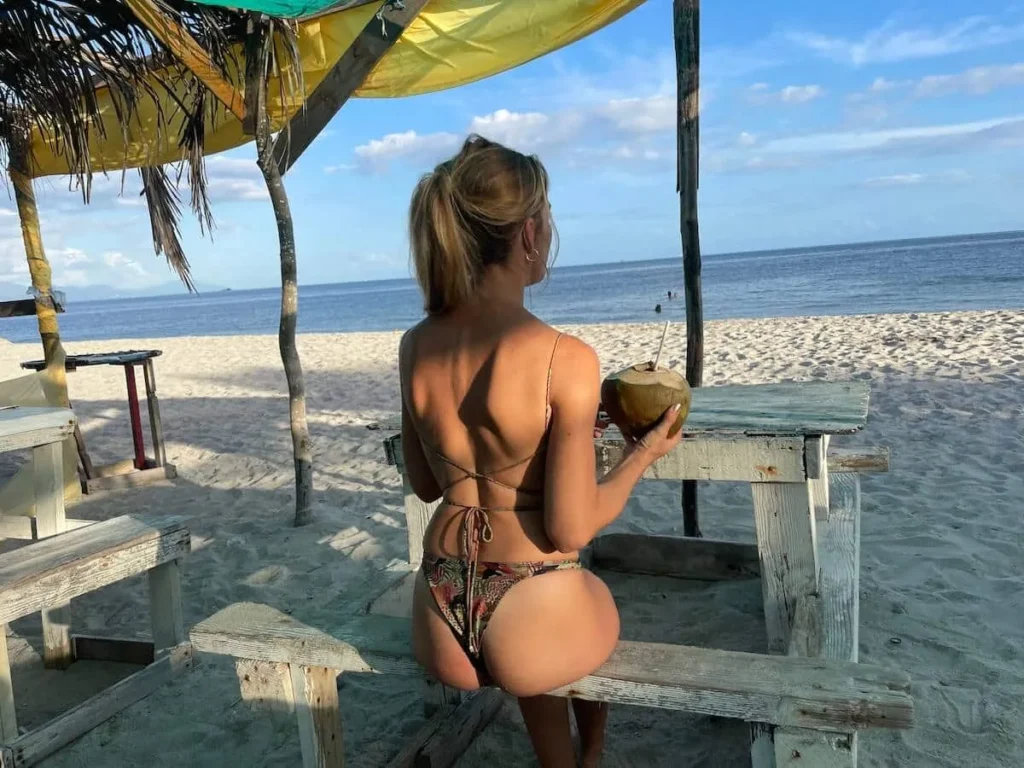
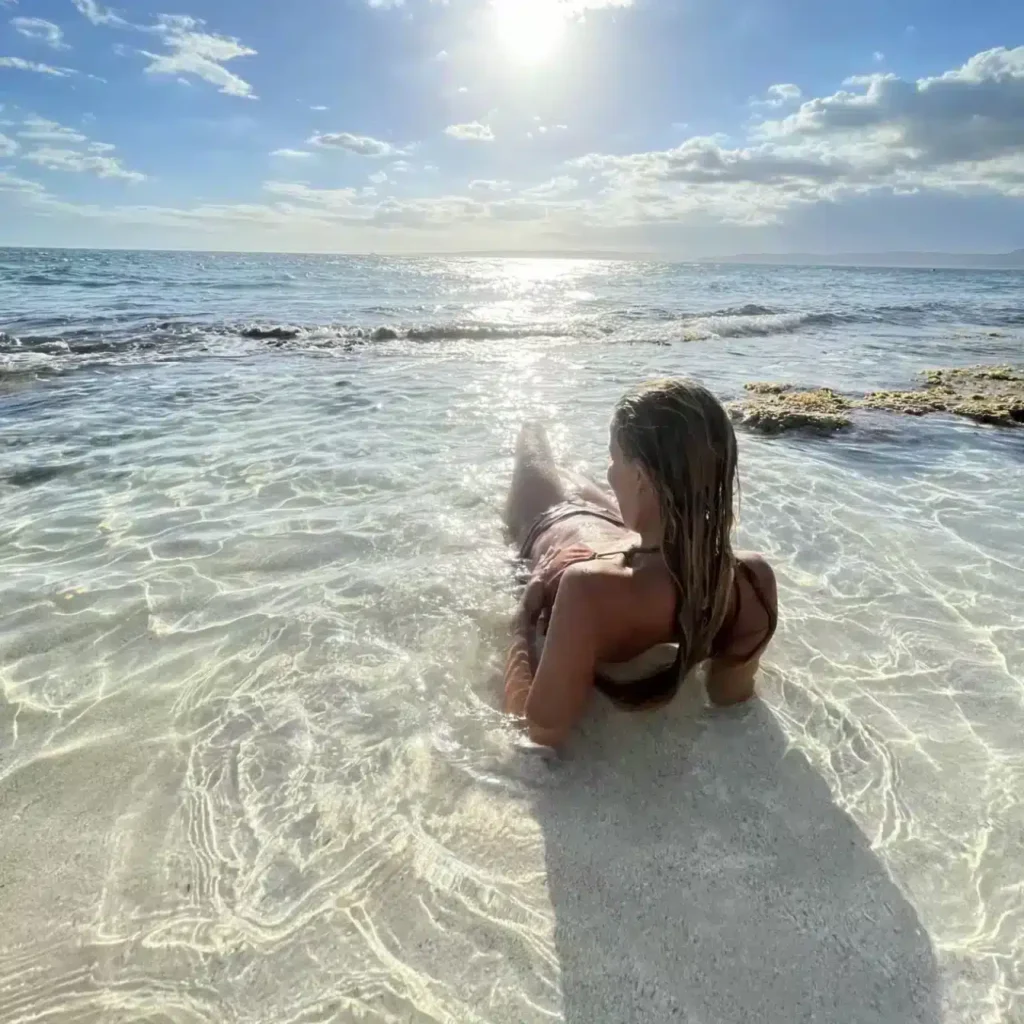
Jamaica’s coastline changes noticeably depending on where you are. Around Kingston, beaches tend to be smaller and more functional — shaped by everyday use, fishing, and city life rather than long swimming days. In Portland, the coast opens into greener bays and river-fed beaches, often calmer and more sheltered, where the landscape feels softer and more intimate.
Further west, Montego Bay and Negril are known for longer sandy stretches and clearer swimming conditions. These are also the areas where resort development is most concentrated, making access easier for visitors — but more restricted overall.
This leads to one of Jamaica’s central coastal challenges: only about 1% of the island’s beaches are officially public. Much of the shoreline is privately controlled, which limits access not just for visitors, but also for local communities whose relationship with the sea has historically been part of daily life. Beach access is a long-standing social issue on the island and shapes where and how people can use the coast.
Recent hurricanes have added another layer, reshaping parts of the shoreline through erosion and storm damage. Some beaches remain altered or temporarily inaccessible, and conditions can change quickly depending on the season.
Jamaica’s beaches are rewarding, but they work best when approached with awareness. Asking locally, choosing community-used beaches, and understanding the realities of access helps ensure that time by the sea respects both place and people.


Nature adventures in Jamaica
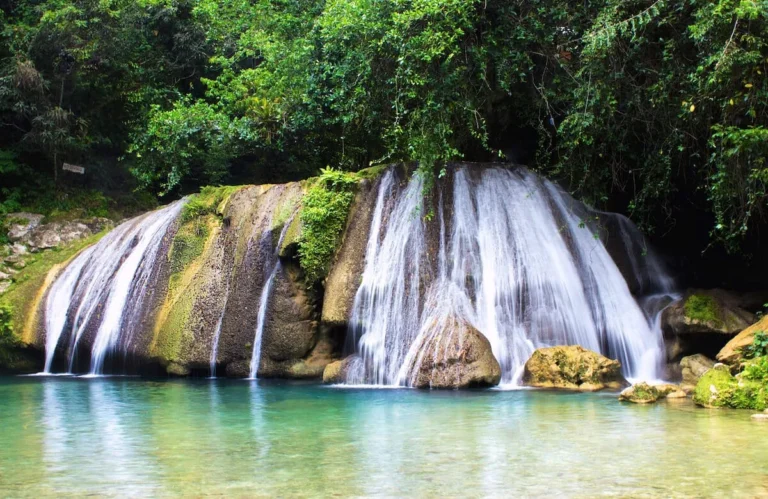
Nature in Jamaica is something I’ve encountered in between places rather than on planned outings. Rivers, forested hills, caves, and waterfalls appear close to everyday routes, often without signs or formal access. Some of the most memorable moments came from places that weren’t framed as attractions at all.
Around Spanish Town, the historic bridge and nearby river landscapes reveal how closely Jamaica’s natural and built histories overlap. Inland, Cane River Falls feels firmly rooted in local life, where swimming and conversation happen side by side. Further east, Nanny Falls stands out not just for its setting, but for its connection to Maroon resistance and survival.
These places work best when approached slowly and with local context. Access can change with weather or season, and asking before entering matters. Jamaica’s nature doesn’t ask to be consumed — it reveals itself over time, often where everyday life and landscape meet.


People & everyday life in Jamaica
Living and moving through Jamaica over time has taught me that everyday life here is built on presence. People speak directly, laugh loudly, argue openly, and expect you to engage rather than stay neutral. Patois carries much of that meaning — tone, humor, frustration, care — often more than the words themselves. You learn quickly that listening matters as much as responding.
What stays with me most is how relational everything is. Progress comes through familiarity: being known, being remembered, showing up again. Life doesn’t revolve around schedules so much as people, and once you understand that, daily interactions start to feel less chaotic and more intentional.
There’s no separating warmth from struggle. Many people are navigating real economic pressure, yet generosity, creativity, and humor remain constant. Music, food, and conversation aren’t background culture — they’re how people cope, connect, and make meaning. To understand Jamaica, you have to let all of that exist at once, without trying to smooth it into something easier.


Festivals & Happenings
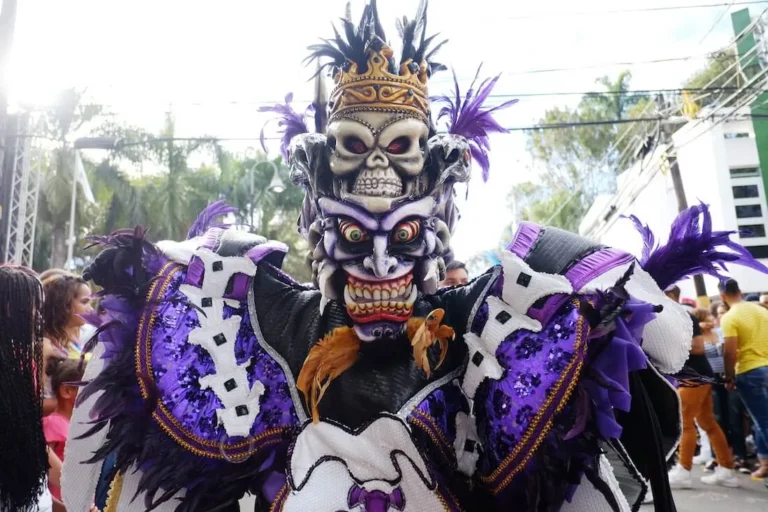
Festivals in Jamaica are tied closely to history, identity, and everyday life rather than set pieces for visitors. Carnival has grown in recent years, especially in Kingston, bringing a short burst of color, music, and movement into the city before life quickly settles back into its usual rhythm.
More deeply rooted are moments like Emancipation Day and Independence celebrations, which carry historical weight and are marked through music, public gatherings, and reflection as much as festivity. Across the island, community events, church celebrations, and local street dances appear without much notice, shaped by place and timing rather than a calendar aimed at outsiders.
What I’ve learned over time is that celebration in Jamaica isn’t always announced. It often shows up organically — a sound system setting up, a food stall staying open late, a neighborhood coming together. These moments are less about spectacle and more about continuity, offering insight into how collective life and history are kept alive.
City Life in Jamaica
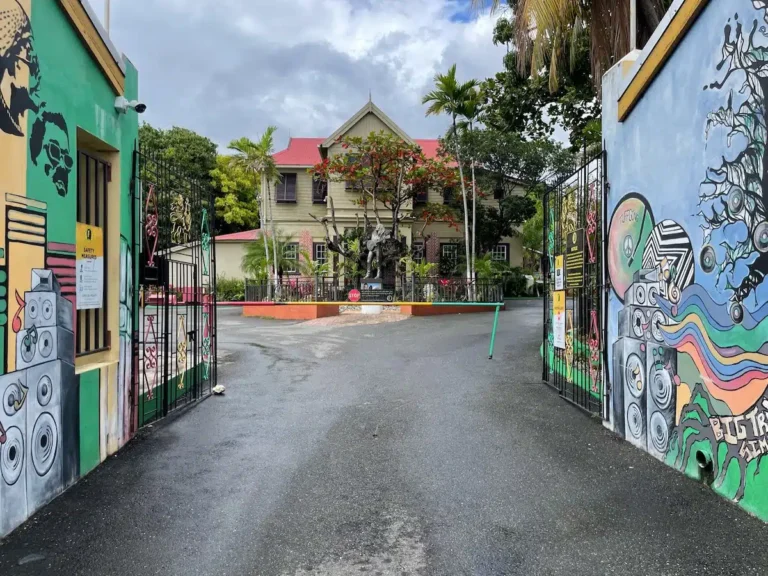
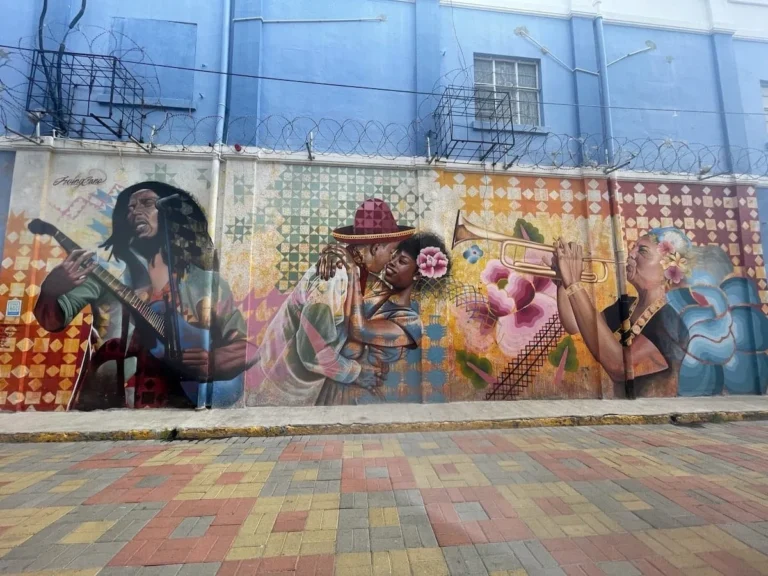
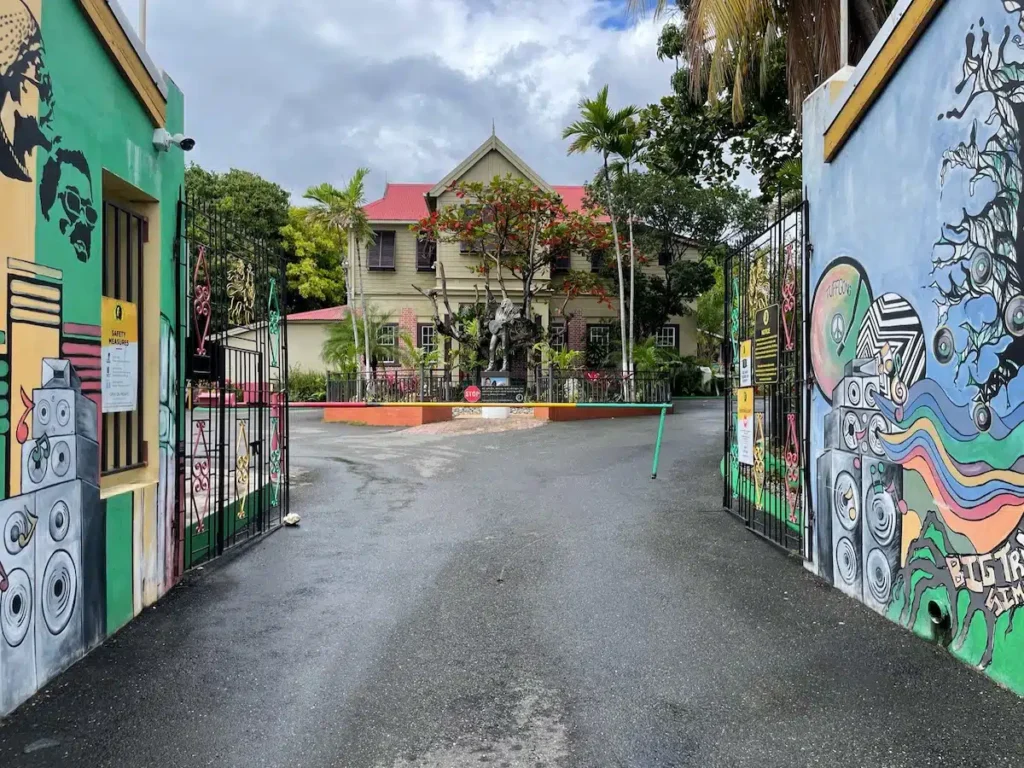
For me, Kingston is the heart of Jamaica and my favorite place to be on the island. It’s where music, politics, creativity, and everyday life collide most visibly. The city moves fast and speaks directly, and spending time there gives context to everything else in Jamaica — from how people think to how the island works beyond tourism.
Kingston isn’t polished, but it’s deeply alive. Neighborhoods, markets, studios, and street corners all carry their own rhythm, and daily routines feel purposeful rather than performative. Being there regularly has shaped how I understand Jamaica far more than time spent in any resort area.
Elsewhere, cities play different roles. Montego Bay revolves largely around tourism, while Spanish Town, once the colonial capital, holds layers of history that still shape its layout and landmarks. Smaller towns and regional centers feel practical and lived-in, places people move through for work, family, and daily needs rather than for spectacle.
Understanding Jamaica means spending time in Kingston — not to “see” it, but to let it orient you. Everything else on the island makes more sense once you do.

Looking for a Tailor-Made Adventure?
Whether you’re dreaming of exploring hidden gems or indulging in unique experiences, we will design an unforgettable journey that fits your style and preferences. Contact us today to start planning your personalized trip!
Practical Travel Tips for Jamaica