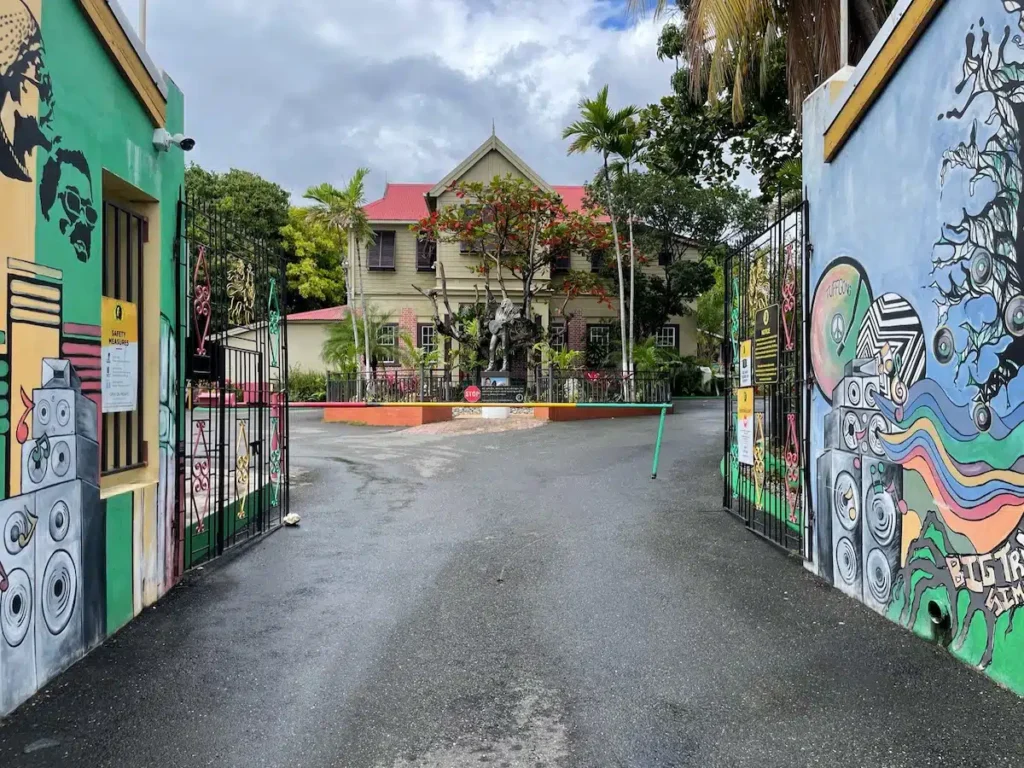
Daytrips
KINGSTON
Escape the Hustle, Discover Authentic Jamaica
I love Kingston. Its creative pulse, cultural depth, and raw, unfiltered energy keep me endlessly inspired. But even I need a breather sometimes. The good news? Kingston is not only Jamaica’s cultural capital, but also the perfect launchpad for unforgettable day trips. Whether you’re craving misty mountain air, refreshing rivers, quiet beaches, or a dive into history, there’s an escape less than 90 minutes away.
This guide is for the slow traveler—the kind of explorer who wants to feel Jamaica beyond the brochures. No long drives across the island. Just honest, local experiences, right at your doorstep.
I’ve spent over nine months living in Kingston, and not once did I find myself bored. This city has a rhythm like no other—unfiltered, unapologetic, and alive with music, art, and stories waiting to be uncovered. It’s a place where I’ve felt most creatively inspired and deeply connected to the real Jamaica. But as much as I adore Kingston’s energy, even I crave a little quiet now and then—a different kind of beauty, a slower pace, a fresh breeze through the trees.
That’s the beauty of Kingston: you don’t have to travel far to find peace, nature, or a deeper slice of island life. Within an hour or so, you can be sipping coffee in the Blue Mountains, washing off saltwater under a waterfall, or wandering through the remnants of a sunken pirate city.

Best places to stay in Kingston
Kingston is not the kind of city where I would book accommodation only by price. The right base makes a big difference here — for getting around, feeling comfortable, reaching restaurants and nightlife, and exploring places like the Bob Marley Museum, Devon House, Downtown Kingston, Dub Club, and the Blue Mountains.
Rocksteady is the stay I would choose if I wanted Jamaica Carnival to feel more connected to Kingston itself. It is not a polished hotel experience, and that is exactly the appeal. It feels more personal, creative, and rooted in the city’s music and cultural energy.
Barbican is a good area if you want to be slightly away from the most obvious hotel zone, while still being well placed for getting around. I would especially consider Rocksteady if you are traveling solo, coming for the dancehall and creative side of Kingston, or prefer a guesthouse-style stay over a standard hotel.
Best for: solo travelers, creatives, dancehall lovers, and travelers who want a more local Kingston base.
ROK Hotel is a good choice if you want to stay in Downtown Kingston, close to the waterfront, the National Gallery, cultural spaces, and a part of the city many visitors still overlook. It gives you a very different Kingston experience from New Kingston or the more residential areas uptown.
I would choose ROK if I wanted a more urban, design-led stay and planned to explore downtown with intention. It is not the area I would recommend for everyone’s first Kingston trip, but it can be a strong base if you are interested in art, history, architecture, and the city’s changing waterfront.
Best for: culture-focused travelers, design lovers, repeat visitors, and anyone who wants to experience Downtown Kingston more directly.
R Hotel Kingston is another strong New Kingston option, especially for a longer Carnival stay. It feels practical in the best way: central, comfortable, and useful if you want a little more space or room facilities rather than just a place to sleep.
I would choose this if I wanted to pace myself through Carnival week — close enough to the action, but with a room that still feels functional when you need to recover, repack, wash costume pieces, or just hide from the heat for a few hours.
Best for: longer stays, couples, small groups, and travelers who want comfort with practical details.
Into the Mountains: Nature, Culture & Coffee
Blue Mountains Coffee Tours
Jamaica’s Blue Mountain coffee is world-famous for a reason. Grown at high elevations in rich volcanic soil, it has a smooth, mild flavor that even non-coffee drinkers appreciate.
Two top picks for tours:
- Craighton Estate: A charming plantation in Irish Town, just 45 minutes from Kingston. Their guided tour includes coffee tasting and panoramic mountain views.
- Blue Mountain Coffee Venture: Another great option with more insight into the farming process.
Travel Tip: Try to go on a weekday for a more intimate experience. Pair your tour with brunch at EITS Cafe or Cafe Blue. Wear sturdy shoes, bring cash (some places don’t accept cards), and be prepared for cooler temperatures in the mountains.
Hike the Blue Mountain Peak
If you’re up for a challenge, the Blue Mountain Peak Trail rewards with the best sunrise in Jamaica. The trail starts from Whitfield Hall, about 90 minutes from Kingston (note: the last part of the road is rough).
- Distance: 9.3 km (one way)
- Time: 4 hours up, 3 hours down
- Elevation: 2,256 m
You’ll pass through lush primary forest and an eerie elfin forest near the summit. It’s a trek that connects you with nature on a whole new level.
Travel Tip: Start by 2 AM to reach the summit at sunrise. Bring warm layers, snacks, at least 2 liters of water, a flashlight or headlamp, and a fully charged phone. It’s best to go with a local guide who knows the trail.
Visit the Rasta School of Vision
Hidden in the hills above Irish Town, the Rasta School of Vision offers a rare cultural immersion. It”s not a tourist attraction, but a functioning Rasta camp.
- 30-minute drive + 30-minute hike
- Best to visit on Saturday for their Sabbath celebration
- Respect the space: dress modestly and ask before taking photos
Travel Tip: Wear proper hiking shoes, bring drinking water, and consider bringing a small gift like fruit or juice. Let someone know your plans if you’re going alone as mobile service is spotty.
Refresh by the Rivers: Local Hangouts & Hidden Gems
Caymanas River
One of my favorite hangout spots. Quiet during the week, lively on weekends with local families and music. There are on-site restaurants, and sometimes even a day party.
- Drive time: 45 minutes
- Entrance: $500 JMD
Travel Tip: Bring a towel, bathing suit, and cash for food vendors. Arrive early on weekends to secure a good spot and shaded parking.
Cane River Falls
A waterfall Bob Marley himself used to frequent. Tucked away in Bull Bay, this fall is perfect after a beach day at nearby Bob Marley Beach.
- Drive time: 50 minutes
- Entrance: $500 JMD
Travel Tip: No food stalls on-site—pack a picnic and enough drinking water. Wear water shoes as the rocks are slippery. If using a ride-share, arrange pickup in advance.
Pretty Close & Mammee River
Pretty Close is a peaceful river property offering meals and a private plunge spot. Think yoga retreat meets brunch club.
- Drive time: 20 minutes
- Cost: $30 USD (includes meal)
Just 10 minutes further is Mammee River, a free and unpretentious local favorite. Rastas sell fruits and snacks on weekends.
Travel Tip: Wear water shoes, bring your own towel and change of clothes. If visiting Mammee River, avoid parking in soft ground during rainy season as cars can get stuck.
Salt River (Clarendon)
This natural mineral spring is a local secret. Free to enter and known for its healing waters, Salt River is perfect for a detox dip.
- Drive time: 50 minutes
- Quiet on weekdays, vibrant on weekends
- Changing rooms and eateries on-site
Travel Tip: Go early before crowds arrive. Bring flip flops, a cooler with snacks, and a waterproof bag for your belongings.
Sun, Sand, and Sea: Chill Beaches Near Kingston
Hellshire Beach
Known for its seafood and social vibe, Hellshire may have lost some sand to erosion, but it hasn’t lost its soul.
- Drive time: 45 minutes
Travel Tip: Bring small cash for food and services. Don”t leave valuables unattended on the beach.
Portmore Beaches
Portmore has three quiet gems: Waves, Oceans, and Fort Clarence. These spots are loved by locals for their space and chill atmosphere.
- Drive time: 40 minutes
Travel Tip: These beaches are less commercialized, so pack your own chairs, drinks, and a garbage bag to carry out your trash.
Bob Marley Beach
Raw and beautiful, this beach is set against a mountain backdrop with a Rasta community nearby. Simple cabanas and fresh food available.
- Drive time: 40 minutes
Travel Tip: Parking is informal—avoid blocking entrances. Bring toilet paper, as facilities can be basic.
Lime Cay
A slice of Caribbean perfection. No facilities, just white sand and clear water.
- Drive: 40 minutes to Port Royal + boat ride ($2000 JMD one way)
Travel Tip: Bring everything you need—snacks, shade, water, and trash bags. Make boat pickup arrangements in advance and confirm the price.
Port Royal: Pirates, Ruins & Weekend Vibes
Port Royal is much more than a boat terminal. It’s a sunken city with a colorful past and relaxed energy.
History Comes Alive
- Fort Charles & St. Peter’s Church
- Giddy House (tilted by an earthquake!)
- Fort Rocky ruins
- Eat, Stroll & Sail
- Seafood at Gloria’s
- Saturday market with local crafts and food
- Boat tours: Ask a fisherman (negotiate price first)
Travel Tip: Visit in the late afternoon for cooler temperatures and fewer crowds. Wear comfortable walking shoes and bring water if planning to walk between sites.
Bonus: Catamaran Cruises
On weekends, you can book a brunch cruise or party catamaran from Port Royal to Maiden Cay.
Travel Tip: Bring ID for check-in, a towel, your own reusable cup or bottle, and dry clothes for the return ride. Arrive early to find parking.
Authentic Escapes, All Within Reach
You don’t need to leave Kingston for long to uncover a whole new side of Jamaica. Whether you’re sipping coffee in the misty hills, swimming in a hidden river, or soaking in history by the sea, these day trips offer a taste of the island’s true soul.
Practical Travel Tips for Kingston

Explore the Caribbean
Places to visit in the Caribbean
-
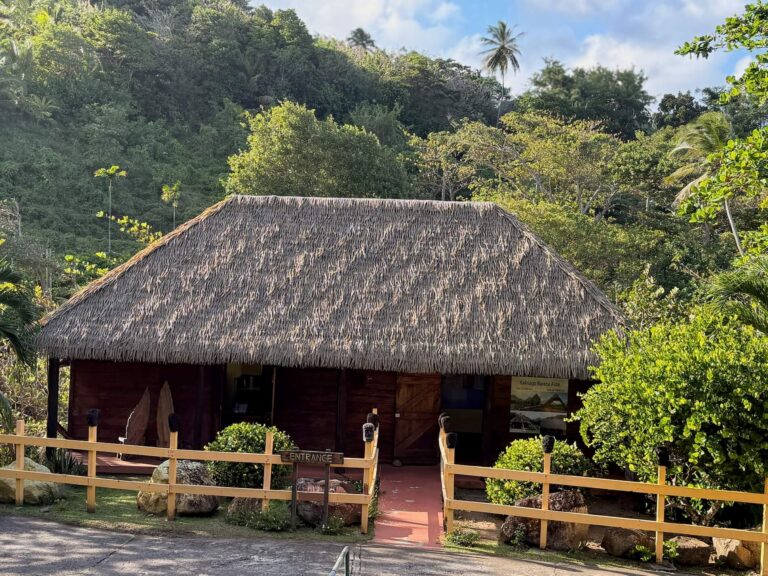
Visiting Kalinago Barana Auté
Voices of Dominica’s First People Dominica is often described through its landscapes first. Rainforest. Rivers. Waterfalls. Hot springs. Volcanic peaks. Roads that twist through the mountains before opening suddenly to the Atlantic. It is an island that feels physical from the moment you arrive — green, humid, steep, alive. And yet, if you only come…
-
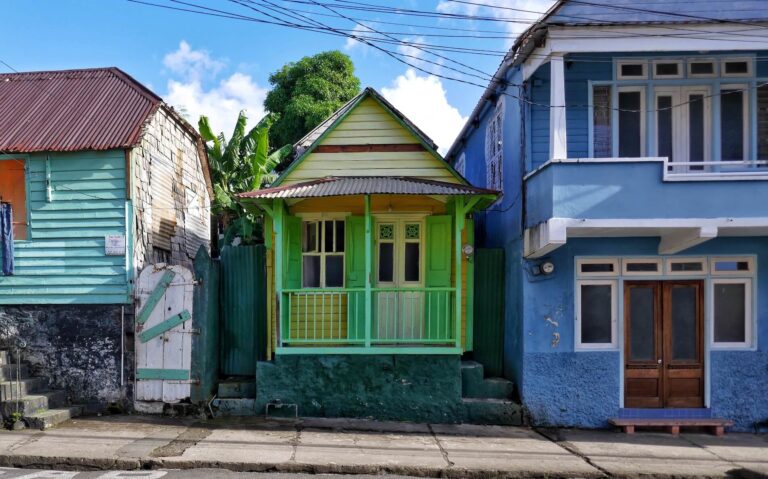
Roseau, Dominica: What to See in the Island’s Colorful Capital
Roseau Beyond the Waterfront Roseau is small, colourful, busy and a little rough around the edges. It is not the kind of Caribbean capital that feels polished for visitors — except perhaps around the waterfront, where the city briefly becomes more arranged for cruise arrivals. Beyond that first layer, Roseau feels much more local. You…
-
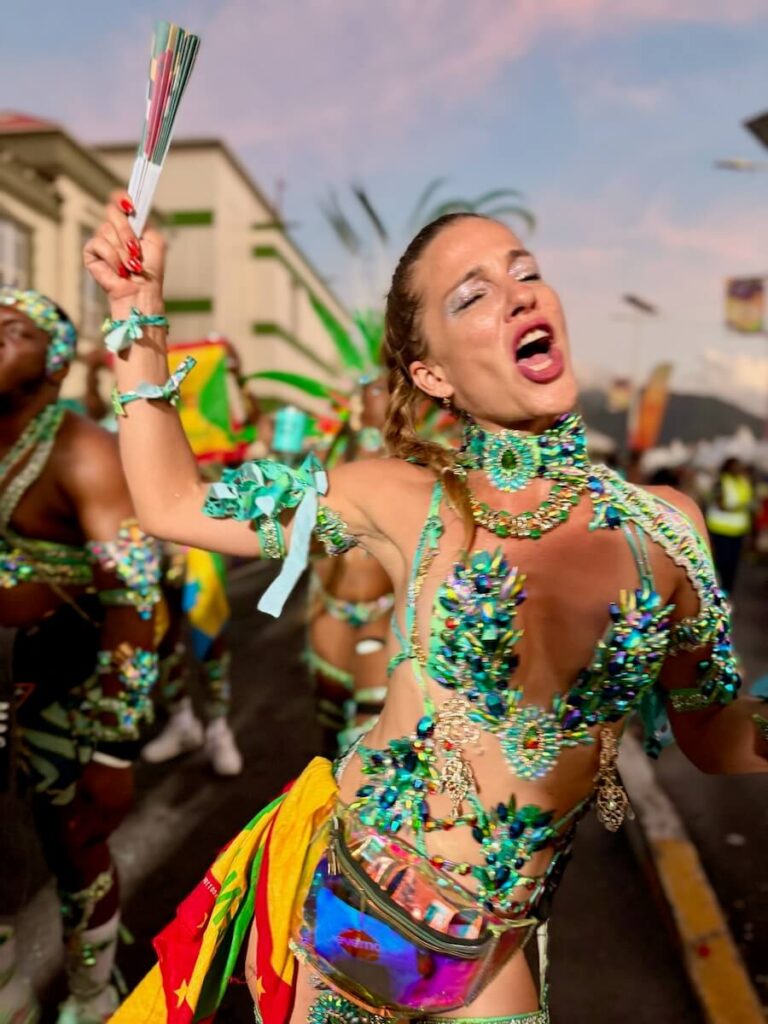
How to play mas in Dominica
Costumes, Culture and Mas There is a moment when Carnival stops being something you watch and becomes something you feel in your body. For me, that moment came on the road with Hysteria Mas in Dominica. The music was already moving ahead of us, the streets of Roseau were filling with people, and suddenly I…
-
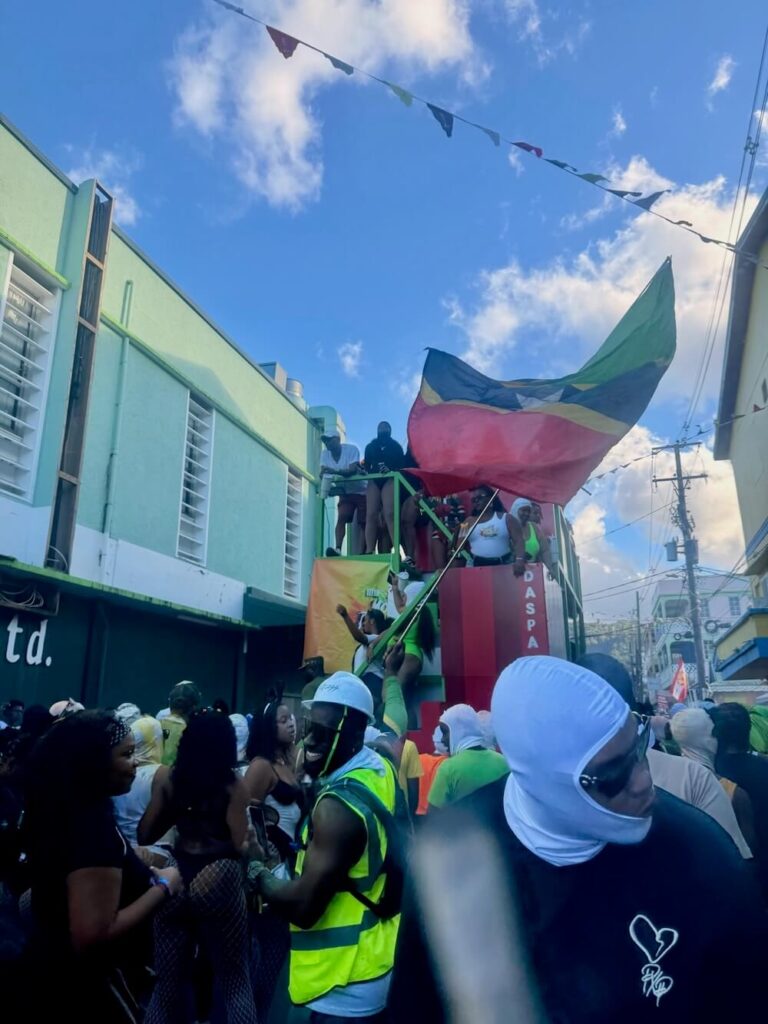
Bouyon Music in Dominica: The Soundtrack of Mas Domnik
The Soundtrack of Mas Domnik Bouyon does not politely stay in the background. It pushes forward. It repeats. It builds pressure. It gets into your body before you have fully understood what you are hearing. During Mas Domnik, Dominica’s Carnival, bouyon is everywhere: on the road, at parties, during J’ouvert, from trucks, passing cars, street…
-
Soufrière and Southern Dominica: A Guide to the Island’s Volcanic Coast
Where the Island Turns Volcanic After the intensity of Mas Domnik in Roseau, southern Dominica felt like a different island. The capital had been all music, movement and Carnival rhythm. Bouyon in the streets. Costumes on the road. People watching from balconies. The same corners appearing again and again as we circled Roseau during Carnival….
-
Beaches in Dominica
Dominica’s Beaches, Without the Caribbean Filter Dominica is not the island I would recommend if your idea of the Caribbean is a week of white sand, beach loungers and polished resort beaches. And that is not criticism. Dominica is the Nature Island of the Caribbean for a reason. Its strongest landscapes are rainforest, rivers, waterfalls,…