
Senegal
West Africa
Senegal is easy to overlook, yet it offers a rich introduction to West Africa’s culture, coastline, and everyday life. The country stretches from the Atlantic beaches around Dakar to river landscapes, national parks, and historic trading towns.
Travel often unfolds slowly here. Bustling markets, fishing communities, and music-filled streets shape daily life, while colonial towns, wildlife reserves, and long coastal beaches add variety to a journey.
Places like Dakar and Saint-Louis are the most developed for visitors, while many other areas remain quieter and rooted in local rhythms. Senegal suits you if you enjoy strong culture, music, history, and places where daily life continues largely independent of tourism.
Why Visit Senegal?
Senegal is moderate in scale — around 18 million people across 197,000 km² — yet culturally rich and geographically varied. Within a single trip you can move between Atlantic beaches, historic towns, wildlife reserves, and vibrant city life, making it one of the most accessible destinations in West Africa.


Follow me to Senegal
During my time there, I experienced both the energy of Dakar and quieter coastal towns, and what stood out most was the country’s strong sense of culture and everyday life. Follow along for honest impressions, practical tips, and ideas to help you plan a trip to Senegal.
Beaches in Senegal
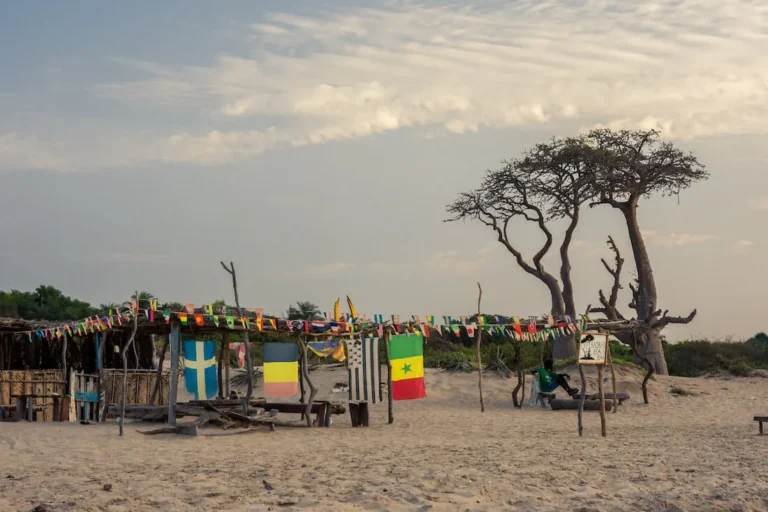
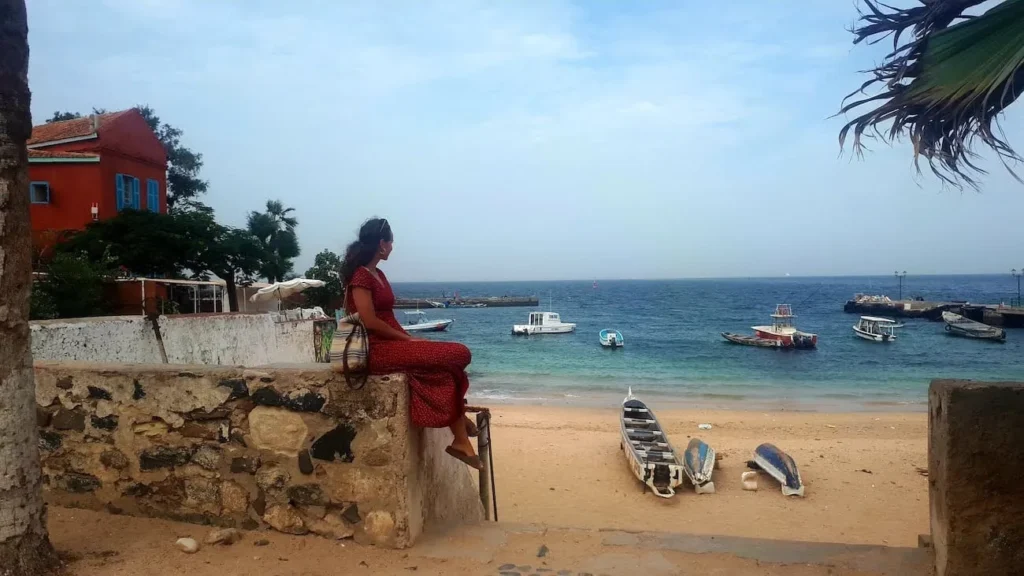
Beaches in Senegal feel wide, open, and closely connected to everyday life along the Atlantic coast. Around Dakar, places like Yoff and Ngor combine sandy shores with fishing boats, surf breaks, and lively local activity throughout the day.
Further south along the Petite Côte, destinations such as Saly and Somone offer longer stretches of beach with small hotels, restaurants, and calmer swimming conditions. In contrast, the Casamance region near Cap Skirring is quieter, with broad palm-lined beaches that feel more remote.
Senegal’s beaches suit you if you enjoy coastlines shaped by fishing culture, surf, and long walks along the Atlantic rather than polished resort environments.


Nature adventures in Senegal
Nature in Senegal is closely tied to its rivers, wetlands, and coastal ecosystems. The Senegal River Delta and Djoudj National Bird Sanctuary are among the most important bird habitats in West Africa, where pelicans, flamingos, and migratory species gather in large numbers.
Closer to Dakar, Lac Rose (Lake Retba) is known for its striking pink color, caused by salt-loving algae and high salinity, and for the traditional salt harvesting that takes place on its shores.
Further inland, landscapes shift to savannah and woodland in places like Niokolo-Koba National Park, home to antelope, monkeys, and diverse birdlife. Along the coast, mangroves and lagoons such as the Sine-Saloum Delta support fishing communities, wildlife, and quiet waterways best explored by boat.


People & everyday life in Senegal
People shape Senegal as much as its landscapes. A diverse population brings together Wolof, Serer, Fulani, Jola, and other communities, each influencing language, music, cuisine, and everyday traditions. Wolof culture strongly shapes urban life and communication, while coastal fishing communities and inland farming regions maintain distinct rhythms and customs. Moving through Senegal often means moving between cultural settings, where languages, meals, and social traditions shift naturally from place to place.
Explore Senegal’s cities
Senegal’s cities reflect a mix of history, coastal life, and modern West African culture. Dakar, the capital, is a lively Atlantic city known for its music scene, markets, art, and busy urban energy. Further north, Saint-Louis offers a very different atmosphere, with colonial architecture, island streets, and a slower rhythm along the Senegal River. Traveling between Senegal’s cities often means shifting between historic trading towns, growing urban centers, and coastal communities, each shaped by its own cultural and historical influences.


Festivals & Happenings
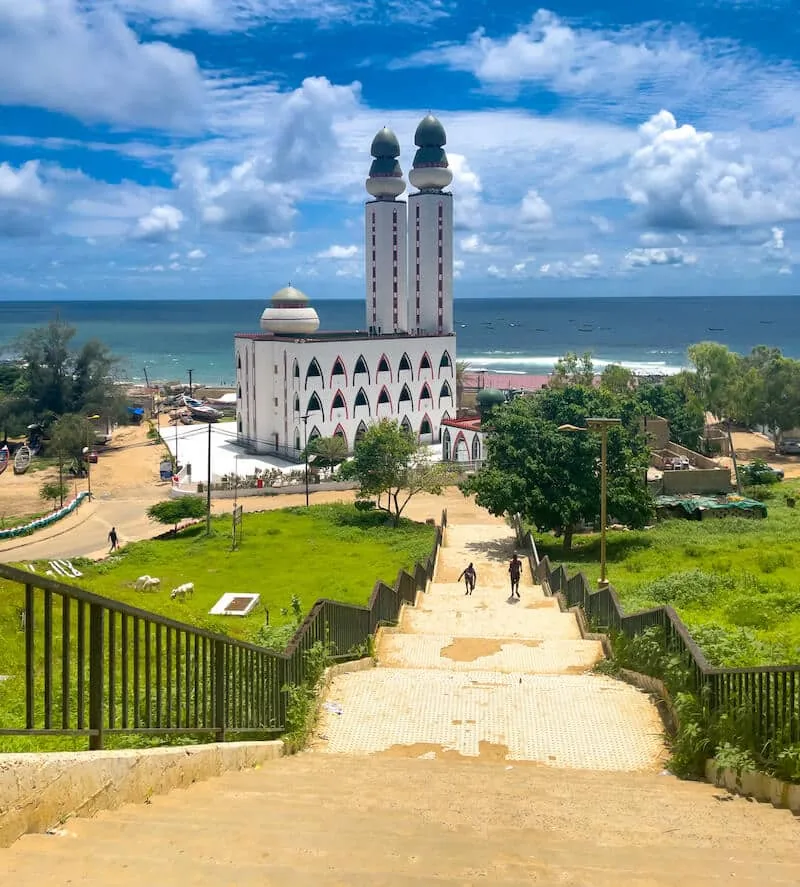
Events in Senegal often revolve around music, religion, and cultural heritage. Festivals such as the Saint-Louis Jazz Festival bring international musicians and lively performances to the historic river city, while the Dakar Biennale (Dak’Art) highlights contemporary African art and creativity across the capital.
Religious gatherings like the Magal of Touba, one of the largest pilgrimages in West Africa, draw millions of worshippers each year and reflect the deep influence of Islam in Senegalese society. These moments offer a chance to see Senegal at its most social, when music, faith, and community life take center stage before everyday rhythms return.
Looking for a Tailor-Made Adventure?
Whether you’re dreaming of exploring hidden gems or indulging in unique experiences, we will design an unforgettable journey that fits your style and preferences. Contact us today to start planning your personalized trip!
Practical Travel Tips for Senegal
