Day-trips from Dakar
SENEGAL
A red lake, beaches and culture
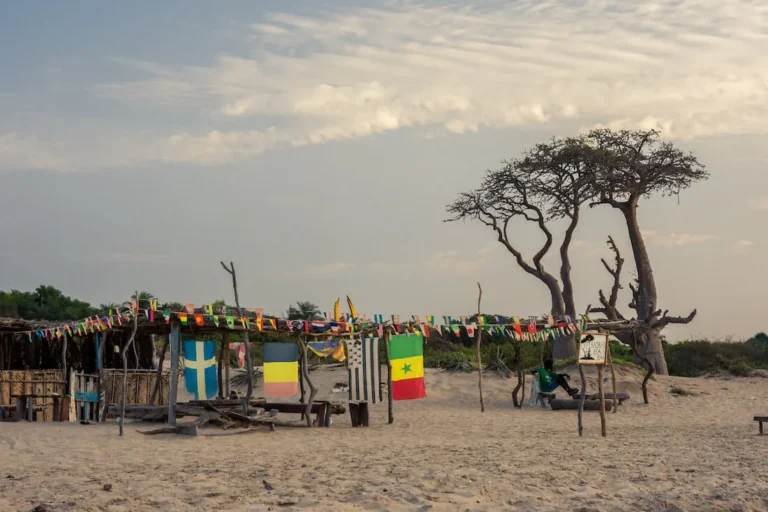
Situated on the Atlantic coast, Senegal has beautiful beaches, lagoons, and island archipelagos. Inland, there are forests, savannas, and mountains. When visiting Dakar, there are plenty of things to do and see. However, if you want to discover Senegal’s diversity, Dakar makes the perfect base to visit the Pink Lake, Lac Rose, and Jaol Fadouth or visit Île de Gorée.

Best places to stay in Dakar
Dakar is not a city where I would choose a sealed-off hotel and disappear behind its walls. The best stays here should keep you close to the city’s rhythm — the Atlantic light, the art scene, the neighbourhood cafés, the surf culture of Ngor, or the historic layers of Plateau. For Unique Universe, I would focus on smaller, design-led places that feel rooted in Dakar rather than interchangeable.
Seku Bi is one of the most interesting boutique stays for an editorial Dakar guide. Set on the Petite Corniche, close to Place de l’Indépendance and the city centre, it has the feeling of a small “jewel box” hotel rather than a standard business stay. It also connects naturally to Dakar’s creative side through design, ocean views and the wider Bantu Wax universe around surf, style and African coastal culture.
BOMA is the more contemporary, social option — a boutique hotel in Ngor/Almadies with bungalows set in a large garden, plus food, music, wellness and nightlife woven into the experience. I would recommend it for readers who want Dakar’s modern creative energy: not a quiet retreat exactly, but a place that reflects the city’s young, design-conscious, after-dark rhythm.
La Maison Abaka is a softer coastal choice, set by the sea in the village of N’Gor with views toward Ngor Island. It feels right for travelers who want Dakar to be more about ocean air, beach access, seafood and local neighbourhood life than downtown traffic. It is not the slickest option, but that is partly the point — it gives the city a gentler, more Atlantic-facing base.
Île de Gorée
A visit to Île de Gorée is a must for anyone spending time in Dakar. This small island, just off the coast of Senegal, was once the center of the slave trade in West Africa. Today, it is home to several important historical sites and world-class surfing. You can tour the island’s slave fort, visit the House of Slaves museum, and walk through the island’s quaint streets. Stop by one of the island’s cafes for a refreshing cup of Senegalese coffee.
We stayed for about two weeks on Île de Gorée to learn how to surf- We loved getting to know the island’s history and people. To read more about surfing on Île de Gor, check out our blog post on surfing Senegal!
For tourists, a return ticket costs about 5.200 CFA (ca. 7.90 €, US$9.70, £7) and 2.700 CFA (ca. 4.12 €, US$5, £3.60) for children; an additional tourism tax of 500 CFA per person is collected on site.
Current schedule from Dakar to the Island of Gorée:
- https://www.portdakar.sn/en/nos-services/trafic-passager/dakar-goree
Senegal’s pink lake
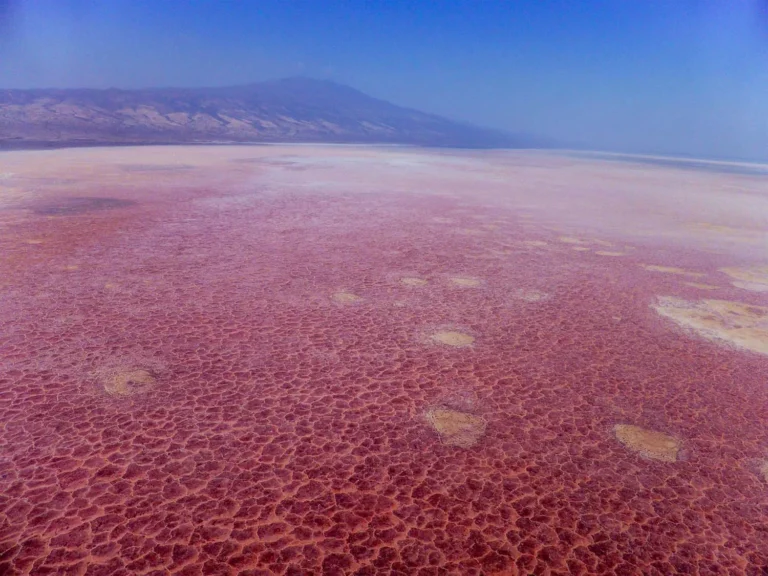
Lac Rose, also known as “Lac Retba,” is a beautiful lake that changes color throughout the year. During the dry season, you can enjoy its pretty pink tones, but if not, there is other magic at your fingertips! You could go for swims or float in salty waters because this place has a high salt content. It is also a great place to take photos. We were sad to only have to spend a day at Lac Rose. Despite the incredible sight, the lake offers a unique glimpse into Senegalese life.
Salt extraction is one of the main economic activities at Lac Rose. It is a manual process that has been used for centuries. During the dry season, the lake’s water evaporates and leaves a layer of salt behind. The salt is then harvested by workers who use large wooden rakes to gather it into piles. The salt is then transported to Dakar, which is used for cooking and other purposes.
Visiting Lac Rose is a great way to learn about Senegal’s history and culture. If you are interested in learning more about the country, its people, and its customs, this is a place you should add to your list!
Gîte du Lac is a cute hotel in case you decide to spend the night and learn more about the fascinating area around Lac Rose.
Joal Fadiouth
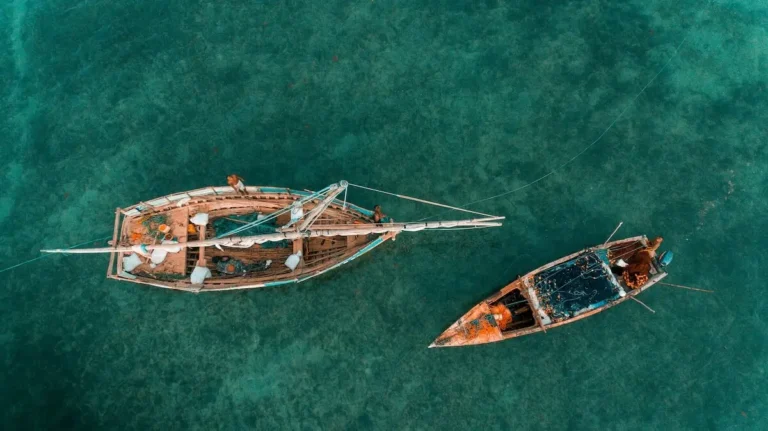
Daytrips from Dakar are easy to do, and Joal Fadiouth is another excellent option. You can watch the fishermen returning from their nightly or early morning tour on the beach. The fishermen set out in the dark with small wooden boats into the dark depths of the Atlantic. Unfortunately, the global fishing industry, especially Europe’s fishing industry, has weakened the West African seas, and the people on the coast are also suffering. Nevertheless, it is spectacular to watch how the locals pull their wooden boats out of the water.
Joal Fadiouth is not only known for its fishing culture but also its shellfish islands. The most famous island is Ile Jaol. An impressive footpath leads over a long wooden bridge to the place built on shells. It is said that every year a ton of shells are washed up on the coast, which is then used to build houses or lie around as decoration. It is a beautiful place everyone should have seen once in their life!
The population around Joal Fadiouth is predominantly catholic, the only place in Senegal where schooling is compulsory.
You can only visit the shell island with a mandatory guide.
Joal Fadiouth is diverse and very different from Dakar. The people are curious and communicative. Remember, though, the village is impoverished. During the day you can move around the beach or the village without worry. But it would be best if you did not carry objects that look expensive too obviously. There is not much to do when it gets dark, so you should avoid being alone.
When you finally leave Joal Fadiouth, you will have experienced a different side of Senegal than in Dakar. The hustle and bustle of the big city will probably seem much more bearable after this day. Daytrips from Dakar are something you should consider if you want to get to know the country and its people better!
Popular tours
Practical Travel Tips for Dakar