HOPKINS
BELIZE
Belize’s Garifuna culture hub
Hopkins welcomed us with a spectacular blood moon on the night of our arrival. A breathtaking natural phenomenon! I have been back to visit several times since then.
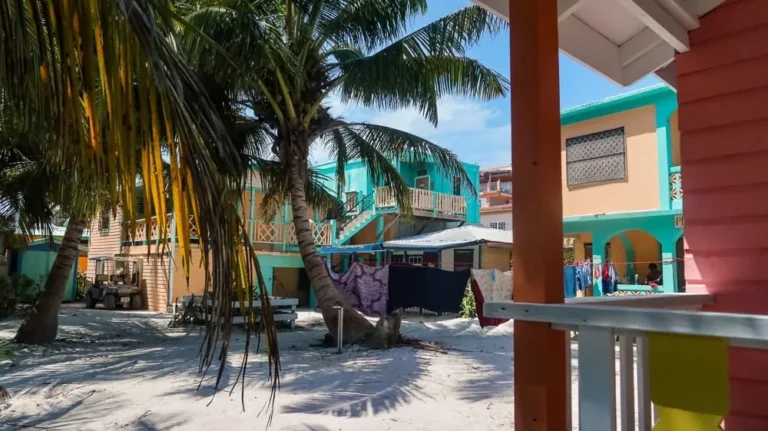
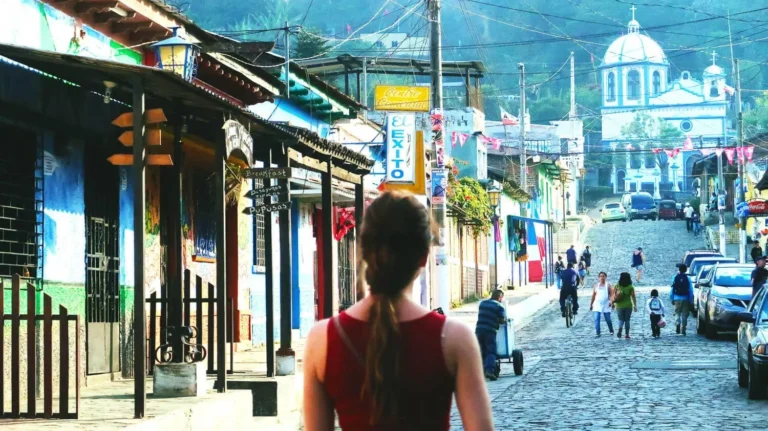
What makes the village is the special vibe and the way the community is engaging with tourism. Hopkins’s main street is lined with mostly locally owned guesthouses and small restaurants and forms the village’s center.
While Hopkins South is dominated by all-inclusive, the North has developed into a little backpacker haven. Tucked away behind the main streets, you’ll find charming locally-owned restaurants, cute bakeries, and even some nightlife. I love Hopkins because tourism seems to blend in seamlessly.
A place for the soul
Yet, Dani wanted to introduce Lauri to Hopkins because it is a place for the soul which has to be felt to describe its charm and vibe adequately. It is a fantastic place to dive into Garifuna culture and everything that comes with it: Punta dances, delicious food, and a distinct lifestyle and values.

Best places to stay in Hopkins
Hopkins is one of the places in Belize where I would choose accommodation with extra care. This is not just a beach stop. It is one of the country’s most important Garifuna villages, and the best stays are the ones that understand the balance between visitors, village life, the sea, and local culture. I would look for places that feel rooted in Hopkins rather than sealed off from it — small-scale where possible, locally connected, and mindful of the reef, the beach and the community around them.
Palmento Grove is the stay I would choose if you want Hopkins to feel deeply connected to Garifuna culture. It is locally rooted, personal and built around food, music, history, healing and community rather than the usual beach-hotel idea of Belize. This is not the most polished option, but it may be the most meaningful one — especially if you want to understand why Hopkins matters beyond its coastline.
Hamanasi is the more comfortable, refined choice, but it still feels relevant for this list because of its strong sustainability approach. I would recommend it if you want diving, reef-to-rainforest excursions, good service and a softer landing, while still choosing a resort with a more serious environmental track record. It is best for travelers who want comfort without completely disconnecting from nature.
Coconut Row feels like a good middle ground: beachfront and easy, but still small enough to feel connected to Hopkins. I would keep this over a larger resort-style option because Coconut Row has a clearer village connection, including its community initiatives and “Cleaning for Tuition” program. It suits travelers who want beach time, but still care about where their money lands — somewhere they can wake up by the sea, walk into the village, eat locally and keep their stay connected to Hopkins rather than hidden behind a resort bubble.
Garifuna culture
Punta Gorda, Dangriga, and the friendly town of Hopkins form the centers of Garifuna culture in Belize.
The Garifuna people are descendants of African, Caribbean & Indigenous South American origin. After being exiled from the Caribbean island of St. Vincent in 1797, the majority of Garifuna today live along the Caribbean coastlines of Honduras, Belize, and Nicaragua. Many Garinagu people cherish and live their cultural heritage until today.
The unique Garifuna culture and the chance to participate in and learn from it make Hopkins one of the best places to visit in Belize.
Music & Punta
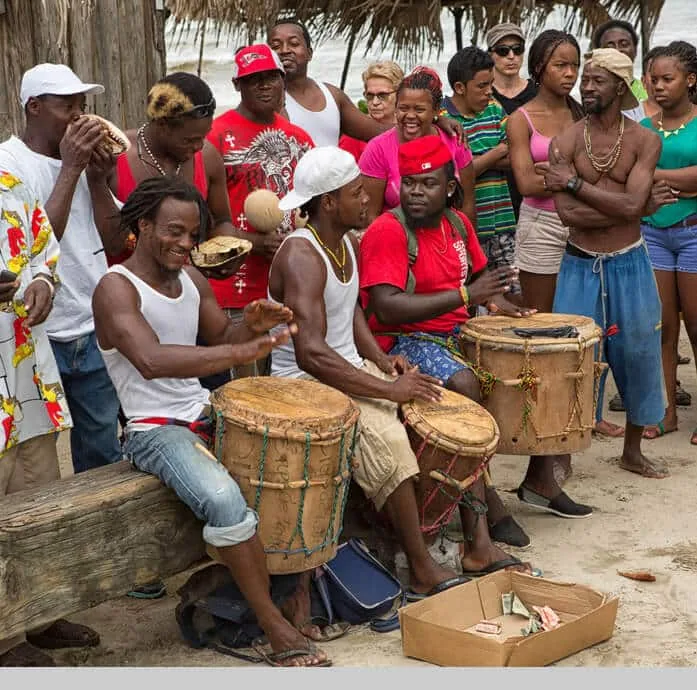
Garifuna drums set the rhythm. While in Hopkins, you’ll surely get to listen to some typical drumming. If you have some rhythm, you might try and take some classes at Lebeha. The distinctive drumming is accompanied by either the Punta or Walavine. Two fierce, traditional dances.

Garifuna Language
While many Belizeans speak English, Creole and Spanish, the Garifuna people also have their distinct language, Karif. Over time Carib and European languages have influenced the Garifuna language, a member of the Arawakan family.
By the way: Both Garifuna language and Garifuna music were declared “Masterpieces of the Oral and Intangible Heritage of Humanity” in 2008. Pretty impressive, no?

Garifuna Clothing
Even though the heritage is actively lived, you’ll rarely spot Garinagu men wearing the traditional dashiki. A colorful v-neck shirt inspired by African printing.

Garifuna cuisine
In Hopkins, you’ll for sure be able to taste the excellent typical cuisine. Deliciously spiced seafood, Hudut, or coconut rice will stimulate your taste buds. We find it one of the most delicious cuisines in the region!
Enjoy sea life and go snorkeling or diving
Since we planned to move on to Belize’s Cayes, we passed on the possibility of touring Belize’s Cayes from Hopkins. However, Hopkins offers an excellent starting point for excursions to the nearby Cayes and the Barrier Reef. Belize is supposedly home to the western hemisphere’s largest barrier reef. As a result, you’ll find plenty of diving, snorkeling, and fishing opportunities.
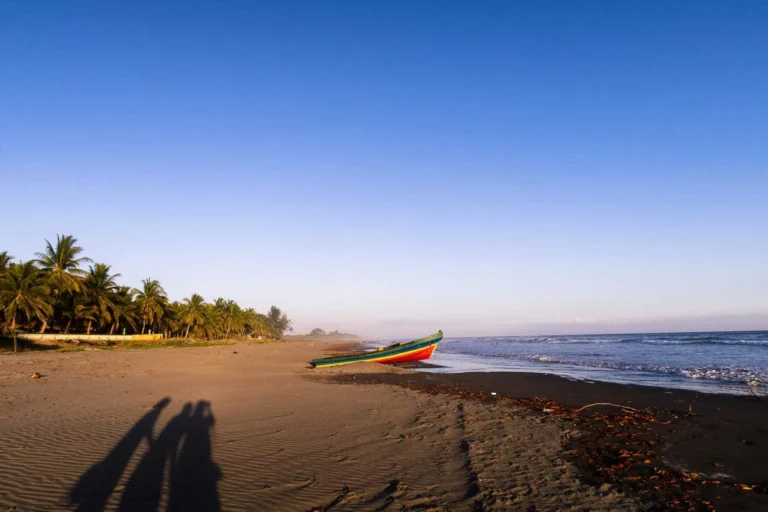
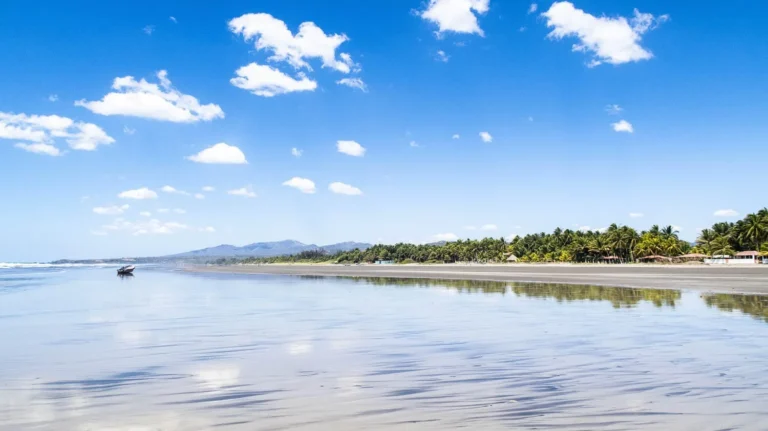
Of course, you can enjoy the beach in Hopkins, too! A Miles-long, natural Caribbean coast seams the village. But, although it’s nice to hang out and dip into the water, Hopkins is not the typical beach destination.
Look out for Jaguars at Cockscomb Basin Wildlife Sanctuary
The world’s first jaguar preservation sanctuary offers the (admittedly small) chance to spot the majestic cats in the wild! Amidst lush vegetation, the park affords you waterfalls and stunning views! Cockscomb park is the best place to let go of some energy tubing and hiking if you have been a bit lazy the last few days. The park offers accommodations and a campsite within its grounds, but you can also visit the park on a day trip—entrance fee: BZ$10. The park is tranquil and does not get too many visitors. It’s perfect for taking in the lush vegetation in Belize’s jungle!
Pure Magic: Bioluminescence River Tour
The Bioluminescence River Tour is one of the coolest things to do in Hopkins! The tour takes you on a journey that is sure to wow your senses and leave you wide-eyed. Even though we have visited bioluminescence waters worldwide, we still find them super magical!
Starting at the Sittee River, conveniently located near the south end of Hopkins, you’ll hop aboard a boat and venture out into the water. Keep your eyes peeled for reflections that could belong to anything from birds to crocodiles! But the real magic happens as you cruise through the cut in the lagoon that leads to Anderson’s Lagoon. Prepare to marvel at the stunning bioluminescent waters as you dip your hands or dive in and swim. You won’t regret experiencing this miraculous natural wonder, so brace yourself for a night to remember!
Go horseback riding
Exploring the surrounding by horse is one of the most magical things to do anywhere. This half-day tour takes you to the beautiful orange groves and lush rainforest. And what’s more, you’ll cool off with a refreshing swim in the river with the horses! The working farm is also home to a variety of animals, including sheep, cows, and goats. Don’t miss out on this unique opportunity to experience the natural beauty of Hopkins while horseback riding.
Pure Magic: Bioluminescence River Tour
If you have relaxed enough and feel like a little adventure, check out Bocawina, the ultimate hotspot for thrill-seekers in Hopkins. Get your pulse racing by experiencing the longest zipline in Belize. With 14 platforms and 9 different runs, you’ll glide through the stunning rainforest canopy like a free-flying bird, taking in the breathtaking natural scenery from a unique perspective. The complete course is an adrenaline-pumping 2.5 miles long, and the longest single run is a whopping 2,300 feet. Try waterfall rappelling and conquer your fears for an even more heart-pounding thrill. Bocawina is truly beautiful and totally worth exploring!
Practical Travel Tips for Hopkins

Traveling Belize?
Places to visit in Belize
A Small Country with a big personality!
-
Year-around festivities and events in Belize
Dancing to the rhythmic beats of Garifuna drums, savoring the aroma of freshly cooked fry jacks, and witnessing the vibrant colors of traditional Mayan garments swirling through the streets—welcome to Belize, a country where every month brings a new reason to celebrate! Belize hosts over 20 major festivals annually, each offering a unique glimpse into…
-
San Ignacio, Belize – Wild rivers, Maya ruins &latino vibes
Wild rivers, Maya ruins & latino vibes San Ignacio and its twin town Santa Elena, form the heart of the “Cayo” district. It’s the first stop for many travelers coming from Guatemala. While there is a comfortable touristic infrastructure, San Ignacio maintains an authentic and vibrating charm. Contrary to the coastal part of Belize, Spanish…
-
Caye Caulker | Backpacking and diving haven
Backpacking and diving haven Once you set foot on the island, it feels like you have entered a slightly cheesy Caribbean movie. The vibe is dominated by a mix of friendly, carefree Creole and Rastafarian culture. Caye Caulker is an excellent place to start your trip to Belize, especially when coming from Mexico. The island…
-
Tobacco Caye | Caribbean paradise ?
The smallest island we have ever visited Tobacco Caye – Our paradise in Belize! Dip into the most turquoise waters, snorkel, dive, and chill out. Get your authentic Caribbean experience! The tiny Caribbean island lays just 12 miles off the shores of Dangriga- a 40-minute boat ride. Without a doubt, the setting of Tobacco Caye…