Kingstown
St. Vincent & Grenadines
City of arches
Kingstown, the beating heart of St. Vincent & the Grenadines, is often overlooked in favor of its more touristy neighbors, yet this city brims with history, culture, and authentic local experiences.
Instead of towering high-rises and polished resorts, you”ll find colonial architecture, bustling markets, hidden botanical gardens, and a genuine sense of community that makes every visitor feel like family. Whether you”re here to explore centuries-old forts, wander through lush plant collections, or simply savor the freshest seafood by the waterfront, Kingstown offers experiences that will leave you both inspired and grounded.
The key districts are:
- Downtown/Market District: Centered around Bay Street and Burke Street, this is where most of Kingstown”s commerce happens—think lively street markets, government buildings, and the main cathedral.
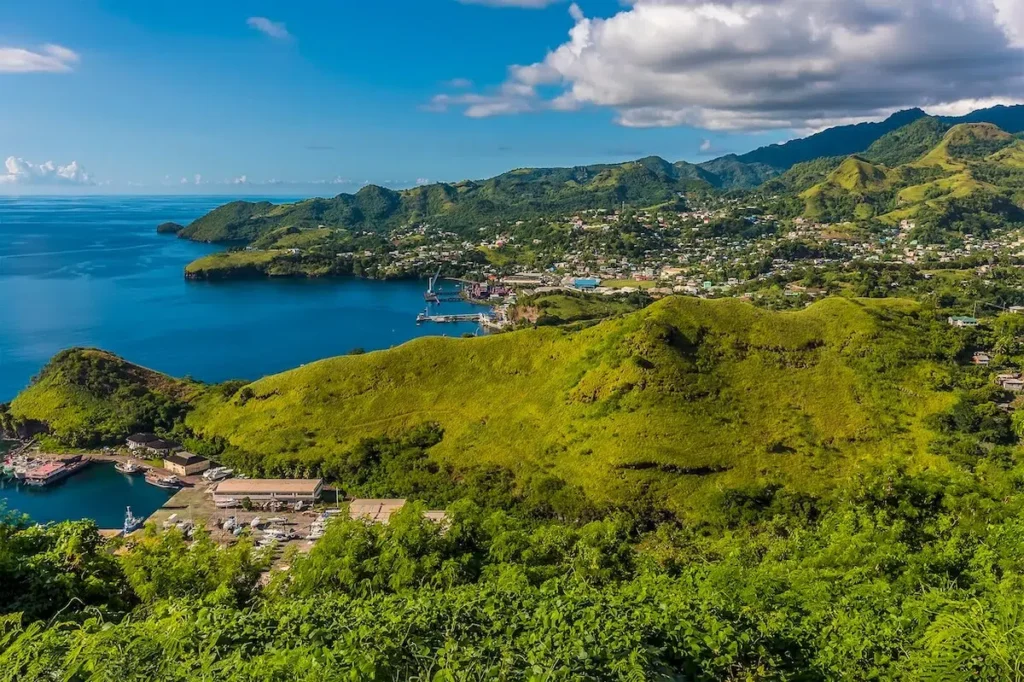
- Richmond Hill: A bit uphill from downtown, Richmond Hill offers panoramic views of the harbor and access to Fort Charlotte.
- Waterfront: Lined with small restaurants, bars, and ferry terminals, the waterfront is perfect for a leisurely stroll at sunset.
Kingstown’s charm lies in its blend of African, French, and British influences, reflected in everything from architecture to cuisine. On any given Sunday, the streets come alive with churchgoers in their Sunday best, vendors calling out fresh produce deals, and children playing cricket in narrow alleys. Locals are exceedingly friendly—don’t be surprised if someone says, “Welcome to Kingstown, how can I help you today?” as you wander past their shop. It’s a city that feels less like a capital and more like a close-knit community.

Best places to stay in Kingstown, Saint Vincent
Kingstown is not where I would look for a dreamy island escape — it is the capital, and it feels more practical, local, and lived-in than the Grenadines. But that is also why it can be worth staying here for a night or two. You are close to the ferry connections, the Botanical Gardens, Fort Charlotte, markets, and the routes that lead deeper into Saint Vincent.
For a first stay, I would choose somewhere that makes logistics easy, but still gives you a sense of place.
Grenadine House is probably the most atmospheric stay in Kingstown itself. It is a historic boutique hotel in Kingstown Park, with views over the town and toward the Grenadines. The hotel positions itself as a centrally located base for visiting the Botanical Gardens, Fort Charlotte, markets, La Soufrière, waterfalls, and onward trips to the Grenadines.
I would choose Grenadine House if I wanted to stay in the capital without feeling like I was in a purely functional city hotel. It has more character than most Kingstown options and works well if you want to explore the city before moving on.
Best for: first-time visitors, short stays, culture-focused travelers, and anyone who wants a central base with character.
For something more special, Young Island Resort is a lovely option just off the coast near Villa. It is technically on its own small private island, reached by a short water ferry from Saint Vincent, but it still keeps you close to Kingstown, the airport route, and the ferry connections.
I would choose Young Island if I wanted a softer landing before or after exploring Saint Vincent or continuing to the Grenadines. It gives you beach, gardens, cottages, and that tucked-away island feeling without being far from the mainland. The resort describes itself as a private Caribbean island resort with 29 cottages across 13 acres of tropical gardens, reached by a two-minute private water ferry.
Best for: couples, pre- or post-Grenadines stays, special trips, and travelers who want easy Kingstown access with a more romantic island atmosphere.
Cobblestone Inn is one of the more central places to stay in Kingstown and works well if you want to be close to the capital’s markets, ferry connections, shops, and historic center. It is more of a practical city stay than a beach escape, but that can be useful if you are spending a night or two in Saint Vincent before heading onward to Bequia or the Grenadines.
I would choose Cobblestone Inn if I wanted to experience Kingstown from within the town itself, rather than staying outside it. It is especially practical if your focus is logistics, local life, and easy access to the ferry.
Best for: short stays, ferry connections, independent travelers, and visitors who want a central Kingstown base.
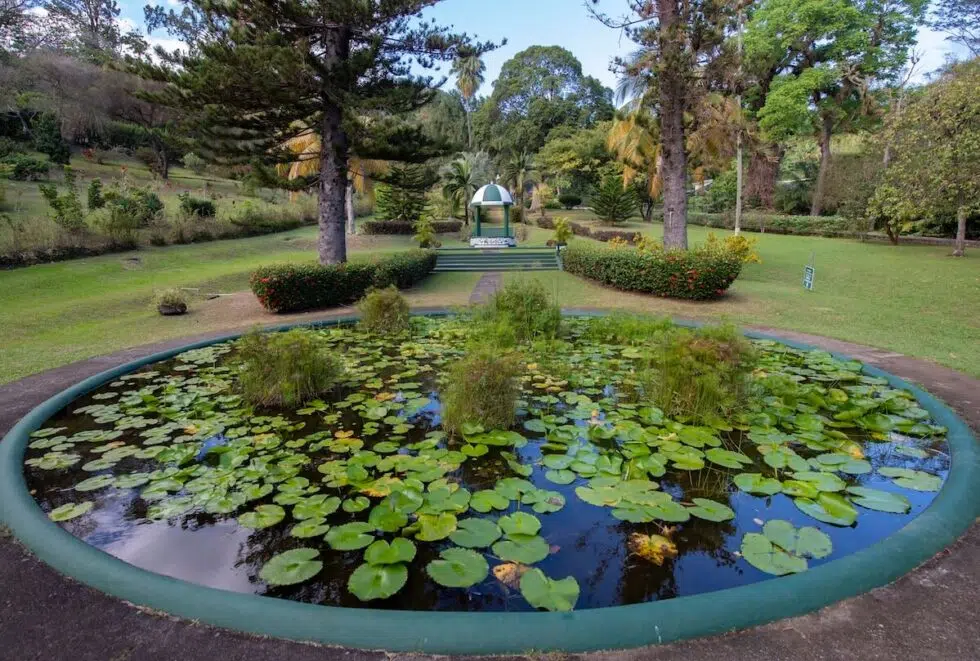
Visit the Botanical Gardens
Established in 1765 the oldest botanical gardens in the Western Hemisphere outside of Haiti. They were originally created to study plants that could thrive in the Caribbean climate.
Signature Trees & Collections
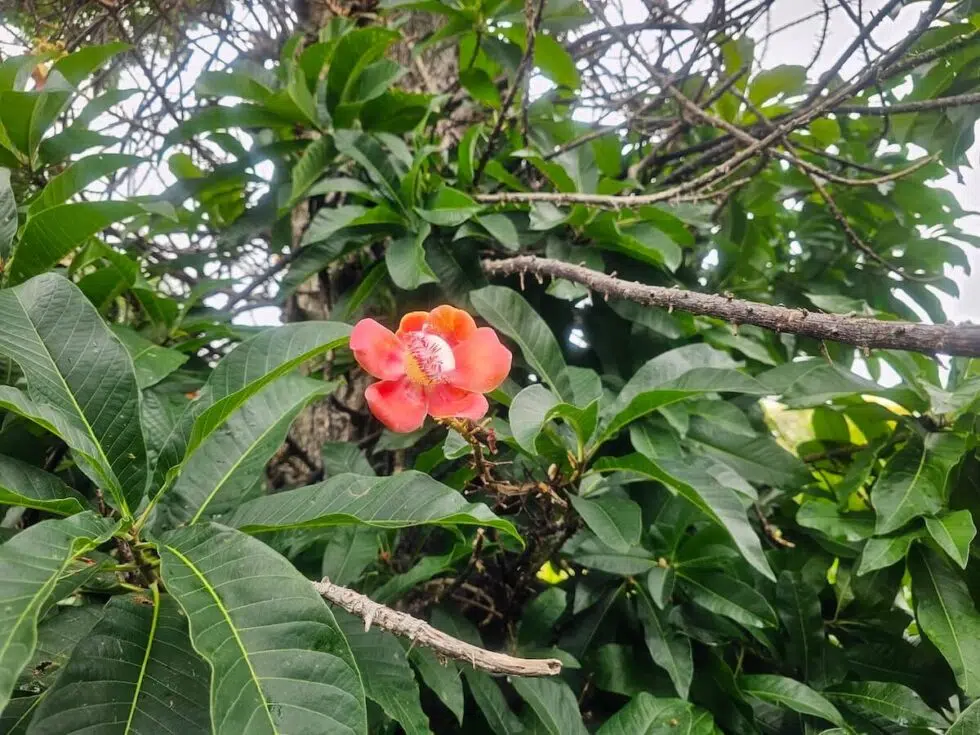
Breadfruit Tree: Brought to Kingstown by Captain William Bligh (of HMS Bounty fame) in 1793. Its enormous, serrated leaves are an iconic sight.
Royal Palm Collection: A wide variety of palm species line the main pathways, offering a cathedral-like canopy overhead.
Orchid House: A small greenhouse filled with native and exotic orchids—blooming season is typically March through June.
Local Wildlife
Keep an eye out for the tiny tree frog (Eleutherodactylus johnstonei) that calls the mossy hollows home. You might hear their high-pitched calls near dawn and dusk.
Practical Tips
Hours & Admission
Open daily from 6 a.m. to 4 p.m.; gates officially close at noon but you can still linger until 4 p.m.
Admission: XCD $5 (about US$1.85) for adults; XCD $2 for children under 12.
Guided Plant Walks
- Available on weekdays at 9 a.m. and 2 p.m. (subject to staff availability). A knowledgeable local guide will point out medicinal plants, fruit trees, and historical anecdotes.
- Ask at the visitor kiosk near the main gate—no reservations needed, but try to arrive 15 minutes early.
- Wear closed-toe shoes, as some paths can be muddy after rain. Bring insect repellent, especially if you plan to venture off the main paths.
Best Time to Visit
Early morning (6 a.m.–9 a.m.) for cooler temperatures and birdwatching (bananaquits, hummingbirds).






Fort Charlotte
What to See
Ruined Barracks & Museum
Inside the fort’s compound, you’ll find a small, informal museum housed in the old barracks, showcasing artifacts and exhibits on Garifuna (Black Carib) history and 18th-century military life.
The Dry Moat
The fort’s dry moat, originally designed as a defensive trench, was repurposed in the late 19th century as an exercise yard for female prisoners—an unusual piece of social history.
Panoramic Views
On clear days, you can see as far as Bequia, Young Island, and even Grenada. Sunrise visits are spectacular, but you’ll need to leave Kingstown well before dawn (consider staying nearby or taking a taxi as early as 5:30 a.m.).
Construction & Strategic Importance
Built by the British between 1763 and 1806 on top of Berkshire Hill (601 ft / 183 m above sea level), Fort Charlotte was designed to protect Kingstown from French naval attacks. Its location offers commanding views of the Caribbean Sea and nearby islands.
Name Origin
Named after Queen Charlotte (wife of King George III), the fort was never directly attacked but served as a deterrent against potential invasions. Its robust walls and strategic positioning made it one of the strongest defensive installations in the Windward Islands.
Practical Tips
Getting There
On Foot: A steep 20–30 minute walk from central Bay Street. The path is partially paved but can be slippery after rain.
By Volt Taxi: Expect to pay around XCD $12–$15 (US$4.50–$5.60) one way.
Hours & Admission
Open daily from 8 a.m. to 4 p.m.
Admission: XCD $10 (US$3.70) for adults; XCD $5 for children under 12.
What to Bring
- Water (at least 1 L per person), sunscreen, hat, and comfortable walking shoes.
- A lightweight jacket or shawl can be handy for early-morning visits, as the hilltop breeze can be cool.


St. George’s & Assumption Cathedrals
St. George’s Anglican Cathedral
- Architecture & Significance
Nestled on the edge of Bay Street, St. George’s Cathedral features a striking bell tower and Gothic-inspired pointed arches. The interior is simple yet elegant, with wooden pews and a muted stained-glass rose window.
What to See
- The original 19th-century bell, still rung by hand on Sundays.
- Iconic lancet windows depicting biblical scenes, crafted by artisans from England in the late 1800s.
Service Times
Sunday: 8 a.m. (Holy Communion) and 10 a.m. (Choral Matins). Non-worshippers are welcome to quietly observe.
Assumption Cathedral (Roman Catholic)
Eclectic Architectural Style
Completed in the 1930s after decades of construction interruptions, this cathedral blends Moorish, Romanesque, Byzantine, Venetian, and Flemish influences. Its white façade, complete with rounded arches and decorative columns, stands out among neighboring colonial buildings.
Interior Highlights
- Elaborate altars adorned with Italian marble and locally carved mahogany.
- Vibrant stained-glass windows imported from France, casting colorful patches of light onto the pews below.
Service Times
- Sunday: 6 a.m., 8 a.m., 10 a.m., and 5 p.m. Masses.
- During major feasts (Easter, Christmas), expect larger crowds and processions around the downtown streets.
Kingstown Market (Burke Street Market)
By dawn, the entire block around Burke Street transforms into a bustling marketplace. Vendors set up stalls under makeshift tarps, selling everything from fresh produce and spices to homemade crafts and household goods. The air is scented with nutmeg, cinnamon, and the earthy aroma of ripe breadfruit.
Arrival Time: The market kicks into high gear around 5 a.m., but if you prefer fewer crowds and slightly cooler temperatures, aim for 7 a.m. Don”t linger too long past 9 a.m., as vendors often start to pack up by 10 a.m.
Local Produce & Goods
- Fruits & Veggies: Callaloo leaves, cassava, dasheen, sweet potatoes, mangoes (June–August), and seasonal fruits like soursop and breadnut.
- Spices & Herbs: Nutmeg, cinnamon sticks, turmeric, and fresh thyme.
- Handicrafts: Handwoven baskets, carved calabash bowls, and locally beaded jewelry.
Must-Try Snacks
- Bake & Shark
Although more common in Trinidad, a few street stands offer a Vincentian twist on this fried dough sandwich—usually stuffed with seasoned shark or fish, topped with local pepper sauce, and garnished with lettuce and tomato. - Local Sweets & Juices
Wander the “City of Arches”
Bay Street Arches
Bay Street”s iconic stone arches date back to the late 19th century, when they were built as part of a reinforced seawall and to create a covered walkway for dockworkers unloading sugar, arrowroot, and other exports. The cobblestones lining the street in front of the arches were originally used as ballast in the holds of transatlantic ships—including those of the slave trade—and were later repurposed to pave the roadway. Today, the arches form a shaded arcade where local vendors sell handmade crafts, postcards, fresh produce, and souvenirs, offering a living glimpse into Kingstown”s maritime and commercial past.
Government Buildings & Pastel Façades
A short walk east along Bay Street brings you to the red-brick Treasury Building, constructed around 1905 with deep cornices, louvered shutters, and high ceilings designed for tropical climates. Nearby stands the Old Post Office, its soft yellow façade, arched windows, and classical pediment reflecting early 20th-century British neoclassical influence. These landmarks anchor a cohesive streetscape of low-rise buildings painted in pastel hues—each one testifying to Kingstown”s layered heritage under French and British colonial rule.
Stroll the cruise ship terminal
When your ship pulls into Kingstown’s cruise terminal, you’ll step straight into a compact plaza of local boutiques and eateries.
At Jazzy’s All Natural (booths 6 & 7), you can stock up on small-batch scrubs, soaps, and lotions made with island botanicals.
A few steps away, Summus Cannabis Dispensary showcases St. Vincent’s emerging legal cannabis scene, with pre-rolls, artisanal oils, edibles, and soothing topicals guided by friendly, knowledgeable staff.
And for a true pick-me-up, Carib-Beans Superfoods Coffee House roasts local beans into silky lattes, superfood smoothies, and fresh pastries—an ideal stop before heading out to explore everything Kingstown has to offer.
Catching Sunsets
Kingstown has no shortage of spots where you can watch the sky blaze in shades of orange, pink, and purple.
1. Villa Beach
Just a fifteen-minute taxi or local-bus ride from downtown, Villa Beach’s narrow strip of black volcanic sand faces directly west. Claim a spot on the sand or along the harbor wall to see fishing skiffs glide home against the setting sun. The nearby hotels and bars sell ice-cold sorrel juice and dinner, but consider bringing your own snacks and water for comfort.
2. Fort Charlotte
For panoramic views, head up to Fort Charlotte on Berkshire Hill. At about 600 feet above sea level, the fort’s ramparts overlook Kingstown’s rooftops and stretch out toward the Grenadines. It’s a quieter setting—perfect for photographers or anyone who enjoys watching the sun sink over distant islands in peaceful solitude.
3. Bay Street Waterfront Promenade
Back in town, the benches along Bay Street’s seawall offer a front-row seat to harbor activity as day turns to night. Vendors wheel out carts of grilled corn, fresh fruit, and chilled sorrel juice just as the sky begins to glow, making it easy to grab a quick snack while enjoying the view.
4. Waterfront Rooftop Bars
For a more elevated experience, choose one of Kingstown’s rooftop or terrace bars overlooking the bay. Perch yourself with a rum punch or local beer in hand and watch lights begin to sparkle on fishing boats and cruise vessels gliding into port. It’s a festive way to cap off the day and mingle with locals and fellow travelers.
Tours to book
Practical Travel Tips for Saint Vincent and the Grenadines


Traveling St. Vincent & the Grenadines?
Places to visit in the Caribbean
-
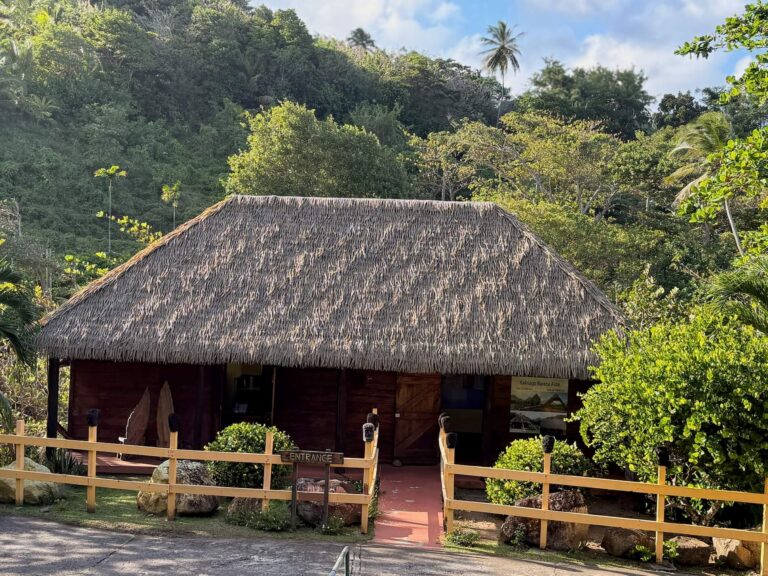
Visiting Kalinago Barana Auté
Voices of Dominica’s First People Dominica is often described through its landscapes first. Rainforest. Rivers. Waterfalls. Hot springs. Volcanic peaks. Roads that twist through the mountains before opening suddenly to the Atlantic. It is an island that feels physical from the moment you arrive — green, humid, steep, alive. And yet, if you only come…
-
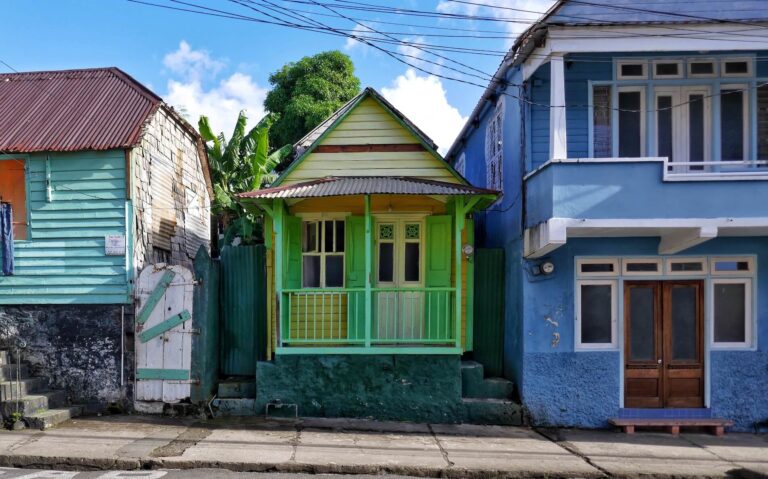
Roseau, Dominica: What to See in the Island’s Colorful Capital
Roseau Beyond the Waterfront Roseau is small, colourful, busy and a little rough around the edges. It is not the kind of Caribbean capital that feels polished for visitors — except perhaps around the waterfront, where the city briefly becomes more arranged for cruise arrivals. Beyond that first layer, Roseau feels much more local. You…
-
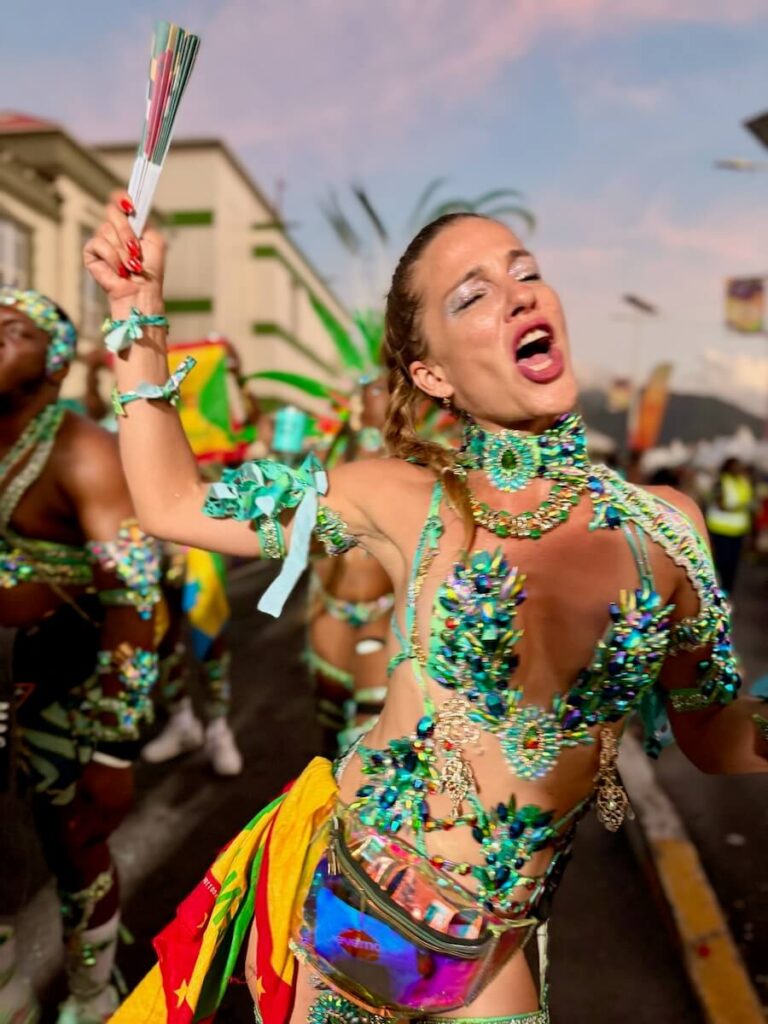
How to play mas in Dominica
Costumes, Culture and Mas There is a moment when Carnival stops being something you watch and becomes something you feel in your body. For me, that moment came on the road with Hysteria Mas in Dominica. The music was already moving ahead of us, the streets of Roseau were filling with people, and suddenly I…
-
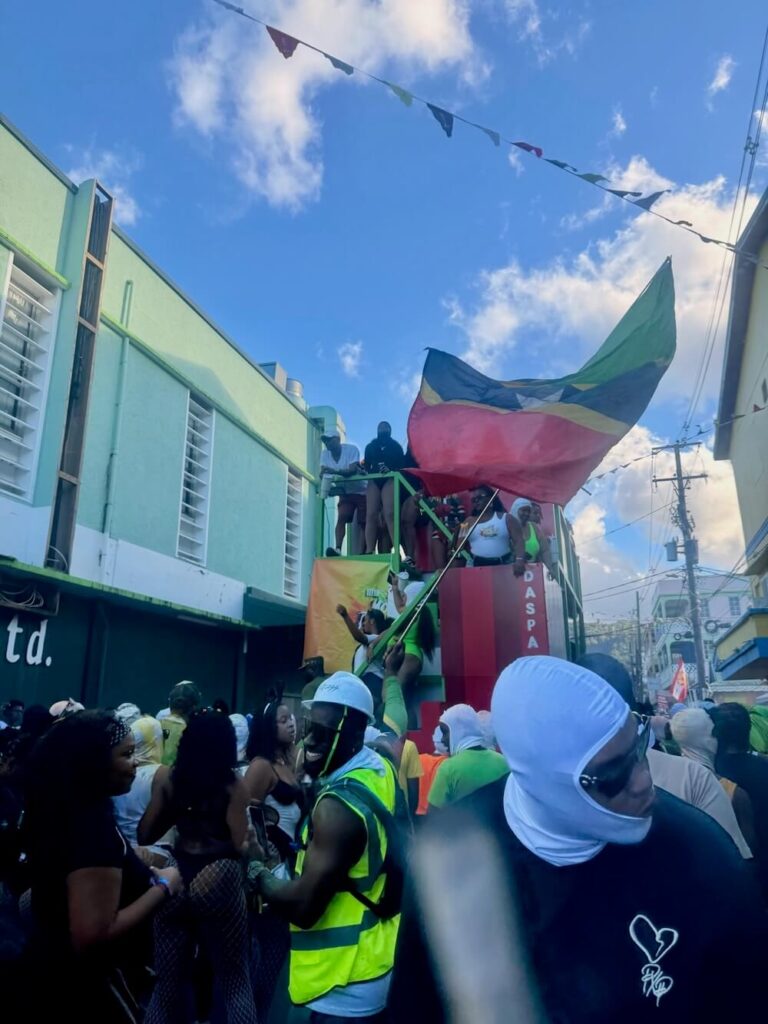
Bouyon Music in Dominica: The Soundtrack of Mas Domnik
The Soundtrack of Mas Domnik Bouyon does not politely stay in the background. It pushes forward. It repeats. It builds pressure. It gets into your body before you have fully understood what you are hearing. During Mas Domnik, Dominica’s Carnival, bouyon is everywhere: on the road, at parties, during J’ouvert, from trucks, passing cars, street…
-
Soufrière and Southern Dominica: A Guide to the Island’s Volcanic Coast
Where the Island Turns Volcanic After the intensity of Mas Domnik in Roseau, southern Dominica felt like a different island. The capital had been all music, movement and Carnival rhythm. Bouyon in the streets. Costumes on the road. People watching from balconies. The same corners appearing again and again as we circled Roseau during Carnival….
-
Beaches in Dominica
Dominica’s Beaches, Without the Caribbean Filter Dominica is not the island I would recommend if your idea of the Caribbean is a week of white sand, beach loungers and polished resort beaches. And that is not criticism. Dominica is the Nature Island of the Caribbean for a reason. Its strongest landscapes are rainforest, rivers, waterfalls,…