Golfo de Fonseca
NICARAGUA | HONDURAS | EL SALVADOR
The most scenic border crossing
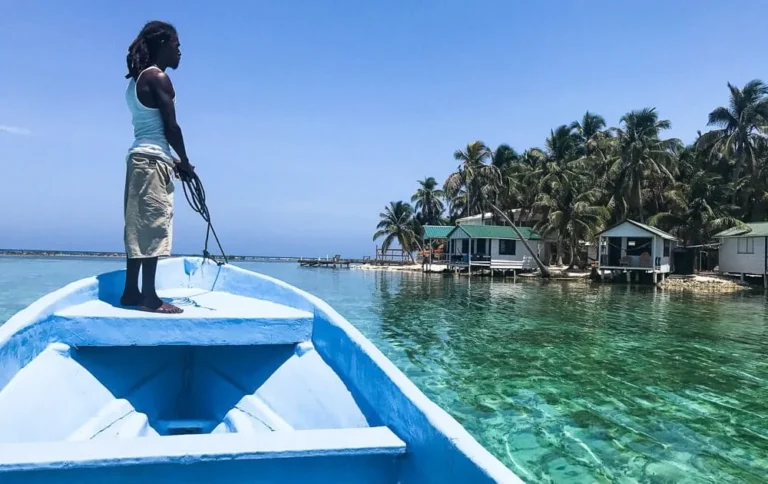
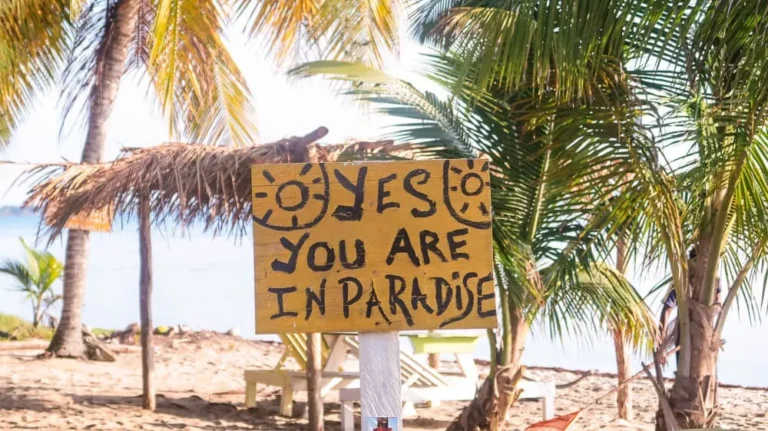
Getting from Nicaragua to El Salvador can be quite a ride if you travel by bus via Honduras. Luckily we stumbled upon the most scenic and relaxed way to cross borders: A boat ride via Golfo de Fonseca. Golfo de Fonseca is a gulf on the Pacific coast bordering Nicaragua, El Salvador, and Honduras making it the most convenient way to cross borders between the countries (if the waters are calm). Golfo de Fonseca is home to a large number of islands, the majority of which are uninhabited. Isla del Tigre is one of the most popular tourist destinations in the gulf. Golfo de Fonseca is also an important fishing ground, especially for shrimp.
It is possible to leave Potosi in the morning and be in El Salvador by noon, a stop on Isle del Tigre is worthwhile!
Nicaragua has been fantastic. But we have long been excited to visit El Salvador. Even though we do not mind bus rides in Central America, going by public bus from Nicaragua to El Salvador seemed like a long journey.
Of course, we were excited to learn that there is a supposedly more effortless way to get from Nicaragua to El Salvador by boat via Potosi.

Best Places to Stay Near the Golfo de Fonseca Border Crossing
The Golfo de Fonseca crossing is not a place where I would look for polished luxury. This part of eastern El Salvador feels far from the country’s better-known surf towns and colonial routes — quieter, hotter, more practical, and shaped by the gulf, fishing villages, mangroves and border movement. For accommodation, I would choose somewhere simple, local and easy for the next step of the journey: a place to rest before or after crossing between El Salvador, Honduras and Nicaragua.
Hotel y Restaurante Brisas del Golfo is the kind of place I would choose for practicality and local atmosphere rather than hotel polish. It works well if you want to stay close to the water, keep logistics simple and have food available on site before or after the crossing. In a region where tourism infrastructure is limited, that kind of ease matters.
I would recommend it for travelers who want a straightforward, locally rooted stopover — somewhere to arrive, eat, sleep and prepare for the next leg without overcomplicating the journey.
Casa Gangotena is the refined heritage choice, set beside Plaza San Francisco in one of the most beautiful parts of Quito’s old town. It is polished, but still deeply tied to place through its restored architecture, courtyard atmosphere and connection to the surrounding historic neighborhood.
ICoco Paradiso is worth considering if want to stay near the Pacific coast rather than rushing onward. It is set in Mechapa, just steps from Mechapa Beach, with a garden, terrace, shared lounge, restaurant and bar; the property also describes itself as a small beachfront retreat with only a few rooms, coconut trees, fruit orchards and direct access to the beach.
Chinandega – the hub to El Salvador& Honduras
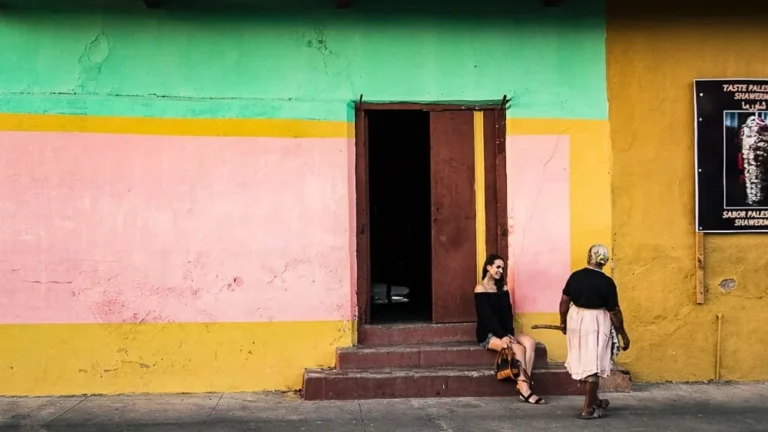
Our first stop Chinandega surprised us with its liveliness and vibrant flair. Just about 2 hours outside of Léon, the city functions as a gateway to Honduras and El Salvador as well as beautiful landscapes of the northwest of Nicaragua. Chinandega may not be one of Nicaragua’s most popular travel destinations, but it startled us with its authenticity and lively market. You can visit the nearby Cosiguina Volcano National Park from Chinandega and enjoy various activities, such as hiking, biking, and horseback riding.
After strolling around the authentic town, we squeezed into the fullest chicken bus of our journey.
From Potosi, Nicaragua to La Union, El Salvador
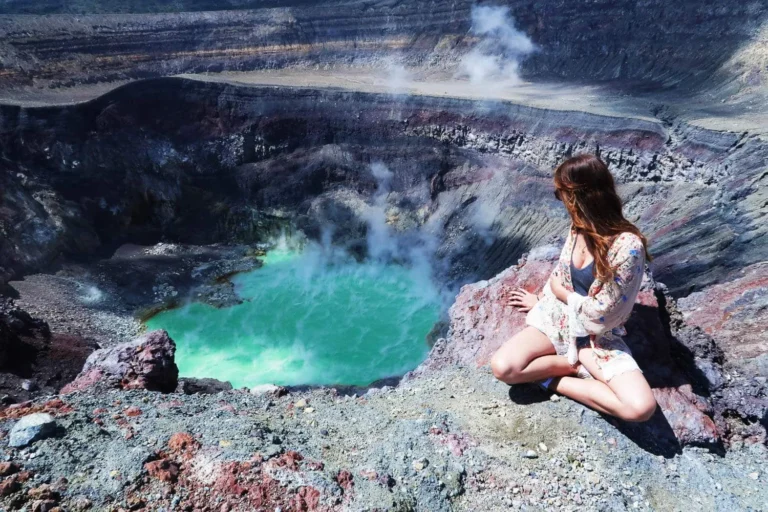
Stacked over each other, we traveled to Potosi, a small village lying at the feed of the impressive volcano Cosigüina. A relatively easy hike of 3,5 hours rewards visitors with stunning views not just of the volcanic lake, but also of the Golf de Fonseca and the neighboring countries El Salvador and Honduras.
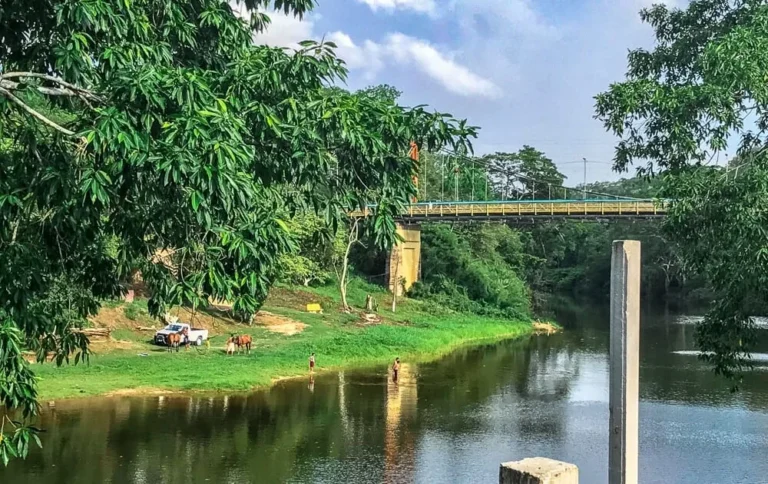
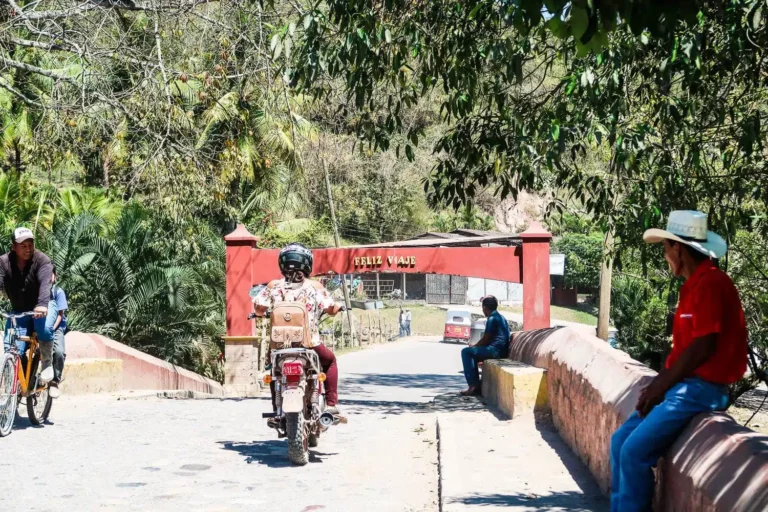
Our host advised us to just head to the border and wait there around 10 am. So, we did what we were told. The next morning we headed to the border. Unlike other Central and South American borders, the immigration office is nestled in a tranquil and idyllic location close to the sea.
We were the only people who seemed to be leaving or coming in. After getting our immigration papers, we waited by the sea.
We didn’t mind the wait. It was an excellent opportunity to dip into the ocean for the first time during this journey.
Isla Meguera
Isla Meanguera is a small island located in the Golfo de Fonseca, and even though it has almost no touristic infrastructure, however it is the most visited island in the Gulf. The former Lenca settlement offers incredible views of the gulf and the neighboring islands of Conchagüita and Zacatillo.
Where to stay on Isla Meguera:
- Homestay: Vicente Osorio (tel. 2648-0083)
Practical Travel Tips for El Salvador


Traveling El Salvador?
Places to visit in El Salvador
Do not skip El Salvador! It’s one of the most amazing countries to visit in Central America!