Sacred Spaces
Trinidad
Trinidad is a stunning island known for its rich cultural and religious diversity, making it an exciting destination for travelers seeking more than just picturesque beaches. With a blend of Hindu, Christian, Muslim, African, and Jewish traditions, the island’s sacred spaces offer a unique journey through its spiritual heritage. These religious sites are not only important to the island’s communities but are also fascinating for visitors looking to explore Trinidad’s multicultural identity. Whether you’re a spiritual seeker or simply interested in cultural history, these sacred spaces provide deep insight into the island’s heart and soul.
Here’s a guide to some of Trinidad’s most captivating religious sites, each offering its own story and significance.
The Magnificence of Hindu Temples in Trinidad
Dattatreya Temple and Hanuman Murti
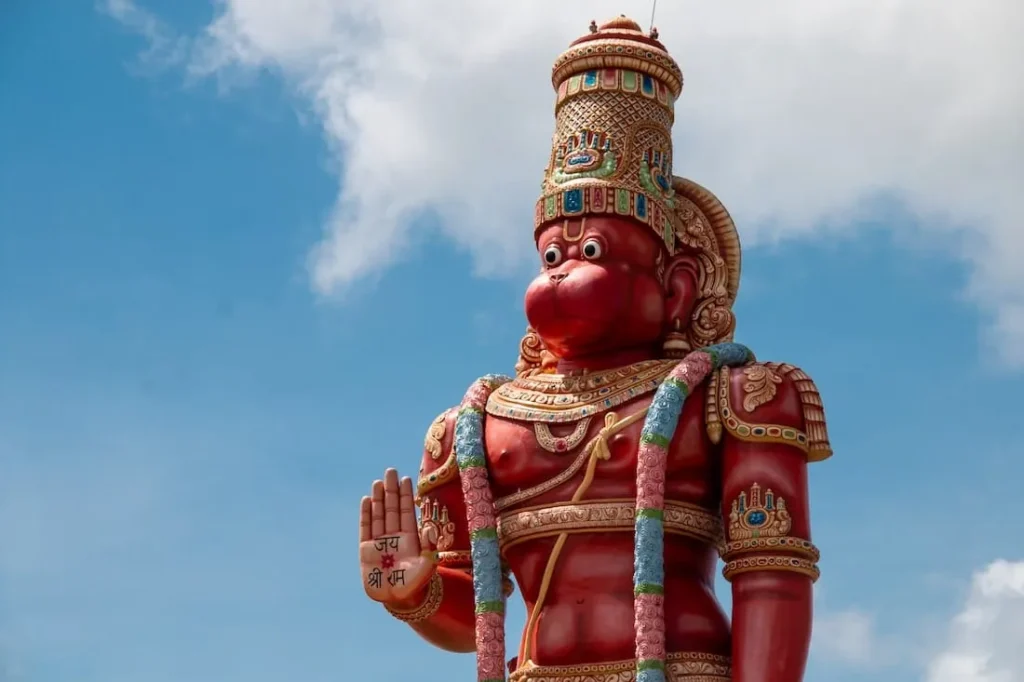
Located in Carapichaima, the Dattatreya Temple is home to the iconic 85-foot Hanuman Murti, the largest statue of Lord Hanuman in the Western Hemisphere. This towering statue is awe-inspiring, and the temple itself is a peaceful space dedicated to the Hindu deity Dattatreya. Visiting this temple allows travelers to experience the deep spiritual practices of the island’s Hindu community, who represent one of the largest religious groups in Trinidad.
- Why Visit?
The sheer size and detail of the Hanuman Murti make it a must-see, and the temple grounds are perfect for those looking to experience the calm and serenity of a spiritual environment. The temple”s architecture, with its vibrant colors and intricate details, reflects the beauty of Hindu artistry. - Visitor Information:
The temple is open to the public, and visitors are encouraged to dress modestly. While there, you can respectfully observe prayers and offerings, which are often conducted throughout the day.
Temple in the Sea (Waterloo Temple)
A testament to resilience and devotion, the Temple in the Sea is another sacred Hindu site located in Waterloo. This temple, built on a man-made island, was constructed by Siewdass Sadhu, an indentured laborer, after his initial temple was destroyed by the British authorities. The temple, surrounded by the tranquil waters of the Gulf of Paria, stands as a symbol of perseverance and faith.
- Why Visit?
The unique setting of the temple—literally in the sea—provides a serene and reflective atmosphere. It is a great place to meditate or simply enjoy the peacefulness of the location. It”s also a powerful representation of the enduring spirit of Trinidad”s Indian community.
Visitor Information:
Like the Dattatreya Temple, modest dress is required, and visitors are welcome to explore the temple grounds or participate in the regular religious services.
Christian Cathedrals and Churches: A Glimpse into Colonial Trinidad
Cathedral of the Immaculate Conception
Located in the capital, Port of Spain, the Cathedral of the Immaculate Conception is one of Trinidad”s most striking colonial-era buildings. This Roman Catholic church is a major landmark, known for its grand architecture and historical significance.
- Why Visit?
Travelers interested in history and architecture will appreciate the cathedral”s design, which reflects Gothic influences. The stained-glass windows and ornate interiors make it an impressive site, perfect for quiet contemplation or simply taking in its beauty. - Visitor Information:
The cathedral is open to the public, with masses held daily. Tourists are welcome to attend services, though it”s important to respect the local customs and worshippers.
Trinity Cathedral
The Anglican Trinity Cathedral, also located in Port of Spain, is another beautiful colonial-era church. Built in the early 19th century, it”s a significant piece of Trinidad”s Anglican heritage and offers visitors a glimpse into the island”s colonial past.
- Why Visit?
This church is renowned for its stained-glass windows and detailed woodwork. For those interested in Trinidad”s British colonial history, the cathedral provides context to the island”s Anglican traditions. - Visitor Information:
Visitors can explore the cathedral grounds and attend services. It”s best to visit during off-peak hours to avoid service times if you”re there for sightseeing.
The Influence of Islam: Mosques and Prayer Spaces in Trinidad
Jama Masjid (Queen Street Mosque)
As the oldest mosque in Trinidad, the Jama Masjid in Port of Spain has served as the spiritual home for Trinidad”s Muslim community for over a century. Its historical importance is matched by its role in preserving the Islamic faith on the island.
- Why Visit?
The mosque is an important symbol of the Muslim presence in Trinidad, with its simple yet elegant architecture. Visiting the Jama Masjid offers insight into the religious practices of the Muslim community, and the mosque is often a center of activity during Islamic holidays such as Eid.
Visitor Information:
Visitors are welcome to observe prayers but must dress modestly, with women covering their heads. Non-Muslims are not allowed in the prayer areas during worship times but can tour the grounds outside of prayer hours.
Spiritual Retreats and Nature-Based Religious Sites
The Asa Wright Nature Centre
Not traditionally a religious site, the Asa Wright Nature Centre is often regarded as a spiritual retreat for nature lovers. Located in Trinidad”s Northern Range, this lush sanctuary provides a peaceful space for reflection, meditation, and birdwatching.
- Why Visit?
The Asa Wright Nature Centre is perfect for travelers looking to connect with nature in a spiritual way. Many visitors describe the experience of being surrounded by wildlife as calming and reflective, making it an ideal spot for mindfulness and relaxation. - Visitor Information:
Open year-round, the centre offers guided tours. There is a small entrance fee, and reservations are recommended, especially during peak seasons.
Yerette: The Home of Hummingbirds
Another unique destination is Yerette, where spirituality and nature intersect. This private sanctuary, located in the Maracas Valley, is home to thousands of hummingbirds and is often described as a magical experience.
- Why Visit?
Yerette offers an experience like no other. Watching the hummingbirds in their natural habitat provides a sense of peace and wonder, making it a special visit for travelers who appreciate both nature and spiritual tranquility. - Visitor Information:
Visitors must book tours in advance as Yerette is privately owned. Be sure to bring a camera, as the hummingbirds are a photographer”s dream.
African Spiritual Traditions: Orisha Worship and Yoruba Practices
Orisha Shrines
Trinidad is home to many Orisha shrines, which are sacred spaces for followers of African spiritual traditions. These practices, deeply rooted in the Yoruba religion, have been preserved by descendants of enslaved Africans. The Orisha religion celebrates a connection with nature, ancestors, and deities known as Orishas.
- Why Visit?
For travelers interested in African heritage and spiritual traditions, visiting an Orisha shrine offers a unique opportunity to witness ceremonies, drumming, and prayer rituals. The energy and community spirit during these gatherings are remarkable.
Visitor Information:
While many Orisha sites are private, some communities welcome respectful visitors, especially during annual festivals like the Shango Festival.
Synagogues and Jewish History in Trinidad
Port of Spain Synagogue
The Port of Spain Synagogue is the only Jewish house of worship in Trinidad, but its presence highlights the small yet significant Jewish community that has contributed to Trinidad”s cultural fabric.
- Why Visit?
The synagogue offers a unique glimpse into a lesser-known aspect of Trinidad”s religious diversity. It”s particularly fascinating for those interested in Jewish history in the Caribbean.
Visitor Information:
Tours must be arranged in advance, and visitors should be mindful of Shabbat observances and Jewish customs.
Practical Travel Tips for Trinidad and Tobago