Year-Round Festivals and Events
TRINIDAD & TOBAGO
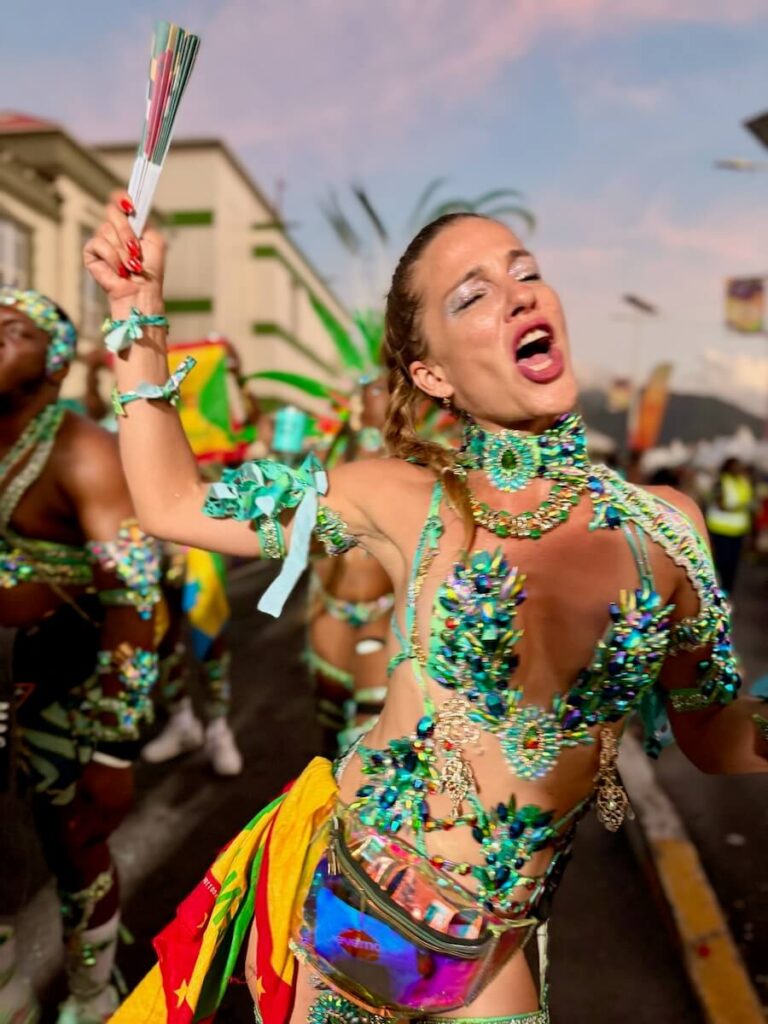
Did you know that Trinidad is home to over 20 major festivals throughout the year? While Carnival may be the island”s crown jewel, there”s so much more to discover beyond that iconic celebration. Imagine yourself swaying to the rhythm of steel pans, tasting the bold flavors of local street food, and being surrounded by the vibrant colors of cultural festivities—all outside the Carnival season. Joining these celebrations gives you a special chance to connect with locals and truly understand what makes Trinidad”s culture so rich and diverse. Ready to dive in? Let me walk you through Trinidad”s vibrant festival calendar—by the end, you”ll be more than ready to plan your trip and join the festivities yourself!
Planning Your Festival-Hopping Adventure in Trinidad
To make the most of Trinidad’s festival scene:
Best times to visit: While events happen year-round, September to November and March to May are particularly event-rich periods.
Accommodations: Book early, especially for major festivals. Consider staying in guesthouses or Airbnbs for a more local experience.
Transportation: Rent a car for flexibility, but be prepared for Trinidad’s lively traffic. Taxis and maxi-taxis (minibuses) are good options for getting around during festivals.
Cultural etiquette: Trinidadians are generally warm and welcoming. Dress modestly for religious festivals, and always ask before taking photos of people or sacred sites.
Trinidadian Music Festivals: A Symphony of Genres
Trinidad’s music scene is as diverse as its people, and there’s no shortage of festivals to prove it!
Trinidad and Tobago Steelpan Festival (July): Experience the birthplace of steelpan music at its finest! This week-long festival showcases the best pannists from around the world. Don’t miss the Panrama competition, where steel orchestras battle it out for supremacy.
Traveler’s Tip: Book your accommodations in Port of Spain early, as hotels fill up quickly during this popular event.
World Music Festival (March): A melting pot of global sounds, this festival brings together artists from across the globe. From reggae to jazz, soca to blues, there’s something for every music lover.
Traveler’s Tip: Bring a picnic blanket – many performances take place in outdoor venues.
Tobago Jazz Experience (April): Just a short hop from Trinidad, Tobago hosts this jazz extravaganza featuring both local and international artists. The beachside venues add an extra layer of Caribbean magic to the performances.
Traveler’s Tip: Consider splitting your stay between Trinidad and Tobago to fully experience both islands.
Trinbago Music Festival (August): Celebrating local talent, this festival is your chance to discover up-and-coming Trinidadian artists across various genres.
Traveler’s Tip: Engage with locals to get recommendations on the best emerging artists to watch.
Cultural and Religious Celebrations: A Mosaic of Traditions
Trinidad’s diverse cultural heritage shines through its year-round celebrations.
Hosay Festival (August/September): This solemn yet visually stunning Muslim festival features elaborate tadjahs (colorful model mausoleums) paraded through the streets.
Traveler’s Tip: The best places to witness this are St. James and Cedros. Remember to dress modestly out of respect.
Divali (October/November): The Hindu festival of lights transforms Trinidad into a glittering wonderland. Join in the celebrations by lighting deyas (small clay lamps) and sampling delicious vegetarian cuisine.
Traveler’s Tip: The Divali Nagar site in Chaguanas is the epicenter of celebrations, offering cultural performances and craft markets.
Easter (March/April): Experience unique Trinidadian Easter traditions, including kite flying on Easter Monday and the colorful Buccoo Goat Race Festival in Tobago.
Traveler’s Tip: Pack a kite or buy one locally to join in the Easter Monday fun at Queen’s Park Savannah.
Emancipation Day (August 1): This powerful celebration of freedom and African heritage features a vibrant street parade, African drum circles, and traditional cuisine.
Traveler’s Tip: Don’t miss the Lidj Yasu Omowale Emancipation Village for cultural exhibitions and performances.
Food and Drink Festivals: A Gastronomic Adventure
Trinidad’s culinary scene is a festival in itself.
Trinidad and Tobago Restaurant Week (September): Over 80 restaurants offer special menus and discounts. It’s the perfect time to sample the best of Trinidadian cuisine.
Traveler’s Tip: Make reservations early for popular restaurants, and try a mix of high-end and local eateries.
Tobago Blue Food Festival (October): “Blue food” refers to ground provisions that turn blue when cooked. This unique festival celebrates dasheen and other root vegetables in creative ways.
Traveler’s Tip: Come hungry and be prepared to try unusual flavor combinations!
Trinidad Moruga Scorpion Pepper Festival (July): For the brave-hearted, this festival celebrates one of the world’s hottest peppers. Try it if you dare!
Traveler’s Tip: Have some dairy products on hand to soothe the burn, and know your spice tolerance limits!
Carib Great Race and Beach Party (August): While technically a powerboat race, this event turns into a massive beach party with plenty of food, drink, and music.
Traveler’s Tip: Arrive early to secure a good spot on the beach, and don’t forget your sunscreen!
Arts and Literature Events: Celebrating Creativity
Trinidad’s artistic side shines through these cultural events.
Trinidad and Tobago Film Festival (September): Showcasing Caribbean and international films, this festival is a treat for cinephiles.
Traveler’s Tip: Book tickets online in advance for popular screenings.
NGC Bocas Lit Fest (April): The Caribbean’s premier literary festival features author readings, workshops, and lively debates.
Traveler’s Tip: Check the festival’s website for any writing competitions open to visitors.
Art Society’s Annual Exhibition (June): Admire works by local artists, both established and emerging, in this prestigious showcase.
Traveler’s Tip: Many artworks are for sale, offering a unique souvenir opportunity.
First Peoples Heritage Week (October): Learn about Trinidad’s indigenous heritage through exhibitions, craft markets, and performances.
Traveler’s Tip: Visit the Santa Rosa First Peoples Community in Arima for an immersive experience.
Sports and Adventure Events: Thrill-Seekers’ Paradise
For those who like their festivals with a side of adrenaline:
Trinidad and Tobago Marathon (January): Join runners from around the world in this challenging race through Port of Spain.
Traveler’s Tip: Even if you’re not running, the festive atmosphere makes it worth watching. Position yourself near a pan yard for musical encouragement!
Great Race (August): This thrilling powerboat race from Trinidad to Tobago is a national institution.
Traveler’s Tip: Watch the start at Williams Bay, Chaguaramas, or the finish at Store Bay, Tobago.
Rainbow Cup Triathlon (June): Test your mettle in this Olympic-distance triathlon in Tobago.
Traveler’s Tip: Participants should arrive a few days early to acclimatize to the tropical conditions.
Tobago International Cycling Classic (September/October): This multi-stage race attracts cyclists from around the world.
Traveler’s Tip: Rent a bike to explore Tobago’s scenic routes yourself before or after the race.
Practical Travel Tips for Trinidad and Tobago