Quito
ECUADOR
The world’s highest capital
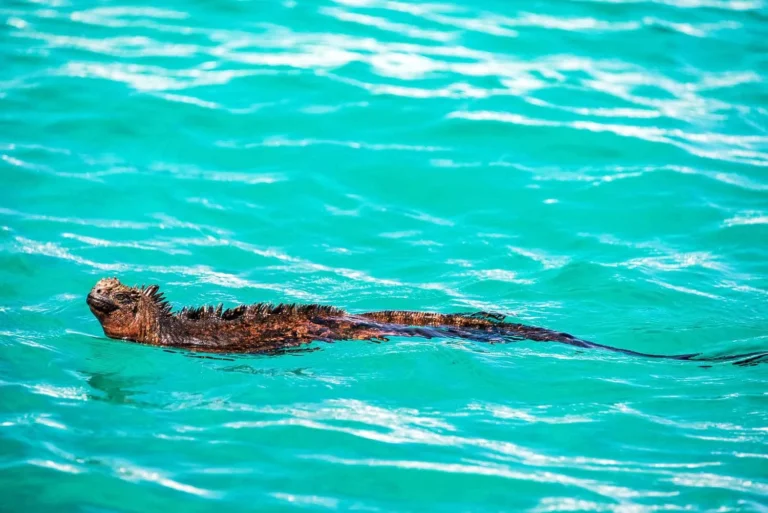
After having such an incredible wildlife experience on the Galapagos Islands, we were ready for some city adventures in Quito. The world’s highest capital has been Lauri’s home for some time, so our visit almost felt like visiting home. Quito, the capital of Ecuador, is perched high in the Andes mountains at an elevation of 9,350 feet. It is home to a variety of cultures and landscapes. From its world-renowned architecture and stunning views to its diverse mix of ethnic groups and creative people, Quito is a city not to be missed.
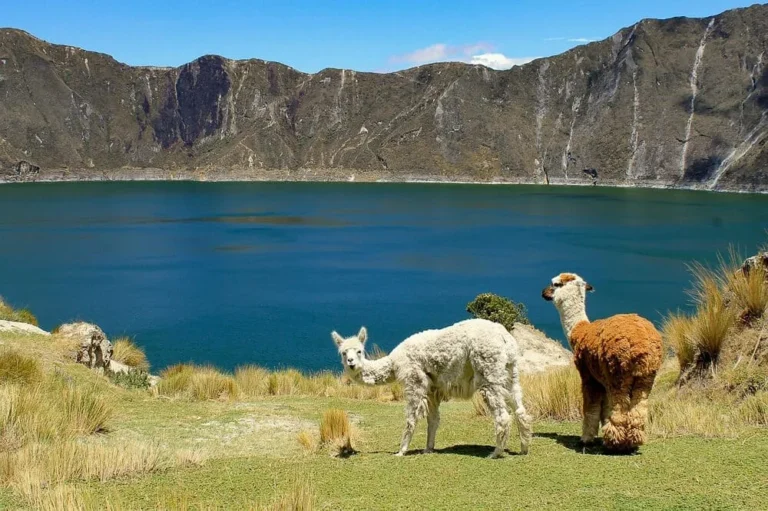
Quito is an intense place to visit. However, if you feel like taking a break from the city, Quito’s surroundings will leave you speechless. Climb volcano Cotopaxi, venture out to the Amazon lowlands, explore the Quilotoa crater, or hang out in Mindo. There are countless things to do around Quito.
We loved the lively, authentic feeling and highly recommend spending at least a week in Quito to experience its incredible energy. Being a cultural hub, there is not only plenty to learn and discover in Quito, but you’ll also find some of the best food in all of South America.

Best places to stay in Quito
Quito should not be treated as a place to sleep between bigger trips. The city has its own gravity — altitude, stone churches, inner courtyards, steep streets and a historic center that still feels lived-in. For this guide, I would choose stays that preserve that character: restored houses, local teams, neighborhood ties and, where possible, a connection to the Andean landscapes just beyond the city.
Carlota is my strongest pick for a thoughtful Quito stay: a restored historic house in the old town, reimagined with contemporary design, sustainability and local culture in mind. I would choose it for travelers who want atmosphere without old-fashioned heaviness — close to Quito’s historic center, but with a fresh, conscious feel.
Casa Gangotena is the refined heritage choice, set beside Plaza San Francisco in one of the most beautiful parts of Quito’s old town. It is polished, but still deeply tied to place through its restored architecture, courtyard atmosphere and connection to the surrounding historic neighborhood.
Ikala is a good choice if you want to stay in Quito itself, but outside the more obvious old-town hotel scene. Set in La Mariscal, it feels more connected to the city’s everyday present — restaurants, cafés, galleries, traffic, street life — rather than only its colonial past.
What makes it worth considering is its neighborhood approach. Ikala highlights local involvement and support for community projects, which gives the stay a more grounded angle than a standard city hotel. I would choose it for travelers who want Quito to feel less like a historic stopover and more like a living, working cit
Take a teleferico and enjoy Quito’s (literally) breathtaking views
High in the Andes, Quito offers fascinating views. The Teleferiqo, a 2.5 km long cable car route, leads over the slopes of the volcano Pichincha to the so-called Cruz Loma. Admittedly, it’s a bit nerve-racking to get up, but once we made it, the view was spectacular! We couldn’t decide whether to marvel at 1000 colorful houses or the dramatic mountain landscape. It is best to leave as soon as the Teleferiqo opens at 09:00 because the first clouds usually come up around noon. The ticket costs $7.50. Once you arrive at the top, you can find a nice place in the meadow, relax and soak up the view over Quito’s rooftops. If you still want to go higher, you can climb the peak of Rucu Pichincha in a three-hour hike
Quito’s Centro Historico:
The historic old town is, without a doubt, the jewel of the city. The old town deserves its very own “Things to do” because there is so much to discover.
Plaza Grande is a perfect starting point. Sit among locals, street vendors, and playing children and enjoy the atmosphere. It’s a lively and charming place. Imagine that just years ago, Ecuador’s former president had to be flown out of the Palast to avoid the protesting masses.
Our tip: Quito offers interesting free walking tours. Discover the old town, architecture, food, and surroundings with local guides.

Presidential Palace
At the Plaza, you will also find the Ecuadorian presidential palace, which you can visit as part of a free guided tour. We loved the detail with which our guide explained Ecuador’s somewhat turbulent history. Every Monday at 11 am, there is a “changing of guards” ceremony.
National Bank
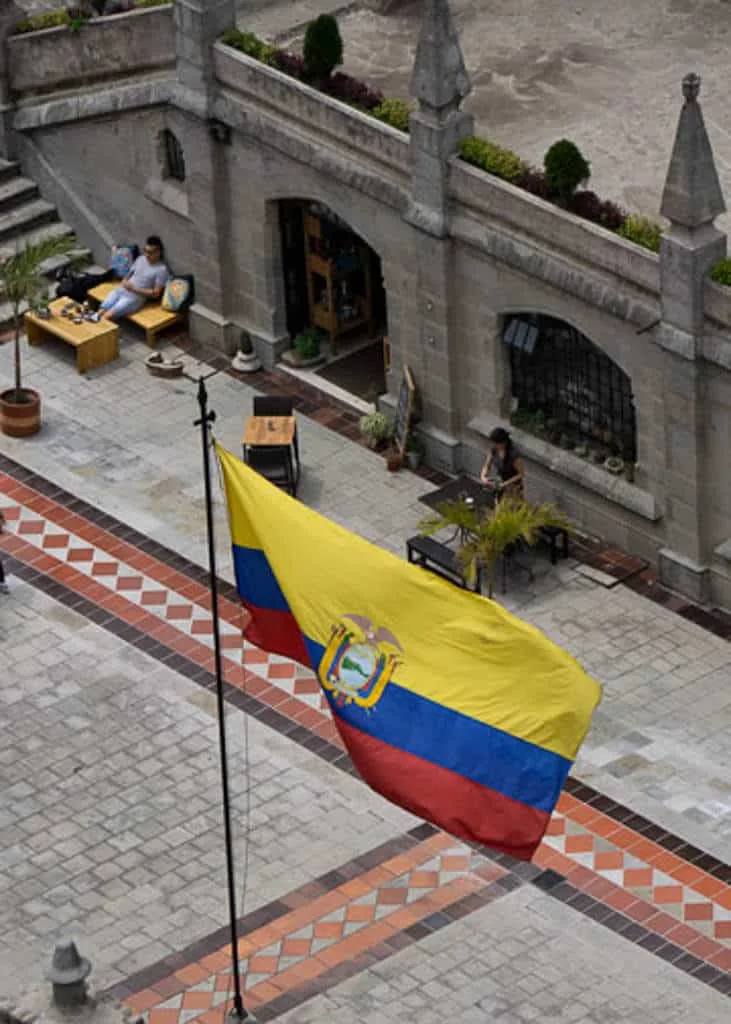
One of our tour highlights was visiting the former Central Bank of Ecuador. There, we learned about the significant inflation and Ecuador’s tormented and turbulent times.
Today, Ecuador has overcome those times, and the colorful streets around the central Plaza can bear witness. In the many small alleys, you will find one architectural gem after the other. But unfortunately, many buildings, such as the Metropolitano Cultural Center, only reveal their beauty when entering them.

La Ronda (old town)
Finish your trip in the old town, either in pretty La Ronda or a chic restaurant in Parque Itchimbia.
La Ronda is an exciting little alley with many small bars and restaurants, colorful buildings, and artistic walls.
In Parque Itchimbia, you will find restaurants offering a magnificent view of the old town. Centro Historico has so much to offer that it is worth planning at least two days for a relaxing visit to the old city.
Cathedrals, Churches & Monasteries
Ecuador is a country with a rich history and culture, and religion plays a large role in that. The capital city of Quito is home to some of the country’s most beautiful and historic churches. If you’re interested in learning more about Ecuador’s religious heritage, visiting these churches is a must. The Churches of San Francisco and La Compania de Jesus are two of Quito’s most popular tourist attractions. Both churches are incredibly ornate, with detailed architecture and stunning works of art. In addition, they offer a glimpse into the religious beliefs of the people of Ecuador. If you’re looking to experience this fascinating country’s rich culture and history, then be sure to add a visit to these churches to your itinerary.

Gothic Basilica de Voto National
Quito’s landmark impresses with its incredible towers. You can climb the basilica, and the views over Quito are stunning. However, it’s nothing for people with a fear of heights. The way leads over wobbly ladders and narrow transitions

Compañía de Jesús
The church of the Compañía de Jesús’s interior is almost entirely decorated with gold leaves. Although the church is considered the most beautiful in Ecuador, this exaggerated representation of a religious identity makes us rather thoughtful. The history of Ecuador and the dramatic conquest of the indigenous population was in no way glamorous.

El Sagrario
We found the church El Sagrario very pretty. Tucked away behind the cathedral, the church is too often overlooked. Although it is much less magnificent than the gilded Compañía de Jesús, El Sagrario scores with its striking colors, decorations, and authentic atmosphere.
Chill out at Quito’s many parks
Parks are a great way to spend an afternoon, especially when they are as beautiful as the ones in Quito. Parks provide a place for people to relax, picnic, and exercise. They can also be used as a space for cultural events and festivals. Parks in Quito include Parque La Carolina, Parque El Ejido, and Parque Itchimbia.
Park El Ejido
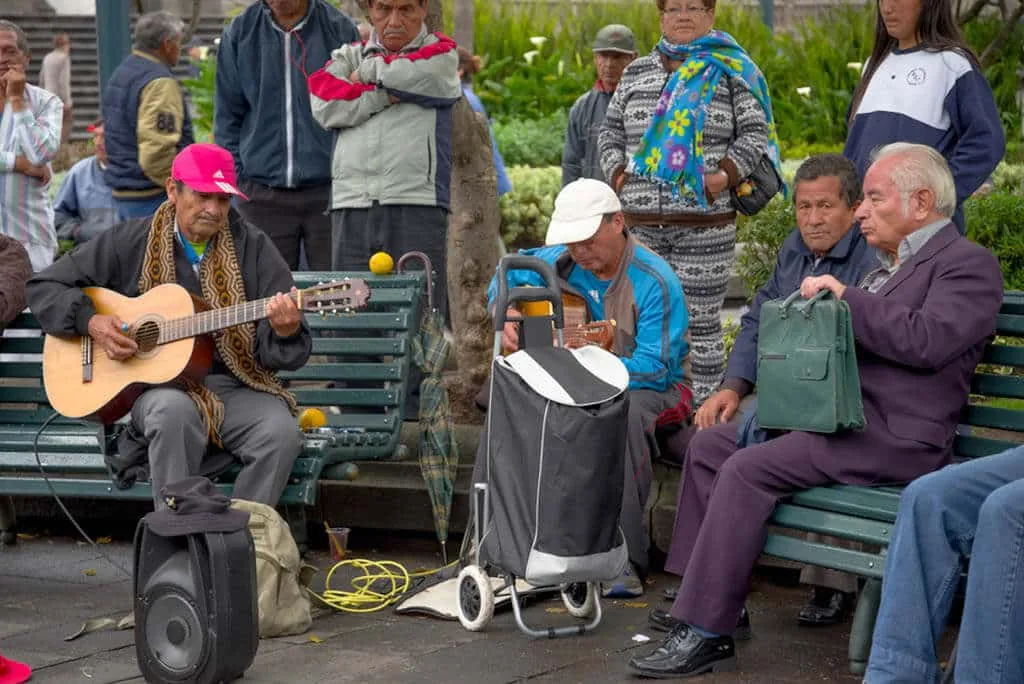
This lovely park is located between Mariscal and the Centro Historico. We loved hanging out there for two reasons: it’s a great place to meet locals, and there is tons of street food.
Street food vendors sell traditional delicacies at low prices. May it be meat skewers, plantains, mote (cooked and peeled corn grains), tostada (roasted corn grains), or merely a delicious fruit salad. We loved Ecuador’s food! The small country has a lot to offer in terms of culinary delights.

Parque La Carolina
Parque La Carolina is the largest park in the city and is home to a variety of trees and plants, as well as a lake where you can go canoeing or paddle boarding. Parque El Ejido is notable for its large fountain, built in the 19th century. Parque Itchimbia is located on a hill and offers stunning city views. Spending an afternoon in one of these parks is an excellent option if you’re looking for things to do in Quito.

Parque Metropolitano
Parque Metropolitano is one of the best places to go in Quito if you’re looking to get some fresh air and take in some stunning views. The park offers a number of hiking and biking trails, as well as plenty of open space to just sit and enjoy the view. On a clear day, you can see all the way to the top of Volcán Cotopaxi – one of the tallest volcanoes in the world. If you’re looking for something a little more active, Parque Metropolitano is definitely worth a visit.
Discover “Mitad del Mundo”, the center of the world
Just outside of Quito, the capital on the equator, a monument marks the “center of the world.” A monolith with a globe at the top represents the Mitad, del Mundo. In addition, you’ll find a large park, museum, and planetarium close by. An excursion to the equator monument makes up for a relaxing day with a bit of history and culture.
Admission to the monument and museum is $5. You can reach Mitad del Mundo by public bus in about one hour for about 0,50 Cent.
Street art in Quito
The street art in Quito is some of the most vibrant and unique you’ll find anywhere in the world. From political statements to community pride, there’s a mural for everyone in Quito. The artists who create these murals are incredibly talented, and they’re often members of the community they’re painting in. This makes their work even more special, as it’s a way for them to connect with their neighbors and make a positive impact on their city. If you ever find yourself in Quito, be sure to seek out these amazing murals – they’re sure to brighten your day.
Take a cooking class
If you’re interested in learning about Ecuadorian cuisine, what better way to do it than by taking a cooking class? Quito is filled with culinary institutes offering classes for all levels of interest and expertise. I took a cooking class while I was visiting Quito and it was one of the best decisions I made during my trip. Not only did I learn how to cook some traditional Ecuadorian dishes, but I also got to experience the culture and traditions firsthand. The cooking class was led by a local chef who was extremely knowledgeable about the cuisine and was able to answer any questions we had. It was a great way to learn about the food of Ecuador and I would highly recommend it to anyone who wants to experience the culture through food.
Admission to the monument and museum is $5. You can reach Mitad del Mundo by public bus in about one hour for about 0,50 Cent.
Quito’s nightlife
There’s no shortage of things to do in Quito after dark. Whether you’re in the mood for dancing, drinking, or simply socializing, you’ll find plenty of options. One of the best places to start your night is La Ronda. This pedestrian-only street is lined with bars, cafes, and restaurants, and it’s always lively. If you’re looking for something more low-key, grab a drink at one of the many rooftop bars in the city. For a truly traditional Ecuadorian experience, check out one of the many salsa clubs. And if you’re in the mood for live music, there are plenty of options, from jazz clubs to venues that feature local bands.
Shop the local markets
Ecuador’s capital city, Quito, is a great place to get a taste of the country’s diverse culture. One of the best ways to do this is by visiting one of the many markets that dot the city. From fresh produce and handcrafted goods to delicious food, you’ll find a little of everything at Quito’s markets. Even if you’re not looking to buy anything, spending an hour or two browsing the stalls and chatting with the vendors is a great way to get a feel for the city. Just be sure to haggle! Prices are usually negotiable, so it’s worth trying to get a better deal. And of course, there’s plenty of delicious food to try. So whether you’re looking to do some shopping or just soak up some local flavor, a visit to one of Quito’s markets is a great choice.
Daytrip: Otovalo – the biggest Quechua market in the world
Otavalo’s market has often been recommended to us, and after reading about it on “the queen of water” by Laura Resau, we were even more excited to go. (By the way: we highly recommend the book!)South America’s most famous and largest indigenous market is every Saturday in Otovalo. We were somewhat disappointed as the market offers identical products to Quito’s textile and artisan markets. Nevertheless, Otovalo is worth a visit! Take some time to spend the whole day in the village; it has a unique flair! In Otavalo, we observed and learned a lot more about indigenous. The Otovalenos are very proud of their indigenous heritage. Until today, they wear traditional clothing and speak Quechua predominantly.
Practical Travel Tips for Quito

Traveling Ecuador?
Places to visit in Ecuador
Dive into a land of contrasts!