Ecuador’s rainforests
ECUADOR
Biodiversity like nowhere else on earth
Ecuador’s amazonas are some of the most biodiverse in the world, and a visit there is unlike any other wildlife experience. Whereas in Africa you might travel by jeep to see animals in the savannah, or by boat to go whale watching, in Ecuador you have to travel on foot or by small boat.
This means that the wildlife is all around you and yet might be difficult to spot. However, this also makes Ecuador’s Amazonian region a genuinely immersive experience. You can’t help but feel like you’re a part of the ecosystem rather than just an observer. We observed the wild nature with absolute awe, but we also felt a bit uneasy at times. When sleeping, eating, and living in the middle of the jungle, you naturally encounter many wild animals and insects. We hoped the tarantula crawling on the ceiling above our heads had no intention of coming down to us
However, you’ll be rewarded with sightings of everything from monkeys and sloths to exotic birds and reptiles. It’s an unforgettable experience and one that will stay with you long after you’ve left Ecuador. There are two ways to go about your adventure in Ecuador’s rainforest. You can either go on a multiple-day tour to the Cuyabenyo Wildlife Reserve or base yourself in Tena and venture out there

Best places to stay in Ecuador’s Amazon
The Ecuadorian Amazon is not a place where I would choose accommodation casually. A lodge here shapes almost everything: how deep into the rainforest you go, who guides you, what communities benefit from your stay, and how carefully the forest is treated. For this guide, I would focus on lodges that are Indigenous-owned, community-led, conservation-minded or genuinely rooted in the territory around them.
Kapawi is one of the strongest choices if you want your Amazon stay to feel truly community-rooted. The lodge is 100% owned and operated by the Achuar Indigenous community, and its tourism revenue supports the community, cultural preservation and rainforest protection. It is remote, so getting there takes more effort, but that is also part of what makes it meaningful: you are not just staying near the rainforest, you are entering Achuar territory with local guidance.
I would choose Kapawi for travelers who want the Amazon to feel less like a lodge experience and more like a deeper cultural and ecological journey.
Napo Wildlife Center is one of the best-known eco-lodges in the Ecuadorian Amazon, located deep inside Yasuní National Park. It is connected to the Kichwa Añangu community and is often described as a leading community tourism project that links biodiversity protection with local empowerment. This is a good choice if you want a more established lodge experience, excellent wildlife access and a clear conservation/community framework.
I would choose Napo Wildlife Center for travelers who want the Amazon to feel immersive, but still highly organized and comfortable.
Napo Cultural Center is a thoughtful alternative if you want the cultural side of the Amazon to be more central to the stay. Also located in the Yasuní area, it frames the experience around both rainforest biodiversity and Kichwa cultural connection. The lodge presents itself as a place where nature and culture come together, which makes it especially relevant if your article is not only about wildlife, but about understanding the Amazon through people, stories and place.
I would recommend it for readers who want a softer, culture-led Amazon experience rather than only a wildlife checklist.
Cuyabeno Wildlife Reserve
Cuyabeno Wildlife Reserve is Ecuador’s second largest national park and a mecca for wildlife enthusiasts. “The land between waters,” as looks call it, can only be visited on a guided tour ranging from 3-5 days. Though we are not always the biggest fan of tours, our 4- day journey was one of our biggest travel highlights!
Cuyabeno’s pristine wetland is home to over 500 species of birds, ten different types of monkeys, anacondas, caimans, jaguars, pink river dolphins, manatees, and a variety of fish, including arapaima and piranhas. The sounds, smells, and intensity of the jungle can’t be put into words!
On top of the fantastic wildlife experience, you can also learn about sustainable eco-tourism at local family farms, where they offer tours and teach visitors how to prepare traditional yucca bread made by their neighbors – the SIONA tribe living nearby.
Wildlife in Ecuador’s rainforests
Many rainforest animals are still unknown to science, and new species are always being discovered. The forest floor contains insects, spiders, rodents, snakes, and lizards. You’ll find monkeys, sloths, toucans, and macaws in the trees. And there are caiman, piranhas, anacondas, and river dolphins in the rivers.
If you’re lucky, you might even spot a jaguar or an Amazonian tree boa.
Visit the SIONA tribe in Cuyabeno
The Siona tribe is one of the many indigenous tribes that live in the Cuyabeno Wildlife Reserve. The Siona people have lived in the rainforest for centuries, and they have a deep respect for nature.
The Siona tribe is known for its beautiful hand-woven fabrics and baskets, which they sell to tourists. They also offer rainforest tours, where you can learn about plants and animals.
If you visit the Cuyabeno Wildlife Reserve, be sure to take a tour with a member of the Siona tribe! You’ll not only learn so much about this amazing place but also support its inhabitants.
Land between waters
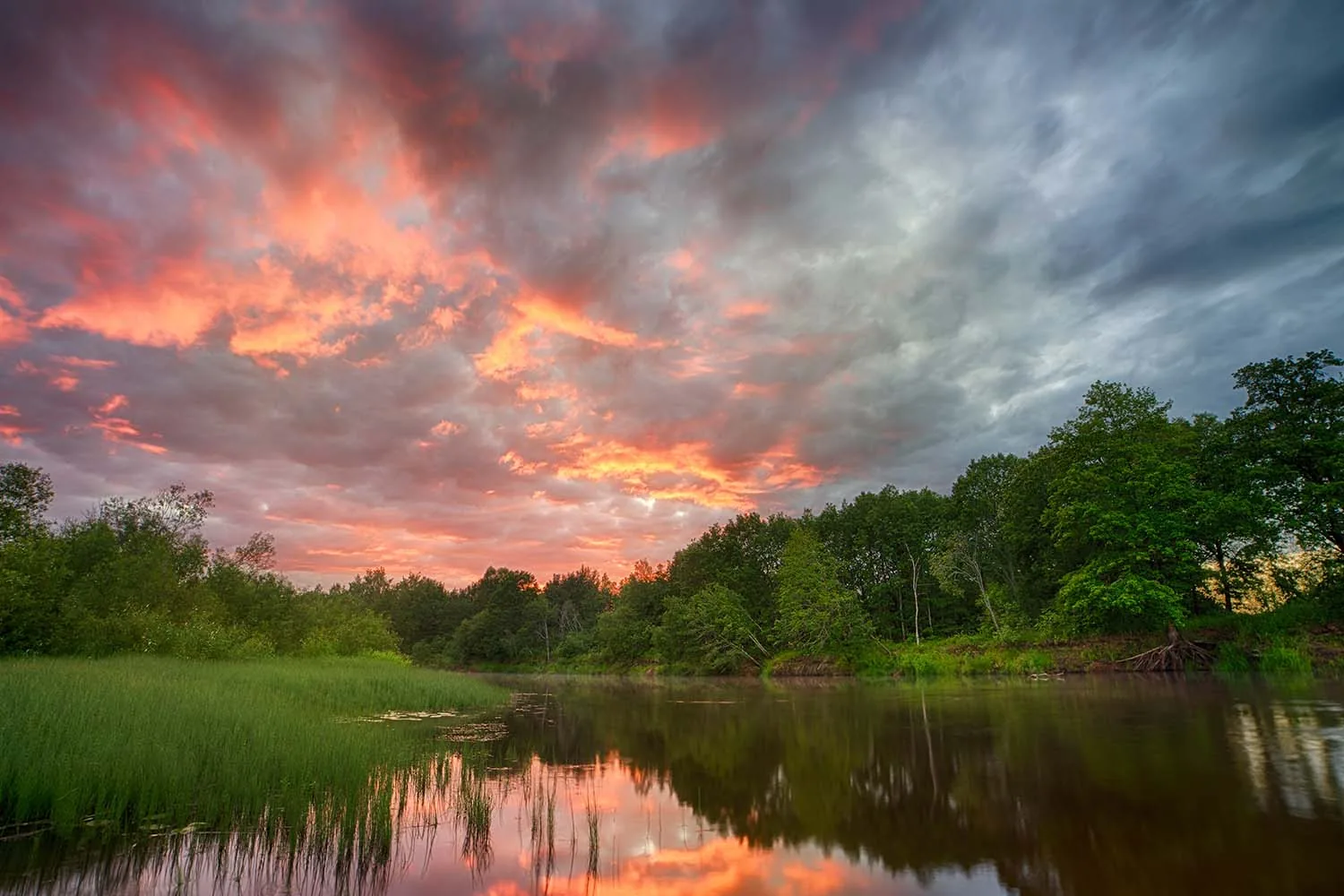
The Cuyabeno Wildlife Reserve is home to an incredible variety of plant and animal life. But what sets it apart is its water system. The reserve is crisscrossed by a network of rivers, lakes, and creeks teeming with fish, turtles, caiman, and other aquatic creatures. And when the sun goes down, the rivers come alive with hundreds of fireflies flickering in the darkness. It’s truly a magical sight. By the way: the sunsets in Cuaybeno are out of this world beautiful!
Practical Travel Tips for Ecuadorian Amazon


Traveling Ecuador?
Places to visit in Ecuador
Dive into a land of contrasts!