Santo Domingo
DOMINICAN REPUBLIC
My Santo Domingo Bucket list
After soaking up the energy of Jamaica Carnival, I’m trading soca beats for merengue rhythms and heading to Santo Domingo, the vibrant capital of the Dominican Republic. I’ve visited the DR before—those postcard-perfect beaches were a family vacation favorite—but this time, I’m after something deeper.
Santo Domingo feels like a warmer Bogotá to me: lively, layered, and full of surprises. With its mix of colonial charm, Caribbean flair, and modern edge, it’s a city that invites you to wander and taste and feel.
So here’s my personal bucket list for exploring this fascinating capital—from walking centuries-old cobblestone streets in the Zona Colonial to trying every plate of mofongo I can find. Whether it’s culture, coastline, or cuisine, I’m diving in headfirst. Let’s go.
Best places to stay in Santo Domingo
Santo Domingo is a city where I would choose atmosphere over a generic hotel room. For a first visit, I would stay in or close to the Zona Colonial — not only because it is practical, but because it gives you the strongest sense of the city.
This is where Santo Domingo feels most layered: old stone streets, restored houses, shaded courtyards, museums, cafés, music drifting from open doors, and the feeling that history is not hidden away in one attraction, but part of the everyday street scene.
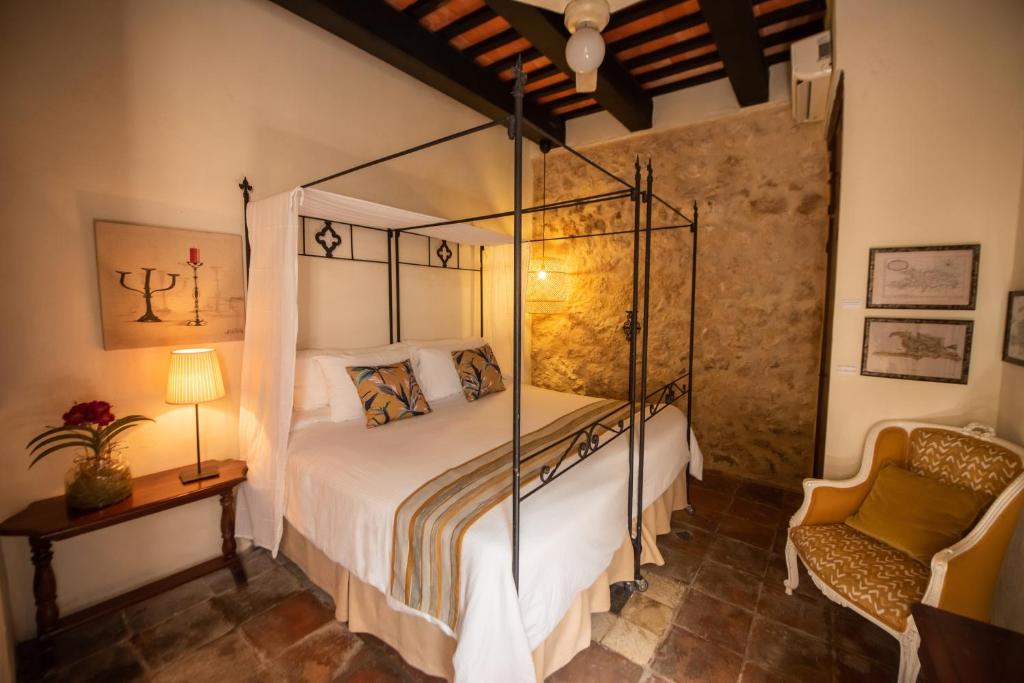
Casas del XVI is the dream stay if you want Santo Domingo to feel elegant, intimate, and deeply tied to its history. Instead of one large hotel building, it is spread across beautifully restored colonial houses, which makes the experience feel much more personal.
I would choose it for a special trip — the kind where the hotel is not just a base, but part of why you came. It is one of the most atmospheric stays in the Colonial Zone, especially if you love design, history, and quiet luxury.
Best for: couples, design lovers, special occasions, and travelers who want the most memorable stay in the old city.
For something smaller and full of character, El Beaterio Casa Museo is a beautiful fit. It feels less like a standard hotel and more like staying inside one of Santo Domingo’s historic stories. The atmosphere is old-world, quiet, and a little romantic, without feeling overly polished.
I would choose El Beaterio if I wanted a stay with soul — somewhere simple, atmospheric, and close enough to explore the Colonial Zone slowly on foot.
Best for: solo travelers, couples, culture-focused visitors, and anyone who prefers historic charm over hotel gloss.
Jardín Colonial Boutique Hotel is another useful option if location matters most. It keeps you close to many of the Colonial Zone’s main sights, which makes it easy to explore without constantly thinking about transport.
I would choose it for a shorter stay, especially if the goal is to walk, see the historic center, stop for coffee, visit museums, and return easily between plans.
Best for: short stays, first-time visitors, walkers, and travelers who want a simple base in the historic core.
What is Santo Domingo Known for?
Santo Domingo is the oldest continuously inhabited European settlement in the Americas—and it wears that legacy with pride. Founded in 1498, the city’s Zona Colonial is home to “firsts” of the New World: the first cathedral (Catedral Primada de América), the first paved road, and even the first university.
But Santo Domingo is more than just history. What makes it truly special is how that history blends with the vibrancy of modern Dominican life. One moment you’re exploring 16th-century fortresses like Fortaleza Ozama, and the next you’re dancing to bachata in a hidden courtyard or browsing colorful street art near Calle Hostos.
The city pulses with life—especially along the Malecón, the waterfront promenade where locals gather at sunset. You’ll find thriving street food scenes, bustling markets like Mercado Modelo, and lush escapes like the National Botanical Garden or Los Tres Ojos, a series of crystal-clear limestone caves right in the city.
Add in warm, welcoming people, fresh Caribbean flavors (hello, mofongo and fried fish), and a nightlife that starts late and ends even later—and you’ve got a city that feels both historic and wildly alive.
Zona Colonial in Santo Domingo
Zona Colonial surprised me. It’s not overly polished or overly curated. It’s real, it’s layered, and best of all—it’s walkable enough to get lost in, without ever feeling lost.
Yes, it’s a UNESCO World Heritage Site, and yes, it’s home to the oldest cathedral in the Americas—but it’s also incredibly walkable, lively, and real.
The whole area is compact enough to explore on foot, and I found it super easy to navigate thanks to one of the best tourist information centers I’ve come across in the Caribbean, right near Parque Colón. They offered free maps, suggested walking routes, and even helped me find a local guide on the spot.
Where to stay in Zona Colonial
My favorite tours
Santo Domingo History of Slavery Guides Tour
Colonial Santo Domingo and hidden natural beauties City Tour

Highlights of Zona Colonial
Catedral Primada de América – The oldest cathedral in the New World, built on a former Taíno ceremonial site. The sense of history here is palpable—don’t skip the small museum inside.
Las Damas Street – Peaceful and atmospheric, this is the oldest paved street in the Americas. Walk it early in the morning for soft light and few crowds.
Parque Colón – A perfect people-watching spot. I spent ages here, just soaking up the energy—musicians, food carts, and locals catching up on benches.
Pat’e Palo in Plaza de España – Touristy, yes, but also beautiful at golden hour. Sitting here with a drink and watching the light shift on the Alcázar de Colón was unforgettable.
Calle El Conde – Santo Domingo’s main pedestrian street, full of life. It’s where street vendors sell fresh juice, schoolkids walk home, and random dance battles sometimes happen.

Hidden Gems in Zona Colonial
Casa de Teatro – An unassuming cultural hub tucked behind a leafy courtyard. It hosts indie films, jazz nights, and experimental theatre. I stumbled in during a poetry reading and stayed for a glass of wine.
Museo de la Porcelana – A tiny, quirky museum of antique porcelain. I found it by accident while escaping the sun and ended up chatting with the owner for half an hour.
Callejón de Regina – A narrow, graffiti-covered alley turned art space with colorful murals, little cafés, and a mellow vibe that feels more Mexico City than Caribbean capital.
Casa Quien – A contemporary art gallery that blends colonial architecture with bold, thought-provoking exhibits. It felt refreshingly local and current.
Santo Domingo’s historical sites
I love visiting historical sites and buildings as they will deepen my understanding of the city’s past and also provide a rich cultural experience. Here is the list of buildings on my Santo Domingo bucket list.
- Alcázar de Colón: The former residence of Diego Columbus, Christopher Columbus’s son, is a beautifully preserved colonial mansion showcasing period furniture and art, offering a glimpse into 16th-century colonial life.
- Catedral Primada de América: The oldest cathedral in the Americas, dating back to the early 16th century, boasts stunning Gothic and Renaissance architecture and houses numerous religious artifacts.
- Fortaleza Ozama: This historic fortress, dating to the 1500s, offers panoramic views of the city and the Caribbean Sea and provides insights into the city’s defenses during colonial times.
- Museo de las Casas Reales: This museum was once the administrative center of Spanish colonial rule and now houses an extensive collection of artifacts, providing a comprehensive look at Santo Domingo’s history.
- Calle Las Damas: Known as the first street in the Americas, it’s a charming cobblestone street flanked by historic buildings and provides a pleasant stroll through colonial architecture.
- Parque Colón: The central square in the Zona Colonial, featuring a statue of Christopher Columbus and surrounded by historic buildings, making it an excellent starting point for exploration.
- Monasterio de San Francisco: This historic monastery showcases Gothic and Renaissance architecture, and its catacombs are a haunting and intriguing visit.
- Casa de Tostado: A beautifully restored 16th-century merchant’s house that now serves as a cultural center, offering insights into the city’s history and culture.
- Plaza de España: A scenic waterfront square featuring a monument to Spain and a variety of restaurants and cafes, perfect for relaxing after a day of historical exploration.
- National Pantheon: Situated amidst several other Zona Colonial highlights, it’s conveniently located and hard to miss. It’s free to visit!
One thing that had been high on my Santo Domingo bucket list was finally doing a cacao tour—specifically the one by KahKow, a name I kept hearing from locals and travelers alike. And let me tell you, it was so much more than just a chocolate tasting.
What makes the KahKow Experience so special is how deeply it connects you to the entire journey of chocolate—from bean to bar. You don’t just walk through a factory; you get to learn about the real roots of Dominican cacao. It starts at the source: the farms. Seeing how the cacao pods are grown and harvested, hearing the stories of the farmers, and understanding their sustainable methods—it’s incredibly grounding. You feel the rhythm of the land and the pride behind every pod.
Back in the city, stepping into the KahKow factory is like entering a chocolate-scented dream. Watching the process unfold—from drying and roasting the beans to pouring them into molds—was fascinating. It’s artisanal, hands-on, and nothing like the mass-produced stuff most of us are used to.
But the best part? The tasting. Obviously. From velvety dark chocolate to unexpected local infusions, each bite felt like a tiny celebration of Dominican culture. I left with a few bars for friends (okay, mostly for myself) and a newfound respect for the people behind this craft.
If you’re even slightly into chocolate—or just want to support local, sustainable producers—this is a must-do. It’s one of those experiences that tastes good and feels good.
Learning about rum
Rum and sugarcane aren’t just part of the Dominican Republic’s flavor—they’re woven into its very history. Walking through the streets of Santo Domingo, it’s hard not to feel the weight of the past when you realize how deeply these two products shaped the Caribbean as we know it.
Sugarcane, introduced during colonial rule, quickly became the engine behind the region’s wealth—but at a devastating human cost. The demand for sugar fueled the transatlantic slave trade, and vast plantations sprung up across the Caribbean, forever altering its demographic and cultural landscape.
Rum, originally a humble byproduct of the sugar industry, evolved into something far more powerful: an economic driver and a cultural icon. Distilleries multiplied across the island, and today, Dominican rum is celebrated globally—not just for its smoothness, but for the complex story it carries.
For me, exploring the history of rum and sugarcane here isn’t about glorifying the past. It’s about acknowledging it fully—recognizing the suffering and resilience of the people whose labor built this legacy, and celebrating how modern Dominican culture continues to reclaim and redefine these traditions with creativity and pride.
El Museo del Ron
On my personal bucket list for Santo Domingo, there are two exciting activities that revolve around the captivating world of rum. The first one is a visit to “El Museo del Ron,” where the focus lies on the historical aspects of rum production and its significance for the Dominican Republic. While it offers traditional exhibits and provides valuable insights, it resembles a typical museum experience. However, the fact that it’s a free attraction in Santo Domingo makes it a great option, especially for budget-conscious travelers.
La Casa del Ron
For a more entertaining and interactive way of delving into the world of rum, I’m eager to explore “La Casa del Ron – The Rum Experience,” conveniently located at Parque Colón. This promises to be an engaging tour that educates and entertains. At the end, I can savor the diverse flavors of rum, which hopefully won’t leave me drunk. Additionally, the prospect of enjoying a panoramic view of the basilica, the oldest church in the Americas, from the rooftop terrace adds an extra layer of appeal to this experience. These two rum-themed adventures are sure to be a memorable part of my Santo Domingo journey.
Street art in Santo Domingo
Santo Domingo’s street art scene is not just decorative—it’s a dynamic conversation that weaves together culture, identity, and social change. Many of the standout murals are clustered around the edge of Zona Colonial, particularly near Plaza España and the Museo del Ron. Walk just three blocks north to Calle Colón and you’ll find the statue of La Ceiba de Colón, a gateway to two or three blocks filled with vivid murals and graffiti, especially along Calle General Cabral.
This open-air gallery comes to life through local initiatives and annual festivals, such as the “Hoy Santa Bárbara” project, which began around 2015 in the nearby Santa Bárbara neighborhood. Both Dominican and international artists have contributed powerful works that reflect themes like Afro-Caribbean pride, Taíno heritage, and political resistance—transforming crumbling walls into meaningful messages.
What I love most is how these murals aren’t static—they evolve, fade, get painted over, and return again, reflecting the pulse of the city itself. They”re raw, real, and deeply embedded in the spirit of Santo Domingo.
Watching a play at Teatro Nacional Eduardo Brito
After all the high-energy vibes and non-stop fun in Jamaica, I’m honestly craving a slower, more soulful experience—and this cultural gem in Santo Domingo feels like the perfect reset. While it might not draw the big tourist crowds, it’s one of the city’s most important centers for art, performance, and heritage. With several floors and three unique performance spaces, it regularly hosts everything from theater and ballet to opera, concerts, and even national award shows.
What excites me most is the chance to experience Dominican history and creativity through live performance—to feel the country’s stories come to life on stage, through movement, rhythm, and powerful storytelling. It’s a beautiful way to connect with the culture on a deeper, more emotional level.
Casa de Teatro
There’s something instantly magnetic about this place—it blends old-world colonial charm with a laid-back bohemian vibe that feels both timeless and effortlessly cool. Casa de Teatro isn’t just a venue; it’s a creative hub where Santo Domingo’s artistic soul truly comes alive.
During my visit, I wandered through its small entrance gallery filled with local art, then found myself in the leafy courtyard where music, conversation, and the occasional live performance flowed naturally. From thought-provoking theater productions to poetry readings and pop-up community events, there’s always something happening. What I loved most was how unpretentious and welcoming it felt—a space where locals and travelers mingle over shared creativity. If you’re curious about the city’s cultural heartbeat, Casa de Teatro is the kind of place you stumble into and never want to leave.
Shopping in Santo Domingo
After navigating the pricey and often limited shopping scene in Jamaica, I was genuinely excited to explore what Santo Domingo had to offer—and it didn”t disappoint. The city is a surprisingly great destination for picking up local art, handmade fashion, and meaningful souvenirs without breaking the bank.
In the Zona Colonial, you”ll find charming little boutiques tucked into restored buildings, offering everything from handcrafted jewelry and larimar stones to canvas paintings and woven bags. Mercado Modelo is the go-to for traditional crafts, but be prepared to haggle—and look a little deeper for the genuinely handmade pieces.
If you’re looking for more contemporary Dominican fashion or design, head to Piantini and Naco, two stylish neighborhoods where local brands like Jenny Polanco or Belinda Baez showcase modern Caribbean aesthetics with global flair. These areas are also home to upscale concept stores and independent designers mixing heritage with edgy minimalism.
For a more artsy, grassroots vibe, Gazcue and Villa Francisca have up-and-coming creative spaces and street-side vendors selling everything from custom shirts to murals on reclaimed wood. It”s where Santo Domingo feels young, bold, and unfiltered.
Whether you”re after wearable art or a one-of-a-kind piece to bring home, Santo Domingo is a city where shopping still feels personal, authentic, and connected to the place. It”s not just about stuff—it”s about stories.
People watching at one of the many cafes
Santo Domingo”s café culture may not be as globally hyped as in other capitals, but that”s exactly what makes it special—it”s local, unfiltered, and deeply tied to the city”s everyday rhythms. In Zona Colonial, the mix of travelers, street performers, and creative locals makes every courtyard café feel like a live theatre of Caribbean life. Over in Piantini and Naco, you”ll find a polished, modern vibe—perfect for watching stylish professionals, influencers on content shoots, and groups of friends catching up over flat whites.
Gazcue is slower and more residential, ideal for relaxed people-watching: older locals strolling with shopping bags, students on study breaks, and neighbors greeting each other like family.
In Ensanche Quisqueya, the café scene feels refreshingly down-to-earth—think young creatives chatting over cappuccinos and parents with toddlers on weekday afternoons.
Los Cacicazgos gives you a glimpse into the city”s upscale side, where quiet cafés double as remote work hubs for architects, consultants, and well-dressed dog walkers. For something a bit more raw and lively, Villa Juana and Villa Francisca are full of street energy—less about laptop cafés, more about grabbing a juice or coffee and watching motorbikes, sidewalk vendors, and spontaneous conversations fill the scene. Each neighborhood offers its own rhythm, and sitting with a drink in hand, simply observing, is one of the most immersive ways to connect with Santo Domingo”s soul.
Getting a blind massage
Booking a massage at Toque Angelical, where all the therapists are blind or visually impaired, is something I knew I wanted to experience while in Santo Domingo. It’s more than just an opportunity to unwind—it’s a way to support a powerful mission. In a country where people with disabilities often face barriers to employment, Toque Angelical has created meaningful jobs while offering an incredible service.
What really moved me is how this space blends care with purpose—you”re not only treating yourself to a genuinely high-quality massage (and I”ve heard nothing but glowing reviews), but you’re also contributing directly to a project rooted in dignity and empowerment. Plus, the prices are surprisingly affordable. With several locations across the city, I”m planning to book the one closest to where I”m staying and make it part of my routine in Santo Domingo. It”s the kind of experience that feels good on every level—body, heart, and conscience.
Bonyé Sundays
One experience I knew I couldn”t miss in Santo Domingo was Bonyé Sundays—and let me tell you, it truly lives up to the hype. As a music lover, the idea of dancing outdoors to live Afro-Caribbean rhythms under the stars felt like a dream. But Bonyé is more than just a concert—it”s a full-on cultural celebration that brings the whole city together.
Every Sunday from 6:00 PM to 10:00 PM, the Ruins of San Francisco in the heart of the Colonial Zone are transformed into a pulsating open-air party. Locals and visitors gather to dance, sing, and celebrate life to the sounds of Grupo Bonyé, whose free performances blend son, merengue, salsa, and Afro-Dominican rhythms. The atmosphere is electric—couples twirl across the cobblestones, strangers share drinks and laughter, and the music just pulls you in. It”s not just an event—it”s a vibe, and one of the most soulful, unforgettable ways to experience Santo Domingo.
Watch a Microteatro
One experience I was really excited to check out in Santo Domingo was Microteatro Santo Domingo—and it completely redefined how I think about theater. The concept is simple but brilliant: a series of 15-minute plays performed in tiny rooms, each one offering an up-close and personal look into Dominican life, culture, and relationships. The topics range from laugh-out-loud funny to emotionally raw, often touching on love, family, and the everyday complexities of Caribbean identity.
What makes it so special is the intimacy—you”re not watching from a distance, you”re in the scene, with just a handful of other spectators and the actors sometimes only inches away. Some shows are interactive, others are poetic, and all of them are driven by local talent—Dominican writers, directors, and performers pouring their hearts into every word. It”s the kind of experience that stays with you: short, sharp bursts of creativity that are as thought-provoking as they are entertaining. I can”t wait to go back for more.
Cultural Center La Quinta Dominica
Another highlight I made sure to include during my time in Santo Domingo was a visit to La Quinta Dominica. Tucked away in a beautifully preserved 16th-century Spanish colonial home, this cultural center feels like stepping into another era—but with a creative pulse that”s very much alive. Inside, you”ll find rotating art exhibitions and engaging talks that explore the rich tapestry of Dominican history, identity, and heritage.
One of my favorite parts? The peaceful courtyard garden in the back, shaded by towering mango trees that sway gently above stone walkways and wrought-iron benches. If you”re lucky enough to visit during mango season, don”t skip the chance to sip on a glass of freshly made mango juice—it”s refreshing, naturally sweet, and somehow tastes even better under the Caribbean sun. Whether you”re catching up with friends or just looking for a quiet break from the bustle of Zona Colonial, La Quinta Dominica offers the perfect blend of history, art, and calm.
Chill at Parque Mirador Sur- Where Locals Come to Breathe
If you”re looking to escape the city buzz without actually leaving Santo Domingo, head to Parque Mirador Sur—a lush, breezy stretch of green that runs along a limestone cliff with views of the Caribbean. This isn”t your average park. It”s where locals come to walk their dogs at sunrise, jog before work, or take the kids for a Sunday afternoon ride. We spent a few slow mornings here, sipping fresh coconut water and watching rollerbladers weave through the palm-lined paths—it”s peaceful, energizing, and refreshingly non-touristy.
The main road through the park, Avenida de la Salud, is closed to traffic most of the time, turning it into a car-free haven for joggers, cyclists, and families. You”ll find outdoor gyms, baseball fields, a small lake with rowboats, pop-up Zumba classes, and even a few caves carved into the limestone wall. One of the coolest surprises? Some of the park’s caves were once sacred Taíno sites—and now house quirky cafés where you can cool off with a jugo natural.
Getting there is easy: just grab an Uber or take Metro Line 1 to Francisco Alberto Caamaño, then it”s about a 5-minute walk. If you’re staying in the Zona Colonial or Piantini, it”s a quick drive, and you”ll trade concrete for calm in under 20 minutes.
What”s nearby? The upscale neighborhoods of Bella Vista and Los Cacicazgos are just around the corner, where you”ll find leafy streets, stylish cafés, and some of the best empanadas we had in the city. It”s the perfect area to spend a slow, local afternoon.
Afro Heritage Tour
Embarking on the Afro Heritage Tour is a significant entry on my personal bucket list for Santo Domingo. This immersive experience promises to take me on a profound journey into the rich history and enduring legacy of our African ancestors in this vibrant city. It’s a chance to shed light on a neglected aspect of Dominican Republic’s history, one that has long been overshadowed by European colonialism and American imperialism throughout the Americas.
What truly inspires me is witnessing the strides and efforts made by the Dominican people in reclaiming their narratives and decolonizing their history. This tour represents a unique opportunity to gain a deeper understanding of the diverse cultural tapestry that makes up Santo Domingo and the Dominican Republic as a whole. Exploring the Afro Heritage Tour is not just an educational experience; it’s a commitment to honor the resilience and contributions of the African diaspora in our vibrant city.
Chinatown Sunday Morning Market
Every Sunday, Santo Domingo bursts to life with one of its most vibrant cultural experiences—the Chinatown street market. This bustling outdoor market is where Dominican and Chinese communities come together, offering an irresistible mix of freshly harvested produce, authentic Asian vegetables grown right in Dominican soil, and plenty of mouthwatering street food. What fascinates me most is discovering fruits and vegetables that even some locals aren”t familiar with—proof of the quiet, ongoing cultural exchange that lives in this corner of the city.
But it”s more than just food—exploring this area also means uncovering quirky little shops, family-run businesses, and restaurants that blend flavors and influences in unexpected ways. I”m especially excited to browse for specialty ingredients and maybe take home some unique Asian snacks or sauces as edible souvenirs.
This neighborhood is also undergoing a bit of a transformation. A historic building nearby has been reimagined into a bookstore dedicated to Dominican literature, complete with a cozy cigar room and a lively bar and restaurant. It”s a great spot to cool off, grab a cocktail, or flip through local poetry and history books between bites.
Mamey Libreria + La Ximena
What makes Mamey Librería and La Ximena so special is the layered sense of history that surrounds them—the space was once the colonial-era home of renowned Dominican historian Emilio Rodríguez Demorizi. Today, its beautifully preserved Spanish and Moorish-inspired architecture, complete with arched doorways and airy courtyards blooming with tropical gardens, creates a tranquil, almost timeless atmosphere. It’s a place where culture, history, and creativity effortlessly come together.
Visiting Los Tres Ojos National Park & Open Caves Systems
Exploring Los Tres Ojos National Park was one of those experiences in Santo Domingo that completely exceeded my expectations. Just a short 10–15 minute drive from the heart of the Colonial Zone, this hidden gem offers a total shift in atmosphere—trading the city”s buzz for quiet limestone caves, emerald pools, and ancient stories echoing through the rock walls.
The park is named after its three open-air, freshwater lagoons—or “eyes”—formed inside a collapsed cave system carved out over thousands of years by underground rivers. The water is so clear it almost looks lit from beneath. What many people don”t realize is that this place holds deep spiritual and historical significance: the Taíno people, the island”s first inhabitants, are believed to have used these caves for ceremonial purposes long before Spanish colonization.
One of the highlights is taking a small, hand-pulled boat across the third lagoon to a hidden fourth lake—“Los Zaramagullones”—which is surrounded by lush jungle and towering cave walls. It feels like stepping into another world. I highly recommend going with a guide if you want to understand more about the park”s geology, the native flora and fauna (like fish and turtles), and the legends tied to the land.
Los Tres Ojos isn”t just a scenic stop—it”s a rare chance to experience the island”s pre-Columbian history, its natural beauty, and a peaceful pause from the fast pace of the capital. Go early in the morning to beat the crowds, bring cash for entrance and the boat ride, and wear comfy shoes—you”ll be climbing a few steep steps and walking through humid, rocky paths. It”s absolutely worth it.
Taking Spanish classes
One of the things I”ve been most excited to do while in Santo Domingo is finally immerse myself in learning Spanish. I”ve picked up bits and pieces during my travels, but I”ve never had the chance to properly study the language—and where better to start than in the Dominican Republic? I”ve heard that Santo Domingo has a number of affordable, high-quality language schools, and the idea of learning in such a vibrant, culturally rich setting feels like the perfect combination of education and travel.
Taking dance lessons
After dipping my toes into a few dance steps, I”m now ready to fully embrace the rhythm of the Dominican Republic by taking some proper dance classes while I”m here. Dance is such a central part of Dominican culture—whether it”s bachata, merengue, or the fast-paced beats of dembo—and learning the moves feels like the most joyful, authentic way to connect with both the people and the place.
I love the idea of walking into a local dance studio, hearing the first notes of a bachata song, and being guided by someone who”s been dancing since childhood. It”s not just about learning steps—it”s about understanding a way of life, making new friends, and letting go of self-consciousness in favor of rhythm, laughter, and community. Plus, what better souvenir to take home than knowing how to hold your own on a Caribbean dance floor?
Visit a museum
Museo Memorial de la Resistencia Dominicana
Dedicated to the heroes who resisted oppression—especially under Rafael Trujillo”s brutal dictatorship—this museum is a powerful tribute to Dominican resilience. Its exhibits, primarily in Spanish, feature original documents, photos, and artifacts. Set inside a colonial-era building with a peaceful courtyard, it”s one of the most moving cultural spaces in the city. Consider hiring a guide for deeper context.
Amber World Museum
Located near Parque Colón, this small but fascinating museum explores the history and science of amber—fossilized tree resin that often contains perfectly preserved prehistoric insects and flora. Dominican amber, especially prized for its clarity and unique inclusions, is a natural wonder, and this museum gives a rare glimpse into its story.
Museo de las Casas Reales
Housed in what was once the palace of the Spanish colonial governor, this museum provides a comprehensive look at the early colonial period of the Americas. It walks you through the Spanish conquest, maritime history, and colonial rule. The architecture itself—grand courtyards, thick stone walls, and antique furniture—is a highlight.
More museums in Santo Domingo
Larimar Museum
Found only in the Dominican Republic, Larimar is a rare turquoise gemstone formed from volcanic activity. This small, free museum above a jewelry store explains its geology and mining process. It”s a quick but worthwhile stop for geology lovers and anyone looking to buy authentic Dominican stones.
Museo Fernando Peña Defilló
A modern and thoughtfully curated museum nestled in the Colonial Zone, this space showcases the private collection of the Peña Defilló family. With rotating exhibits, lush courtyards, and peaceful reading corners, it”s a lovely cultural break during your Zona Colonial explorations.
Museo del Hombre Dominicano
This is Santo Domingo”s main anthropological museum, located in the Plaza de la Cultura. It offers a deep dive into the island”s Indigenous Taíno roots, African heritage, and colonial history, featuring artifacts, traditional art, and ceremonial objects. It”s a must for understanding the cultural foundations of the Dominican Republic.
Museo de Arte Moderno (MAM)
Also part of Plaza de la Cultura, this museum is the heart of contemporary Dominican art. Its rotating exhibits feature prominent local and regional artists. Clean, minimalist spaces allow the artwork to shine, and it”s an easy stop if you’re already exploring nearby cultural sites like the National Library or the Theatre.
Bellapart Museum
This private museum—tucked above a car dealership—hosts one of the country”s best collections of 20th-century Dominican art. It includes both classical and modern works and offers a unique, intimate gallery experience that feels more like stepping into a collector”s home than a traditional museum.
Tours in Santo Domingo
Practical Travel Tips for Santo Domingo


Traveling Jamaica?
Places to visit in Jamaica
I’ll be going back to Jamaica for the fourth time this April. I promise you: no matter how many times you’ll return, you’ll always discover something new in Jamaica!