Day Trips Santo Domingo
Adventures from Santo Domingo
I love Santo Domingo’s mix of colorful colonial streets and open-air cafés as much as anyone, but sometimes you just need to hit the road and see what’s beyond the city walls. In under two hours’ drive you can swap traffic for powder-soft sands at Boca Chica (just keep in mind that the beach vendors and meseros can get pretty insistent—don’t be shy about a polite “no, gracias”), wander a painstakingly crafted 16th-century–style village perched above the Chavón River, duck into an 800 m limestone cave studded with real Taíno rock art, or lose yourself in the winding alleys of Haina’s massive produce market.
Each of these four day-trips proves that the Dominican Republic’s real magic isn’t far from Santo Domingo—you’re just minutes away from deserted turquoise bays, echoing caverns, hilltop vistas, and markets brimming with fresh mangoes and pastelitos. So crank up the radio, fill your tank, and get ready to discover a side of the island that most visitors never see—adventures that start the moment you leave the city behind.
Best places to stay in Santo Domingo
Santo Domingo is a city where I would choose atmosphere over a generic hotel room. For a first visit, I would stay in or close to the Zona Colonial — not only because it is practical, but because it gives you the strongest sense of the city.
This is where Santo Domingo feels most layered: old stone streets, restored houses, shaded courtyards, museums, cafés, music drifting from open doors, and the feeling that history is not hidden away in one attraction, but part of the everyday street scene.
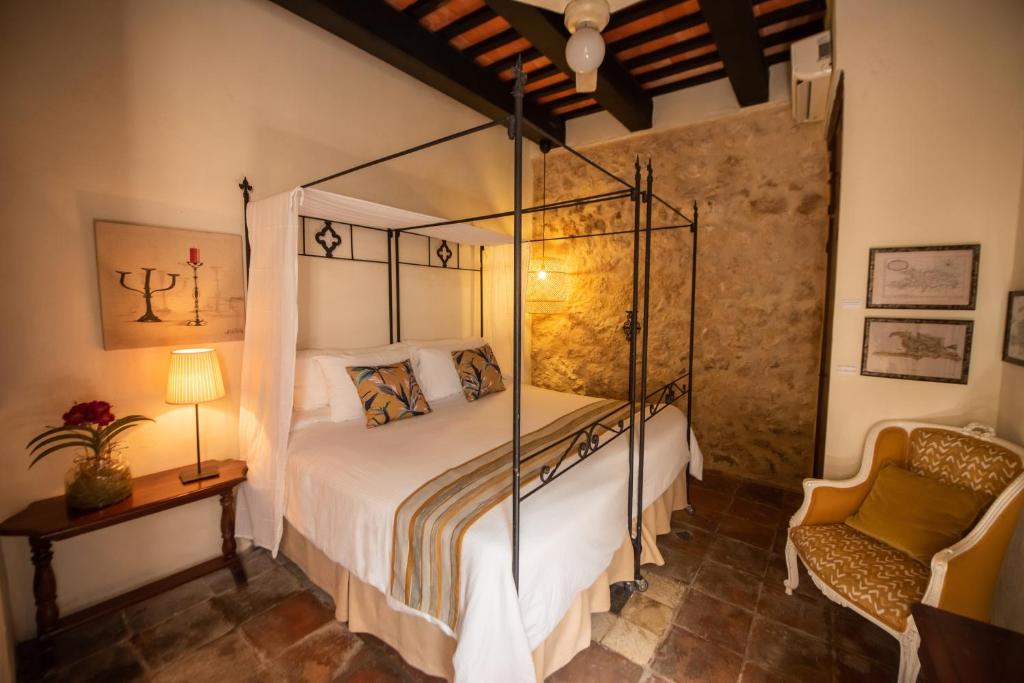
Casas del XVI is the dream stay if you want Santo Domingo to feel elegant, intimate, and deeply tied to its history. Instead of one large hotel building, it is spread across beautifully restored colonial houses, which makes the experience feel much more personal.
I would choose it for a special trip — the kind where the hotel is not just a base, but part of why you came. It is one of the most atmospheric stays in the Colonial Zone, especially if you love design, history, and quiet luxury.
Best for: couples, design lovers, special occasions, and travelers who want the most memorable stay in the old city.
For something smaller and full of character, El Beaterio Casa Museo is a beautiful fit. It feels less like a standard hotel and more like staying inside one of Santo Domingo’s historic stories. The atmosphere is old-world, quiet, and a little romantic, without feeling overly polished.
I would choose El Beaterio if I wanted a stay with soul — somewhere simple, atmospheric, and close enough to explore the Colonial Zone slowly on foot.
Best for: solo travelers, couples, culture-focused visitors, and anyone who prefers historic charm over hotel gloss.
Jardín Colonial Boutique Hotel is another useful option if location matters most. It keeps you close to many of the Colonial Zone’s main sights, which makes it easy to explore without constantly thinking about transport.
I would choose it for a shorter stay, especially if the goal is to walk, see the historic center, stop for coffee, visit museums, and return easily between plans.
Best for: short stays, first-time visitors, walkers, and travelers who want a simple base in the historic core.
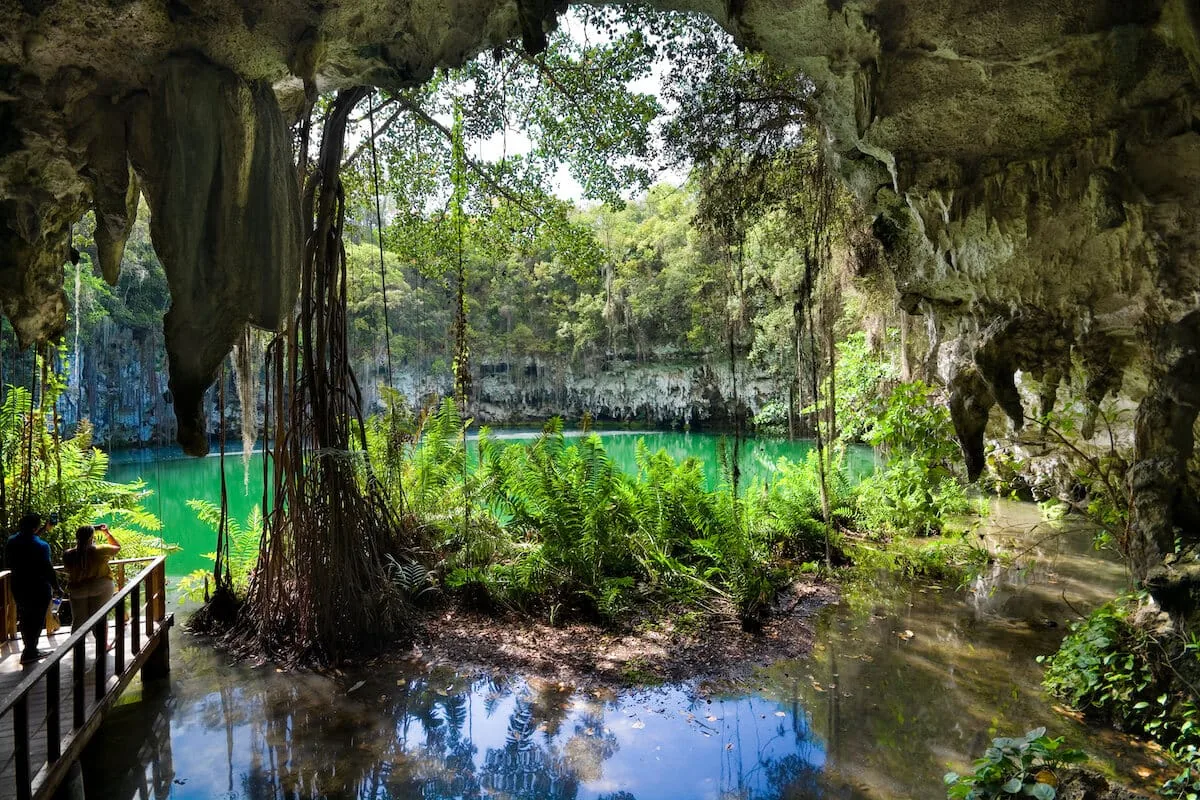
Los Tres Ojos & Parque Nacional Los Haitises
– subterranean lakes and mangrove-lined bays rich in wildlife
A pair of geological wonders: three crystal-clear sinkhole lakes under open-air caves, then a boat ride into a mangrove archipelago teeming with birdlife and ancient Taíno petroglyphs.
Drive Time & Distance
- Los Tres Ojos: 9 km, ≈ 15 min from central Santo Domingo
- Sabana de la Mar (jump-off for Los Haitises): 104 km, ≈ 1 h 45 min
- Boat transfer to Los Haitises: 30 min each way
Why Visit
- Los Tres Ojos: Wander a trio of sinkhole lakes beneath limestone caverns, their emerald waters reflecting dramatic stalactites.
- Los Haitises: Glide through mangrove tunnels, spot frigatebirds and herons, and admire pre-Columbian rock art on hidden islets.
Who Will Love It
- Nature lovers and birdwatchers
- Kayak or boat-tour enthusiasts
- History buffs intrigued by Taíno heritage
Insider Tips
- Book an eco-certified boat operator in advance—groups are small and guides point out rare orchids and petroglyph sites.
- Bring binoculars and waterproof sandals; wear quick-dry clothes and apply insect repellent.
- Pack snacks and plenty of water; there are no facilities once you hit the park’s mangrove channels.
Boca Chica & La Caleta Underwater Museum
– calm, family-friendly beach and the Caribbean’s first underwater park
Boca Chica’s bay is enclosed by a 500 m coral reef, creating one of the Caribbean’s calmest natural “pools,” while La Caleta Underwater National Park—established in 1986—protects some 11.4 km² of reefs, shipwreck habitats, and Taíno artifacts in its Ethnological Museum.
Drive Time & Distance
- Boca Chica Beach: 34 km, ≈ 29 min
- La Caleta Park: 20 km, ≈ 18 min
Why Visit
- Swim in waist-deep, reef-sheltered waters ideal for families and beginners
- Snorkel over artificial wrecks and vibrant coral gardens
- Learn Taíno history at the on-site Ethnological Museum
Who Will Love It
- Families and novice snorkelers
- Marine-life enthusiasts
- Culture buffs interested in pre-Columbian archaeology
Insider Tips
- Vendors and meseros at the beach can be very pushy—politely but firmly decline extras you don’t want to avoid feeling uncomfortable
- Arrive by 8 AM to avoid tour groups and midday sun
- Rent gear from licensed beach vendors and support local cooperatives
- Use reef-safe sunscreen and bring a refillable water bottle
Altos de Chavón
– a handcrafted “medieval” village with artisan workshops and river vistas
A meticulously crafted 16th-century Mediterranean-style replica village, conceived in the 1970s by Italian set designer Roberto Coppa and funded by industrialist Charles Bluhdorn—every hand-placed stone evokes Old-World charm.
Drive Time & Distance
- 120 km, ≈ 1 h 30 min
Why Visit
- Wander cobblestone streets lined with artisan workshops and galleries
- Explore the Regional Archaeological Museum and climb to the Grecian amphitheater for river views
- Sip coffee at hilltop cafés overlooking the Chavón River
Who Will Love It
- History & architecture enthusiasts
- Art and design students
- Photographers seeking dramatic backdrops
Insider Tips
- Combine with Casa de Campo’s botanical gardens next door
- Check the amphitheater schedule for live concerts or cultural events
- Purchase ceramics and leather crafts directly from the makers
Cueva de las Maravillas (Cave of Wonders)
– subterranean galleries of authentic Taíno pictographs and geological marvels
An 800 m limestone cavern discovered in 1926, showcasing over 500 authentic Taíno pictographs—some dating to AD 650—along well-lit walkways beneath soaring stalactites.
Drive Time & Distance
- ≈ 90 min via Carretera San Pedro–La Romana
Why Visit
- Marvel at centuries-old indigenous rock art in vivid red and black pigments
- Stroll past the nearly perfect “Water Mirror” reflecting pool
- Escape the heat in consistently cool 18–20 °C cave air
Who Will Love It
- Archaeology and history buffs
- Adventure travelers seeking unique natural wonders
- Photographers drawn to subterranean landscapes
Insider Tips
- Wear non-slip shoes and bring a light jacket
- Book guided tours online to secure your desired time slot
- Learn basic Spanish (“¿Dónde está la cueva?”) for smoother check-in
Río Haina Market Crawl
– bustling alleys of fresh produce, street-food snacks, and local color
Mercado Municipal de Haina weaves through narrow alleys lined with hundreds of stalls, forming one of the region’s largest wholesale hubs for fresh produce, meats, spices, and authentic street-food snacks.
Drive Time & Distance
- 17 km, ≈ 18 min
Why Visit
- Sample sun-ripened mangoes, yuca frita, pastelitos, and freshly roasted coffee
- Watch merchants haggle and pack bulk shipments bound for Santo Domingo
- Immerse yourself in everyday Dominican life away from tourist circuits
Who Will Love It
- Foodies and culinary explorers
- Cultural anthropologists and market photographers
- Budget travelers hunting local bargains
Insider Tips
- Go between 7–11 AM for peak produce freshness
- Carry small bills (50–200 DOP) and coins—most vendors are cash-only
- Greet sellers with “Buenos días” to build rapport
More things to discover around Santo Domingo
Practical Travel Tips for Dominican Republic

Places to visit in the Caribbean
-
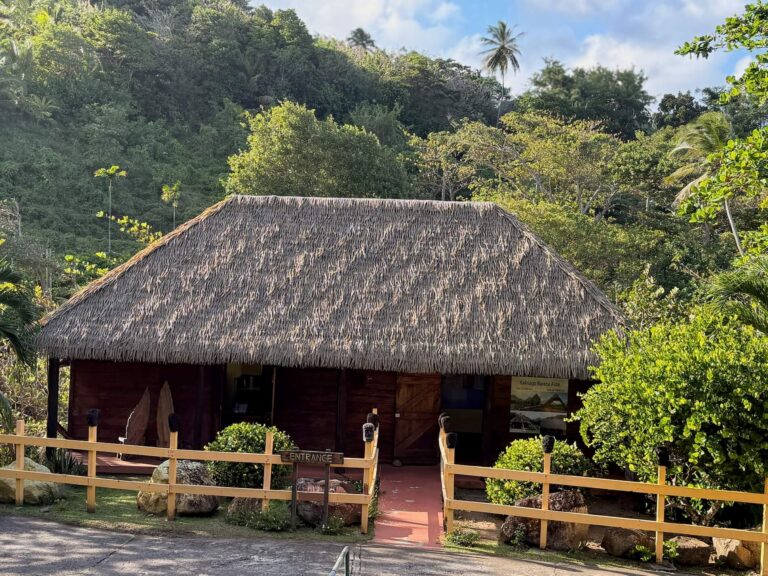
Visiting Kalinago Barana Auté
Voices of Dominica’s First People Dominica is often described through its landscapes first. Rainforest. Rivers. Waterfalls. Hot springs. Volcanic peaks. Roads that twist through the mountains before opening suddenly to the Atlantic. It is an island that feels physical from the moment you arrive — green, humid, steep, alive. And yet, if you only come…
-
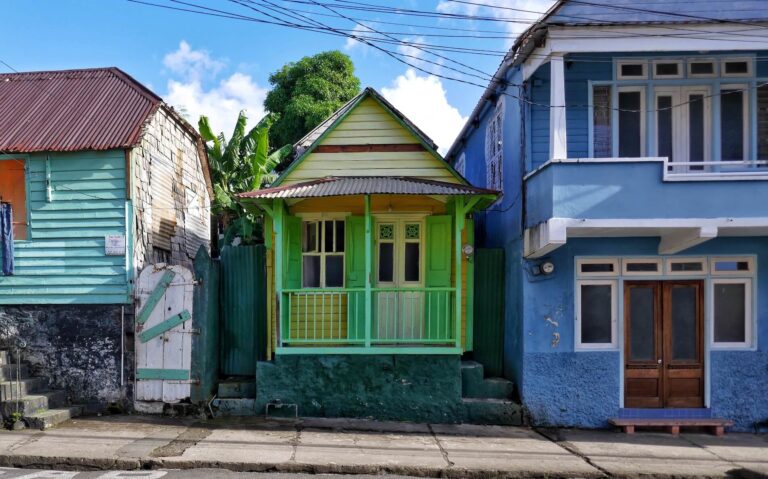
Roseau, Dominica: What to See in the Island’s Colorful Capital
Roseau Beyond the Waterfront Roseau is small, colourful, busy and a little rough around the edges. It is not the kind of Caribbean capital that feels polished for visitors — except perhaps around the waterfront, where the city briefly becomes more arranged for cruise arrivals. Beyond that first layer, Roseau feels much more local. You…
-
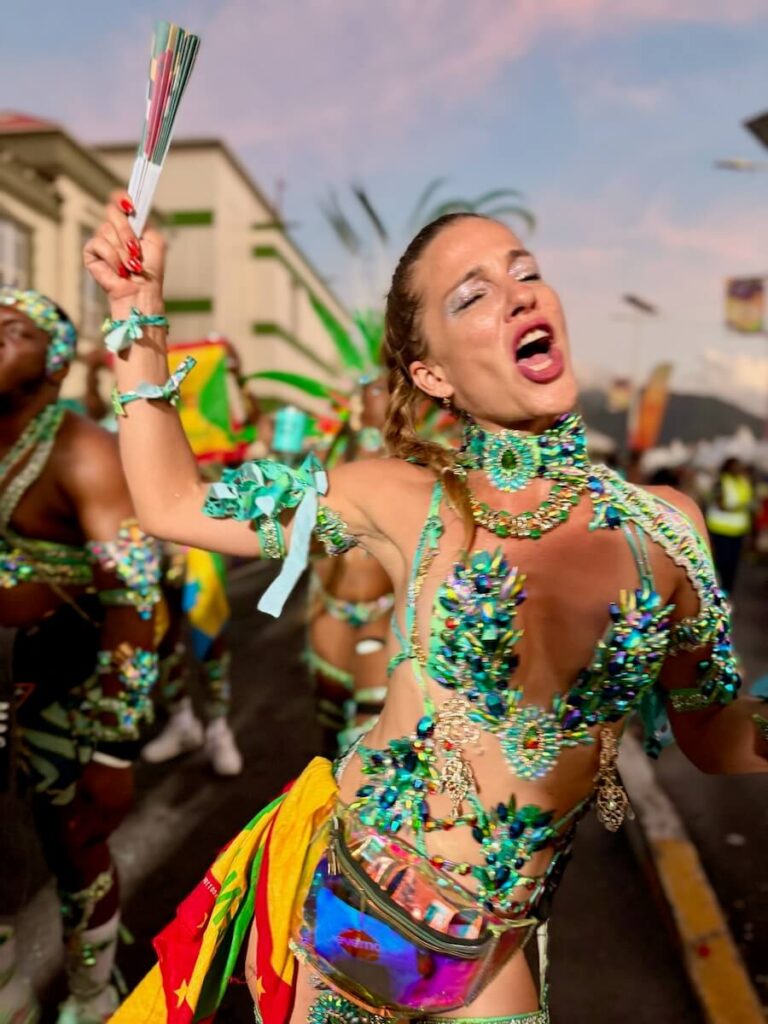
How to play mas in Dominica
Costumes, Culture and Mas There is a moment when Carnival stops being something you watch and becomes something you feel in your body. For me, that moment came on the road with Hysteria Mas in Dominica. The music was already moving ahead of us, the streets of Roseau were filling with people, and suddenly I…
-
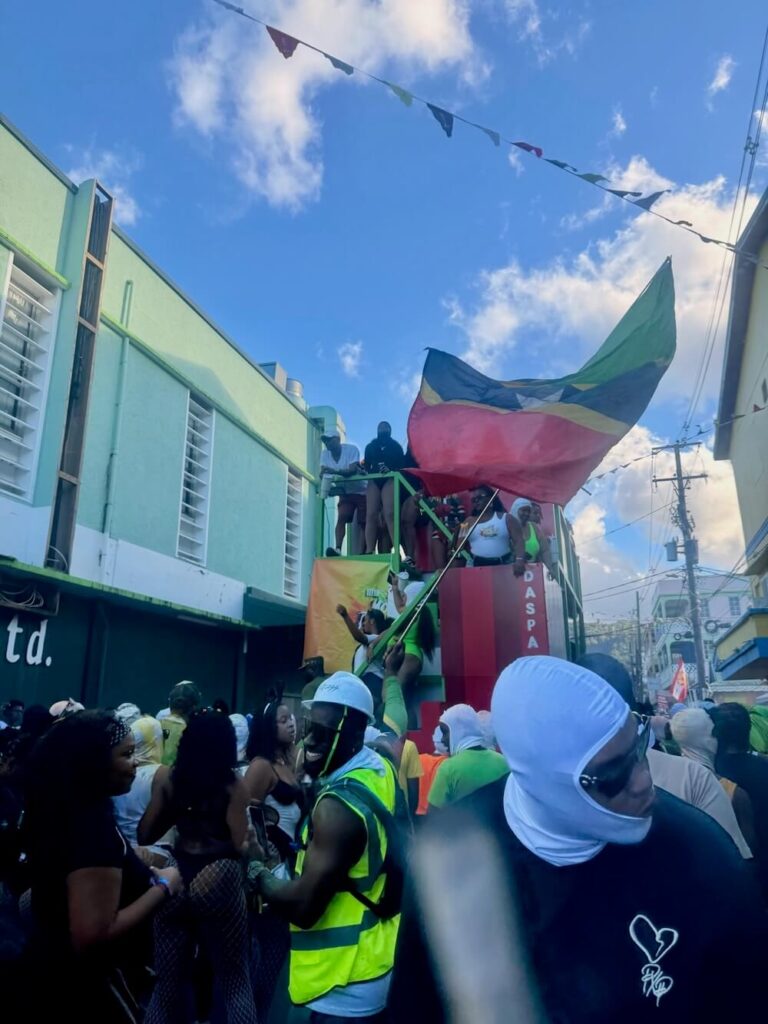
Bouyon Music in Dominica: The Soundtrack of Mas Domnik
The Soundtrack of Mas Domnik Bouyon does not politely stay in the background. It pushes forward. It repeats. It builds pressure. It gets into your body before you have fully understood what you are hearing. During Mas Domnik, Dominica’s Carnival, bouyon is everywhere: on the road, at parties, during J’ouvert, from trucks, passing cars, street…
-
Soufrière and Southern Dominica: A Guide to the Island’s Volcanic Coast
Where the Island Turns Volcanic After the intensity of Mas Domnik in Roseau, southern Dominica felt like a different island. The capital had been all music, movement and Carnival rhythm. Bouyon in the streets. Costumes on the road. People watching from balconies. The same corners appearing again and again as we circled Roseau during Carnival….
-
Beaches in Dominica
Dominica’s Beaches, Without the Caribbean Filter Dominica is not the island I would recommend if your idea of the Caribbean is a week of white sand, beach loungers and polished resort beaches. And that is not criticism. Dominica is the Nature Island of the Caribbean for a reason. Its strongest landscapes are rainforest, rivers, waterfalls,…