RUTA DE LAS FLORES
El Salvador
Food markets, volcanos & colorful villages
Ruta de las Flores is undoubtedly one of El Salvador’s most popular tourist destinations. The 40 km winding road leading from Sonsonate to the colonial town Ahuachapán includes picturesque villages such as Juayúa, Concepción de Ataco, and Nahauizalco.
Each of them is unique with its colonial architecture and indigenous tones. Every El Salvadorian we asked adored the area for its “bien fresco” (pretty chilly) mountain air and beautiful scenery surrounding the villages. It’s a quiet, tranquil life in the communities, at least during the week. On the weekends, food and artisan markets attract tourists from nearby San Salvador, and the streets are buzzing with life. Western El Salvador is also a renowned coffee area. If you haven’t visited a coffee plantation yet, we highly recommend visiting one in El Salvador. Coffee beans from El Salvador are some of the most revered worldwide.
Ruta de las Flores was slowly leading us toward the end of our El Salvador trip. We didn’t feel ready to leave San Salvador quite yet. San Salvador was nothing like we expected, and we felt comfortable in the city. As it was time to move on, our friend Douglas asked his group of friends if someone would go on a day trip and give us a ride to Juayúa. The next morning Gustavo, one of Douglas’s friends, picked us up, and we were off to El Salvador’s West.

Best places to stay along Ruta de las Flores
Ruta de las Flores is best experienced slowly, and where you stay changes the rhythm of the trip. I would not choose a hotel only for convenience here. The most meaningful stays are small, atmospheric and close to the towns themselves — places that make it easy to walk to cafés, markets, murals, food stalls and local life rather than simply passing through by car.
Juayúa is one of the best bases along Ruta de las Flores, especially if you want access to the weekend food festival, waterfalls and a more local town rhythm. Los Cuatro Olivos is the kind of stay I would choose here: small, calm and personal, with enough comfort to make it feel like a proper base rather than just a stopover.
It works especially well if you want to experience Juayúa on foot — early mornings, food stalls, church square, local cafés and the slower side of the town once day visitors have left.
Ataco is the most polished and photogenic town on the route, with murals, coffee shops, craft stores and mountain air. Casa Degraciela fits that mood beautifully. Set in a characterful old house, it feels intimate, artistic and rooted in the town rather than like a generic boutique hotel.
I would choose it if you want Ruta de las Flores to feel romantic, slow and atmospheric — the kind of place where the hotel becomes part of the town experience, not just where you sleep.
Apaneca is the best choice if you want the route to feel more rural and highland-based. It is cooler, quieter and closer to coffee country, mountain views and countryside drives. Las Cabañas de Apaneca suits that setting: cabins, fresh air and a more retreat-like feeling than the town-center stays in Juayúa or Ataco.
I would recommend it for travelers who want to slow the itinerary down, sleep away from the busier weekend energy and experience Ruta de las Flores as a mountain region, not only a string of pretty towns.
Juayúa’s food festival
Juayúa means “River of the purple Orchids” in Nahuatl. Surrounded by lush green coffee fincas and several volcanos, the peaceful town comes to life on the weekends and offers plenty of things to enjoy life. Juayua was our entry to the famous Ruta de las Flores. As always, we arrived a little too late and missed the first day of the food market. Nonetheless, we had a relaxing time just walking around the small mountain village. The next day, we ventured out to Juayúa’s buzzing food market and tried as much typical food as possible. The atmosphere is incredible. When everything gets tranquil during the week, you can quickly arrange for some day trips. Visiting coffee plantations and hiking waterfalls are among the favorite activities in the Juayá area.
Nahuizalco – the former indigenous capital
The small, underdeveloped town managed to maintain an influential indigenous culture. As a result, it might be one of the very few places in El Salvador where you’ll find some older women wearing traditional clothing. There are almost no hotels, so we recommend visiting the small town on a day trip. In addition, Nahuizalco boosts El Salvador’s only night market, a great place to try traditional Mayan cuisine.
Apaneca- El Salvador’s highest town
Apaneca’s fresh air and lush surroundings invite you to visit its two sister lakes, Laguna Verde and Laguna de las Nifas. Enjoy the stunning views over nearby volcanos and coffee farms. The actual town is tranquil and mellow.
Conception de Ataco – our favorite
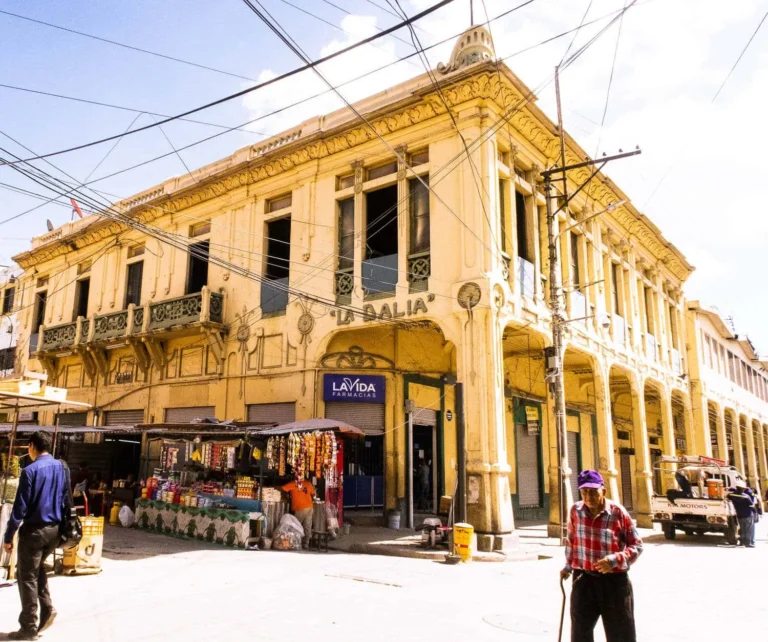
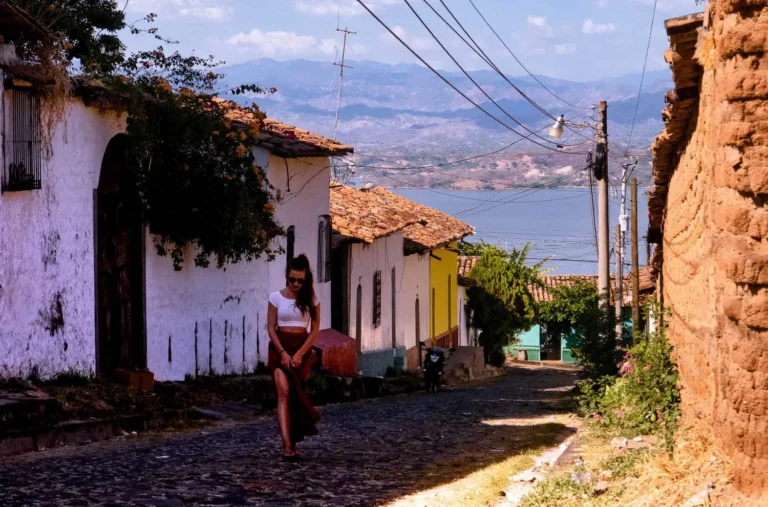
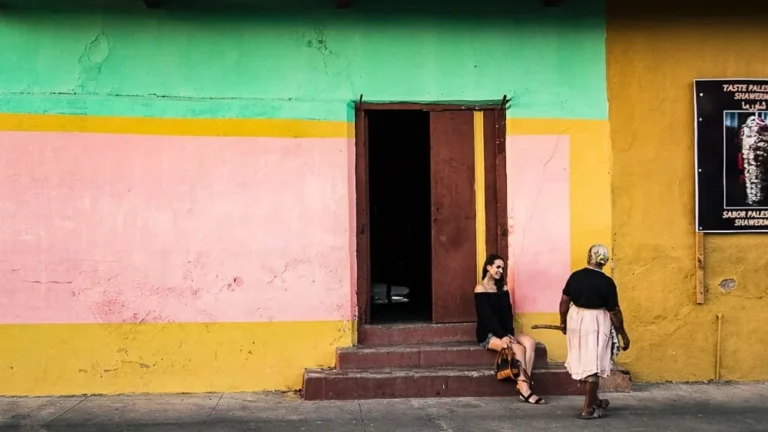
Its cobblestone streets and colorful houses are incredibly charming. It’s mellow but offers plenty of eye candies. Conception the Ataco is also home to a great weekend food and art market.
While the food market might be smaller than the one in neighboring Juayúa, you’ll find a more exotic atmosphere. Offers include grilled iguana and lizard and some typical sweets and treats from wild honey.
There are some beautiful churches, and the Mirador Buenos Aires offers a lookout over the city.
Unfortunately, we didn’t find many places to stay online, but as we walked around the town, we encountered numerous cute guesthouses for a reasonable price.
Practical Travel Tips for Ruta de las Floresgive final tip three recommendatio


Traveling El Salvador?
Places to visit in El Salvador
Do not skip El Salvador! It’s one of the most amazing countries to visit in Central America!
-
Beaches in El Salvador | Central America’s hidden germs
After a memorable journey through Nicaragua and a beautiful border crossing via Golfo de Fonseca, we arrived in El Salvador, where warm hospitality awaited us. El Salvador quickly become one of our favorite countries to visit for its welcoming people, stunning volcanos and beautiful beaches. We’ve talked a lot about why El Salvador should absolutely…
-
Golfo de Fonseca | The most unique border crossing
The most scenic border crossing Getting from Nicaragua to El Salvador can be quite a ride if you travel by bus via Honduras. Luckily we stumbled upon the most scenic and relaxed way to cross borders: A boat ride via Golfo de Fonseca. Golfo de Fonseca is a gulf on the Pacific coast bordering Nicaragua,…
-
San Salvador | a resilient capital, rich in history, scars and hope
A resilient capital rich in history, scars, and hope San Salvador is exciting, its energy infectious. The city, with its many museums, churches, and murals, offers visitors the opportunity to learn and understand El Salvador’s history. Colorful murals often grace San Salvador’s walls. Pay attention when passing them. They often tell the stories of recent…
-
El Cuco & Playa Las Flores | Surfing & Turtles
Secluded beaches and world-class surfing On either side of El Cuco, you’ll find two of El Salvador’s most stunning beaches – Playa Esteron and Playa Las Flores. Playa Esteron is a secluded white sandy beach, lush with greenery, and the perfect spot for anyone who wants to escape to peace and tranquility – it’s even…
-
Santa Ana | Volcanic crater lake & colonial charm
The most amazing volcano experience in El Salvador Volcano Santa Ana”s incredibly impressive crater marks the highlight for many travelers coming to El Salvador for a good reason. We were left speechless (and breathless) when we first saw the turquoise crater lake. Despite stunning landscapes, Santa Ana offers a perfect base for travelers seeking to…
-
Suchitoto | History, weekend markets & history
The place of flowers and birds Suchitoto almost feels like a bit of a time and space journey after visiting busy San Salvador. The city’s name originates from the Nahutal language and translates into “place of flowers and birds.” As the cultural capital, Suchi’s colorful historic houses are home to art galleries, boutique hostels, and…