OSA PENINSULA
Costa Rica
Discover Costa Rica off the beaten path
Most people who visit Costa Rica end up at places like Arenal, Monteverde, and Manuel Antonio. Those places are stunning and absolutely should be visited! However, there’s an off-the-beaten-path that is one of Costa Rica’s best-kept secrets. This destination is the Osa Peninsula. It holds an astounding 2.5% of the WORLD’S biodiversity within its 700 square miles of land, and National Geographic named it the “most biologically intense place on earth.” The area is well-preserved and teeming with natural beauty and wildlife.
Sustainable travel at its finest
The Osa Peninsula is on Costa Rica’s southern Pacific coast. It takes six hours to get there by car or a short 45-minute propeller plane ride to its tiny regional airport. There are a few small towns on the peninsula, but it is relatively undeveloped. The tour companies, hotels, and locals who live there are highly committed to sustainability, making it a model for eco-travel. The Osa Peninsula is a fantastic travel destination that you can feel good about visiting.
Why is it a secret? The truth is, most people don’t have the time or want to make an effort to visit.
The pristine flora and fauna that make it so unique also make it difficult to reach. If you decide to make the journey there, you’ll experience one of the most beautiful places in the world without too many tourists.
Best places to stay on the Osa Peninsula
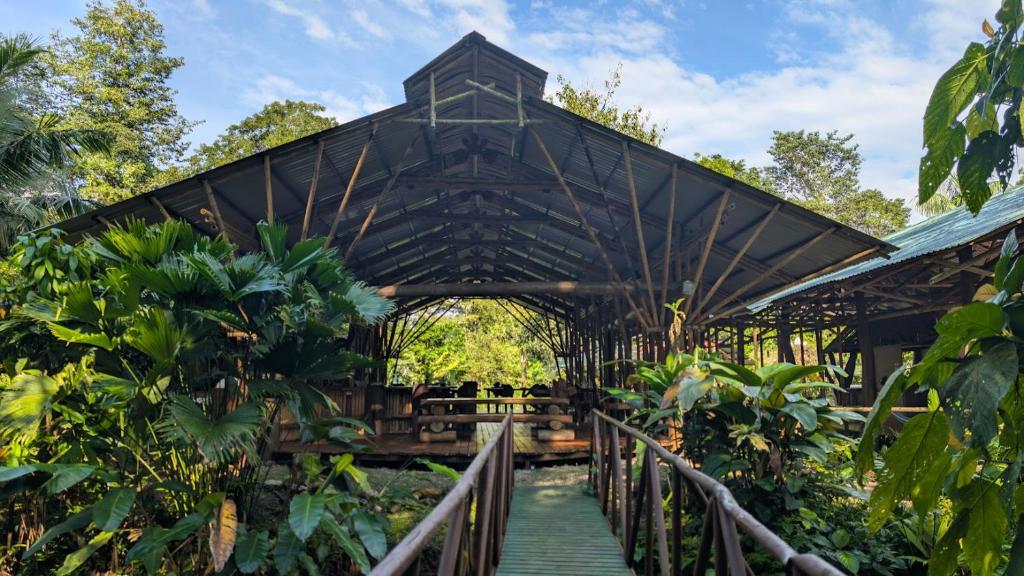
The Osa Peninsula is not a place where I would choose accommodation only by comfort or price. Here, where you stay shapes almost everything: how close you feel to the rainforest, who guides you, how you access Corcovado, and whether your visit supports the people and landscapes that make this part of Costa Rica so special.
For this guide, I would look for places that feel rooted in the Osa rather than placed on top of it — lodges that protect forest, work with local teams, support conservation or simply keep the experience small, honest and close to the land.
Lapa Rios is the classic Osa eco-lodge, and for good reason. Set in a private rainforest reserve near Cabo Matapalo, it is the place I would choose if I wanted the Osa to feel immersive from the moment I woke up: ocean views, rainforest sounds, wildlife around the lodge and a strong conservation story behind the comfort.
It is the most refined option on this list, but it does not feel detached from the landscape. I would recommend it for travelers who want a high-end stay with real ecological depth — the kind of place where luxury is less about excess and more about access to one of Costa Rica’s wildest regions.
Danta Corcovado Lodge feels more grounded and less polished, which suits the Osa beautifully. It is a good choice if you want to stay closer to the forested interior and experience the peninsula beyond the usual rainforest-lodge fantasy.
I would choose Danta for travelers who care about local connection, nature and a more down-to-earth base for exploring the Corcovado region. It may not have the drama of a luxury lodge, but it feels honest — and sometimes that is exactly what makes a stay more meaningful.
Poor Man’s Paradise is one of the most characterful options if you want the Osa to feel simple, remote and close to the coast. Located near San Josecito, in an area without road access, it has the kind of old-school wilderness feeling that is getting harder to find: rustic cabins, boat arrivals, forest, beach and Corcovado within reach.
I would not choose it for polished comfort. I would choose it for atmosphere — for travelers who want to feel the edge of the peninsula, fall asleep near the sea and experience the Osa without too much between them and the landscape.
Visit Corcovado National Park
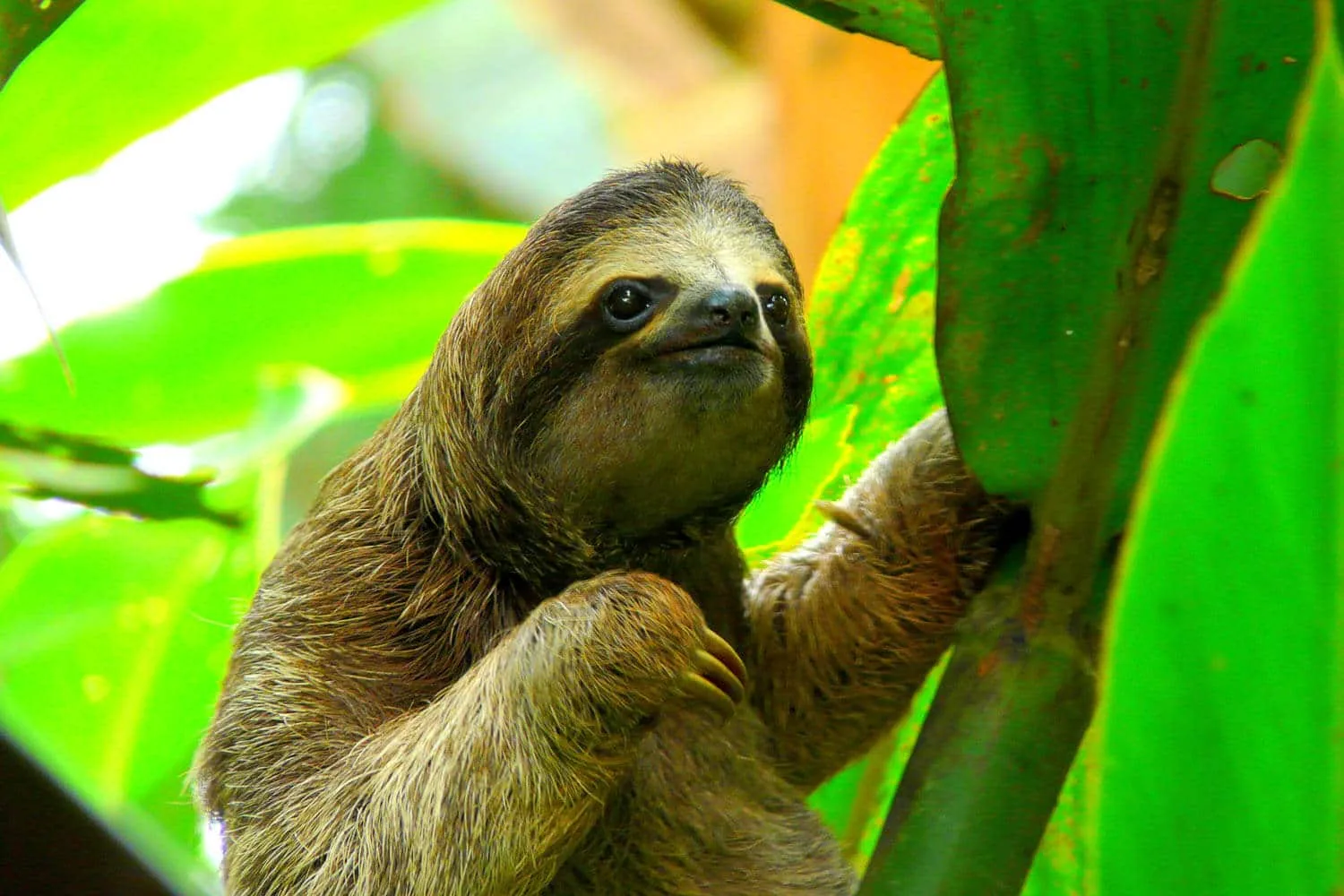
This nature preserve makes up 1/3 of the Osa Peninsula and is Costa Rica’s crowning jewel. The park is home to an incredible variety of wildlife, including monkeys, sloths, toucans, and iguanas. I was fascinated by the capuchin monkeys that inhabit the park, and I also saw plenty of other animals during my three-day tour. The experience of observing such a wide range of creatures in their natural habitat was truly unforgettable. The park is also outstanding, with lush rainforest and pristine beaches.
Some exciting places to see in the Corcovado National Park:
· La Sirena: a place where you can see bull sharks and alligators
· Leona: the best place to see turtle births
· El Tigre: some of the park’s best viewpoints
· Los Patos: Rincón River, waterfalls, and tall trees
Stay at an Eco Lodge
The Osa Peninsula is a prime sustainable tourism destination with outstanding eco-lodges. These places seemingly blend into the jungles surrounding them (or have private jungles). One of our favorite places to stay on the peninsula is the Playa Cativo Lodge because it’s an all-inclusive experience perched between the water and wilderness. It’s an outstanding Osa Peninsula eco-lodge that checks all the boxes.
Surf some of Costa Rica’s best waves
Local Ticos (Costa Ricans) know that the country’s best surf spots are on the Osa Peninsula. There are consistent breaks that are ideal for surfers of all skill levels. Playa Matapalo, in the Cabo Matapalo, is the best surfing spot in the Osa Peninsula. Some Ticos claim that you can ride up to 1,000 feet on a single wave on a good day!
Hang out in Puerto Jimenez
Puerto Jimenez is the starting point for many Osa Peninsula tours, but it is also worth checking out. It is one of the few developed places in the area but still blends seamlessly into nature. There is a fantastic wildlife sanctuary, delicious local restaurants, and intriguing shops there. If you’re looking
for something exciting to do in the evenings, the town has the area’s best nightlife.
Go on a canopy tour
Canopy tours are a popular activity on the Osa Peninsula. You can explore the lush rainforest up close and personal by zooming through the trees. Tours typically have ziplines, suspension bridges, and Tarzan swings that provide unique vantage points. On the ground, tours typically provide local snacks and beverages. Canopy tours use eco-friendly technology that doesn’t disturb the surrounding ecology.
Practical Travel Tips for Osa Peninsula

Traveling Costa Rica?
Places to visit in Costa Rica
-
The Caribbean side of Costa Rica | A comprehensive guide to paradise
Exploring Costa Rica’s Capital City Up until today, Costa Rica’s Caribbean side is my favorite area to explore in Costa Rica. Why? As the Caribbean side is far less touristically developed than its counterpart in the Pacific, you can enjoy miles of the most beautiful Caribbean sea seamed by lush rainforest, stunning National Parks, and…
-
San José | Costa Rica’s less charming capital
Even though San José is my least favorite capital in all of Central America, you should still make an effort to spend some time and get to know the locals. Our recommendations Best places to stay in San Jose San José was never the place in Costa Rica that stayed with me most. Compared with…