Caribbean Coast
COSTA RICA
Exploring Costa Rica’s Capital City
Up until today, Costa Rica’s Caribbean side is my favorite area to explore in Costa Rica. Why?
As the Caribbean side is far less touristically developed than its counterpart in the Pacific, you can enjoy miles of the most beautiful Caribbean sea seamed by lush rainforest, stunning National Parks, and cute towns without the crowds.
As soon as you start driving down from Cahuita towards Manzanillo, everything seems to come straight from a Caribbean movie. Colorful houses nestled in lush greenery with the Caribbean Sea at its backdrop. However, each town maintains its own charm: Cahuita is casual and slightly bohemian, Puerto Viejo is the liveliest, Punta Uva is pretty chic, Playa Chiquita has a laid-back surfer crowd, and last but not least, the sleepy and picturesque village of Manzanillo.
What I love about the Caribbean Coast in Costa Rica
– Listening to the sounds of the jungle while hearing the ocean, too
– Some of Costa Rica’s most beautiful accommodations are here
– Fewer crowds
– Food and entertainment options are abundant
Tortuguero
This is the remotest location on Costa Rica’s Caribbean Coast, which is definitely part of its appeal. Tortuguero Village is a charming and remote gem that exudes an authentic and laid-back Caribbean atmosphere. Surrounded by lush rainforests and tranquil waterways, this small village is a gateway to the wonders of Tortuguero National Park. As you explore its sandy streets, you’ll encounter colorful wooden houses, reggae beats filling the air, and friendly locals who are proud of their Afro-Caribbean heritage. The village offers a glimpse into the local way of life, with small shops, restaurants serving delectable seafood dishes, and a warm, welcoming vibe. It’s the perfect place to unwind after a day of wildlife adventures and turtle nesting excursions, allowing you to soak in Tortuguero’s genuine and tranquil ambiance.
Practical Travel Tips for Tortuguero

Things to do in Tortuguero, Costa Rica
Take an Early-Morning Canal Tour
Tortuguero is best understood from the water. Go early, when the canals are quiet and the rainforest is waking up. From the boat, you may spot howler monkeys, caimans, river turtles, iguanas, sloths, herons, kingfishers and toucans — but the real beauty is the stillness, the mist and the forest slowly coming alive.
Explore by Kayak or Canoe
A kayak or canoe gives you a quieter way into the smaller waterways. Without the sound of a motor, you notice more: birds moving through the reeds, insects on leaves, ripples in the water and the call of monkeys deeper in the trees.
Walk the National Park Trails
Tortuguero is famous for its canals, but the rainforest is worth experiencing on foot too. The trails bring you closer to frogs, fungi, lizards, insects, twisted roots and dense tropical vegetation. A guide is useful here, because so much of the forest is easy to miss.
Go Birdwatching
Even if you are not usually a birdwatcher, Tortuguero may change that. The mix of rainforest, wetlands, canals and coastline makes it excellent for toucans, parrots, herons, kingfishers, jacanas and many smaller species.
Visit the Sea Turtle Conservancy
The Sea Turtle Conservancy gives helpful context before a turtle walk. It explains why Tortuguero is so important for turtle protection and makes the nesting experience feel less like a spectacle and more like a fragile conservation story.
Watch Sea Turtles Nest — With Care
If you visit during nesting season, this is the experience to plan around. Go only with a licensed guide, follow the rules carefully, and avoid flashlights, phones, loud voices or walking the beach alone after dark. Seeing a turtle nest is unforgettable, but it should never come at the animal’s expense.
Spend Time in Tortuguero Village
Do not treat Tortuguero only as a gateway to the park. The village is small, colorful and shaped by water, fishing, tourism and Caribbean culture. Walk slowly, eat local food and remember that this is a living community, not just a base for tours.
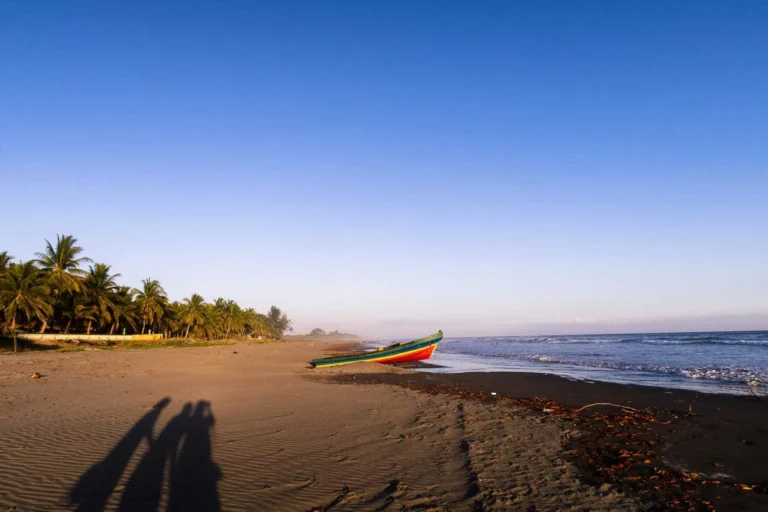
Walk the Black-Sand Beach
Tortuguero’s beach is wild and atmospheric, but not ideal for swimming because of rough water and strong currents. Come for walking, turtle tracks in season, driftwood, heavy waves and the feeling of standing at the edge of one of Costa Rica’s most important coastal ecosystems.
Cahuita
Colored in pisé, the walls of Marrakesh’s medina shine in many shades, from pink to terracotta. Walking inside the medina for the first time was a bit overwhelming. We mixed with donkeys and people as we passed colorful souks. We stopped every once in a while to marvel at the exquisite architecture. The closer we got to Djemaa El Fna, the busier the streets would get. The medina of Marrakesh is a delightful mix of lively streets and quiet alleys. Even though the salespeople tend to be a little too persuasive, it’s still interesting to visit the shops and souks to learn about the art of creating traditional handicrafts.
Practical Travel Tips for Cahuita

Things to do in Cahuita, Costa Rica
Walk Cahuita National Park
Cahuita National Park is the reason I would always make time for this village. The trail follows the coast through rainforest, with the Caribbean Sea on one side and monkeys, sloths, raccoons, birds and thick tropical vegetation on the other. Go early, bring water, and give yourself time — this is one of the easiest places in Costa Rica to feel rainforest and beach meeting in the same landscape.
Snorkel the Cahuita Reef
Cahuita protects one of Costa Rica’s most important coral reef systems, but snorkeling here is not something to do casually. You need to go with an authorized guide, and conditions depend on weather and visibility. If the sea is clear, you may see coral, tropical fish, rays and other marine life — but the reef is fragile, so never touch coral or chase animals.
Spend Time in Cahuita Village
Cahuita village is small, relaxed and deeply Caribbean in feeling. Walk slowly, listen for music drifting from open bars, eat local food, and notice how different this coast feels from the Pacific side of Costa Rica. The best part of Cahuita is not a long list of sights, but the rhythm of the place.
Learn About Afro-Caribbean Culture
Cahuita is shaped by Afro-Caribbean heritage, food, language, music and coastal life. A local cultural tour can add real depth if it is led respectfully and not staged for visitors. I would look for experiences centered on storytelling, food, music or community history — and then support local restaurants and guides directly.
Visit Playa Negra
Playa Negra is Cahuita’s black-sand beach, and it gives the village a completely different mood from the pale beaches inside the national park. It is a good place for a long walk, a quiet swim when conditions are calm, or simply watching the Caribbean change color under heavier skies.
Go Surfing — Carefully
Cahuita and the wider southern Caribbean coast have surf, but conditions vary. Playa Negra can work for more casual sessions, while Salsa Brava near Puerto Viejo is powerful and better left to experienced surfers. Ask locally before going in; this coast is beautiful, but it is not always gentle.
Visit the Jaguar Rescue Center
The Jaguar Rescue Center near Puerto Viejo is one of the most popular wildlife stops in the area. It is not in Cahuita itself, but it makes sense as a short trip if you want to learn more about wildlife rehabilitation. Go for the educational context, not for the idea of “getting close” to animals.
Go Birdwatching
Even if you are not a dedicated birdwatcher, Cahuita makes it easy to pay attention. The mix of rainforest, coast and wetlands brings toucans, herons, kingfishers, hummingbirds and many smaller species into view. Bring binoculars if you have them — the forest becomes much more alive once you start looking upward.
Kayak or Ride by Horseback
If you want to see the area beyond the village and national park, kayaking or horseback riding can be a slower way into the surrounding landscape. Choose local operators carefully, especially for horseback riding: the horses should look healthy, calm and well cared for. If they do not, walk away.
Puerto Viejo
Puerto Viejo is the Caribbean coast at its most vivid: humid, colorful, a little chaotic, and full of movement. It is busier and more developed than Cahuita, but it also has more energy — beach bars, reggae, surfboards, bicycles, cacao, roadside food, and a mix of travelers and local life that gives the town its own pulse. I would not come here expecting untouched quiet. Puerto Viejo is lively, sometimes messy, and very much on the map now. But if you lean into its rhythm, choose your base carefully, and look beyond the main strip, it can still be one of the most memorable stops on Costa Rica’s Caribbean side.
Practical Travel Tips for Costa Rica

Things to do in Puerto Viejo, Costa Rica
Beach Hop Along the Caribbean Coast
Puerto Viejo is best when you do not stay in one place. Rent a bike or take your time moving along the coast from Playa Cocles to Playa Chiquita, Punta Uva and Manzanillo. Each beach has a different mood: Cocles is more social and surfy, Chiquita feels smaller and greener, Punta Uva is the beauty spot, and Manzanillo has that end-of-the-road feeling.
Rent a Bicycle
Cycling is the easiest and most enjoyable way to explore Puerto Viejo. The coastal road is flat and scenic, with jungle, beach cafés, small shops and beach turn-offs along the way. I would rent a bike for at least one day and use it to move slowly between beaches rather than trying to see everything by car.
Go Surfing — But Choose the Right Break
Puerto Viejo is one of Costa Rica’s best-known surf towns. Playa Cocles is the better choice for lessons and more accessible waves, while Salsa Brava is powerful and only for experienced surfers. If you are new to surfing, go with a local instructor and respect the sea — the Caribbean can look relaxed, but conditions change quickly.
Take a Cacao or Chocolate Tour
A cacao tour is one of the best ways to understand this coast beyond the beach. Cacao is deeply connected to the region’s land, culture and Indigenous Bribri communities. Choose a locally led experience where you learn about the plant, the process and the people behind the chocolate — not just a quick tasting stop.
Snorkel or Dive When Conditions Are Right
The Caribbean coast has coral reefs and marine life, but visibility depends heavily on weather and sea conditions. Snorkeling is usually best when the water is calm and clear, often around reef areas near Cahuita or Manzanillo. Choose responsible operators, never touch coral, and do not expect perfect conditions every day.
Spend an Evening in Puerto Viejo
Puerto Viejo has more nightlife than Cahuita or Manzanillo, with beach bars, reggae, live music and a social traveler scene. I would not describe it as quiet, but it has character when you find the right spots. Go out with normal awareness, support local venues, and remember that the town’s Caribbean rhythm is part of its identity — not just entertainment for visitors.
Manzanillo
Manzanillo is still one of my favorite places in Costa Rica. It sits at the far southern end of the Caribbean coast, where the road begins to feel quieter and the rainforest presses close to the sea. The village itself is simple and unpretentious, but the setting is extraordinary: long stretches of beach, warm Caribbean water, fishing boats, and the protected forest of the Gandoca-Manzanillo Wildlife Refuge just behind it.
What I loved most was how little Manzanillo seemed to perform for visitors. It is beautiful without feeling polished, calm without feeling empty, and wild in a way that still feels deeply lived-in. For me, it is one of the places where Costa Rica’s Caribbean coast makes the most sense — sea, forest, village life and protected nature all meeting at the edge of the road.
Practical Travel Tips for Manzanillo
Things to do in Manzanillo, Costa Rica
Walk into Gandoca-Manzanillo Wildlife Refuge
This is the reason Manzanillo feels so special. The village sits right beside the refuge, where rainforest, coastline, wetlands and reef all meet. You can follow trails through the forest, listen for howler monkeys, look for toucans and sloths, and feel how quickly the Caribbean coast becomes wild again once you leave the village behind.
Spend Time on Manzanillo Beach
Manzanillo Beach is not a place I would over-plan. Swim when the sea is calm, walk along the sand, watch the fishing boats and let the day slow down. The beauty here is not a big beach scene, but the feeling of forest, village and Caribbean water all sitting close together.
Go Snorkeling When Conditions Are Right
The reef around Manzanillo can be beautiful, but snorkeling depends heavily on weather, visibility and sea conditions. I would only go with a responsible local guide, and only when the water is calm and clear. As always: do not touch coral, do not stand on the reef, and keep distance from marine life.
Look for Wildlife
Wildlife is part of the everyday atmosphere here. Keep your eyes open for howler monkeys, sloths, toucans, crabs, lizards and bright flashes of birds in the trees. A guide can make a big difference, especially in the forest, where so much is hidden unless you know how to look.
Kayak Through Mangroves and Quiet Waterways
If conditions allow, kayaking is a slower way to see the area around Manzanillo and Gandoca. Mangroves, estuaries and calm waterways give you a different view of the coast — quieter, greener and more intimate than the beach.
Visit a Wildlife Rescue Center Nearby
The Jaguar Rescue Center near Puerto Viejo is an easy trip from Manzanillo if you want to learn more about wildlife rehabilitation on the Caribbean coast. Go for the conservation context, not for the idea of getting close to animals.
Go Horseback Riding
Horseback riding can be a beautiful way to see the beach and surrounding landscape, but I would choose the operator carefully. The horses should look healthy, calm and well cared for. If they do not, skip the ride. Responsible travel also means paying attention to the animals carrying us through a place.
Bribri
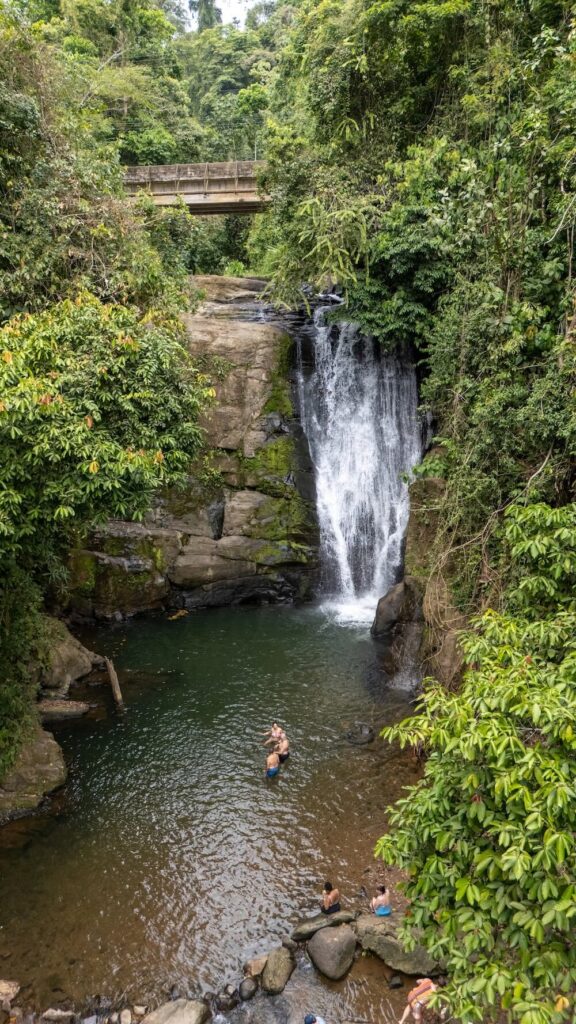
Bribri, located in the heart of Costa Rica’s lush southern Caribbean region, is a culturally rich and indigenous village that invites you to immerse yourself in the traditions and heritage of the Bribri people. Surrounded by dense rainforests, cascading waterfalls, and meandering rivers, Bribri offers you a unique opportunity to explore the region’s natural wonders while experiencing the indigenous community’s customs and way of life.
I enjoyed the guided tours to learn about Bribri traditions, the cacao ceremonies, learning about medicinal plants, and appreciating the intricate artistry of indigenous crafts.
Recently, there has been an increasing effort to preserve and protect the Bribri culture and their ancestral lands. Tourism initiatives allow you to learn about their traditions, participate in cultural exchanges, and support the community through sustainable tourism practices.
Practical Travel Tips for Bribri
Things to do in Bribri, Costa Rica
Join a Community-Led Cacao Tour
Cacao is one of the most meaningful ways to understand Bribri culture. A good tour shows you more than how chocolate is made — it connects cacao to land, women’s knowledge, ceremony, food and everyday life. Choose a community-led experience where the story is told by Bribri hosts, not only translated for visitors.
Learn About Medicinal Plants
The forest around Bribri communities is not just scenery. Many plants have practical, spiritual or medicinal meaning, and walking with someone local can completely change how you see the landscape. This is one of those experiences where listening matters more than taking photos.
Visit a Bribri Home or Community Project
Some tours include time in a family home, women’s collective or small community project. These visits can be very meaningful when done respectfully. Go with curiosity, but do not expect every story, ritual or private space to be open to outsiders.
Cross the River Into Indigenous Territory
Depending on the community you visit, getting there may involve crossing a river by canoe or small boat. It is a simple part of the journey, but it helps you feel the shift from the coastal tourism zone into a more rural, forested world shaped by Bribri life and Talamanca’s landscape.
Taste Traditional Food
Food is one of the easiest ways to connect with the place. If your visit includes a meal, take time with it — plantains, cacao, root vegetables, local fruits, simple stews or home-style dishes often say more about daily life than any formal explanation could.
Buy Cacao or Crafts Directly
Bring cash and buy directly from the people hosting you if you can. Whether it is cacao, handmade crafts or locally produced items, this is one of the most direct ways to support the community. I would avoid bargaining too hard here; fair travel means respecting the knowledge and labor behind what you take home.
Listen More Than You Photograph
This may be the most important “thing to do.” A Bribri visit is not a performance, and the most valuable moments are often quiet: a story, a plant explained by name, a shared drink of cacao, a conversation under a roof while rain moves through the forest. Ask before taking photos, and allow some parts of the experience to remain undocumented.

Places to visit in Costa Rica
Pura vida!
-
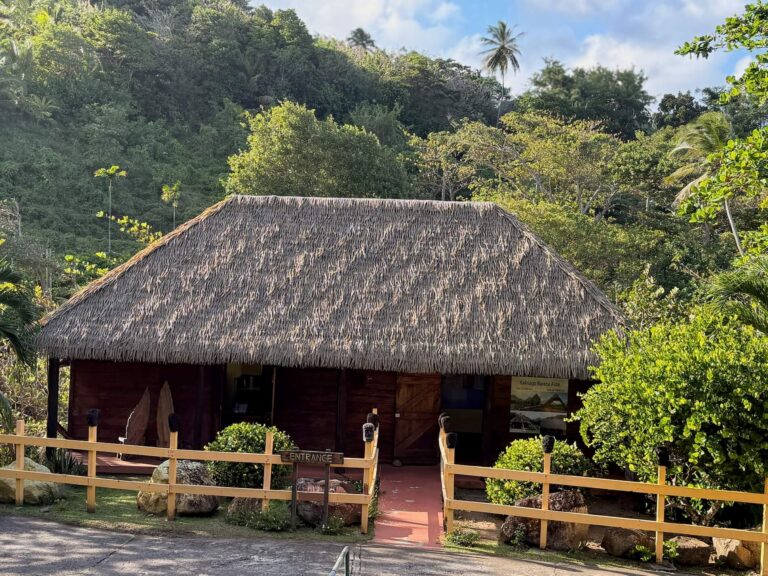
Visiting Kalinago Barana Auté
Voices of Dominica’s First People Dominica is often described through its landscapes first. Rainforest. Rivers. Waterfalls. Hot springs. Volcanic peaks. Roads that twist through the mountains before opening suddenly to the Atlantic. It is an island that feels physical from the moment you arrive — green, humid, steep, alive. And yet, if you only come…
-
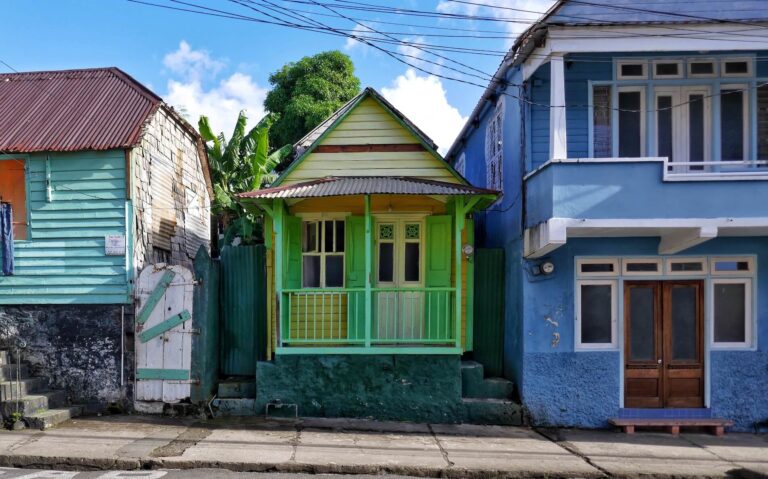
Roseau, Dominica: What to See in the Island’s Colorful Capital
Roseau Beyond the Waterfront Roseau is small, colourful, busy and a little rough around the edges. It is not the kind of Caribbean capital that feels polished for visitors — except perhaps around the waterfront, where the city briefly becomes more arranged for cruise arrivals. Beyond that first layer, Roseau feels much more local. You…
-
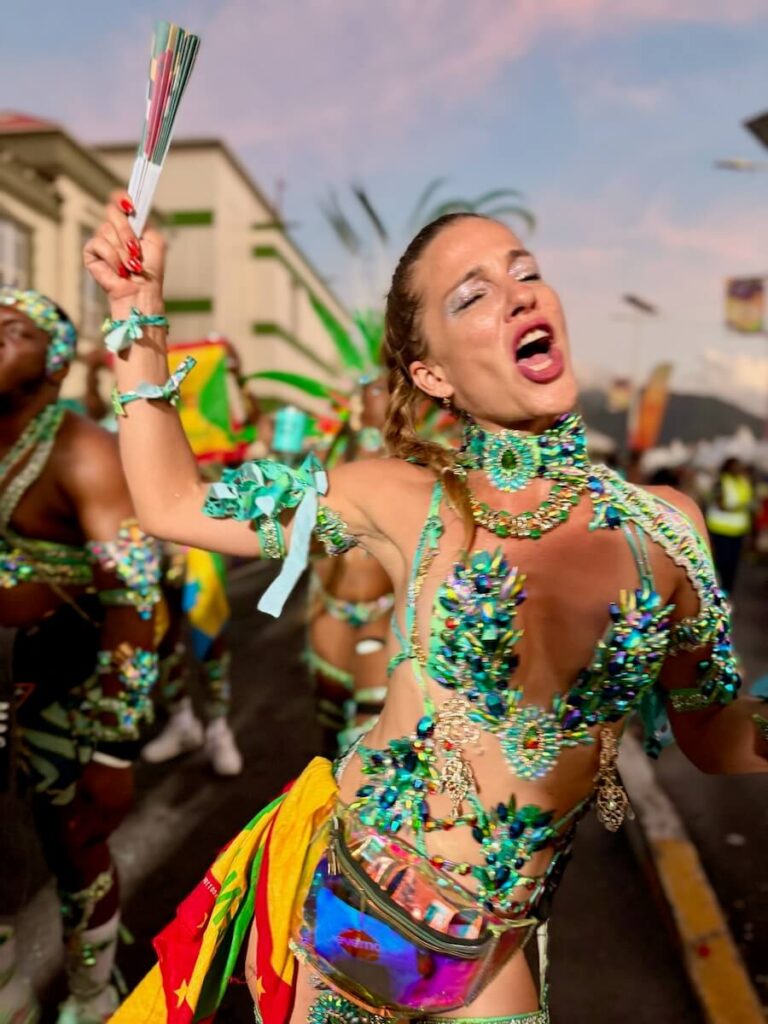
How to play mas in Dominica
Costumes, Culture and Mas There is a moment when Carnival stops being something you watch and becomes something you feel in your body. For me, that moment came on the road with Hysteria Mas in Dominica. The music was already moving ahead of us, the streets of Roseau were filling with people, and suddenly I…
-
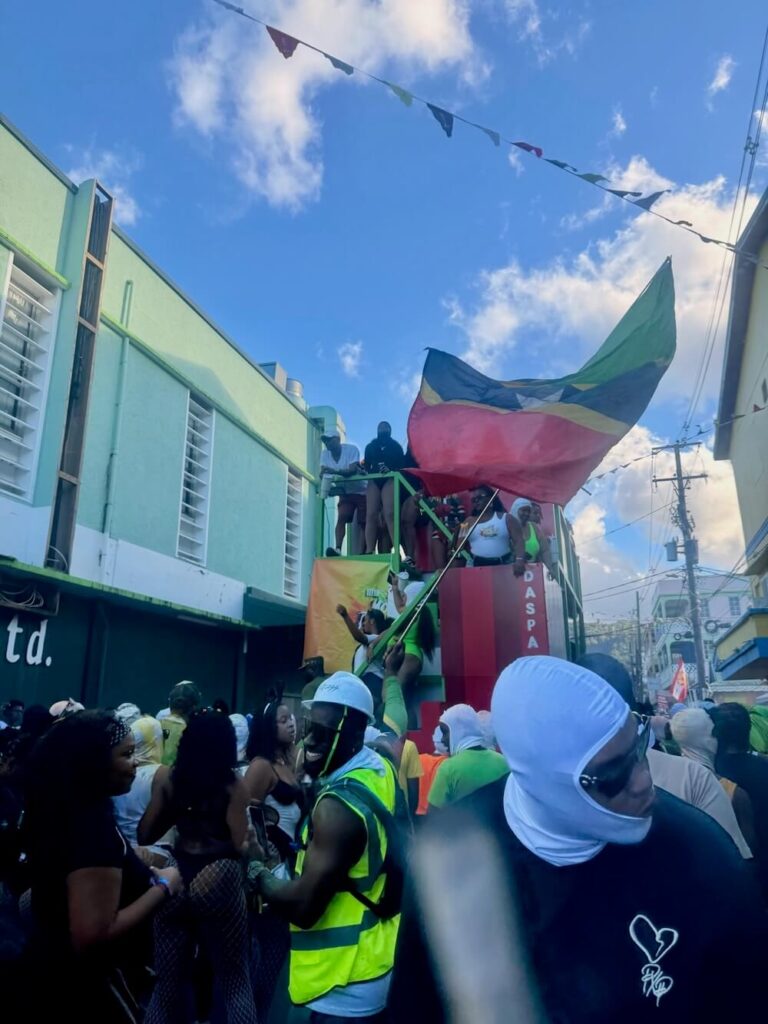
Bouyon Music in Dominica: The Soundtrack of Mas Domnik
The Soundtrack of Mas Domnik Bouyon does not politely stay in the background. It pushes forward. It repeats. It builds pressure. It gets into your body before you have fully understood what you are hearing. During Mas Domnik, Dominica’s Carnival, bouyon is everywhere: on the road, at parties, during J’ouvert, from trucks, passing cars, street…
-
Soufrière and Southern Dominica: A Guide to the Island’s Volcanic Coast
Where the Island Turns Volcanic After the intensity of Mas Domnik in Roseau, southern Dominica felt like a different island. The capital had been all music, movement and Carnival rhythm. Bouyon in the streets. Costumes on the road. People watching from balconies. The same corners appearing again and again as we circled Roseau during Carnival….
-
Beaches in Dominica
Dominica’s Beaches, Without the Caribbean Filter Dominica is not the island I would recommend if your idea of the Caribbean is a week of white sand, beach loungers and polished resort beaches. And that is not criticism. Dominica is the Nature Island of the Caribbean for a reason. Its strongest landscapes are rainforest, rivers, waterfalls,…