Kololi & Senegambia
THE GAMBIA
Kololi is one of the easiest places to land in The Gambia: close to the airport, well set up for visitors, and full of hotels, restaurants, bars and beach clubs. Many travelers start here because it feels convenient, especially after a late-night arrival.
But convenience comes with a complicated tourism culture. Around the main strip and beach areas, visitors are often approached by young men trying to start conversations, offer help, sell services or create a personal connection. Locally, they are often referred to as “bumsters” — a term used in The Gambia for men working informally around tourism, sometimes as guides or fixers, sometimes with romantic or financial expectations attached.
This dynamic did not appear out of nowhere. Kololi has been shaped by decades of package tourism, sex tourism, long-stay visitors and unequal economic relationships. For us, that became tiring quickly. After only a few days, we felt more guarded and less open — not because Gambians are not warm or genuine, but because the tourism dynamics in Kololi can make ordinary encounters feel loaded.
If you are backpacking or hoping to understand The Gambia beyond the resort coast, I would not make Kololi your first real stop. Use it for a practical arrival night if needed, then move on to quieter coastal villages, the river or smaller locally rooted stays. Kololi may be convenient, but it should not be the only lens through which you experience The Gambia.
Gambia’s sex-tourism capital
“Sex tourism” is a phrase to use carefully: it can hide the reality of unequal power, poverty and exploitation. If you witness a child or vulnerable person being targeted, report it to your hotel, local police, or through ECPAT’s reporting guidance.
Volunteer in the Gambia
Kololi is undoubtedly the party and all-inclusive hub, but it”s also home to a solid Dutch ex-pat community. We were lucky to stumble into Busy Bee”s Apartment and met Claudette, one of the most impressive females we have met around the world. Through her, we were not only able to look a bit deeper and understand Gambian culture somewhat better, but we also realized that getting involved, working, and staying longer may be the only way to come to love Kololi. We were, and we maintain to be, very critical towards volunteer projects but found that, especially in the Gambia, many exciting social businesses are springing up. Busy Bee apartments are not the typical place to stay for short-term visitors, so we could meet volunteers from across the world and listen to their stories and experiences.
Enjoy the beach life
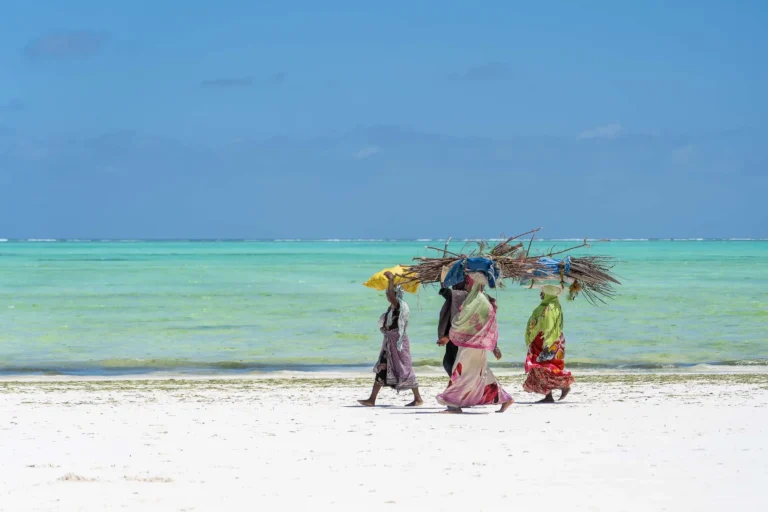
The miles-long, fine sandy beach, with its offer of beach bars, restaurants, and fruit bars, entices visitors to spend a fun day by the beach. Although we were traveling The Gambia in shoulder season and were surprised by how uncrowded the beaches were, the beach was bursting with life only some weeks later. During the week, locals are not allowed to enter the beach area, a sad and weak effort to keep bumpsters at bay. We know this practice is not unusual, but it made us feel inadequate and somewhat guilty. Especially if you sit down at some of the beach bars and find yourself surrounded by white, old ladies with young Gambians. The sight of this spectacle never failed to make us either mad, sad or left us without words.
If you are not staying directly by the beach, you”ll find two main “entrances” to the beach. One entrance is by Poco Loco, a lot busier, and one by Solomon”s bar. We found that Fridays are the most relaxed days by the beach.
Party the night away in Senegambia
Senegambia is the most notorious place to party in all of Gambia. A strip lined with restaurants and bars blasting African tunes makes up the entertainment center. It”s nothing fancy and mostly very casual. Be aware that, of course, there is a lot of prostitution, too.
Practical Travel Tips for The Gambia


Traveling the Gambia?
Places to visit in the Gambia
The smiling coast of Africa
-
Gambia’s South | Gambia’s best beaches
The Quiet Beaches of Southern Gambia Gambia’s only 42-km long coastline offers the perfect beach spot for everyone. If you are looking for a party, Kololi is the place to be, but if you seek more tranquility and serenity, check out Gambia’s South. We found many deserted beaches, many of them with spectacular sunsets. Be…
-
Serekunda | Gambia’s secret capital
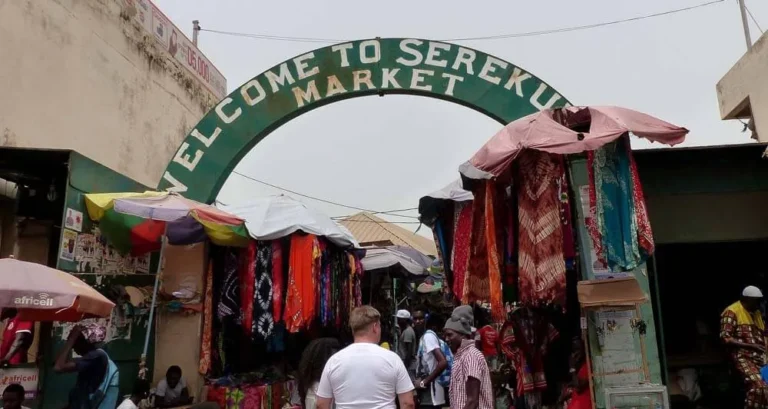
Gambia’s secret capital Serekunda is home to about 400.000 people, and it seems to burst at all seams. Serekunda is Gambia”s biggest city and has long become the economic hub. It”s not exactly pretty or relaxing, but it”s definitely worth a visit to get a glimpse into a busy, authentic Gambian city. Serekunda is also…