Gambia’s secret capital

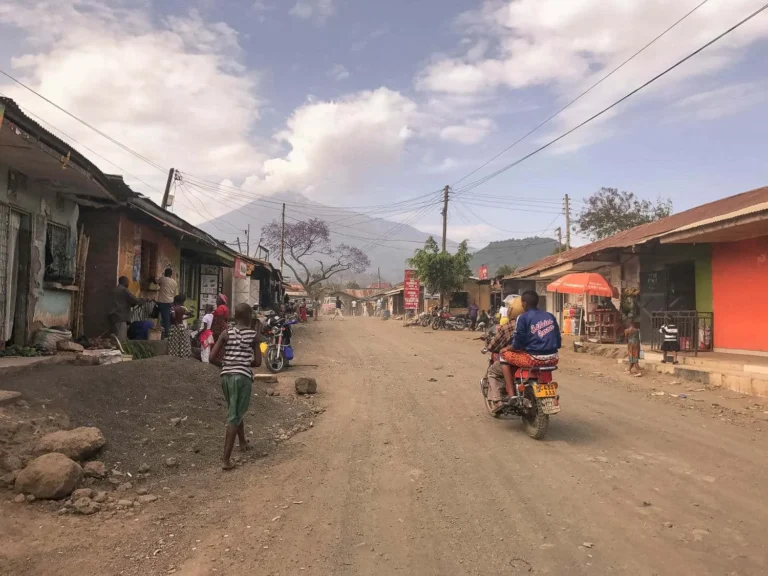
Serekunda is home to about 400.000 people, and it seems to burst at all seams. Serekunda is Gambia”s biggest city and has long become the economic hub. It”s not exactly pretty or relaxing, but it”s definitely worth a visit to get a glimpse into a busy, authentic Gambian city. Serekunda is also home to Gambia”s biggest market. Serekunda offered us an authentic glimpse into urban West African culture and life. It is easy to reach by bus from the Kombo St. Mary area and is predestined for a day trip.

Serekunda has evolved and consists of 9 villages that became one over time. It is not a typical tourist destination and has minimal touristic infrastructure. The city is very functional and far from pretty, but we found it easier to interact with locals and welcomed a change after our lazy days in Kololi.

Shop at Gambia’s biggest market

Gambia”s biggest market forms the heart of Serrekunda. Countless stands surround the Serekunda market building itself, and it”s almost a challenge to find your way through the busy maze. In and outside the market building, you”ll find anything from food, clothes, groceries, household goods, electronics, and everything in between. The market is bustling during the week.
After pushing yourself through the narrow alleys full of people, carts, and goods, you”ll reach the heart of the maze – the Serekunda market building. The market itself is another maze of small alleys. It”s loud, the stands are overflowing, and the smell is intense. But after our days by the beach, the authenticity of the place felt lovely.

Tour the batik factory in Serekunda

It”s pretty unimposing, and many people don”t know about it. But Serekunda is also home to a traditional batik factory that still supplies many local shops. A visit is sometimes part of a tour, but you can easily visit the factory yourself and watch the tie-die, design, and waxing process. You”ll find the factory called Ms. Musu Kebba Drammeh”s workshop in Dippa Kunda, off Mosque Road. By the way: it”s an excellent place to shop for some souvenirs.

Watch a wrestling match

Wrestling is the national sport in the Senegambia region. So, if you are around on a Saturday or Sunday, don”t miss out! Typically djembe drummers accompany the contestants and create an intense atmosphere. You can observe the spectacle at Serrekunda West Mini Stadium

Practical Travel Tips for The Gambia

English is the official language, which makes communication relatively easy for visitors. In daily life, many Gambians also speak local languages such as Mandinka, Wolof, Fula, and Jola.

The local currency is the Gambian Dalasi (GMD). Cash is still widely used, especially in markets, taxis, and small restaurants.

ATMs can be found in the main coastal towns such as Kololi, Kotu, and Banjul, but they become less common inland. Carrying smaller bills is helpful for everyday purchases.

Getting around The Gambia is fairly straightforward but requires some flexibility. Shared taxis and minibuses connect most towns and are widely used by locals, though they run on local rhythms rather than fixed schedules.

Along the coastal tourism areas, regular taxis are easy to find and often the simplest option for short trips. For longer distances — especially when exploring beyond the coast or traveling inland along the Gambia River — arranging a driver through your hotel or guesthouse is usually the most comfortable option.

The Gambia is generally considered one of the more stable and welcoming destinations in West Africa, and many visitors remark on the friendliness of local people.

In busy tourism areas — particularly around Senegambia — you may encounter persistent offers for guiding services or conversation. A polite but firm “no thank you” usually works well.

The best time to visit The Gambia is during the dry season from November to May. Temperatures are warm, humidity is lower, and rainfall is rare, making it ideal for beach time, wildlife viewing, and exploring along the Gambia River.

From June to October, the rainy season brings heavier humidity and regular tropical showers. The landscape becomes greener and birdlife is especially active, but travel can feel slower due to heat, humidity, and occasional flooding.

For most visitors, December to March offers the most comfortable weather, with sunny days, cooler evenings, and good conditions for both beach trips and nature excursions.

Tap water is generally not recommended for drinking. Most travelers rely on bottled water, which is widely available.

If you prefer to reduce plastic waste, a UV self-cleaning bottle can be a practical alternative. These bottles use UV light to neutralize bacteria and allow you to safely refill water during your trip.

The Gambia is a predominantly Muslim country, with around 90% of the population practicing Islam. Christian communities and traditional beliefs are also present, and religious coexistence is generally peaceful.

Islam shapes parts of daily life — from prayer times to major celebrations such as Koriteh (Eid al-Fitr) and Tobaski (Eid al-Adha) — but visitors will find the atmosphere welcoming and relaxed.

Respectful behavior goes a long way in The Gambia. Modest clothing is appreciated when visiting villages, markets, or religious sites, although beach areas tend to be more relaxed.
Greeting people politely and showing curiosity about local life often opens doors to conversations and interactions that make traveling here especially rewarding.Religion in The Gambia

Tourism plays an important role in the local economy. Supporting locally owned guesthouses, guides, markets, and restaurants helps ensure that tourism benefits the communities you visit.

Taking time to explore beyond the main resort strip — whether visiting nature reserves, markets, or riverside villages — often leads to a richer and more balanced experience of the country.

Places to visit in the Gambia

The smiling coast of Africa
Similar Posts