Best beaches
IN THE GAMBIA
The Quiet Beaches of Southern Gambia
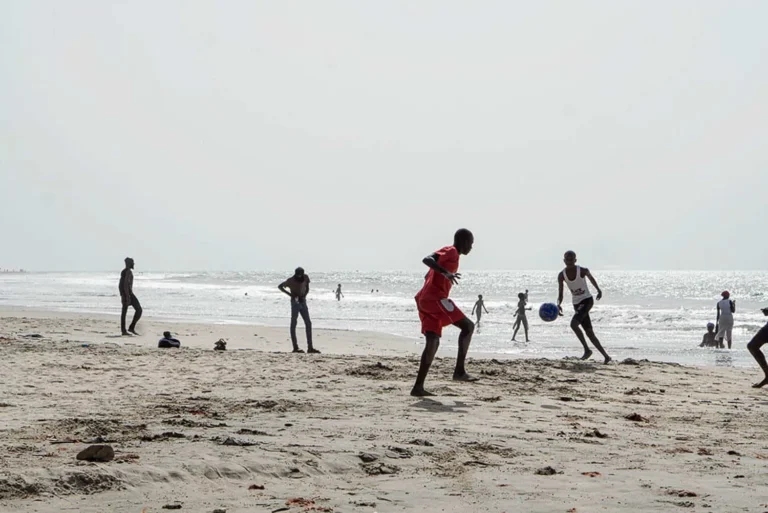
Gambia’s only 42-km long coastline offers the perfect beach spot for everyone. If you are looking for a party, Kololi is the place to be, but if you seek more tranquility and serenity, check out Gambia’s South. We found many deserted beaches, many of them with spectacular sunsets. Be careful, though! The currents are strong!
You might have already realized that we never warmed up to Kololi, no matter how many times we returned. After the initial days in Kololi, we were ready to escape the local bumsters and headed toward the South. Gambia’s coastline is only 42 km long, yet we experienced quite a difference. Instead of all-inclusive, sex-tourism hotel enclaves, we found inspiring eco-lodges and vast, quiet beaches. Some of the best beaches in the Gambia are located in the South!
Bijol Island
For a more adventurous beach experience, take a boat trip to Bijol Island. Located at the mouth of the Gambia River, this pristine island is a haven for nature enthusiasts. The untouched beaches, lush mangroves, and abundant birdlife make it a perfect destination for birdwatching and eco-tourism. It’s a remote escape from the hustle and bustle of everyday life.
Cape Point Beach
Cape Point Beach is a hidden gem nestled at the tip of the Cape Point Peninsula. This secluded beach is known for its tranquility and unspoiled beauty. Surrounded by lush greenery and offering breathtaking views of the Atlantic Ocean, Cape Point Beach is an ideal spot for those seeking a peaceful escape. The rocky outcrops add an element of natural beauty, making it a great place for photography.
Brufut’s Paradise Beach
Starting in Brufut, the so-called Paradise beach should be your first stop on your way south. While you’ll still find some All-inclusives, there is an increasing number of Boutique Lodges along the vast beach.
As you travel further south, you’ll find more tranquility and individual tourism with amazing Eco-lodges. The beaches around Gunjur are stunning and often deserted. Sadly, a Chinese factory started its operation two years ago, and you’ll encounter dead fish, which left somewhat of a bitter aftertaste.
The beaches in Kartong
Kartong marks the last village before the border with Senegal and is a perfect stop to get to know people and village life. The beaches are quiet and ideal for relaxing. Kartong Village is an exciting and developing tourist destination located on the southern tip of The Gambia. This small coastal town has a population that consists primarily of Mandinka people, followed by Jola tribespeople and other minority groups such as Karoninkya & Balanta, who live together in harmony despite their differences!
Kartong’s economy relies heavily upon fishing, but more travelers discover this peaceful location for relaxation or adventure trips to the Gambia.
By the way: Gambia’s South offers some fantastic surf breaks! Until now, it’s a well-kept secret, so you will likely enjoy the breaks all by yourself!
Tanji Beach
Tanji Beach is famous for its vibrant fishing community and colorful fishing boats that line the shore. It’s a fascinating place to observe the local fishing culture of The Gambia. The stunning contrast of the bright boats against the deep blue waters creates a visually striking scene. Don’t forget to visit the Tanji Fish Market nearby, where you can witness the hustle and bustle of fish trading.
Practical Travel Tips for The Gambia


Traveling the Gambia?
Places to visit in the Gambia
The smiling coast of Africa
-
Serekunda | Gambia’s secret capital
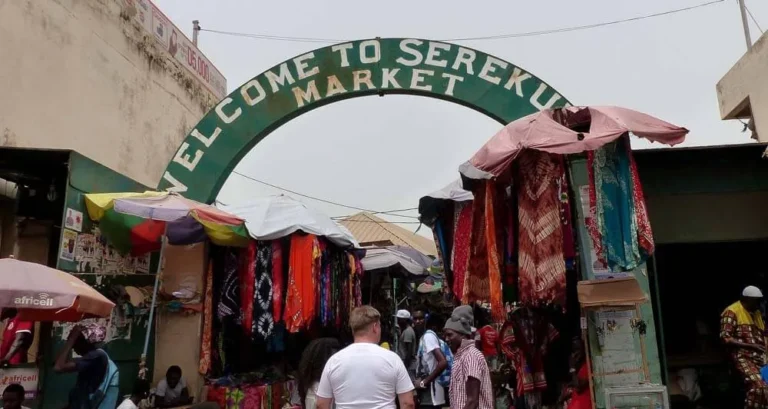
Gambia’s secret capital Serekunda is home to about 400.000 people, and it seems to burst at all seams. Serekunda is Gambia”s biggest city and has long become the economic hub. It”s not exactly pretty or relaxing, but it”s definitely worth a visit to get a glimpse into a busy, authentic Gambian city. Serekunda is also…
-
Kololi Gambias sex-tourism capital
Kololi is one of the easiest places to land in The Gambia: close to the airport, well set up for visitors, and full of hotels, restaurants, bars and beach clubs. Many travelers start here because it feels convenient, especially after a late-night arrival. But convenience comes with a complicated tourism culture. Around the main strip…