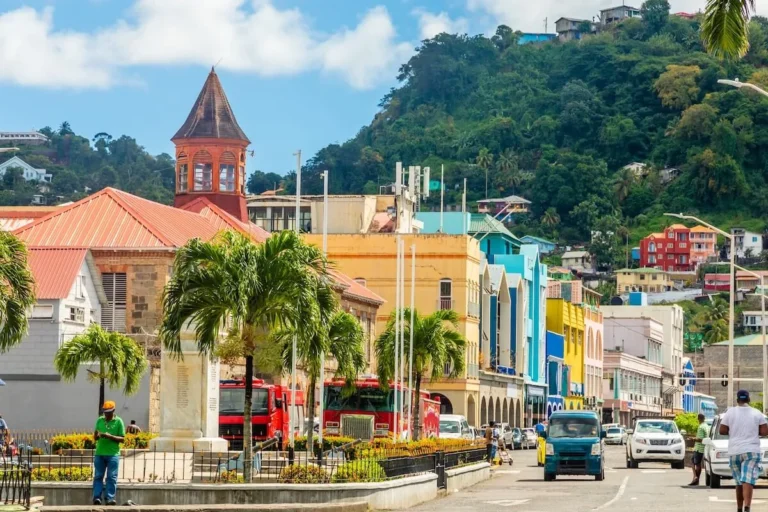
Daytrips from Port of Spain
Trinidad
Uncover the Hidden Treasures of Trinidad
Visiting Port of Spain and looking for the perfect day trip? As someone who’s spent a lot of time exploring this vibrant city and its surroundings, I can assure you there”s no shortage of adventures. Whether you”re a nature lover, interested in history, or just seeking some beachside relaxation, these day trips offer a mix of cultural, historical, and natural wonders. Here are my personal favorites with practical tips to help you make the most of your trip.
Port of Spain is often where a Trinidad trip begins — but some of my favorite memories have happened once I left the city behind. Within one or two hours, you can be in the rainforest, swimming on the north coast, watching hummingbirds in the hills, or heading south into a completely different side of the island.
That contrast is what makes Trinidad so special. The north feels lush, mountainous, and dramatic, while the south carries a strong Indo-Trinidadian heritage, with temples, food, festivals, and cultural layers that tell a very different story of the island.
Many of these places are easiest to reach by car, so before planning your route, I recommend reading my full guide to self-driving in Trinidad, where I share what driving in Trinidad is really like and what to know before setting off.
Northern Trinidad
Northern Trinidad is usually the easiest place to explore first from Port of Spain. The capital sits right below the Northern Range, so you can leave the city and, within a short drive, be surrounded by rainforest, mountain roads, small communities, and views that feel far removed from downtown.
This part of Trinidad is home to some of the island’s best-known day trips, including Maracas Bay, Las Cuevas, and Blanchisseuse, but it is also where I started to understand how green and diverse the island really is. The north is not only about beaches. It is about cooler mountain air, forest trails, waterfalls, birdlife, old cocoa landscapes, and scenic roads that make the drive part of the experience.
For me, Northern Trinidad is one of the best introductions to the island beyond Port of Spain: close enough to visit without complicated planning, but varied enough to show why Trinidad deserves more than a quick stop.
Maracas Bay and the North Coast
If you’re craving sun, sand, and stunning views, Maracas Bay is a must! The drive alone is an adventure, winding through the lush Northern Range with jaw-dropping vistas. Once you reach Maracas, try the famous Bake and Shark. My favorite stall? Richard’s—their toppings bar is legendary. If you have extra time, continue along the coast to the quieter Las Cuevas or Blanchisseuse beaches.
- Travel time: About 1 hour from Port of Spain.
- Tips: Get an early start to avoid traffic and crowds. Don”t forget your sunscreen and cash for beach vendors.
Asa Wright Nature Centre
Nature enthusiasts, this one’s for you. Nestled in the Arima Valley, Asa Wright is a haven for birdwatchers and anyone who loves a peaceful retreat. I was mesmerized by the vibrant hummingbirds darting around the verandah—it’s pure magic.
- Travel time: Around 1 hour from Port of Spain.
- Tips: Book a guided tour to learn about Trinidad’s unique wildlife. Wear comfortable shoes and bring binoculars if you have them.
Paria Waterfall and Beach
For the adventurous, the hike to Paria Waterfall is challenging but incredibly rewarding. You’ll trek through the lush Northern Range, eventually reaching a serene beach and waterfall. It’s a true off-the-beaten-path experience.
- Travel time: About 1.5 hours to the hike’s starting point.
- Tips: Start early and bring plenty of water, snacks, and sturdy hiking shoes. This hike isn’t for beginners, so be prepared for a workout.
Mount St. Benedict Monastery
If you’re seeking tranquility, the Mount St. Benedict Monastery offers a peaceful escape with stunning panoramic views. The monks here also make delicious homemade yogurt, which you can’t miss!
- Travel time: Around 45 minutes from Port of Spain.
- Tips: Check out the hiking trails around the monastery for a gentle walk. Stop by the gift shop to support the monastery’s work.
Lopinot River
Tucked in the lush Lopinot Valley, this river spot is perfect for a refreshing dip surrounded by greenery. The area is steeped in history, with connections to French settlers and cocoa plantations.
- Travel time: About 1 hour from Port of Spain.
- Tips: Bring water shoes for better grip on the river stones and a picnic to enjoy by the riverbank.
Chaguaramas
Chaguaramas is a playground for outdoor lovers. Whether you’re hiking through the national park, exploring the fascinating Gasparee Caves, or zip-lining at Macqueripe Bay, there’s plenty to keep you active and engaged.
- Travel time: About 30 minutes from Port of Spain.
- Tips: Some activities, like the Gasparee Caves tour, require advance booking. Pack water and snacks for a full day of exploring.
- Travel time: Approximately 1.5 hours from Port of Spain.
- Tips: Wear sturdy shoes that can handle the lake’s sometimes sticky surface. Local vendors nearby sell handcrafted souvenirs.
Southern Trinidad
Southern Trinidad feels like a different island from the north. The landscape opens up, the pace changes, and the journey starts to feel less like a simple day trip and more like a deeper look into Trinidad’s history, culture, and everyday life.
This is where the island’s Indo-Trinidadian heritage is especially visible — in temples, food, festivals, and communities shaped by generations of Indian influence. It is also home to some of Trinidad’s most unusual sights, from the Temple in the Sea and the Hanuman Murti to the Pitch Lake and the quieter coastal areas around the southwest.
For me, the south is one of the most interesting parts of Trinidad because it shows a side of the island many visitors miss. It is less polished, more spread out, and not always as easy to explore spontaneously, but it adds a completely different layer to any trip from Port of Spain.
Pitch Lake
Did you know Trinidad is home to one of the world’s largest natural asphalt lakes? Visiting the Pitch Lake in La Brea is both fascinating and educational. The guided tours offer insight into the lake’s formation and its uses over the centuries.
- Travel time: Approximately 1.5 hours from Port of Spain.
- Tips: Wear sturdy shoes that can handle the lake’s sometimes sticky surface. Local vendors nearby sell handcrafted souvenirs.
San Fernando Hill
For panoramic views of Trinidad’s southern landscapes, San Fernando Hill is the perfect spot. It’s a peaceful place to enjoy a picnic and take in the scenery.
- Travel time: About 1.5 hours from Port of Spain.
- Tips: Bring a picnic blanket and some local snacks to enjoy while you take in the views.
Central Trinidad
Central Trinidad is often the part of the island people pass through rather than plan around, but it gives a very different view of the country. Leaving Port of Spain and heading inland, the landscape becomes flatter, busier, and more lived-in — with towns, markets, temples, food stops, and everyday Trinidadian life unfolding along the road.
This is not the dramatic rainforest-and-coast scenery of the north, but Central Trinidad has its own depth. It is one of the best areas to experience Trinidad’s Indo-Trinidadian heritage, from temples and Hindu sites to doubles, sweets, festivals, and communities where Indian influence is part of daily life. It also helps explain how layered Trinidad really is — African, Indian, European, Chinese, Indigenous, and Caribbean histories all meeting in one island.
For me, Central Trinidad is worth including because it adds context. It may not always be the most obvious day trip from Port of Spain, but it shows a side of Trinidad that is cultural, local, and deeply connected to the island’s identity.
Caroni Bird Sanctuary
For a breathtaking experience, head to the Caroni Bird Sanctuary. A boat tour through the mangrove swamps at sunset is unforgettable, especially when you see flocks of Scarlet Ibis returning to roost. The vivid red of the birds against the twilight sky is a sight I’ll never forget.
- Travel time: 30 minutes from Port of Spain.
- Tips: Evening tours offer the best birdwatching opportunities. Bring insect repellent and a camera with a good zoom lens.

Temple in the Sea and Waterloo
This Hindu temple, built on reclaimed land, is a symbol of resilience and faith. It”s a powerful cultural experience, especially when paired with a visit to the nearby Indian Arrival Monument.
- Travel time: Little more than 1 hour from Port of Spain.
- Tips: Visit during the late afternoon for cooler weather and beautiful sunset photography.
Practical Travel Tips for Trinidad and Tobago


Traveling Trinidad and Tobago?
Places to visit in the Caribbean
-
Visiting Kalinago Barana Auté
Voices of Dominica’s First People Dominica is often described through its landscapes first. Rainforest. Rivers. Waterfalls. Hot springs. Volcanic peaks. Roads that twist through the mountains before opening suddenly to the Atlantic. It is an island that feels physical from the moment you arrive — green, humid, steep, alive. And yet, if you only come…
-
Roseau, Dominica: What to See in the Island’s Colorful Capital
Roseau Beyond the Waterfront Roseau is small, colourful, busy and a little rough around the edges. It is not the kind of Caribbean capital that feels polished for visitors — except perhaps around the waterfront, where the city briefly becomes more arranged for cruise arrivals. Beyond that first layer, Roseau feels much more local. You…
-
How to play mas in Dominica
Costumes, Culture and Mas There is a moment when Carnival stops being something you watch and becomes something you feel in your body. For me, that moment came on the road with Hysteria Mas in Dominica. The music was already moving ahead of us, the streets of Roseau were filling with people, and suddenly I…
-
Bouyon Music in Dominica: The Soundtrack of Mas Domnik
The Soundtrack of Mas Domnik Bouyon does not politely stay in the background. It pushes forward. It repeats. It builds pressure. It gets into your body before you have fully understood what you are hearing. During Mas Domnik, Dominica’s Carnival, bouyon is everywhere: on the road, at parties, during J’ouvert, from trucks, passing cars, street…
-
Soufrière and Southern Dominica: A Guide to the Island’s Volcanic Coast
Where the Island Turns Volcanic After the intensity of Mas Domnik in Roseau, southern Dominica felt like a different island. The capital had been all music, movement and Carnival rhythm. Bouyon in the streets. Costumes on the road. People watching from balconies. The same corners appearing again and again as we circled Roseau during Carnival….
-
Beaches in Dominica
Dominica’s Beaches, Without the Caribbean Filter Dominica is not the island I would recommend if your idea of the Caribbean is a week of white sand, beach loungers and polished resort beaches. And that is not criticism. Dominica is the Nature Island of the Caribbean for a reason. Its strongest landscapes are rainforest, rivers, waterfalls,…