Exploring the South
TRINIDAD
A Journey Through Hidden Gems
When I think about the south of Trinidad, I immediately feel a sense of warmth and familiarity. It’s a part of the island that”s often overlooked by travelers who tend to stick to Port of Spain or Tobago’s beaches. But in the south, there”s a special kind of magic—lush landscapes, unique cultural experiences, and a slower pace that invites you to stay a little longer and soak it all in.
During my time traveling through Trinidad, I made it a point to venture beyond the usual tourist hotspots. The south rewarded me in ways I never expected. Here”s my personal guide to the region’s must-see spots, organized by category to make your adventure easy to plan.
Exploring the south of Trinidad was a deeply rewarding experience. It offered a blend of history, nature, and culture that felt both authentic and grounding. If you”re planning a trip to Trinidad, I encourage you to venture beyond the usual spots and discover the hidden beauty of the south. Trust me—it”s worth every moment.
Best places to stay in Trinidad’s South
Southern Trinidad is not where I would look for boutique beach hotels or resort-style stays. Accommodation here is more practical, local, and often geared toward business travelers, family visits, or people who need a convenient base in the south. But if you want to explore places like San Fernando, the Temple in the Sea, the Hanuman Murti, Pitch Lake, or the southwest without rushing back to Port of Spain, staying overnight can make a lot of sense.
For a first stay in the south, I would base myself around San Fernando. It gives you better access to restaurants, main roads, and several of the key cultural sights, while still keeping the deeper south within reach
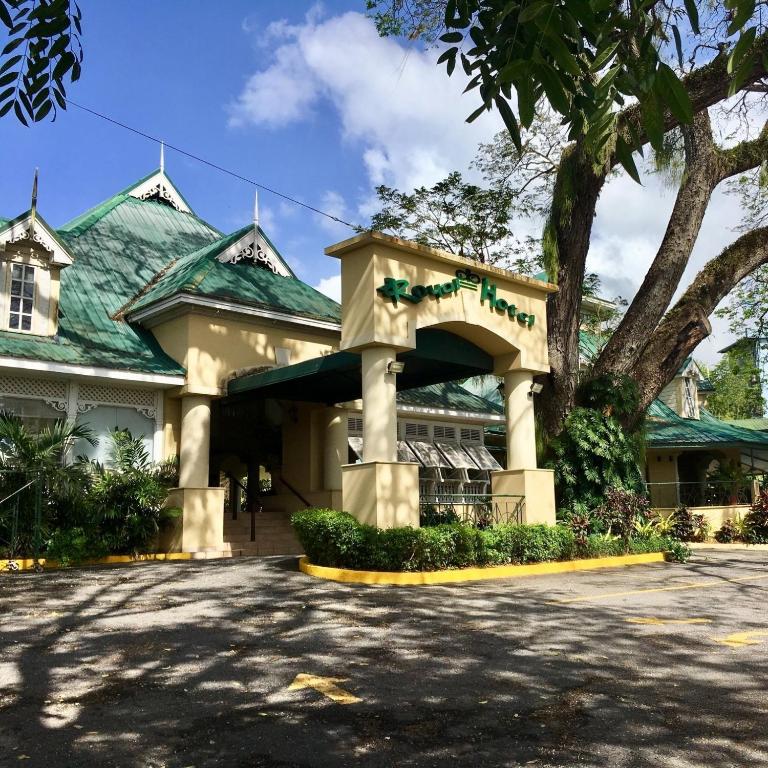
One of the most straightforward options is The Royal Hotel in San Fernando. It has that classic, local hotel feel rather than a polished resort atmosphere, which in many ways fits Southern Trinidad well. It is practical, central enough for exploring the city and surrounding area, and useful if you want a comfortable overnight stop with parking, a restaurant, and a pool.
I would consider this one of the easiest choices for travelers who want to experience the south without overcomplicating logistics.
Tradewinds Hotel is another practical option in the San Fernando area, especially if you prefer a slightly quieter base or are staying longer than one night. It is also a good fit if your trip combines sightseeing with work, events, or visiting friends and family in the south.
For travelers who want to go deeper into the southwest — closer to Pitch Lake, Point Fortin, or quieter coastal areas — it may be worth looking at smaller guesthouses rather than hotels. This part of Trinidad feels more local and less visitor-oriented, so expectations should be adjusted. The reward is being closer to a side of the island that many travelers never reach.
Cities & Historic Sites in Trinidad’s South

San Fernando
Trinidad’s Second Largest City
San Fernando is lively but not chaotic, a city full of character and history. I recommend heading up San Fernando Hill for panoramic views of the Gulf of Paria. It”s peaceful and perfect for sitting and reflecting while the sun sets.
Highlights:
- San Fernando Hill – Offers incredible sunset views.
- Naparima Bowl – A performing arts center with local plays and concerts.
- San Fernando Market – A vibrant market full of fresh produce, local street food, and handmade crafts.
Best for: History, culture, and urban exploration.
Practical Tip: Visit the market early in the morning for the freshest produce and fewer crowds. Don’t miss grabbing a freshly made doubles!
La Brea
A Geological Wonder
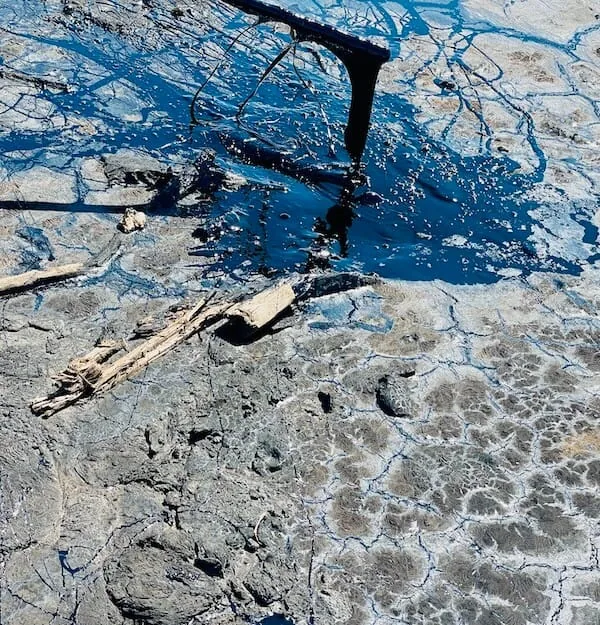
Pitch Lake in La Brea is one of the most fascinating places I’ve ever visited. It’s the world’s largest natural asphalt lake, and you can walk across its surface while learning about its unique formation.
Highlights:
- Pitch Lake – Explore a natural wonder full of bubbling asphalt pools.
Best for: Nature lovers and geology enthusiasts.
Practical Tip: Wear comfortable shoes—some areas of the lake can be soft and uneven.
Nature & Adventure in Trinidad’s South
Pointe-à-Pierre Wildfowl Trust
This peaceful conservation area is a haven for birdwatchers and eco-tourists. I spent hours watching scarlet ibises and herons glide across the water. It”s a serene spot where you can reconnect with nature.
Highlights:
- Bird sanctuaries with endangered species.
- Nature trails and scenic ponds.
Best for: Wildlife photography and family-friendly nature experiences.
Practical Tip: Visit in the early morning or late afternoon for the best bird sightings.
Devil’s Woodyard
This site is home to bubbling mud volcanoes surrounded by lush greenery. Despite its name, Devil’s Woodyard feels peaceful and almost otherworldly. It’s an ideal spot for a picnic and a bit of light hiking.
Best for: Geology lovers and those looking for a unique outdoor experience.
Practical Tip: Avoid visiting after heavy rains as the trails can become slippery and muddy.
Beaches & Relaxation in Trinidad’s South

Vessigny Beach
A favorite among locals, Vessigny Beach is perfect for a relaxing day by the sea. It has calm waters, picnic facilities, and a friendly, family-oriented atmosphere.
Best for: Families and laid-back beach days.
Practical Tip: Try visiting on weekdays for relaxation and to avoid weekend crowds. Come on the weekend for good vibes.

Quinam Beach
This secluded beach, known for its striking black sand, offers a more intimate and tranquil experience. I loved taking long walks here while listening to the sound of waves.
Best for: Couples and those seeking solitude.
Practical Tip: There aren’t many facilities here, so pack your own snacks and water.
Cultural Experiences in Trinidad’s South

Temple in the Sea
in Waterloo
This Hindu temple is one of the most iconic landmarks in Trinidad. Built by Siewdass Sadhu on reclaimed land, it stands as a testament to perseverance and faith. Walking along the jetty to the temple feels like a moment of spiritual reflection.
Best for: Cultural immersion and photography.
Practical Tip: Respect the temple’s customs by removing your shoes before entering and dressing modestly.

The 85-Foot Hanuman Murti & Dattatreya Temple
in Carapichaima
I was blown away by the sheer size and intricate design of this statue. It’s the tallest Hanuman murti (statue) in the Caribbean and a significant religious site for Trinidad’s Hindu community.
Best for: Architecture enthusiasts and spiritual seekers.
Practical Tip: Visit early in the day to avoid crowds and intense heat.
Local Festivals & Culinary Experiences

Hosay Festival
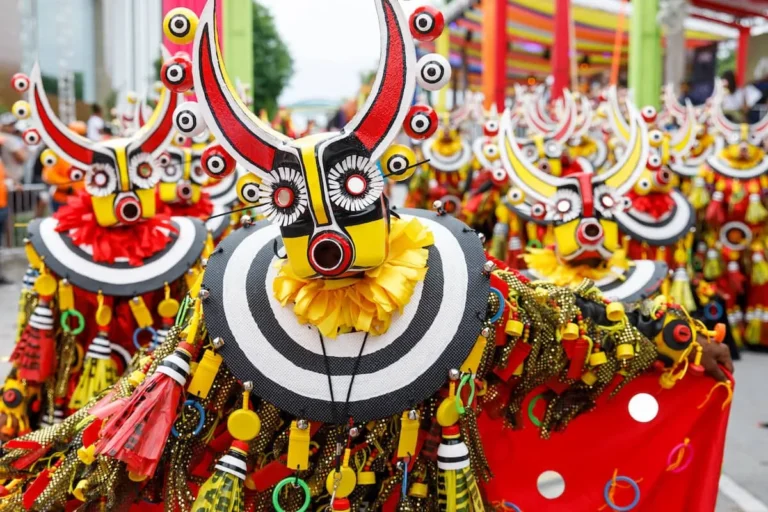
If you visit during the Hosay Festival, you’ll be treated to vibrant, moving processions that showcase Trinidad’s rich multiculturalism. It’s one of the many ways the island celebrates its heritage. The festival spans ten days, culminating on the Day of Ashura, which falls on the tenth day of the Islamic month of Muharram. The specific dates vary each year based on the lunar calendar.
In 2025, the Day of Ashura is expected to be observed on July 6th. Therefore, the Hosay festival in Trinidad and Tobago is anticipated to take place from late June, culminating on July 6, 2025.
Best for: Immersive festival experiences.
Practical Tip: Check festival dates in advance since they vary according to the Islamic lunar calendar.

Culinary Experiences
Southern Trinidad is a food lover’s paradise. I found some of the best doubles at a street vendor near the San Fernando Market. Every bite was an explosion of flavor—soft bara, perfectly spiced curried chickpeas, and tangy tamarind sauce.
Highlights:
- Doubles – A must-try street food.
- Siparia’s Local Cuisine – Enjoy hearty dishes like pelau and callaloo in this charming town.
Best for: Foodies and budget travelers..
Practical Tip: Ask locals where they get their favorite doubles or roti. They know the hidden gems!
Practical Travel Tips for Trinidad and Tobago


Traveling Trinidad and Tobago?
Places to visit in the Caribbean
-
Visiting Kalinago Barana Auté
Voices of Dominica’s First People Dominica is often described through its landscapes first. Rainforest. Rivers. Waterfalls. Hot springs. Volcanic peaks. Roads that twist through the mountains before opening suddenly to the Atlantic. It is an island that feels physical from the moment you arrive — green, humid, steep, alive. And yet, if you only come…
-
Roseau, Dominica: What to See in the Island’s Colorful Capital
Roseau Beyond the Waterfront Roseau is small, colourful, busy and a little rough around the edges. It is not the kind of Caribbean capital that feels polished for visitors — except perhaps around the waterfront, where the city briefly becomes more arranged for cruise arrivals. Beyond that first layer, Roseau feels much more local. You…
-
How to play mas in Dominica
Costumes, Culture and Mas There is a moment when Carnival stops being something you watch and becomes something you feel in your body. For me, that moment came on the road with Hysteria Mas in Dominica. The music was already moving ahead of us, the streets of Roseau were filling with people, and suddenly I…
-
Bouyon Music in Dominica: The Soundtrack of Mas Domnik
The Soundtrack of Mas Domnik Bouyon does not politely stay in the background. It pushes forward. It repeats. It builds pressure. It gets into your body before you have fully understood what you are hearing. During Mas Domnik, Dominica’s Carnival, bouyon is everywhere: on the road, at parties, during J’ouvert, from trucks, passing cars, street…
-
Soufrière and Southern Dominica: A Guide to the Island’s Volcanic Coast
Where the Island Turns Volcanic After the intensity of Mas Domnik in Roseau, southern Dominica felt like a different island. The capital had been all music, movement and Carnival rhythm. Bouyon in the streets. Costumes on the road. People watching from balconies. The same corners appearing again and again as we circled Roseau during Carnival….
-
Beaches in Dominica
Dominica’s Beaches, Without the Caribbean Filter Dominica is not the island I would recommend if your idea of the Caribbean is a week of white sand, beach loungers and polished resort beaches. And that is not criticism. Dominica is the Nature Island of the Caribbean for a reason. Its strongest landscapes are rainforest, rivers, waterfalls,…