Beaches in Portland
JAMAICA
My Favourite Shores on Jamaica’s Wild Coast
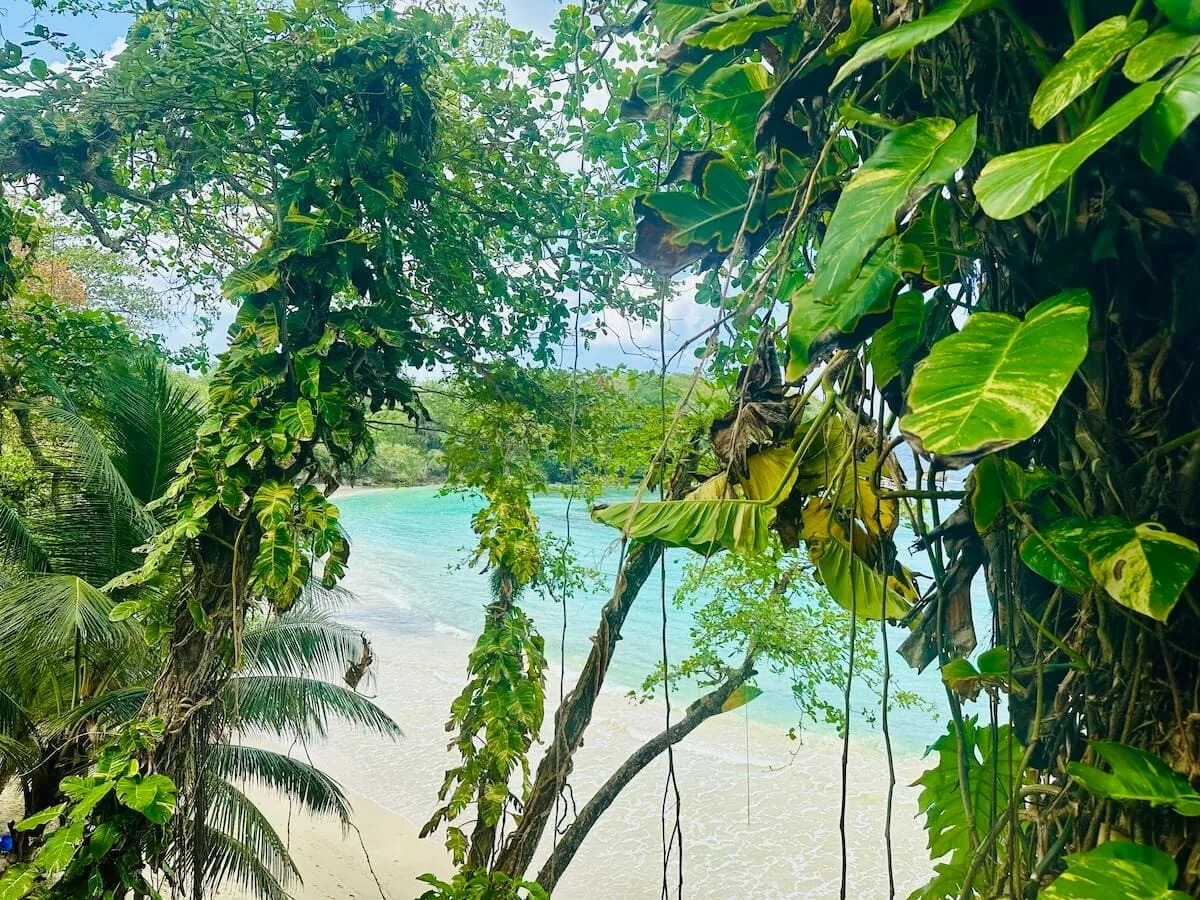
I’ve clocked a lot of sandy hours in Portland, and every beach hits a different note. Some roar with surf and reggae; others whisper under almond trees where you might share the shoreline with a goat. Many are community-run or sit on private land. If a gatekeeper asks for a couple hundred Jamaican dollars, pay it gladly—that small fee keeps bathrooms working, rubbish off the sand, and public rights intact.
Portland is Jamaica’s wild corner—no high-rise hotels, no strip-mall sameness—just shoreline stitched together by jerk smoke, river spray and the easy laughter of people who’ve known these beaches since childhood. I’ve spent weeks here, windows down, salt drying on my skin, letting the coast decide my schedule. Below are the sands I keep coming back to, plus a few handy notes so you can enjoy them without fuss.
(Many of these spots are community-run or sit on private land. When a gatekeeper asks for a small fee or donation, pay it happily—it keeps bathrooms working, rubbish off the sand, and public access alive.)
Best beach stays in Portland
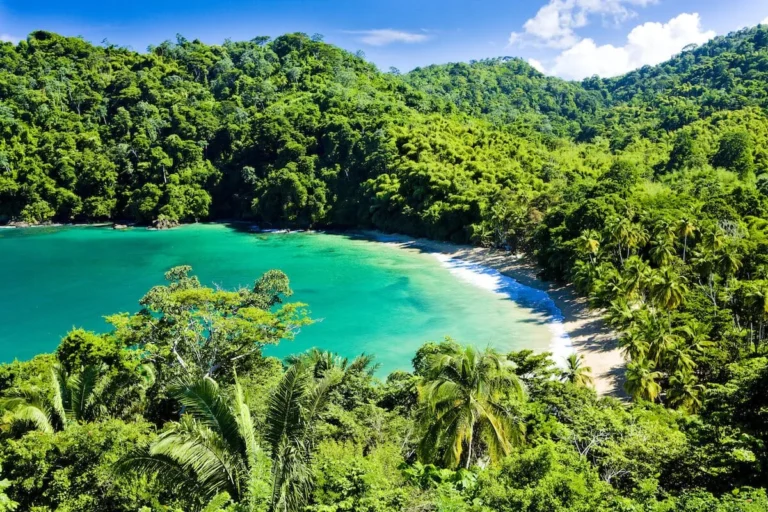
Portland is the side of Jamaica where I would choose a stay for atmosphere as much as location. The beaches here are not lined with big resorts in the same way as Negril or Montego Bay. They feel more tucked away — coves framed by rainforest, small bays, quiet roads, jerk smoke near Boston Bay, and that softer, greener rhythm that makes Portland feel so different.
For a beach-focused trip, I would look around San San, Drapers, Boston Bay, Long Bay, or just outside Port Antonio. San San and Drapers are best if you want to be close to some of Portland’s most beautiful beaches, while Boston Bay and Long Bay feel more local, surfy, and laid-back.
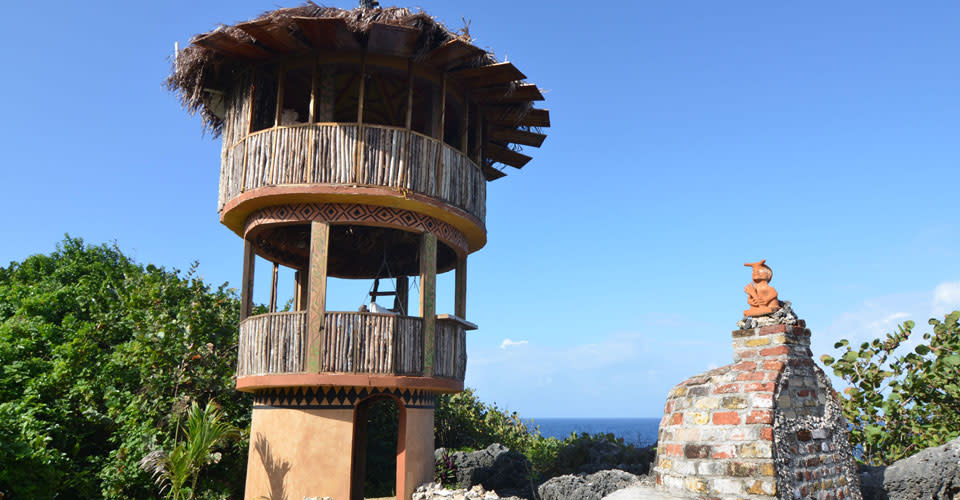
Great Huts is one of the most memorable places to stay in Portland. Set near Boston Bay, it feels more like an eco-retreat than a standard hotel, with Afro-Caribbean-inspired huts, ocean views, jungle surroundings, and a strong sense of place.
I would choose Great Huts if I wanted my stay to feel like part of the Portland experience — a little wild, creative, and close to nature. It is not the most conventional option, but that is exactly what makes it interesting.
Best for: nature lovers, creatives, solo travelers, couples, and anyone looking for a stay with character.
Geejam is one of Portland’s most stylish boutique stays, tucked into the green hills near San San. It has that rare mix of privacy, design, music history, and rainforest atmosphere that fits Portland beautifully.
I would choose Geejam for a special trip — especially if I wanted comfort, good food, and a more polished stay without losing the moodiness and lushness that make Portland feel different from the rest of Jamaica.
Best for: couples, design lovers, music lovers, special occasions, and travelers who want boutique luxury.
Kanopi House is one of the most atmospheric stays in Portland, tucked into the trees near the Blue Lagoon. It has that hidden, rainforest-meets-Caribbean feeling that makes this part of Jamaica so special — quiet, green, and close to some of the parish’s most beautiful places.
I would choose Kanopi House if I wanted my stay to feel deeply connected to Portland’s landscape. It is not about big-resort comfort, but about waking up surrounded by nature, being close to the water, and experiencing the slower, more intimate side of Port Antonio.
Because the Blue Lagoon area has also been at the center of conversations around access, development, and local community rights, I would approach a stay here with awareness: support local guides, eat locally where possible, and remember that the beauty of this area is tied to the people who live around it.
Best for: couples, nature lovers, slow travelers, and anyone looking for a special rainforest-style stay near the Blue Lagoon.
Winnifred Beach – Portland
Golden sand, jerk grills sizzling, domino tiles slapping tables. There’s no fixed ticket price—just a donation to the Free Winnifred Benevolent Society fighting to keep the beach open to everyone. Pay it, park under sea-grape trees, and follow the smoke toward Auntie Sharon’s jerk snapper. I stay till sunset; the water turns liquid gold and roots reggae drifts across the bay.
Best for: laid-back swims, cheap eats, strong community vibes
Boston Bay – Waves, Jerk & Adrenaline
Tiny cove, big attitude. A small gate fee covers lifeguards and showers. Rent a board right on the sand and chase the punchy lefts; if the swell’s heavy, grab a fresh coconut and watch the locals make it look easy. When hunger hits, cross the road to the legendary jerk pits—don’t skimp on pepper sauce.
Best for: surfers and kite-watchers, post-session jerk feasts, salty adrenaline
Frenchman
A jungle-green river glides under a wooden bridge into bright turquoise sea. Entry is JMD 2,000 (about US $13); daybeds run another few hundred if you plan to lounge. Dip in the cool fresh river, warm up a few strokes away in the sea, repeat.
Best for: families, “pinch-me” photos, gentle swims
San San Beach & Monkey Island – Calm Seas, Quick Escape
Mirror-flat water thanks to the offshore reef. Pay at the hut (about US $10–12), grab a snorkel, and drift over starfish-dotted seagrass. Feeling adventurous? Paddle a kayak or flag a fisherman to Monkey Island—ten minutes buys you white sand and lizard company.
Best for: first-time snorkellers, floating therapy, easy island hop
Great Huts
Tucked behind a bamboo gate at Great Huts eco-lodge. Message +1 876 353 3388 first—day passes (US $30, or US $50 with lunch) are limited. Two cliff-edge plunge pools, a zig-zag stair to a pocket of sand, and just enough loungers for the lucky few. I snorkel along the lava rocks till my fingers prune, then climb to the deck for a cold sorrel and a bird’s-eye view of Boston Bay.
Best for: hammock naps, quiet snorkels, lunch with a view
Long Bay – A Mile of Freedom
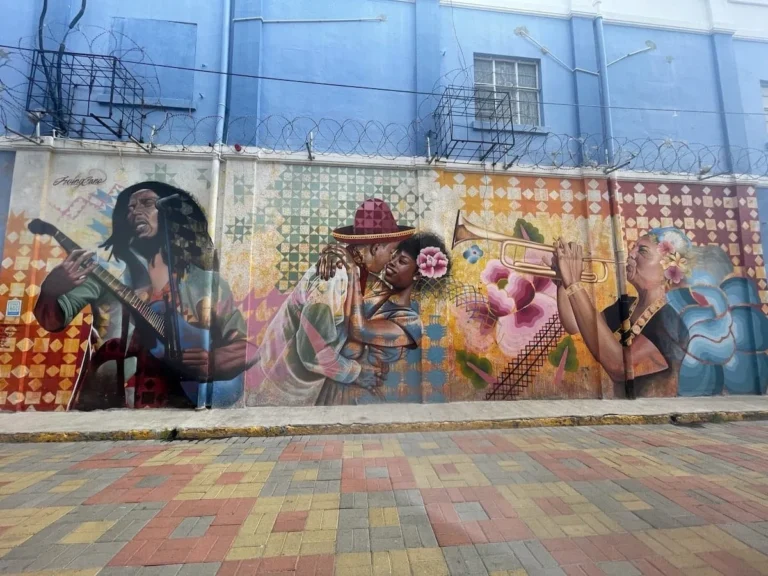
Drive east until the road skims a mile-long arc of wild surf and weather-worn bars splashed in every colour Bob Marley ever wore. Park, claim your patch of sand, and mind the rips—this beach can be fierce. Sunset means Red Stripe in hand while locals kick football on the tide-packed flats.
Best for: body-surfing, room to roam, reggae-soaked sunsets
Fairy Hill
Between Boston and Long Bay, goat tracks peel off the highway to tiny coves rarely shared with more than a few footprints. Go with a local who knows the tides, carry out your rubbish, and treat the place like a secret you promised to keep.
Best for: total solitude, shell hunting, mermaid fantasies
Blue Lagoon Look-Out – Colour That Hurts Your Eyes
Swimming access comes and goes as land disputes drag on, but the lookout alone is worth a stop. The water glows electric blue—no filter needed. Snap a photo, sigh at the colour, and hope the community wins full access soon.
Best for: quick wow-factor photo, dreaming about future dips
Practical Travel Tips for Portland


Traveling Jamaica?
Places to visit in the Caribbean
-
Visiting Kalinago Barana Auté
Voices of Dominica’s First People Dominica is often described through its landscapes first. Rainforest. Rivers. Waterfalls. Hot springs. Volcanic peaks. Roads that twist through the mountains before opening suddenly to the Atlantic. It is an island that feels physical from the moment you arrive — green, humid, steep, alive. And yet, if you only come…
-
Roseau, Dominica: What to See in the Island’s Colorful Capital
Roseau Beyond the Waterfront Roseau is small, colourful, busy and a little rough around the edges. It is not the kind of Caribbean capital that feels polished for visitors — except perhaps around the waterfront, where the city briefly becomes more arranged for cruise arrivals. Beyond that first layer, Roseau feels much more local. You…
-
How to play mas in Dominica
Costumes, Culture and Mas There is a moment when Carnival stops being something you watch and becomes something you feel in your body. For me, that moment came on the road with Hysteria Mas in Dominica. The music was already moving ahead of us, the streets of Roseau were filling with people, and suddenly I…
-
Bouyon Music in Dominica: The Soundtrack of Mas Domnik
The Soundtrack of Mas Domnik Bouyon does not politely stay in the background. It pushes forward. It repeats. It builds pressure. It gets into your body before you have fully understood what you are hearing. During Mas Domnik, Dominica’s Carnival, bouyon is everywhere: on the road, at parties, during J’ouvert, from trucks, passing cars, street…
-
Soufrière and Southern Dominica: A Guide to the Island’s Volcanic Coast
Where the Island Turns Volcanic After the intensity of Mas Domnik in Roseau, southern Dominica felt like a different island. The capital had been all music, movement and Carnival rhythm. Bouyon in the streets. Costumes on the road. People watching from balconies. The same corners appearing again and again as we circled Roseau during Carnival….
-
Beaches in Dominica
Dominica’s Beaches, Without the Caribbean Filter Dominica is not the island I would recommend if your idea of the Caribbean is a week of white sand, beach loungers and polished resort beaches. And that is not criticism. Dominica is the Nature Island of the Caribbean for a reason. Its strongest landscapes are rainforest, rivers, waterfalls,…