Soufrière and the South
Dominica
Where the Island Turns Volcanic
After the intensity of Mas Domnik in Roseau, southern Dominica felt like a different island.
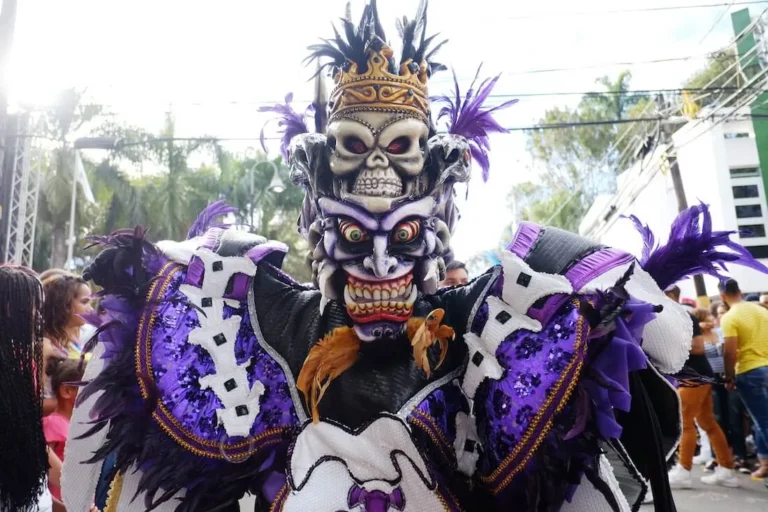
The capital had been all music, movement and Carnival rhythm. Bouyon in the streets. Costumes on the road. People watching from balconies. The same corners appearing again and again as we circled Roseau during Carnival. Then, a short drive south, the mood shifted.
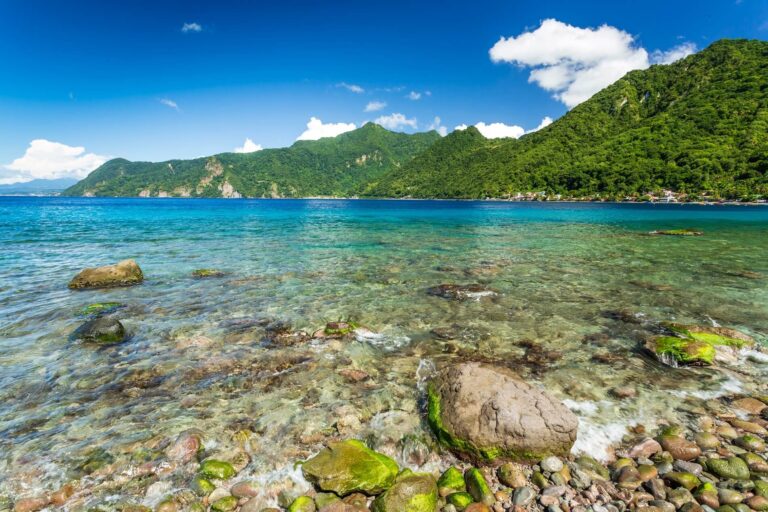
Around Soufrière and Scotts Head, Dominica becomes coastal in a way that feels very different from the glossy Caribbean image many travelers have in mind. This is not the island of endless white-sand beaches and polished resort strips. The south is more volcanic, more local, more dramatic. Green hills drop towards the sea, fishing boats sit close to the shore, and the coastline feels shaped by geology as much as by tourism.
That is exactly why it is worth visiting.
Southern Dominica gives the island balance. It is quieter than Carnival, softer than the rainforest interior, and more sea-focused than Roseau. If you come to Dominica for Mas Domnik, this is one of the best places to understand what the island becomes once the music fades: volcanic coastline, fishing villages, dive sites, cute little beaches, beach bars, and warm water that invites you to slow down.
Why Visit Southern Dominica?
You visit southern Dominica for a different kind of coastline.
This is not the part of the Caribbean where you arrive at a beach club, order a cocktail and spend the whole day looking at a perfect strip of sand. Soufrière and Scotts Head are more about warm water, volcanic scenery, coastal villages, sea views and a slower local rhythm.
That makes the south especially good after Carnival. If you have spent days in Roseau walking, dancing, watching parades and staying out late, you may not want a hard hike immediately. The south gives you something gentler without feeling empty: kayaking, snorkeling, diving, lunch by the sea, a beach bar stop, a short viewpoint walk, and enough landscape to remind you why Dominica is called the Nature Island.
It is also a good region if you want to see Dominica beyond the rainforest. The interior gives you waterfalls, hot springs and gorges. The south gives you the sea — but in a way that still feels very Dominican: volcanic, textured, unpolished and close to local life.

Best Places to Stay in Soufrière and Southern Dominica
Southern Dominica is where I would choose a stay that keeps you close to the landscape rather than away from it. The beauty here is in the closeness of everything: Soufrière Bay, Scotts Head, Champagne Reef, hot springs, dive boats, village roads and green volcanic hills all within reach.
Soufrière Village: Coastal Life Without the Resort Filter
Soufrière is not a polished tourist village, and that is part of its appeal.
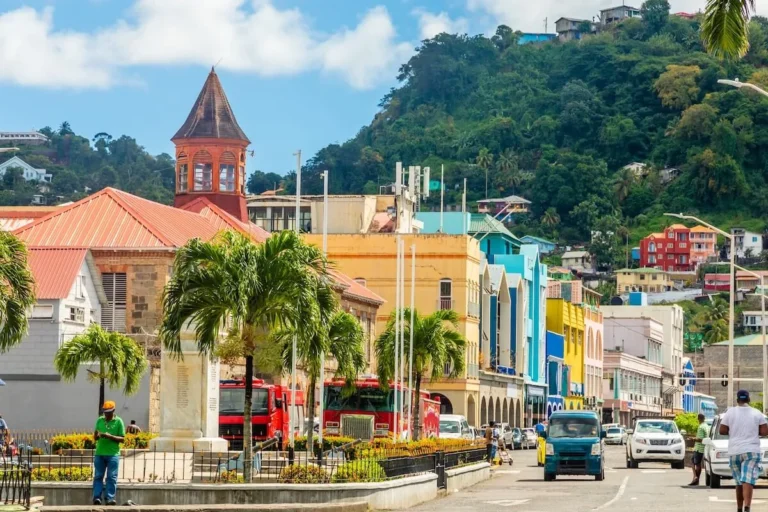
It feels lived-in. The sea is close, the hills rise behind it, and the village has the kind of everyday coastal rhythm that can be easy to miss if you only move between major attractions. You come here less for a list of sights and more for the setting: the bay, the boats, the water, the road curving along the coast, the sense that life is still shaped by the sea.
This is important for setting expectations. Soufrière is not a place designed to impress you immediately. It is not glossy. It is not overly arranged. But if you enjoy places that feel local rather than curated, it is worth slowing down for.
For travelers who come to Dominica during Mas Domnik, Soufrière also gives you a useful contrast. Roseau during Carnival is loud and public. Soufrière is much quieter. It lets you see how quickly Dominica changes once you leave the capital.
Things to do in Soufrière
Snorkeling and Kayaking in Soufrière
One of the best ways to experience the south coast is from the water.
Our itinerary included snorkeling and kayaking with Soufrière Outdoor Centre, and that makes a lot of sense for this part of Dominica. The coastline is scenic from the road, but it feels different once you are actually on the bay. You notice the shape of the hills, the sheltered water, the village from the sea, and the way the coastline folds around Scotts Head.
Kayaking is a good option if you want something active but not extreme. It gives you time to look around, move at a slower pace and feel the coastline rather than just photograph it. Snorkeling connects you more directly to the marine reserve and the underwater side of Dominica.
As always, conditions matter. Visibility, current and comfort in the water can change, so check locally before you go. Do not assume every day will be perfect for snorkeling or kayaking.
Practical tips: bring swimwear, a towel, dry clothes, water shoes or sandals that can get wet, and reef-safe sunscreen. A rash guard is also useful, especially if you burn easily. If you are snorkeling, do not stand on coral, do not touch marine life and follow local guidance. Even casual snorkeling happens inside a fragile marine environment.
Soufrière-Scotts Head Marine Reserve
The Soufrière-Scotts Head Marine Reserve is one of the main reasons this coastline matters.
It protects an area known for snorkeling, diving, freediving and marine life. For divers, the south coast is one of Dominica’s key underwater regions. For non-divers, snorkeling and kayaking still offer a way to experience the bay without needing a full dive trip.
What I like about this part of Dominica is that the sea does not feel separate from the landscape. The hills, village, bay and underwater world all sit close together. You do not get the feeling of a beach destination built around one perfect shoreline. You get a coastline that feels layered: geological, marine, local and historical.
If you are visiting the marine reserve, treat it with care. Use reef-safe sunscreen or cover up, avoid touching coral, do not chase marine life, and choose operators who take the environment seriously. Dominica’s nature is one of its greatest strengths, but it is also vulnerable.
Diving, Freediving and Marine Conservation
Soufrière is also one of the best places in Dominica to think beyond the surface of the water.
The area is home to Nature Island Dive, a dive operator based directly on the shore of the Soufrière-Scotts Head Marine Reserve. They offer scuba diving, dive training, snorkeling and freediving, which makes Soufrière a good base whether you are already certified or simply want to experience the marine reserve more gently.
What makes this especially interesting is the geography of the bay. Soufrière Bay is volcanic, and the underwater landscape drops away close to shore. That gives divers and freedivers access to dramatic underwater terrain without needing to travel far from land.
For scuba divers, the south coast is one of Dominica’s most interesting marine areas, with underwater formations that reflect the island’s volcanic character above the surface. Walls, slopes, reef areas and pinnacles make the region more than a simple swim stop. It is one of the places where Dominica continues underwater.
There is also a conservation story here. Nature Island Dive has been involved in coral protection work in the marine reserve, including coral rescue and nursery efforts. Their coral nursery by the south coast is a reminder that this coastline is not only beautiful, but also actively cared for and vulnerable.
That is worth knowing before you enter the water.
It changes the way you experience the south. This is not just a pretty place to snorkel, dive or kayak. It is a marine environment that people are trying to protect. If you dive, snorkel or freedive here, you are entering a living ecosystem.
The usual reef etiquette matters: use reef-safe sunscreen or cover up, do not stand on coral, do not touch marine life, follow your guide’s instructions, and choose operators who take conservation seriously.
Scotts Head: One of the Best Views in Dominica
If you only have time for one stop in the south, make it Scotts Head.
The village sits at the southern end of Soufrière Bay, and the peninsula gives you one of the most memorable views in Dominica. From above, you can see the curve of the bay, the village, the green hills and the coastline stretching around you.
It is a simple place, but visually very strong.
What makes Scotts Head special is how clearly it shows Dominica’s geography. You understand the relationship between village, sea, hills and volcanic coastline almost immediately. It is one of those viewpoints that helps you place the island in your mind.
It is also a good stop if you want photos without committing to a long hike. The walk up is short, but it can be hot, so bring water and wear shoes with decent grip. Go slowly, take your time at the top, and do not treat it only as a quick viewpoint. The setting has history too.
Cachacrou Peninsula and Fort Cachacrou
Scotts Head is not only scenic. It also has historical weight.
The peninsula is connected to Cachacrou, a name linked to the area’s Kalinago history, and later to colonial military use. The area was fortified by the British in the 1760s as Fort Cachacrou and played a role during the 1778 French invasion of Dominica.
That background matters because it stops the viewpoint from becoming just another pretty coastal photo. Like many places in the Caribbean, Scotts Head is layered: Indigenous history, colonial conflict, strategic geography, local village life and tourism all occupy the same landscape.
You do not need a long history lecture to appreciate the place, but it is worth knowing that the view you are looking at was once strategically important. The same geography that makes Scotts Head beautiful also made it valuable.
Small Beaches and Beach Bars in Southern Dominica
Southern Dominica is not the place to come for endless white sand and polished beach clubs. But that does not mean you should ignore the beaches.
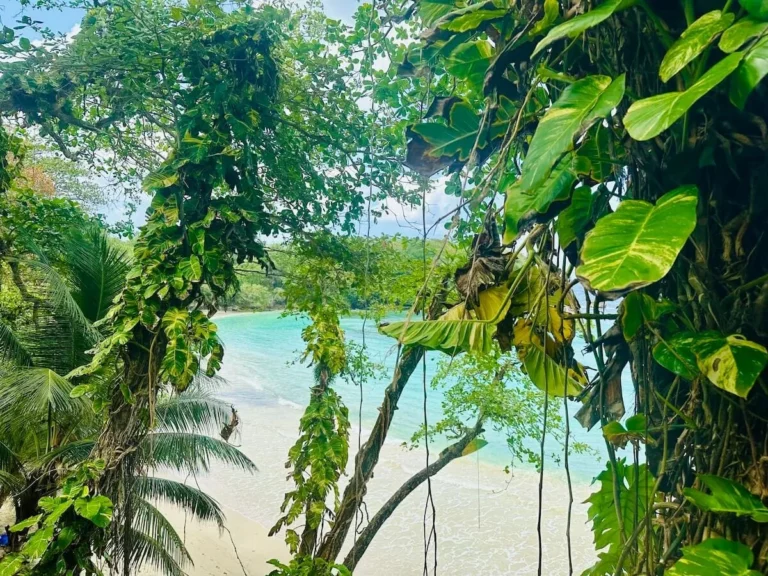
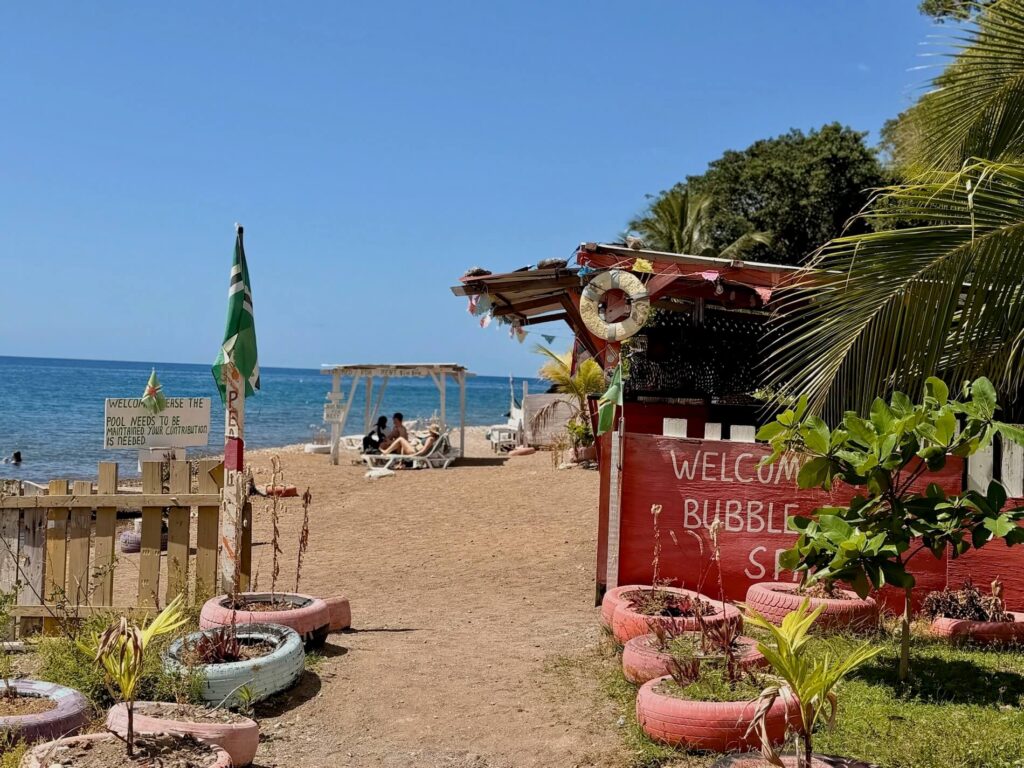
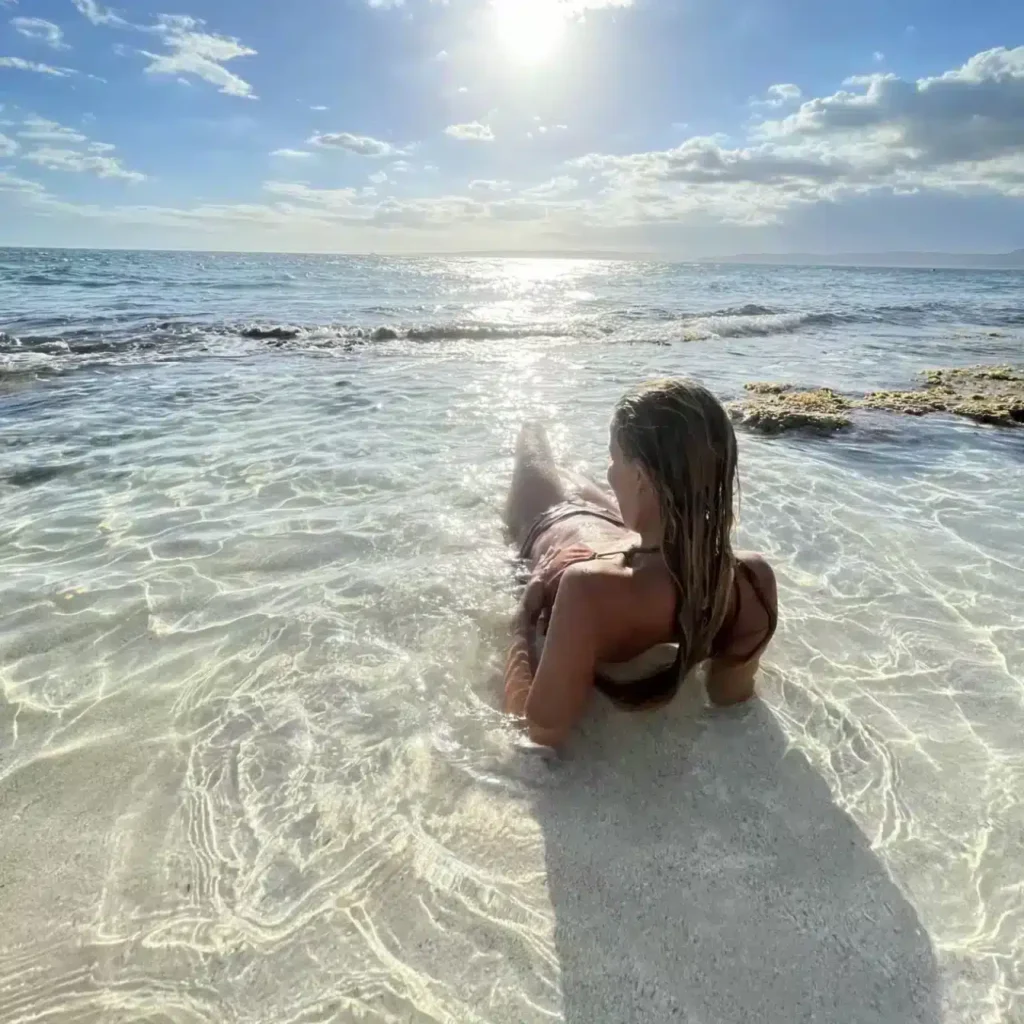
Around Soufrière and the south coast, the beach experience is smaller and more local. You find little bays, darker volcanic sand or pebbly shores, calm places to swim when conditions are right, and simple beach bars where the point is not luxury but atmosphere: a cold drink, local food, sea air, and the feeling of being close to everyday coastal life.
That is what I liked about the beaches in Dominica. They were not dramatic in the postcard sense, but they were cute, relaxed and easy to enjoy. They worked especially well as part of a day that already included kayaking, snorkeling, Scotts Head or a drive along the coast.
This is the right way to think about beaches in Dominica. Do not plan your whole trip around lying on sand for a week. Plan your beach time as a pause between bigger experiences — a swim after a morning on the water, lunch by the sea, a drink at a beach bar, or a quiet hour before heading back to Roseau.
For me, that made the coast more appealing, not less. The beaches felt connected to the island rather than separate from it.
Practical Travel Tips for Southern Dominica
Things to do in Dominica
Waterfalls, rainforest, hot springs and volcanic coastlines — Dominica is wild by nature.
-
Visiting Kalinago Barana Auté
Voices of Dominica’s First People Dominica is often described through its landscapes first. Rainforest. Rivers. Waterfalls. Hot springs. Volcanic peaks. Roads that twist through the mountains before opening suddenly to the Atlantic. It is an island that feels physical from the moment you arrive — green, humid, steep, alive. And yet, if you only come…
-
Roseau, Dominica: What to See in the Island’s Colorful Capital
Roseau Beyond the Waterfront Roseau is small, colourful, busy and a little rough around the edges. It is not the kind of Caribbean capital that feels polished for visitors — except perhaps around the waterfront, where the city briefly becomes more arranged for cruise arrivals. Beyond that first layer, Roseau feels much more local. You…
-
How to play mas in Dominica
Costumes, Culture and Mas There is a moment when Carnival stops being something you watch and becomes something you feel in your body. For me, that moment came on the road with Hysteria Mas in Dominica. The music was already moving ahead of us, the streets of Roseau were filling with people, and suddenly I…
-
Bouyon Music in Dominica: The Soundtrack of Mas Domnik
The Soundtrack of Mas Domnik Bouyon does not politely stay in the background. It pushes forward. It repeats. It builds pressure. It gets into your body before you have fully understood what you are hearing. During Mas Domnik, Dominica’s Carnival, bouyon is everywhere: on the road, at parties, during J’ouvert, from trucks, passing cars, street…
-
Beaches in Dominica
Dominica’s Beaches, Without the Caribbean Filter Dominica is not the island I would recommend if your idea of the Caribbean is a week of white sand, beach loungers and polished resort beaches. And that is not criticism. Dominica is the Nature Island of the Caribbean for a reason. Its strongest landscapes are rainforest, rivers, waterfalls,…
-
Dominica Beyond Carnival: Best Things to Do Before or After Mas Domnik
Waterfalls, Rainforest and Culture Beyond Mas Domnik You may come to Dominica for Mas Domnik, but you should not leave having only seen Carnival. That was one of the biggest lessons of my trip. Mas Domnik gives you Dominica at full volume: bouyon on the road, J’ouvert in the early hours, T-shirt bands, pretty mas,…