Bequia
Saint Vincent and the Grenadines
Unplug and Unwind on Tiny, Timeless Bequia
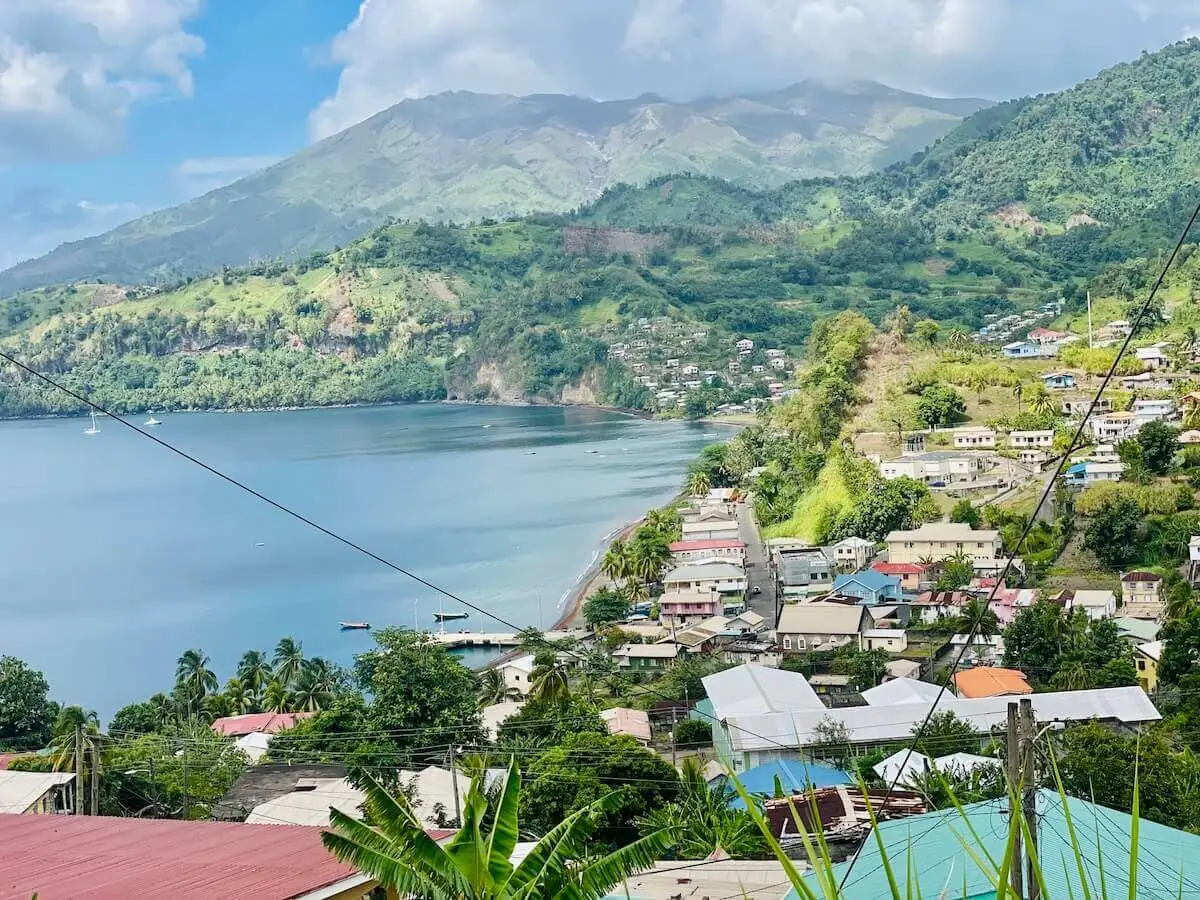
Bequia, the second-largest island in St. Vincent & the Grenadines, greeted me with an effortless calm the instant I stepped off the ferry. Where neighboring St. Vincent buzzes, Bequia simply breathes: pastel cottages tumble down palm-dotted slopes, wooden skiffs sway in glass-clear bays, and the island”s heartbeat rises and falls with the tide.
You won’t find high-rise resorts or neon strip malls here. Instead, barefoot guesthouses, family kitchens plating whatever the fishermen hauled in at dawn, and mile upon mile of untouched shoreline invite slow, serendipitous wandering.
That easygoing spirit is anchored in a deep maritime heritage. Nearly every household is tied—by rope or by blood—to fishing, boat-building, or blue-water voyaging. At first light, color-splashed skiffs glide back into Port Elizabeth, holds shimmering with mahi-mahi and snapper. Children chalk cricket wickets into sandy alleyways, and on Sundays hymns drift from hillside chapels, carried seaward on the trade-wind breeze.
Locals are exceptionally friendly, often greeting newcomers with warm hellos and invitations to join impromptu beach barbecues. English is the official language, but you’ll also hear Bequia Creole peppered with phrases like “Wha”kip” (What”s up?) or “Ire” (Are you okay?), which instantly dissolve any sense of “outsider” and make you feel part of the community.
A few cultural touchstones to keep in mind:
Seafaring Heritage: Boatbuilding yards dot the eastern shore, and you may spot craftsmen shaping canoes and sloops from mahogany. The annual Bequia Easter Regatta (see “Festivals & Special Events” below) celebrates that heritage in full color.
Hospitality: In Bequia, doors often remain unlocked, and it’s common to be offered a cold drink or a snack if you strike up a conversation with a local. Politeness matters—always begin with a friendly “Good morning!” or “Good afternoon!”“

Best places to stay in Bequia
Bequia is the kind of island where I would choose a stay for its atmosphere, not just its star rating. It is small, slow, and still feels deeply tied to the sea — fishing boats, sailboats, small beaches, waterfront restaurants, and that Grenadines feeling of being somewhere a little harder to reach.
For a first stay, I would look around Friendship Bay, Princess Margaret Beach, Lower Bay, Port Elizabeth, or the hills above the coast. The best base depends on whether you want beach access, views, quiet, or easy walks to restaurants.
The Liming is the more exclusive, villa-style option on the island. It is intimate, quiet, and built around the idea of slowing right down, with private villas, sea views, and a more secluded feeling. Hilton describes the property as an intimate resort with eleven private villas, sea views, and personal infinity pools.
I would choose The Liming for a special trip where privacy matters more than being close to town. It is not the most local-feeling stay, but it does suit Bequia’s slower, barefoot-luxury side.
Best for: honeymoons, special occasions, privacy, and travelers looking for quiet luxury.
Tropical Hideaway is a beautiful option if you want views, privacy, and a more independent stay. It is a small boutique-style property with just a handful of villas, suites, and studios set in tropical gardens, designed for couples and small groups.
I would choose Tropical Hideaway if I wanted Bequia to feel peaceful and personal — somewhere to wake up slowly, look out over the island, and feel removed from the busier waterfront without being disconnected from it.
Best for: couples, longer stays, small groups, and travelers who want privacy and sea views.
Firefly Estate Hotel is a strong fit if you want something with more heritage and countryside character. It is a small boutique hotel set on a historic estate, which gives you a different side of Bequia beyond the beaches and harbor.
I would consider Firefly if I wanted a quieter stay with charm, greenery, and a little more space around me. It feels especially suited to travelers who like small hotels with a sense of place.
Best for: slow travelers, couples, nature lovers, and anyone who prefers historic character over beachfront convenience.
Key Areas & Villages
Port Elizabeth (Lower Bay)
The island”s unofficial capital and main harbor, Port Elizabeth is where ferries from St. Vincent dock each day. Colorful wooden shops, small cafés, and open-air rum shops line the waterfront. Here you”ll find the post office, the island”s only bank, and a handful of art galleries showcasing local painters and sculptors. Lower Bay, just below the main jetty, boasts a long stretch of calm water perfect for swimming and snorkeling.
Friendship Bay
A short 10-minute walk north of Port Elizabeth, Friendship Bay offers a quintessential postcard beach: sugar-white sand, gentle waves, and swaying coconut palms. A handful of beachfront bars and cafés dot the shoreline, making it an ideal spot to sip a cold Sorrel Punch (hibiscus drink blended with spices) while watching local fishermen pull in their daily catch.
Princess Margaret Beach & Lagoon
Tucked around the northern tip of Bequia, this horseshoe-shaped enclave is renowned for its dramatic turquoise lagoon, ringed by volcanic rock. Calm, shallow waters make it perfect for snorkeling—keep an eye out for angelfish, parrotfish, and the occasional nurse shark. There”s a small café on the east side serving fresh seafood platters, and you”ll often find a handful of kiteboarders carving across the lagoon when winds pick up in winter.
Paget Farm (Upper Bay/Dasheen Key Area)
Ascend the hill behind Lower Bay to reach Paget Farm—an area of gently rolling hills, small farms, and panoramic views over the Grenadines. Dasheen Key, just offshore, is where pelicans roost at sunrise. Pack a picnic and settle on a grassy knoll above Upper Bay to savor one of Bequia”s finest viewpoints.
La Pompe & Belmont
On Bequia”s southern side, La Pompe”s shoreline is dotted with fishing businesses, small poultry farms, and the island”s old airport runway (now unused). Nearby Belmont Estate (a short taxi ride inland) offers guided nature tours, honey-making experiences, and the chance to sample Belmont rum (see “Cultural Experiences” below).
Port Elizabeth & the Waterfront
Historic Juggler”s Wall & Plaza
Once the site where fish were gut and processed for export, this granite wall now hosts a small plaza where locals gather to trade gossip, sell fishing gear, or repair nets. Early morning, watch fishermen haul in their catch—snapper, wahoo, and flying fish are staples.
Insider Tip: Around 6 a.m., vendors set up makeshift tables selling “fish cakes” and “saltfish buljol” (shredded saltfish salad). Grab one with a hot goat pepper sauce for an authentic Bequia breakfast.
Practical Tips
Getting There
On Foot: A steep 20–30 minute walk from central Bay Street. The path is partially paved but can be slippery after rain.
By Taxi: Expect to pay around XCD $12–$15 (US$4.50–$5.60) one way.
Hours & Admission
Open daily from 8 a.m. to 4 p.m.
Admission: XCD $10 (US$3.70) for adults; XCD $5 for children under 12.
What to Bring
→ Water (at least 1 L per person), sunscreen, hat, and comfortable walking shoes.
→ A lightweight jacket or shawl can be handy for early-morning visits, as the hilltop breeze can be cool.
Bequia Heritage Museum
Housed in a restored 19th-century wooden building near the waterfront, the museum chronicles Bequia’s maritime past, local pottery traditions, and whale hunting heritage.
Bequia and whaling
Bequia’s whaling tradition began in 1875 when William “Old Bill” Wallace brought three Yankee whaleboats to the island and taught locals shore-based hunting—skills that helped communities survive after plantation projects collapsed. Over generations, families learned to read the sea, track humpback whales, and conduct hunts with respect for the animals. In 1987, the International Whaling Commission granted Bequia a subsistence quota of three whales per year, later raised to four in 2002. Hunts run January through April: lookouts on Bequia and Mustique spot migrating pods, and at dawn, crews launch in double-ended whaleboats, using hand-thrown harpoons. Before setting out, hunters sing the “whale song” and offer blessings; after a successful catch, villagers share prayers and a feast, ensuring nothing goes to waste. This age-old practice remains a careful balance between cultural survival and modern conservation.
What to See:
- Models of traditional sloops and schooners.
- Exhibits on the island”s boatbuilding techniques.
- Photo archives documenting the Bequia Easter Regatta back to the 1950s.
Practical Tips:
Open Tuesday–Saturday, 9 a.m.–3 p.m. Suggested donation: XCD $10 (≈US $3.70).
You can visit even outside of the opening hours, here is a beautful terrace with a stunning view and some exhibits which are always available.
Nature & Adventure Activities
Mount Peggy Hike
Overview: At 388 feet (≈118 m), Mount Peggy is Bequia”s highest point, offering sweeping views of the Grenadines—Mustique, Canouan, Union Island, and St. Lucia on an exceptionally clear day.
Trailhead: Park at the junction of the main coastal road and the dirt track leading uphill behind Belmont Estate. A well-worn footpath zigzags up through dense mahogany and guava before emerging at a small ridge.
Difficulty: Moderate—expect about 45 minutes to 1 hour to summit and 30 minutes to descend. The trail can be slippery after rain, so waterproof hiking shoes are recommended.
What to Bring: At least 1 L of water, a small snack, sunscreen, and insect repellent. No facilities on the trail—plan accordingly.
Best Time: Early morning (6 a.m.–8 a.m.) to avoid midday heat. You”ll often see hummingbirds and bananaquits flitting between bromeliads lining the trail.
Water activities
Boat Tours & Snorkeling Trips
Grenadine Explorer Cruises
Full-day charters departing from Port Elizabeth. Visit remote snorkeling spots around Little Tobago and Mustique, enjoy a beach picnic on Tobago Cays, and sip rum punch while anchored in secluded coves.
Cost: ≈US $120–$150 per person (includes lunch, snorkeling gear, and sodas).
Insider Tip: Bring biodegradable sunscreen, reef-safe insect repellent, and a reusable water bottle. Operators strictly enforce eco-friendly policies to protect coral reefs.
Local Fishing Excursions
Half-day or full-day trips with experienced Bequia fishermen. Learn traditional baiting and trolling techniques, and—if luck is on your side—bring home fresh yellowfin tuna or wahoo for an island barbecue.
Cost: ≈XCD $300 (≈US $110) for a half day (up to five passengers); fish and ice provided.
Pro Tip: If you catch more than you can eat, ask the fisherfolk to fillet it and vacuum-seal portions for your return home.
Stand-Up Paddleboard Yoga (SUP Yoga)
A new offering in Friendship Bay, local instructors guide sunrise paddleboard yoga sessions (≈XCD $60/US $22 for a 90-minute class). Expect gentle stretches on the lagoon, with flamingo-pink sunrises reflecting off glassy water.
Booking: Reserve via WhatsApp at least two days in advance; limited to small groups of 4–6 participants.
Scuba Diving & Marine Life
Bequia Dive Center
The island”s only PADI Certified Dive Resort, located just east of Port Elizabeth. They run daily dives (≈US $100 for two tanks) to sites like 71 Dive Site (a collapsed sea cave), Tobago Cays wall, and Little Carriacou Bank.
What to See:
- Coral Reefs: Hard and soft coral gardens teeming with barracudas, turtles, and reef sharks.
- Pelagic Life: On certain drift dives (January–April), you may encounter humpback whales breaching in the distance.
Courses: Open Water certifications (≈US $450 for 4 days, including materials and rentals).
Insider Tip: Book your dives at least one day in advance to reserve gear, especially if you require specific sizes.
Join the party: Festivals & Special Events
Bequia Easter Regatta (Late March/Early April)
This is arguably the highlight of Bequia”s social calendar. For five days, wooden sloops and yachts from across the Eastern Caribbean converge for a series of day and night races. Expect late-night beach parties at Princess Margaret Beach, fireworks displays, and a palpable buzz throughout Port Elizabeth as visitors and locals alike line the waterfront to cheer on their favorite captains.
Pro Tips:
- Book lodging at least 4 months in advance if you plan to be here for Regatta week.
- Join the shore excursions on “Race Day”—local fishermen often offer impromptu snorkeling stops en route back to the marina.
- Sample local “fish cakes” (fried fritters made of saltfish and spices) sold from plywood stalls along the parade route.
Bequia Music Fest (Early February)
A newer event on the island, this 3-day festival brings reggae, soca, and calypso artists to the Belmont Estate grounds. Expect artisan food stalls, craft beer tastings, and a laid-back crowd of locals and visitors dancing under swaying palms.
Pro Tips:
- Purchase tickets online or via the festival”s official Facebook page at least 6 weeks ahead—camping options around Belmont are limited.
- Arrive early to take the rum distillery tour at Belmont Estate before the main stage opens.
Belmont Honey Festival (May)
Celebrating Bequia”s burgeoning eco-tourism scene, the Honey Festival features live demonstrations of sustainable beekeeping, honey tastings, and farm-to-table meals highlighting local produce and honey-infused recipes. Held at Belmont Estate”s apiary, this is a quieter affair than Regatta but offers wonderful insights into island conservation efforts.
Shop at Local Artisans & Craft Shops
Bequia Craft Market (Port Elizabeth)
Location: Behind the waterfront plaza, next to the small Anglican church.
Handwoven straw bags, wood-carved figurines, Delta-wood guitars, and colorful batiks. Many artisans are second- or third-generation craftspeople—purchasing directly ensures your dollars stay in the community.
Insider Tip: Saturday mornings from 8 a.m. to noon are best— artisans have fresh stock, and live calypso music often accompanies the market atmosphere.
Mae’s Love Jewellery & Souvenirs
A tiny shop on Lower Bay specializing in beaded jewelry made from local Conch shells, Mahogany seed pods, and Tagua nuts (vegetable ivory). Mae herself often sits at a small wooden table, stringing bracelets while chatting with visitors.
Why Go: See how each piece is crafted, and negotiate a custom necklace or anklet in just 10–15 minutes—no two items are ever exactly alike.
Practical Travel Tips for Saint Vincent and the Grenadines

Traveling St. Vincent?
Places to visit in the Caribbean
-
Visiting Kalinago Barana Auté
Voices of Dominica’s First People Dominica is often described through its landscapes first. Rainforest. Rivers. Waterfalls. Hot springs. Volcanic peaks. Roads that twist through the mountains before opening suddenly to the Atlantic. It is an island that feels physical from the moment you arrive — green, humid, steep, alive. And yet, if you only come…
-
Roseau, Dominica: What to See in the Island’s Colorful Capital
Roseau Beyond the Waterfront Roseau is small, colourful, busy and a little rough around the edges. It is not the kind of Caribbean capital that feels polished for visitors — except perhaps around the waterfront, where the city briefly becomes more arranged for cruise arrivals. Beyond that first layer, Roseau feels much more local. You…
-
How to play mas in Dominica
Costumes, Culture and Mas There is a moment when Carnival stops being something you watch and becomes something you feel in your body. For me, that moment came on the road with Hysteria Mas in Dominica. The music was already moving ahead of us, the streets of Roseau were filling with people, and suddenly I…
-
Bouyon Music in Dominica: The Soundtrack of Mas Domnik
The Soundtrack of Mas Domnik Bouyon does not politely stay in the background. It pushes forward. It repeats. It builds pressure. It gets into your body before you have fully understood what you are hearing. During Mas Domnik, Dominica’s Carnival, bouyon is everywhere: on the road, at parties, during J’ouvert, from trucks, passing cars, street…
-
Soufrière and Southern Dominica: A Guide to the Island’s Volcanic Coast
Where the Island Turns Volcanic After the intensity of Mas Domnik in Roseau, southern Dominica felt like a different island. The capital had been all music, movement and Carnival rhythm. Bouyon in the streets. Costumes on the road. People watching from balconies. The same corners appearing again and again as we circled Roseau during Carnival….
-
Beaches in Dominica
Dominica’s Beaches, Without the Caribbean Filter Dominica is not the island I would recommend if your idea of the Caribbean is a week of white sand, beach loungers and polished resort beaches. And that is not criticism. Dominica is the Nature Island of the Caribbean for a reason. Its strongest landscapes are rainforest, rivers, waterfalls,…