Tarangire National Park
TANZANIA
Tanzania’s Quiet Elephant Kingdom
Tarangire was the very first national park I ever set foot in Tanzania—and I only had one day. I still remember the dusty hush, the surreal baobab silhouettes, and an elephant herd so large the ground seemed to move. That single day trip from Arusha ignited a lifelong love of African safaris. If you”re deciding where to start your own Tanzania adventure, Tarangire National Park is a crowd‑free, wildlife‑rich choice that”s easy to reach yet feels wonderfully remote.

Best places to stay in Tarangire National Park
Tarangire is one of those parks where the lodge can change the whole feeling of the safari. Stay well, and the landscape stays with you even after the game drive ends: elephants moving below a ridge, baobabs in the evening light, the Tarangire River cutting through the dry country. I would look for places that keep you close to the park’s atmosphere rather than simply offering a comfortable bed between drives.
Baobab Tented Camp feels like the most natural choice if you want the classic Tarangire mood: canvas, open plains, wildlife movement and the presence of baobabs. The camp has just ten en-suite tented rooms facing the plains and sits in a wildlife corridor between Tarangire National Park and Lake Burunge, which gives it a strong sense of place beyond the usual lodge comfort. I would choose it for travelers who want to stay close to the landscape rather than feel removed from it.
Naramatisho is the most meaningful cultural stay to include here. It is a Maasai women-led social enterprise near Makuyuni, created to support pastoralist girls and women through community-led tourism, education and income opportunities. The accommodation is simple but thoughtful, with eco-friendly guest huts inspired by traditional Maasai bomas, local meals and cultural experiences led by the women themselves. I would recommend it for readers who want to understand the Tarangire area beyond game drives — and who are willing to approach culture with time, humility and respect.
Maasai Eco Boma & Lodge is another strong choice if you want your stay near Tarangire to include Maasai cultural context. The lodge describes itself as a purpose-built Maasai boma operated by Maasai people in Makuyuni, with traditional-style huts, meals, bonfire evenings and cultural activities. I would see it as a good option for travelers who want a more immersive stay before or after safari, as long as they come with the right mindset: not to “consume” culture, but to listen, learn and support a community-led experience.
Quick Park Snapshot
Location: 120 km (≈ 2 hours) southwest of Arusha, Northern Tanzania
Size: 2,850 km²—just bigger than Luxembourg
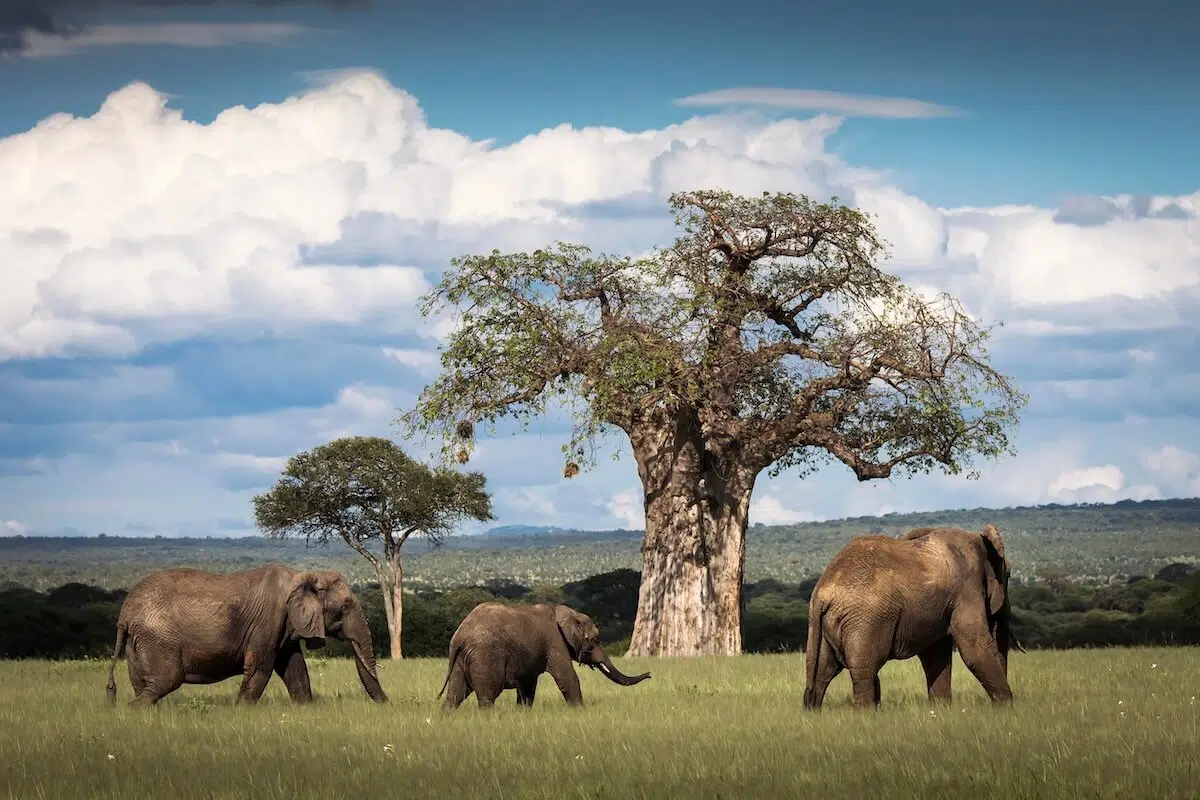
Claim to fame: Highest density of elephants per square kilometre in Northern Tanzania
Ecosystem: River‑fed woodlands, open savannah, seasonal swamps, colossal baobab forests
Best Time to Visit Tarangire National Park
June – October (Dry Season): Wildlife crowds the Tarangire River, making this prime time for elephant mega‑herds and easy game viewing. Expect clear skies and cool mornings.
November – December (Short Rains): The bush turns lime‑green and migratory birds arrive. Lodges often run shoulder‑season deals, and you”ll share the park with far fewer vehicles.
March – May (Long Rains): Storm clouds make dramatic photos, but some tracks become impassable. If you”re an avid birder and don”t mind mud, you”ll love it.
Wildlife Highlights: Beyond the Elephant Herds
Tarangire’s famous elephant caravans — sometimes 300 strong — are only the opening act. Spend a full day in the park and you’ll notice how the cast of characters changes hour by hour.
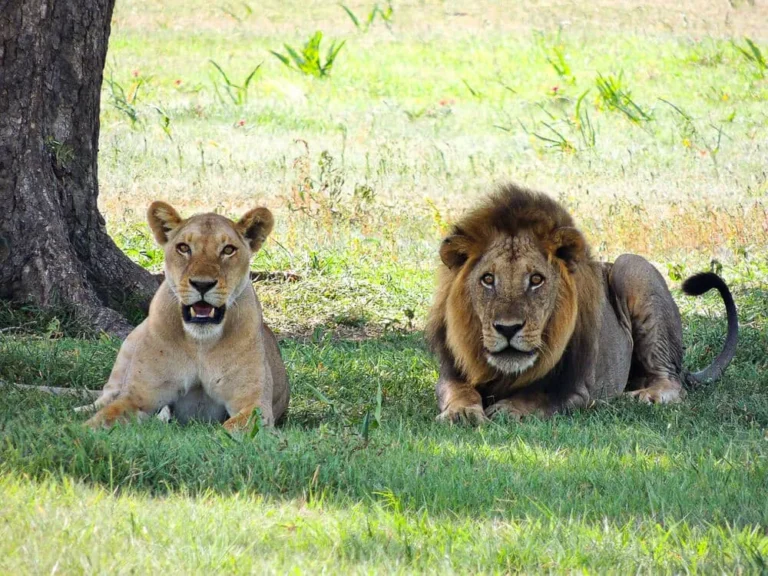
Predators on Patrol. Dawn is lion time. I’ve watched entire prides drape themselves over the limbs of umbrella thorn acacias, scanning the plains for zebra and warthog. Leopards favour the thicker riverine forest; look for a dangling tail over the fork of a sausage‑tree branch in the heat of the afternoon. Cheetahs are rarer but not impossible on the open southern plains, while packs of stealthy wild dogs occasionally ghost through the eastern corridor.
Riverside Parades of Plains Game. When the dry season bites, the Tarangire River turns into a life‑support machine. Zebra and wildebeest file down dusty banks alongside waterbuck and impala, always alert for the crocodiles that lurk just below the surface. Keep an eye out for the park’s less common antelopes too — fringe‑eared oryx, graceful gerenuk, and the handsome lesser kudu.
Towering Gentle Giants. Masai giraffes wander the savannah in loose groups, browsing right beside elephants as if sharing the buffet. Watching a giraffe splay its legs to drink at a waterhole is one of those awkward‑elegant safari moments that never gets old.
A Birding Wonderland. With more than 560 recorded species, Tarangire rivals many dedicated bird sanctuaries. My notebook fills quickly with sightings: lilac‑breasted rollers flashing rainbow wings, yellow‑collared lovebirds squabbling in baobab hollows, mighty martial eagles circling on thermals, and flocks of vulturine guinea fowl that look like they”re dressed for a disco. If you only have one stop, make it Silale Swamp in the late afternoon when the air hums with weavers, storks, and spoonbills.
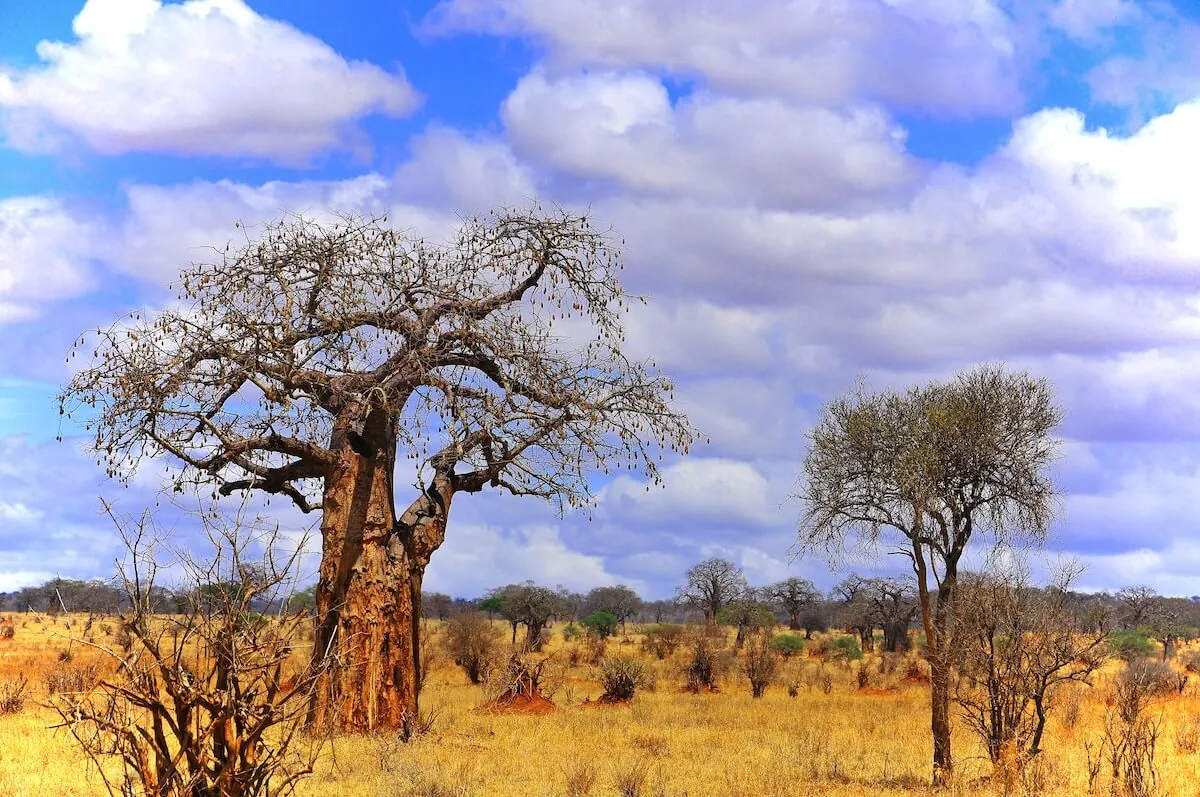
The Living Landscape. And then there are the ancient baobabs — some over a millennium old — that host everything from roosting owls to beehives. Termite mounds rise like miniature skyscrapers, often commandeered by dwarf mongooses that peer out like curious tenants.
Put simply, Tarangire is less about ticking off the Big Five and more about immersing yourself in a fluid, ever‑changing ecosystem where every rustle of grass hints at a new discovery.
The Lifeline: Tarangire River
The Tarangire River begins in the Kondoa Highlands and flows through the entire national park before fading into the dry Maasai Steppe. Its name comes from the Mbugwe phrase tarangire, which means “river of the warthog.” This river has always been vital to life here. For both animals and local communities, it’s more than just a water source—it’s a lifeline.
A Magnet for Wildlife
During the dry season, especially from July onward, the land becomes dusty and dry. But the Tarangire River keeps flowing, even if only a little. That small flow attracts animals from all directions. On one morning game drive, I saw around 200 elephants, including a tiny newborn still learning to walk. There were also zebra, impala, and a massive Nile crocodile sunning itself on the sand. Predators like leopards often hide in sausage trees along the banks, waiting patiently for a chance to hunt.
Photography tip: The best lighting is early in the morning before 10 a.m. near the public picnic site. Later in the day, try shooting west from the Tarangire River Bridge to catch the warm glow of the setting sun.
More Than a Water Source
Before this land was protected as a national park, Maasai and Mbugwe herders moved their cattle along the river, following the seasonal flow. Even today, community walking safaris take you along the same trails these herders once used. Local stories say the river is protected by spirits, and showing disrespect—like wasting water or polluting it—can bring bad luck or drought. Respecting park rules like staying on the track and not disturbing wildlife isn”t just for safety. It”s a way to honor the people who”ve lived with this land for generations.
Soundtrack of the season: Listen closely in the dry months and you’ll hear elephants “sand-blasting.” They use their trunks to dig down into the riverbed to reach clean water. The sound is soft and rhythmic—both soothing and a powerful reminder of how smart and adaptable these animals are.
Please remember: the riverbanks are delicate. Walking or driving too close can cause erosion. Stick to marked roads and tracks. By doing so, you help protect this special place for the animals—and the people—who rely on it.
Sample Itineraries
One‑Day Tarangire Safari (My First‑Timer’s Route)
05:30 – Depart Arusha with packed breakfast.
08:00 – Enter Tarangire Gate; scan acacia woodlands for dik‑diks.
11:00 – Explore Silale Swamp; expect hundreds of elephants in the dry season.
13:00 – Picnic under a baobab.
15:30 – Slow game drive back toward the main gate, stopping for sundowners at the viewpoint.
18:00 – Depart for Arusha.
Two‑Day “Dust & Stars” Loop
Day 1 mirrors the one‑day plan; overnight at Kuro Treetops. Day 2 starts with a sunrise drive, then heads north toward Lake Manyara or Karatu.
Four‑Day Slow‑Travel Escape
Add a night drive, cycling tour in the eastern corridor, a Maasai boma visit, and a leisurely morning by the lodge pool where elephants wander past.
Where to stay near Tarangire
Choosing where to stay can shape your entire Tarangire experience—not just for you, but for the environment and local communities too. Thankfully, there are several excellent options near the park that blend comfort with a clear sustainability focus.
Responsible Stays Near Tarangire
Baobab Tented Camp, just 20 minutes from the main entrance, offers excellent value and a light footprint. Their use of solar lanterns, eco-bathrooms, and emphasis on local sourcing makes them a reliable budget-conscious choice.
Sangaiwe Tented Lodge is one of my top picks. Located right next to the Sangaiwe Gate, it’s built on land leased from the local community and employs many staff from nearby villages. The lodge uses solar power, avoids single-use plastics, and supports local conservation.
Tarangire Simba Lodge sits on the edge of the park’s northern corridor and boasts a waterhole that regularly draws wildlife. Their operations focus on renewable energy, community partnerships, and limiting waste.
Elephant Lodge: Tucked among umbrella-thorn trees a stone’s throw from Tarangire’s Sangaiwe Gate, Elephant Lodge is the kind of place where the wildlife comes to you. A resident water-hole draws elephant herds most evenings—guests regularly watch them from the deck or even their private verandas. The lodge is newly built, eco-conscious, and deliberately intimate: just a handful of spacious chalets with canvas walls, outdoor showers, and huge picture windows framing the savanna.
Unique Experiences Beyond Game Drives
Game drives steal the spotlight, but Tarangire has plenty more to offer—most of it low‑impact and deeply memorable.
- Dawn bird‑ringing (wet season): Join researchers to catch, tag, and release tiny migrants. You”ll handle birds safely and learn how data helps protect them. Book 48 hours ahead.
- Stars & silhouettes: Guided night shoots let you frame ancient baobabs beneath the Milky Way. Even without a tripod, the stargazing alone is magic.
- Pedal safari: Cycle the eastern buffer zone with a ranger. The pace is gentle, and seeing giraffes at eye level beats any zoom lens.
- People & baobabs: Combine a short village visit—bead‑making, herbal lore—with a golden‑hour walk through the baobab groves. Legends, hornbills, and soft sunset light roll into one.
Community-Based Experiences
Maasai-guided nature walks offer an eye-opening look at how traditional knowledge aligns with modern conservation.
Bead-making workshops in nearby Mwika or Minjingu villages directly support women”s cooperatives and keep traditional crafts alive.
What It Costs & How Much to Tip
Prices change with season, lodge style, and group size, but these ballpark figures will help you plan.
Mid-Range Snapshot (3 Days, Per Person)
• Park fees: $150–$177 (three days at $50–$59 for non-residents)
• Lodge, full board: $480–$600 (two nights at $240–$300)
• Shared 4×4 transfers from Arusha: $80–$100
• Extra activities & village visit: $60–$80
• Carbon offset: ≈ $10
Estimated total: $780–$970
Budget Route
Camp at public sites (about $35 per person, per night), self-cater or choose half-board, and share a vehicle with other travellers. Done right, a three-day visit can come in at roughly $450–$550.
Luxury Splurge
Top-tier treetop suites or private concessions start around $700–$900 per person, per night, with private vehicles from $350 per day.
Tipping Guide (USD)
• Driver-guide on a private safari: $10–15 per guest, per day
• Shared ranger or spotter: about $5 per guest, per activity
• Lodge and camp staff (tip box): $5–10 per guest, per night
• Porters: $1 per bag
• Community guide or Maasai walk: $5–10 per guest
Bring a stash of small U.S. dollar bills or Tanzanian shillings. Hand your driver-guide’s tip over in an envelope, or use the lodge’s communal tip box so back-of-house staff share the gratitude. Tipping is always appreciated but never compulsory—raise the amount for exceptional service, and lower it only if standards truly miss the mark.
Practical Travel Tips for a safari

Traveling Africa?
Places to visit in Tanzania
-
Diving in Zanzibar
What to Expect Beneath the Indian Ocean Zanzibar is usually described from above the water: pale beaches, dhows, spice farms, Stone Town rooftops and that bright Indian Ocean blue. Diving changes that perspective. Below the surface, the island becomes quieter, more technical and more fragile — coral gardens, reef fish, shifting visibility, currents, and the…
-
Two weeks Tanzania itinerary
A Complete Safari & Beach Itinerary Tanzania was my first African destination — and the one I keep returning to. It”s a country that lingers in your mind: the golden sweep of the Serengeti, the salty air of the Indian Ocean, the earthy scent after a burst of rain. If you have just two weeks,…
-
Zanzibar | Discover the most beautiful beaches
Where Zanzibar Meets the Tide We loved mainland Tanzania, and the experiences surpassed our imagination. After our eventful time on the mainland, we were yearning for some lazy days in the sun. Zanzibar not only affords its visitors some of the best beaches in the Indian Ocean, but it’s also within comfortable and cheap reach…
-
Safari | A once in a lifetime wildlife experience
How to Choose the Right Parks Tanzania’s Northern Circuit is the safari route most travelers imagine before they ever set foot in East Africa: the Serengeti, Ngorongoro Crater, Tarangire, Lake Manyara, and the landscapes around Arusha. It is the country’s most famous safari circuit for a reason. The wildlife is extraordinary, the distances are manageable…
-
Arusha | City life & safari adventures
Tanzania’s safari capital Arusha, Tanzania, is a city in the middle of two worlds. On the one hand, you have the traditional cultures and lifestyles of the locals. On the other hand, you have the modern influences of globalization and tourism. This creates an exciting mix of people and cultures that make Arusha unique. Arusha…
-
Dar es Salaam | Karibu to a vibrant Tanzanian city
An African megacity between tradition and future Tanzania’s former capital, often referred to as “Dar,” is not only Tanzania’s second-largest city but one of the fastest-growing cities in the world. Located along the coast of the Indian Ocean, Dar es Salaam is brimming with activities for anyone. Dar is not only known for its beaches…