Day-trips from Quito
ECUADOR
Volcanos, beaches, rainforests & more
When most people think of Ecuador, they automatically imagine the Galapagos Islands. However, this small country has much more to offer than just its world-famous archipelago. Quito, the capital of Ecuador, is located in the middle of the Andes and is an excellent starting point for exploring all three regions of the country.
The mountain plateau, the Amazon region, and the coastal plain are all easily accessible from Quito. In this blog post, we will explore four different day trips you can take from Quito – each showcasing a distinct highlight of this fascinating country!

Best places to stay in Quito
Quito should not be treated as a place to sleep between bigger trips. The city has its own gravity — altitude, stone churches, inner courtyards, steep streets and a historic center that still feels lived-in. For this guide, I would choose stays that preserve that character: restored houses, local teams, neighborhood ties and, where possible, a connection to the Andean landscapes just beyond the city.
Carlota is my strongest pick for a thoughtful Quito stay: a restored historic house in the old town, reimagined with contemporary design, sustainability and local culture in mind. I would choose it for travelers who want atmosphere without old-fashioned heaviness — close to Quito’s historic center, but with a fresh, conscious feel.
Casa Gangotena is the refined heritage choice, set beside Plaza San Francisco in one of the most beautiful parts of Quito’s old town. It is polished, but still deeply tied to place through its restored architecture, courtyard atmosphere and connection to the surrounding historic neighborhood.
Ikala is a good choice if you want to stay in Quito itself, but outside the more obvious old-town hotel scene. Set in La Mariscal, it feels more connected to the city’s everyday present — restaurants, cafés, galleries, traffic, street life — rather than only its colonial past.
What makes it worth considering is its neighborhood approach. Ikala highlights local involvement and support for community projects, which gives the stay a more grounded angle than a standard city hotel. I would choose it for travelers who want Quito to feel less like a historic stopover and more like a living, working cit
Otovalo – the Quechua market
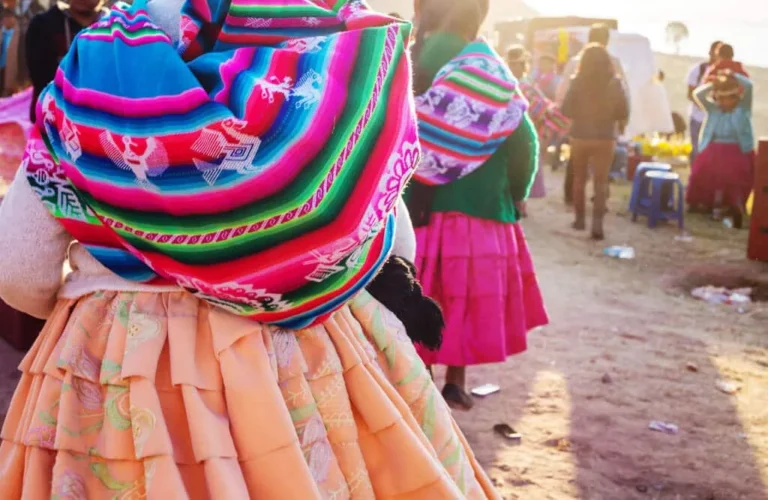
South America’s most prominent indigenous market draws local and foreign visitors to Otovalo. Admittedly, the market now offers almost the same products as Quito’s textile and artisan markets. Nevertheless, Otovalo is worth a visit. Bring enough time to spend the whole day in the village. It’s a charming place with a unique flair. In Otavalo, you can get closer to the ethnic identity of Ecuador’s indigenous people. The Otovalenos are very proud of their indigenous heritage and continue to live their culture. They wear traditional clothes and speak Quechua predominantly.
You’ll find some museums and cultural centers around Otavalo that offer insights into the Quechua people’s history and way of life. We also loved reading “The Queen of water” by Laura Resau about life as an indigenous woman. Part of the moving story takes place in Otavalo, and it’s cool to discover the city after reading about it.

Quechua people in Ecuador
The Quechua people are a series of indigenous tribes that live in the Andean mountains of South America. However, Quechua refers more to the language than to a specific human group because many different tribes speak Quechua or closely related dialects. The Inca civilization was Quechua-speaking, and Quechua remained the Lingua Franca of the Andes even after the Spanish conquest. We had the opportunity to visit some Quechua communities on a recent trip to Ecuador. We were struck by their deep connection to the natural world. For the Quechua, nature is not something to be conquered or subdued but to be respected and protected. This worldview is evident in their traditional architecture, designed to blend in with the surrounding landscape. It is also apparent in their approach to farming, which is based on sustainable practices that have been passed down for generations. Spending time with the Quechua was a profoundly enriching experience. We came away with a greater appreciation for their culture and how they live in harmony with the natural world.

How to get to Otavalo?
From the Terrestre Carcelen terminal, it takes only 2 hours to get to Otavalo. As soon as you arrive, you have to name the place, and the bus companies will show you where to buy your ticket. The buses depart approximately every 30 minutes.

Mindo – relaxation in the cloud forest
Whenever you feel like leaving Quito for more tranquility and fresher air, Mindo is the place for you. As a passionate horseback rider, the Andean village offered a welcomed alternative to the crowded city.

Things to do in Mindo
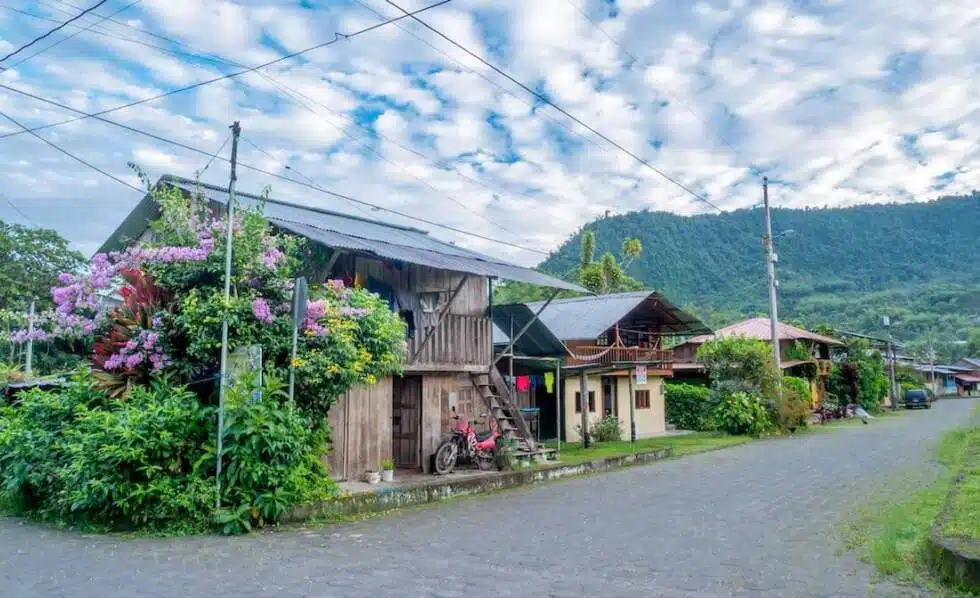
The small town is picturesquely nestled between mountains covered in a cloud forest. We loved exploring Mindo and the landscape by horse, but there also were plenty of other things to do. A butterfly farm, zip lines, and hiking routes will clear your mind. Mindo has gotten quite popular, yet it’s quiet during the week.

How to get to Mindo?
Mindo lies on the route from Quito to Esmeralda. The bus leaves from near El Ejido and costs about 2,50$ and takes 2,5hrs. There are one or two buses from Mindo to Quito per day. Just ask your host a day in advance.
Baños – natural baths, rafting, and more
Baños de Agua Santa is a small town located in central Ecuador. It is situated in a valley at the base of the active volcano, Tungurahua. Baños is known for its waterfalls, rivers, and thermal pools, as well as outdoor activities such as paragliding and mountain climbing. Baños means “baths of the holy water” in Spanish, and the town lives up to its name with its numerous natural hot springs. Baños is a popular tourist destination for Ecuadorians and foreigners, and it is easy to see why. The scenery is breathtaking, and there are endless opportunities for adventure. So whether you want to relax in the hot springs or challenge yourself with some extreme sports, Baños has something for everyone.

Things to do in Banos, Ecuador
Casa de Arbol
For many, casa Arbol is the main reason to visit Baños. You’ll find a giant swing. Because it was raining (as so often) at Lauri’s visit, she didn’t get to swing high across the mountains.
Rafting
One of the highlights in Baños is rafting on the Rio Pastaza. Unfortunately, rafting is not cheap and costs about $30 for a half-day tour and about $100 for a full day. Transport, guide, equipment, and instruction are included in the price. If you want a little less action, try canyoning!

How to get to Banos?
From Quito, take the bus from the Terrestre Quitumbe terminal. The trip takes about 3-4 hours and costs about $4. Bus travel is super easy. Just go to the terminal and ask for the next bus to Baños, there are regular connections, so there is no need to book a ticket in advance.

The Quilotoa Loop – A hikers’ haven
The Andean villages around the Quilota loop make you feel like you have arrived at the world’s end. The highlands are super quiet and peaceful. The Quilotoa Lagoon crater lake lies in the middle of a caldera. You can either descend the crater or circle it completely. The walk downwards takes about 3 hours; the circular route takes about six hours. The lush landscape around the crater lake, grazing alpacas, and sometimes even a view up to the snow-covered peaks of the Cotopaxi volcano create spectacular scenery. Although many travelers and trekking enthusiasts have already discovered Quilotoa, the area maintains its genuine charm and tranquility. You can hike yourself if you don’t like joining a tour.

How to get to Quilotoa?
Buses to Quilota leave from Quito“s Quitumbe bus terminal. You can buy the ticket on the day of your departure. For approx. 3 $ it goes then in 2 h only to Latacunga. Here you have to change buses and take one to the Quilotoa Village from where you can explore the lagoon.

The best time to hike Quilota crater
The temperatures in Quilotoa are almost constant throughout the year. It’s cold and has an average of 10 degrees. It feels a lot colder, though! Expect lots of rainfall, too!
The best time to travel is from June to August. The summer months see the fewest rainfalls (about ten days per month). During the rest of the year, expect up to 22 rainy days per month.

Best places to stay in Banos:
A lot of accommodations are owner-occupied, so don’t expect too much comfort or hot water. However, you can also find some comfy hostels like the Llulullama in Isinlivi or the Hostal El Vaquero in Chugchilan. Hacienda El Porvenir is dedicated to sustainable agriculture, livestock, and conservation.
Yungilla – community tourism in the cloud forest
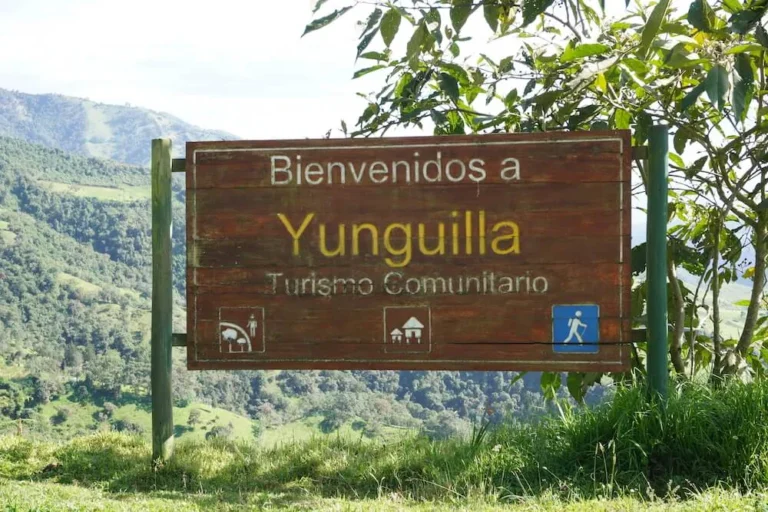
Nestled within the breathtaking Chocó Andino Biosphere Reserve near Quito lies the Yunguilla Community – a role model for sustainable production, environmental conservation, and community-based tourism. Since 2000, this vibrant community has served as a shining example of how to improve the livelihood of indigenous families in the region. But for those seeking an unforgettable, immersive experience in the ecologically diverse cloud forest of Ecuador, Yunguilla offers so much more. Enjoy comfortable family homestays, explore short and long forest walks, visit local microenterprises, savor typical dishes in the community restaurant, delight in bird watching, and even participate in volunteer programs. It’s a place where nature, adventure, and local culture converge, welcoming visitors to an authentic experience of rural life in the highlands of Ecuador.
“Cuidamos la vida en el bosque Nublado”
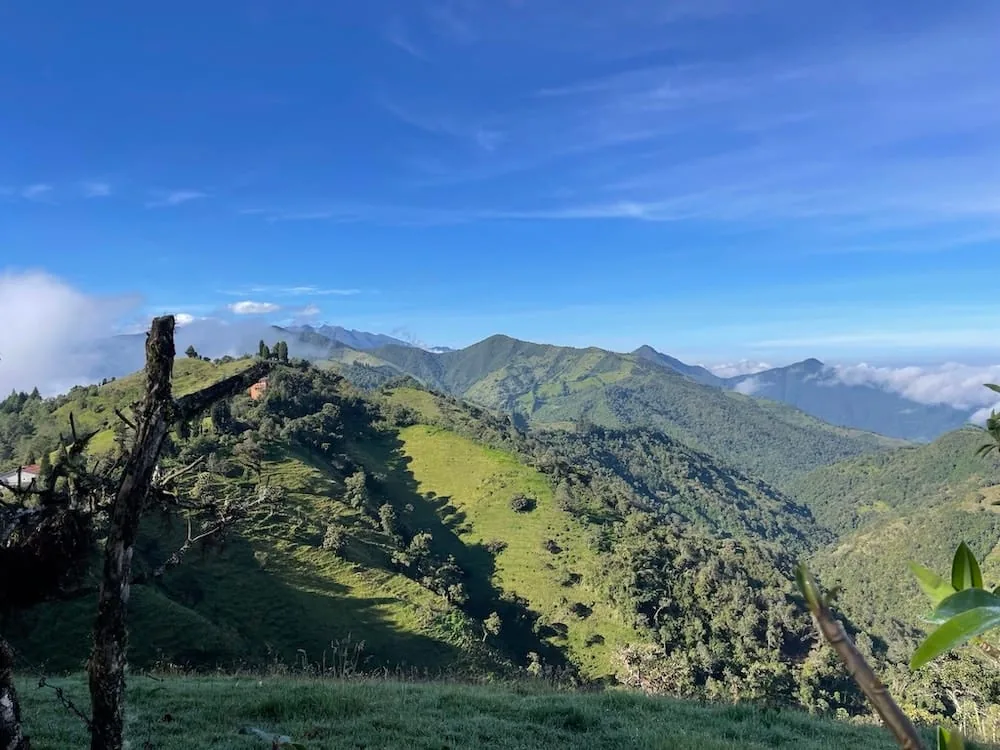
Things to do in Yungilla
Take a walk to explore the cloud forest and immerse yourself in the tranquility of the surrounding nature. Go bird watching, find a quiet spot to read a book, or simply enjoy the serenity.
Yungilla is known for its agriculture, particularly fruit and vegetable production. Take a tour of the local orchards and farms to learn about the area’s organic and sustainable farming practices.
If you are up for it, you can also learn how to make cheese, yogurt or jam or explore their other projects!

How to get to Yungilla
The easiest way is to take a taxi which gets you directly to the community within 1-1,5 hours depending on where you start in Quito.
If you want to take public transport, Calacalí is the closest you can get by bus. From here you will again have to order private transport.

Where to stay in Yungilla
The community decided against building hotels but instead converted the families housing to offer comfortable accommodation for visitors. By contacting Comunidad de Yungilla you will get the best experience.
Spot bears & support community tourism at Maquipucuna
Maquipucuna is more than just a conservation reserve in the Chocó Andino bioregion – it is a beacon of hope. For 34 years, its founders have invested countless hours to protect one of the top 5 biodiversity hotspots in the world. With over 14,000 acres, Maquipucuna has become home to countless endangered species like the Andean bear. Beyond just ecotourism, Maquipucuna is also a place for meaningful community engagement. Through the Fundación Maquipucuna, visitors have the opportunity to give back and support local projects with a lasting impact. It’s no exaggeration to say that Maquipucuna is a place where nature, community, and conservation come together in a truly unique way.
You can visit for a day trip from Quito, but we highly recommend staying if you can. It’s an incredible project which allows you to truly learn about Ecuador!
Distance from Quito: about 2hrs
Costs for day-trip: $75
Popular day trips from Quito
Practical Travel Tips for Ecuador


Traveling Ecuador?
Places to visit in Ecuador
Dive into a land of contrasts!
-
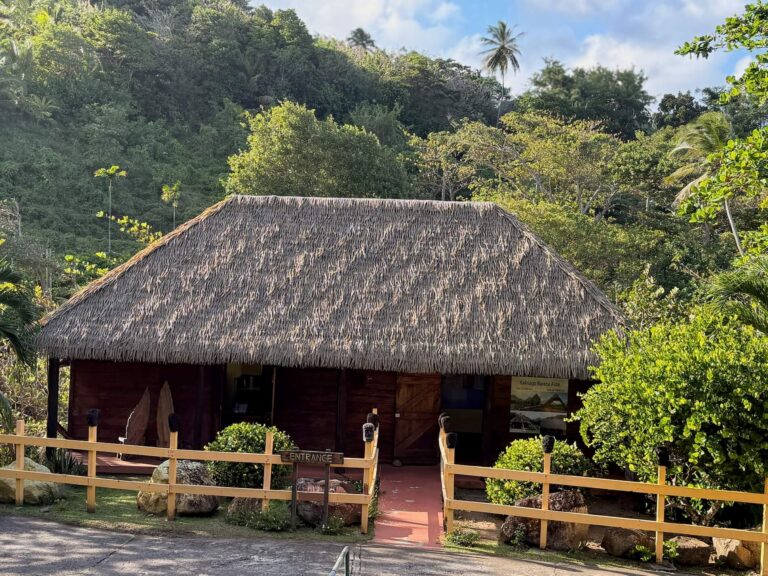
Visiting Kalinago Barana Auté
Voices of Dominica’s First People Dominica is often described through its landscapes first. Rainforest. Rivers. Waterfalls. Hot springs. Volcanic peaks. Roads that twist through the mountains before opening suddenly to the Atlantic. It is an island that feels physical from the moment you arrive — green, humid, steep, alive. And yet, if you only come…
-
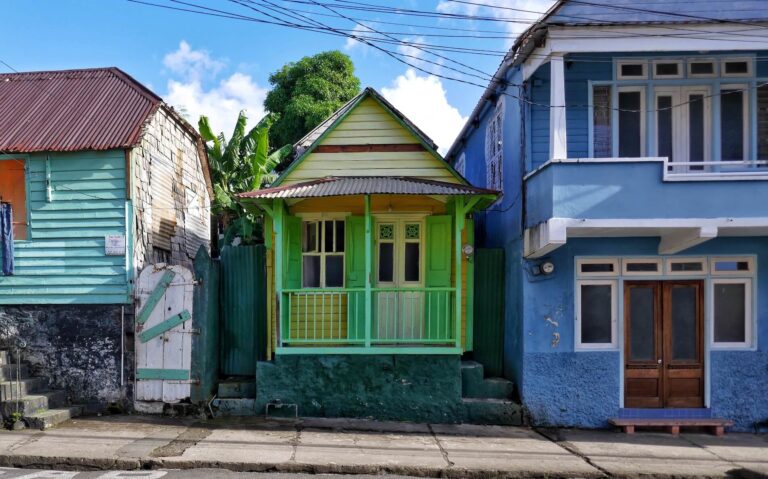
Roseau, Dominica: What to See in the Island’s Colorful Capital
Roseau Beyond the Waterfront Roseau is small, colourful, busy and a little rough around the edges. It is not the kind of Caribbean capital that feels polished for visitors — except perhaps around the waterfront, where the city briefly becomes more arranged for cruise arrivals. Beyond that first layer, Roseau feels much more local. You…
-
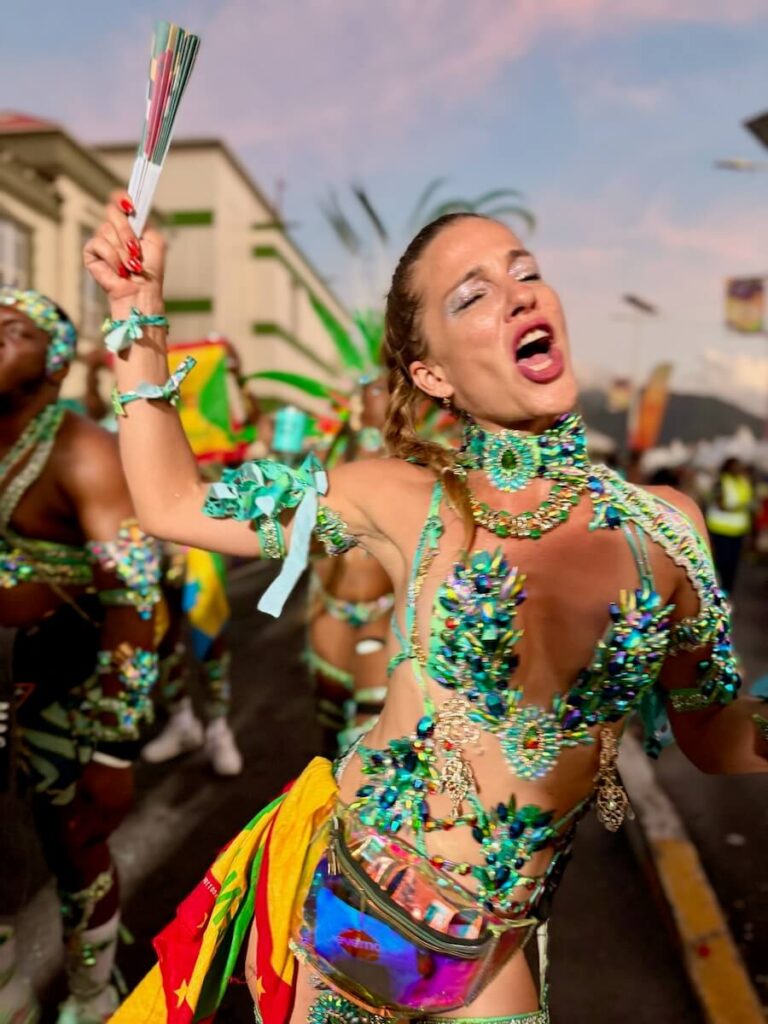
How to play mas in Dominica
Costumes, Culture and Mas There is a moment when Carnival stops being something you watch and becomes something you feel in your body. For me, that moment came on the road with Hysteria Mas in Dominica. The music was already moving ahead of us, the streets of Roseau were filling with people, and suddenly I…
-
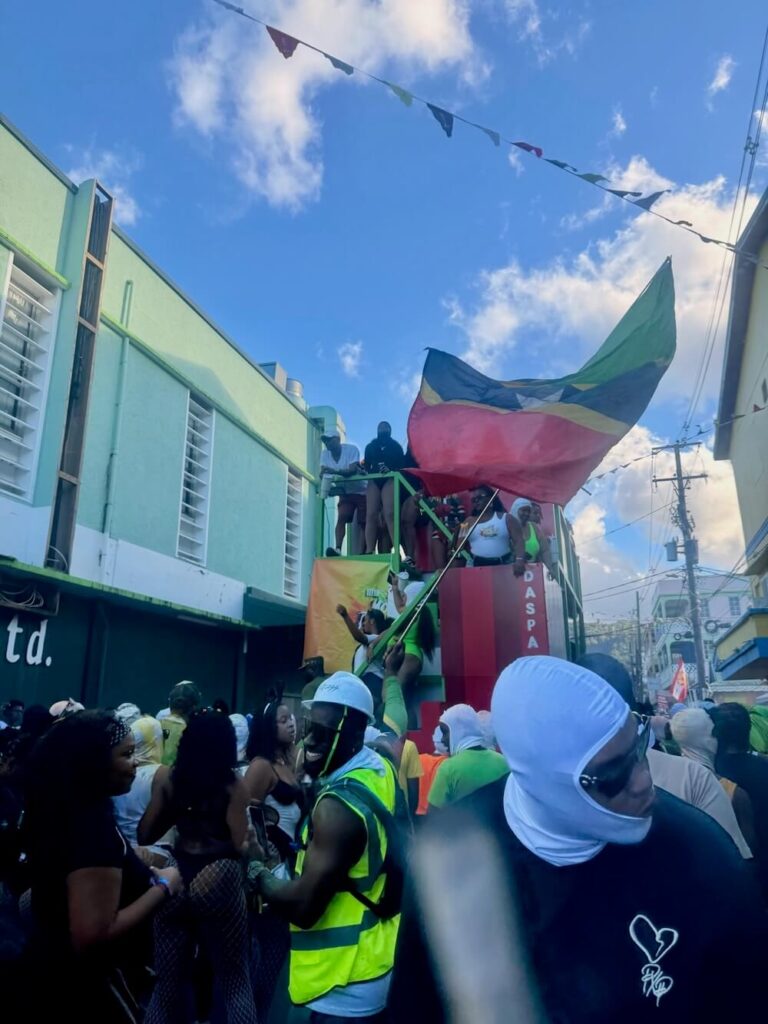
Bouyon Music in Dominica: The Soundtrack of Mas Domnik
The Soundtrack of Mas Domnik Bouyon does not politely stay in the background. It pushes forward. It repeats. It builds pressure. It gets into your body before you have fully understood what you are hearing. During Mas Domnik, Dominica’s Carnival, bouyon is everywhere: on the road, at parties, during J’ouvert, from trucks, passing cars, street…
-
Soufrière and Southern Dominica: A Guide to the Island’s Volcanic Coast
Where the Island Turns Volcanic After the intensity of Mas Domnik in Roseau, southern Dominica felt like a different island. The capital had been all music, movement and Carnival rhythm. Bouyon in the streets. Costumes on the road. People watching from balconies. The same corners appearing again and again as we circled Roseau during Carnival….
-
Beaches in Dominica
Dominica’s Beaches, Without the Caribbean Filter Dominica is not the island I would recommend if your idea of the Caribbean is a week of white sand, beach loungers and polished resort beaches. And that is not criticism. Dominica is the Nature Island of the Caribbean for a reason. Its strongest landscapes are rainforest, rivers, waterfalls,…