Safari in Tanzania
NORTHERN CIRCUIT
How to Choose the Right Parks
Tanzania’s Northern Circuit is the safari route most travelers imagine before they ever set foot in East Africa: the Serengeti, Ngorongoro Crater, Tarangire, Lake Manyara, and the landscapes around Arusha. It is the country’s most famous safari circuit for a reason. The wildlife is extraordinary, the distances are manageable compared with more remote regions, and the route brings together some of Africa’s most iconic landscapes in one journey.
But the Northern Circuit is also easy to misunderstand.
Not every park offers the same kind of safari. Some are dramatic and dense with wildlife. Others are quieter, more atmospheric, or better understood as part of a wider route. A good Tanzania safari is not about ticking off as many parks as possible. It is about choosing the places that fit your pace, your budget, your season, and the kind of experience you are hoping for.
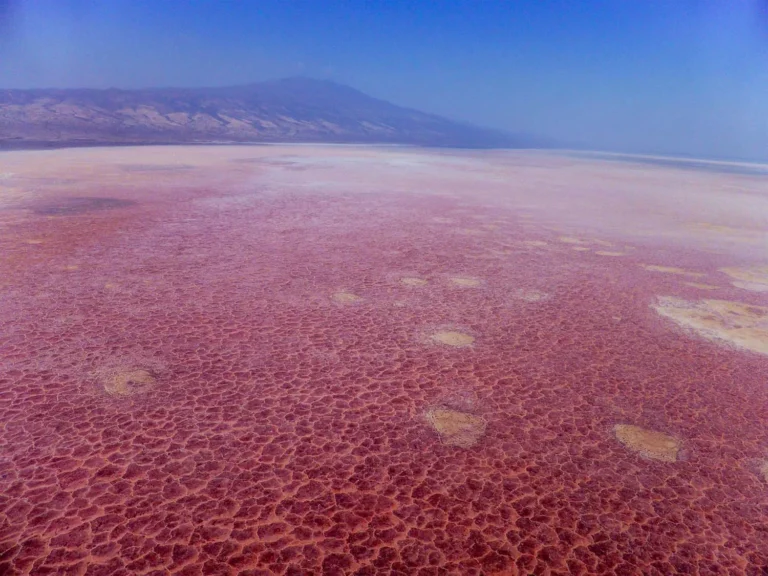
For me, the magic of the Northern Circuit lies in contrast: the open plains of the Serengeti, the enclosed drama of Ngorongoro, the elephant country of Tarangire, the softer forest and lake landscapes of Manyara, and the raw, almost unreal edge of Lake Natron. Together, they show how varied northern Tanzania can be — if you allow each place to be more than just another game drive.
What Is Tanzania’s Northern Circuit?
The Northern Circuit is Tanzania’s most established safari route, usually starting and ending in Arusha. From there, travelers visit a combination of national parks and conservation areas such as Tarangire National Park, Lake Manyara National Park, Ngorongoro Crater, and Serengeti National Park. Some itineraries also include Arusha National Park or a more adventurous extension to Lake Natron.
This is the most accessible safari region in Tanzania, especially for first-time visitors. The infrastructure is well developed, there is a wide choice of lodges and camps, and the parks can be combined in a natural route without too much backtracking.
That does not mean every itinerary is well designed. Some safaris try to squeeze too much into too little time, leaving travelers with long drives, rushed game drives, and only a surface-level sense of each place. The Northern Circuit is famous, but it still rewards patience.
Tarangire National Park
Distance from Arusha: ~120 km / 75 mi (about 1.5 hrs by road)
Size: 2,900 km²—small for Tanzania, big on variety
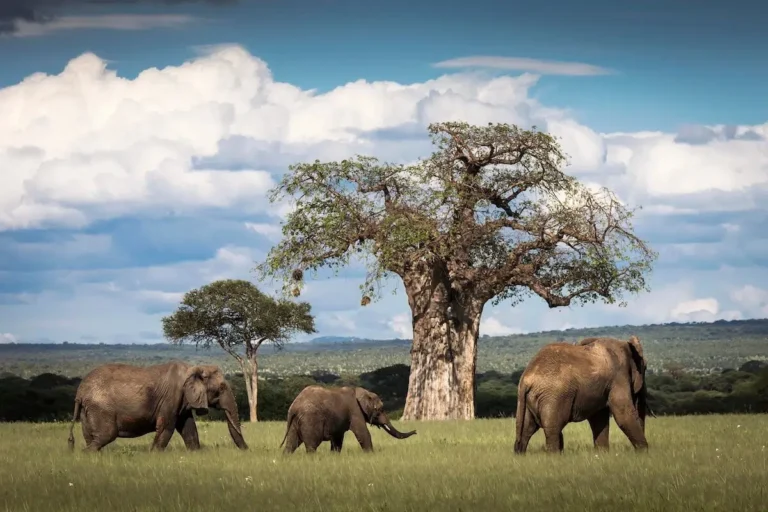
Claim to fame: Tarangire River, giant baobabs, and the country”s densest dry-season wildlife
At 2,900 km² it”s smaller than its famous neighbours, yet its mix of baobab groves, open savanna, and seasonal marshes feels endless. The Tarangire River slices through the park and, in the dry months, becomes the only reliable water source for miles.
Our “private” safari surprise. No one else joined our jeep that morning, so the savanna felt like ours alone. We bumped past ancient baobabs and skyscraper-high termite mounds before the plains began to pulse with life: zebras and wildebeest first, then buffalo, impala, lanky giraffes, and a troop of curious vervet monkeys.
Wildlife highlights: Tarangire is elephant heaven—more than 300 family herds roam here, and standing beside them is pure magic. Lions and leopards lounge in the shade, rare gerenuk peer from the scrub, and over 550 bird species flicker through the sky. Because every creature funnels to the river in the dry season (June-October), game spotting can feel almost effortless.
Visiting Tarangire National Park
Best time to visit Tarangire National Park:
Dry season: The best time to visit is during the dry season, from June to October, when the animals cluster around the Tarangire River.
High season: July and August are the top high season when most tourists visit.
Rainy season: March and April are the wettest months and have fewer visitors. During those months, the vegetation is full and lush, and the sky is supposed to be primarily dramatic at sunrises and sunsets.
Tarangire National Park entry fees and costs
For 180$, we went on a day trip to Tarangire National Park with the local provider African Travel Tour in Arusha. Our package included a comfortable safari jeep, lunch, and a guide.
The entry fees for Tarangire National Park are $ 53 incl. The VAT was already included, too.
Tarangire National Park offers some rather expensive lodges on the park’s grounds. However, there’s also a campsite. Therefore, we can only recommend a day trip from Arusha if you are traveling on a budget.
Places to stay around Tarangire
Asmorein Hotel
Located a bit off the beaten path Asmorein is a true home away from close to Lake Babati. The views are stunning.
Baobab Tented Camp
Located right inside Tarangire National park, 10 cute tents are open for visitors. The service is amazing and the feeling to hear wildlife so close by is incredible!
Ngorongoro Crater
Distance from Arusha: ≈ 180 km / 110 mi (3.5–4 hrs by road)
Size: 8,300 km² for the entire Ngorongoro Conservation Area; the crater floor itself covers around 260 km²
Claim to fame: World”s largest unbroken volcanic caldera, home to the Big Five and rich Maasai culture
The Ngorongoro Crater, a UNESCO World Heritage Site, is one of Africa”s most dramatic safari backdrops. Formed by a collapsed volcano, it”s the largest intact caldera on Earth, with steep crater walls enclosing a natural wildlife haven that feels like a world of its own.
Wildlife at Ngorongoro Crater
Around 30,000 animals live permanently inside the crater, including lions, elephants, zebras, buffalo, hippos, and the endangered black rhino. Because of the year-round water and grass, wildlife spotting is incredibly rewarding—even on a single-day drive.
Beyond the Crater: Ngorongoro Conservation Area
The surrounding Ngorongoro Conservation Area (NCA) stretches far beyond the crater and offers some of the highest densities of big game in Africa. Rolling plains, forests, and volcanic hills support everything from giraffes and cheetahs to vast herds of wildebeest during their calving season.
A Glimpse of Maasai Life at Ngorongoro Crater
Many tours include a visit to a Maasai boma—a traditional family homestead made of mud, sticks, and thatch. Here, you’ll get a brief but eye-opening look at Maasai culture, where cattle are central to daily life and social status. It”s a chance to understand how these semi-nomadic people coexist with wildlife in this protected area.
Why Visit Ngorongoro
Though entrance fees are high and the crater can feel busy during peak months, the wildlife density, stunning scenery, and cultural insights make it more than worth it. Come early, descend at dawn, and you”ll be rewarded with that surreal moment when the morning mist clears and the crater floor comes alive. Whether you”re on a short Northern Circuit tour or a longer Tanzania safari, Ngorongoro is a must.
Visiting Ngorongoro
Best Time to Visit Ngorongoro Crater
Year-round appeal. Thanks to permanent springs and grasslands inside the caldera, Ngorongoro Crater delivers reliable wildlife viewing in every month.
Dry season (June – September). Short grass and shrinking waterholes draw animals into the open, making sightings easy. Mornings on the rim can feel wintry—pack a fleece or light jacket.
Short-rains “green” season (October – December). Brief afternoon showers turn the slopes emerald, birdlife explodes, and visitor numbers dip. Photographers love the fresh colors and softer light.
Calving season (January – February). Tens of thousands of wildebeest drop their young on the surrounding plains, and predators follow. Expect dramatic chases and plenty of action.
Long-rains shoulder (March – May). Heavier rains mean muddy tracks and occasional closures, but prices plunge and the crater looks its most vibrant. If you don’t mind showers, you’ll have the views almost to yourself.
Quick takeaway. For classic, crowd-pleasing game drives, choose June–September. If lush scenery, baby animals, or lower rates matter more, aim for the green or shoulder months—just come prepared for changing skies.
Ngorongoro Crater Entry Fees & Costs (2025 Update)
Park entry: USD 60–70 per person, per day
Crater service fee: USD 250–295 per vehicle (to descend into the crater)
Vehicle permit (conservation area only): Around USD 40–50 per vehicle
Guide fees: Typically USD 40–100 per day
Camping: Starts from USD 30–60 per person
Lodges: Begin around USD 150 per person, mid-range to luxury
Ngorongoro lies about 120 km from Arusha, so day trips are possible—but staying overnight allows for sunrise game drives and fewer crowds.
Quick tip: Fees can change, so always double-check with your lodge or tour operator when booking.
Serengeti National Park
- Distance from Arusha: ≈ 325 km / 200 mi (7–8 hrs by road, 1 hr by bush plane)
- Size: 14,750 km² (5,700 sq mi) — Tanzania”s largest national park
- Claim to fame: The Great Wildebeest Migration, huge predator densities, and “endless plains” that run into Kenya”s Maasai Mara
At nearly 15,000 km², the Serengeti dwarfs every other park on the Northern Circuit. Yet its open grasslands, riverine forests, and rocky kopjes feel surprisingly intimate once you”re bumping along a game track. The name comes from the Maasai word siringet, meaning “the place where the land runs on forever.” One look at that horizon and you”ll get it.
Wildlife Serengeti National Park
- Great Migration: ~ 1 million wildebeest plus zebra and gazelle circle the ecosystem year-round; river crossings peak June–September (Grumeti & Mara Rivers).
- Predators: Africa”s densest populations of lion, cheetah, and hyena; leopards drape across acacia limbs in Seronera.
- Birdlife: 500+ species, from lilac-breasted rollers to secretary birds strutting the short grass.
Visiting Serengeti National Park
Best Time to Visit Serengeti National Park
Planning your visit around the Great Migration is key to experiencing the Serengeti at its best. Here’s a quick breakdown:
January – March: Calving season in the Southern Serengeti. Thousands of wildebeest give birth, attracting predators like lions and cheetahs. Great for action-packed sightings.
June – July: Dry season begins. Herds move northwest and cross the Grumeti River—expect dramatic encounters with crocodiles.
August – September: Peak migration in the Northern Serengeti. Iconic Mara River crossings offer unforgettable safari scenes.
October – November: Short rains begin. Herds head south again through Lobo and Seronera. Fewer tourists, great game viewing.
December: Wildebeest return to the Southern Plains. Lush landscapes and active predators set the stage for calving.
Tip: For river crossings, go June–September. For fewer crowds and rich scenery, aim for the shoulder months.
Serengeti Entry Fees & Costs
Park fees: International visitors pay USD 70 per person, per day to enter Serengeti National Park.
Vehicle & guide: Count on USD 40–100 for a professional guide plus USD 30–50 for the vehicle permit and fuel.
Inside-park lodges: Mid-range camps start around USD 200–250 per person, per night; luxury tented suites can soar past USD 1,000.
Total daily budget: A classic, mid-range safari inside the park runs USD 400–600+ per person (park fee + guide + vehicle + lodge).
Places to stay around Serengeti
Africa Safari Maasai Boma Camping
As the name suggests, the accommodation is inspired by a traditional Maasai boma. Look around and you will understand why; you are in their midst. The round mud houses with thatched roofs are simple and solid, yet comfortable.
Lake Manyara
Quick facts
Distance from Arusha: ≈ 125 km / 78 mi (about 2–2.5 hrs by road)
Size: 330 km² (nearly 200 km² of it is the lake itself)
Claim to fame: Rift Valley escarpment views, tree-climbing lions, alkaline lake packed with flamingos, and Africa”s largest baboon troops
At just 330 km², Lake Manyara is the smallest park on Tanzania”s Northern Circuit, yet its scenery changes by the minute. One moment you”re in cool groundwater forest, the next you”re skimming open savanna or skirting the glittering rim of the lake. That lake—shallow, alkaline, and famous for flamingos—expands in the rains and can vanish almost completely in the dry months, leaving pools teeming with algae and pink birds.
Wildlife highlights
Tree-climbing lions lounging above the heat
Huge baboon troops swaggering along the roadside
Elephants emerging from thick forest for a mud bath
Seasonal flamingo clouds plus more than 400 bird species year-round
Why visit Lake Manyara
Two hours from Arusha and en route to Ngorongoro and the Serengeti, Manyara makes the perfect “warm-up” safari. It”s budget-friendly, rarely crowded, and its mix of forest, lake, and savanna means you tick off a surprising amount of wildlife in a single game drive. Add it to the front of your Northern Circuit itinerary and ease into the safari rhythm—pink horizons, acacia silhouettes, and maybe a lion in the treetops.
Visiting Lake Manyara Park
Best Time to Visit Lake Manyara National Park
Lake Manyara is a year-round safari destination, but the experience varies by season depending on what you”re hoping to see.
Dry Season (June to September):
This is the best time for general wildlife viewing. With less vegetation, animals are easier to spot, especially elephants, baboons, and the park”s famous tree-climbing lions. Roads are also in better condition for game drives.
Rainy Season (November to May):
The landscape turns lush and green, offering stunning scenery and fewer crowds. It”s the best time for bird watching, as thousands of flamingos and migratory birds arrive at the lake. Calving season also brings new life and increased predator activity.
Quick tip: Visit during the shoulder months (October or May) to enjoy a balance of good wildlife viewing, beautiful landscapes, and lower visitor numbers.
Lake Manyara Entry Fees & Safari Costs (2024-25)
Park entry fee: USD 50 in high season, USD 45 in low season (plus 18% VAT, usually quoted as around USD 59 per person)
Vehicle and guide: USD 50–120 per day, depending on group size and experience
Tips: Budget around USD 10–25 per day for your guide and lodge staff
Estimated daily costs:
- Shared day trip from Arusha: Around USD 180–220 per person, including transport, guide, park fees, and lunch
- Mid-range overnight safari inside the park: Starts around USD 325+ per person, including accommodation
- Budget option: Stay in nearby villages like Mto wa Mbu (lodges from USD 80–150) and enter the park for day drives—total cost from around USD 250 per person
Tip: For the best value, visit in shoulder months (October or May), join small group tours, or base yourself just outside the park gates.
Places to stay around Lake Manyara
Foresight Eco-Lodge
As a guest you can experience wild animals on safari, the bushmen at Lake Eyasi or the happy children in a school. You can come to relax, to experience, or to get involved with helping hands in the society. Foresight Eco Lodge offers a variety of opportunities for open-minded people.
Arusha National Park
Quick Facts
Distance from Arusha: ≈ 30 km / 40 min by paved road
Size: 552 km²
Claim to fame: dramatic Mount Meru backdrop, Tanzania”s largest giraffe population, and easy day-trip access from the safari hub of Arusha
Why Visit Arusha National Park?
Often skipped for the Serengeti or Ngorongoro, Arusha National Park is a hidden gem—perfect when time or budget is tight. Within minutes of leaving downtown Arusha you”re scanning lush forest for black-and-white colobus monkeys or watching giraffes stride across open grassland. Fewer crowds mean you can linger at viewpoints, listen to bird calls around the Momella Lakes, and soak up Mount Meru”s volcanic silhouette without a convoy of safari vehicles.
Wildlife Highlights
Giraffes: more than 700—Tanzania”s densest concentration
Black-and-white colobus monkeys: easy to spot in the montane forest canopy
Other residents: buffalo, bushbuck, waterbuck, blue monkeys, plus flamingos that tint the alkaline lakes pink during the rains
Visiting Arusha National Park
Best time to visit Arusha National Park
Game-watching is pleasant throughout the year.
Dry season: From July-October. It’s easier to see wildlife gathering around waterholes.
Rainy season: From March to May. The park is home to various migratory bird species.
Arusha National Park Fees & Costs (2025)
- Park entry: USD 45 (low season) – USD 50 (high season) per adult, plus 18 % VAT
- Vehicle + driver-guide: roughly USD 50–120 per day, depending on group size
- Basic huts (Meru trek): about USD 30 per person, per night
- Walking-safari ranger fee: typically USD 15–20 per person; full-day walking packages run from USD 200 pp, including park fees, guide, and vehicle
- Tips: budget USD 10–25 per day for your guide and camp crew
What a Day Trip Costs
A shared 1-day safari from Arusha—including park entry, vehicle, guide, lunch, and VAT—usually lands between USD 180 and 220 per person.
Places to stay around Arusha National Park
GREEN GARDEN GUEST HOUSE
Set among the woodland slopes of Mount Meru at the edge of Lake Duluti, there’s no better destination for soaking in the beauty and magnificence of the Tanzanian “Northern Safari Circuit.”
Kipilili Homestay
Very cute homestay right in the Center of Arusha. Great location to explore Arusha and its surroundings, especially great for those of you who stay longer.
Practical Travel Tips for a safari


Going to Tanzania?
Let us inspire you!
Places to visit in Tanzania
With its diverse cultures, beautiful nature and rich history Tanzania is a country not to be forgotten.