Arusha
Tanzania
Tanzania’s safari capital
Arusha, Tanzania, is a city in the middle of two worlds. On the one hand, you have the traditional cultures and lifestyles of the locals. On the other hand, you have the modern influences of globalization and tourism. This creates an exciting mix of people and cultures that make Arusha unique. Arusha itself is a dusty, charming mid-sized African city. Its population embodies a vibrant mix of over 100 nationalities—a melting pot of Swahili, Masai, Hazdabe, and numerous other ethnic and indigenous cultures. Living peacefully side-by-side, locals are super friendly and eager to show you their Tanzania.
With its visible landmark, the clock tower is considered Arusha’s center. Arusha is by now a breathtakingly beautiful city, but it is worth visiting and feeling. Our time in Arusha was significantly impacted by our wonderful host Massai, his family, and Papakinye. We quickly bonded and became friends. With them, we could discover Arusha through the eyes of locals.

Best places to stay in Arusha
Arusha is the pause before the safari begins — a city of coffee estates, garden lodges, busy roads, Mount Meru views and travelers arriving with dust still ahead of them. I would not choose accommodation here only by distance to the airport. The best stays in Arusha help you soften into Tanzania before the long drives: somewhere with green space, good food, local character and enough calm to make the transition from flight to safari feel less abrupt.
Villa Arumeru is a good fit if you want your Arusha stay to feel calm, personal and close to nature rather than purely logistical. It presents itself as a peaceful boutique villa and lodge near Mount Meru and the safari routes, which makes it useful for travelers who want a gentle first or last night in northern Tanzania without disappearing into a large hotel. I would place it between the city-based options and the garden-lodge stays: comfortable, intimate and well suited to arriving slowly before the safari begins.
Onsea House is the more intimate, personal option — a small country inn and retreat outside the city center, known for privacy, comfort and fine dining rather than big-lodge scale. It works well if you want Arusha to feel quieter and more grown-up, especially after a long flight or before several days on the road. The location is not ideal if you want to walk around town, but that is also part of the appeal: it gives you space to arrive, breathe and reset.
The African Tulip is a practical boutique-style choice if you want to stay closer to town without giving up comfort. It is a good fit for travelers who need an overnight base before safari, want easier access to restaurants or tour operators, and prefer something with more character than a standard business hotel. I would choose it less for “escape” and more for convenience with a little personality.
Go on a safari
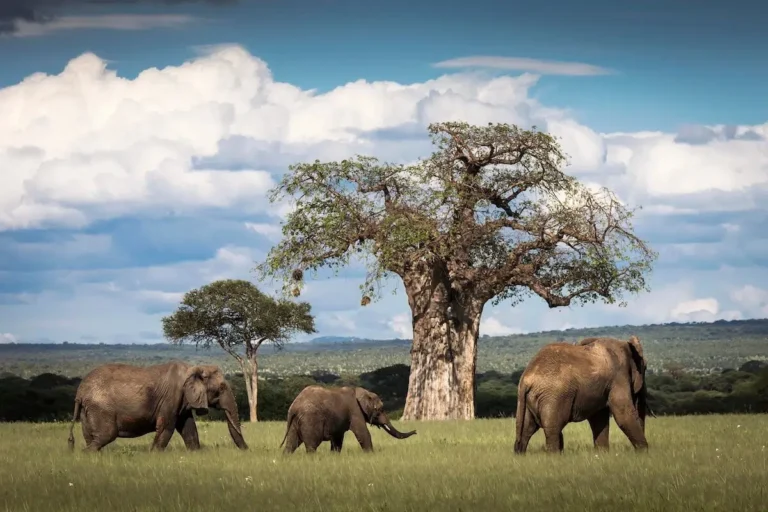
After we explored Arusha with Papakinye, we decided to go ahead and book a safari. It’s easy to book your safari in Arusha as many safari tour operators have an office there. The offices are located close to the clock tower. Walk around, check offers, and ask questions. You’ll surely find the perfect safari for you. We have already spent way more time in Arusha than planned and added a trip to Lake Natron, so we decided on a budget-friendly safari day trip. Tarangire National Park seemed to be the perfect safari for us. Both Arusha National Park and Tarangire National are perfect for a day trip. Tarangire has the highest population density of elephants. We booked our safari with the local provider, “African Travel Tour. ” Click here if you want to follow the tracks of the Big 5.
Masaai market
The market has been recommended, so we decided to check it out. Take “Fire road” about three blocks down from the roundabout at the clock tower. The Masaai market in Arusha is an excellent place to shop for colorful souvenirs. The stall owners eagerly greeted us and invited us to see their products. The prices are negotiable. We recommend buying several times from one vendor to get the best price. We loved the purses we got there.
Tanzanite museum
Papakinye took us to the museum to learn more about rare gemstones. We headed to the Blue Plaza on India Street and took the elevator to the third floor. The Tanzanite tour is entirely free. We visited a makeshift mine and learned about the history of the rare Tanzanite gem whose name reflects its limited geographical origin. One can only find Tanzanites in one place in the world: a small area just four kilometers wide and two kilometers long at Mount Kilimanjaro’s foot, making them a lot rarer than diamonds. The blue/ violet gemstone was only discovered in commercial quantities in the 1960s. However, it has quickly risen to become the second most popular blue gemstone after sapphire, thanks to Tiffany’s.
Nightlife
Despite the tourist attractions and nearby national parks, Arusha is a nightlife haven offering bars, live music, karaoke nights, and nightclubs. We loved hanging out at the local bars. On our first night, Massai and Papakinye showed us a club called “Sky Lounge.” (It’s supposedly the place to be on a Sunday) The atmosphere was relaxed and energizing, with a lot of wild dancing. We seemed tobe the only “muzungos,” which guaranteed us much attention as everyone wanted to dance with us. A little too drunk to drive boda-boda, we had to take a regular taxi home. We had a run-in with the local “neighborhood watch one night.” A group of young men equipped with sticks. Admittedly, this was a bit scary at first. However, after discussing with our friends Massai and Papakinye, the group let us pass. So, if you are indulging in Arusha’s nightlife, do it with your local friends!
Arusha Coffee Lodge
The lodge overlooks the Ngurdoto Crater, an extinct volcano that last erupted over 150,000 years ago. The coffee plantation and processing factory are open to visitors. The tour includes a short film about growing coffee and the tastings of Arusha Coffee. The lodge has a restaurant and bar serving breakfast, lunch, and dinner. The views from the restaurant are stunning.
Ngurdoto Museum
The Ngurdoto Museum is housed in an old colonial building once a hospital. It is a small museum with exhibits on the history and culture of the Masaai people, the local tribe in Arusha. The museum is worth visiting for its beautiful gardens and views of Ngurdoto Crater.
Popular Tours
Practical Travel Tips for Arusha


Going to Tanzania?
Places to visit in Tanzania
With its diverse cultures, beautiful nature and rich history Tanzania is a country not to be forgotten.
-
Diving in Zanzibar
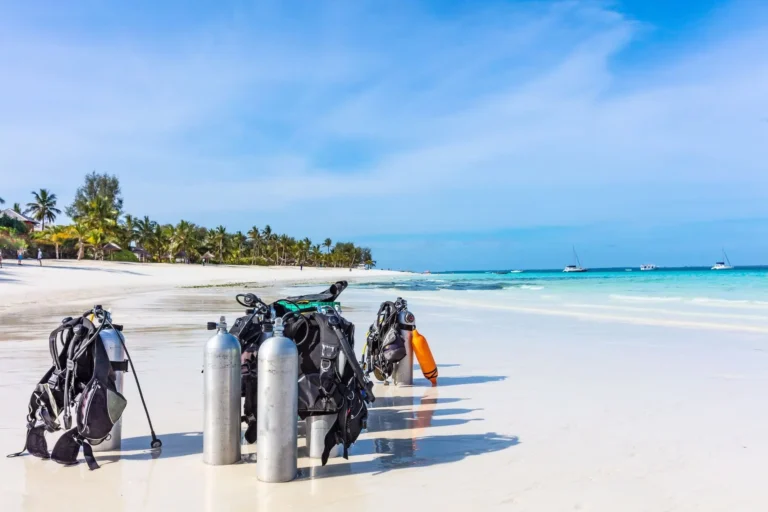
What to Expect Beneath the Indian Ocean Zanzibar is usually described from above the water: pale beaches, dhows, spice farms, Stone Town rooftops and that bright Indian Ocean blue. Diving changes that perspective. Below the surface, the island becomes quieter, more technical and more fragile — coral gardens, reef fish, shifting visibility, currents, and the…
-
Two weeks Tanzania itinerary
A Complete Safari & Beach Itinerary Tanzania was my first African destination — and the one I keep returning to. It”s a country that lingers in your mind: the golden sweep of the Serengeti, the salty air of the Indian Ocean, the earthy scent after a burst of rain. If you have just two weeks,…
-
Tarangire National Park
Tanzania’s Quiet Elephant Kingdom Tarangire was the very first national park I ever set foot in Tanzania—and I only had one day. I still remember the dusty hush, the surreal baobab silhouettes, and an elephant herd so large the ground seemed to move. That single day trip from Arusha ignited a lifelong love of African…
-
Zanzibar | Discover the most beautiful beaches
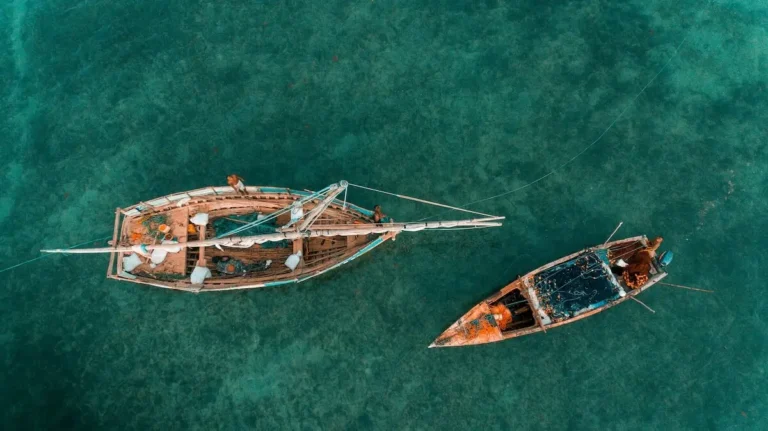
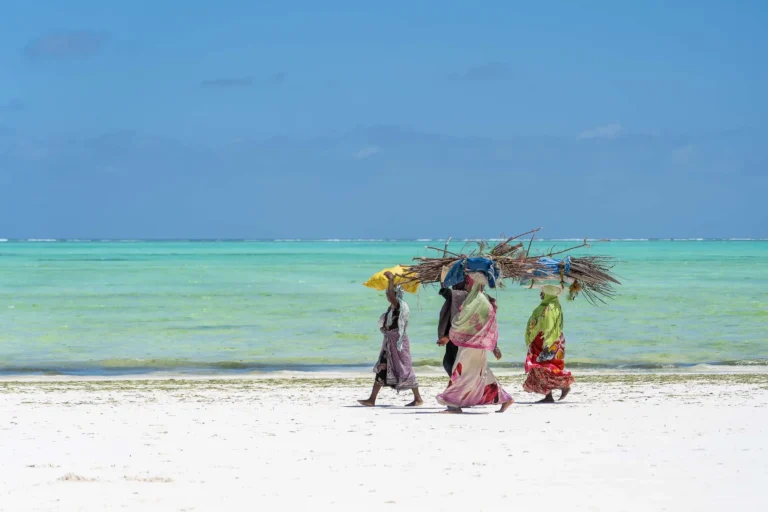
Where Zanzibar Meets the Tide We loved mainland Tanzania, and the experiences surpassed our imagination. After our eventful time on the mainland, we were yearning for some lazy days in the sun. Zanzibar not only affords its visitors some of the best beaches in the Indian Ocean, but it’s also within comfortable and cheap reach…
-
Safari | A once in a lifetime wildlife experience
How to Choose the Right Parks Tanzania’s Northern Circuit is the safari route most travelers imagine before they ever set foot in East Africa: the Serengeti, Ngorongoro Crater, Tarangire, Lake Manyara, and the landscapes around Arusha. It is the country’s most famous safari circuit for a reason. The wildlife is extraordinary, the distances are manageable…
-
Dar es Salaam | Karibu to a vibrant Tanzanian city
An African megacity between tradition and future Tanzania’s former capital, often referred to as “Dar,” is not only Tanzania’s second-largest city but one of the fastest-growing cities in the world. Located along the coast of the Indian Ocean, Dar es Salaam is brimming with activities for anyone. Dar is not only known for its beaches…