Two weeks in Tanzania
A Complete Safari & Beach Itinerary
Tanzania was my first African destination — and the one I keep returning to. It”s a country that lingers in your mind: the golden sweep of the Serengeti, the salty air of the Indian Ocean, the earthy scent after a burst of rain.
If you have just two weeks, you can still experience the best of Tanzania”s wildlife, islands, and cultural heritage without feeling rushed. This itinerary takes you from vibrant cities to remote islands, through world-famous safari parks and into the heart of local life.
This two-week Tanzania itinerary brings together some of the country’s biggest contrasts: the energy of Dar es Salaam, the wide-open plains of the Serengeti, the drama of Ngorongoro Crater, the softer landscapes around Lake Manyara, and a final few days by the Indian Ocean on Zanzibar or Mafia Island. I’ll be honest: it is a little rushed, especially once you add safari distances and domestic travel days. But if it is your first trip to Tanzania and you want a journey that combines wildlife, culture and coast, this route gives you a powerful first impression — as long as you do not try to fill every hour. I would treat it as a framework, not a race: choose carefully, leave breathing room where you can, and let each part of the country feel different.
2 weeks in Tanzania

Dar es Salaam – Settle In and Explore
Days 1–2:
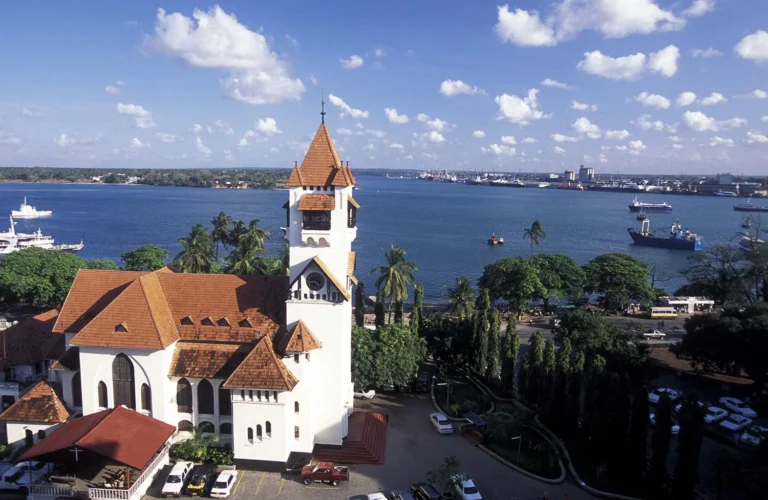
Begin your journey in Dar es Salaam. Many travelers pass through quickly, but spending a couple of days here gives you time to adjust and dive straight into Tanzania”s energy.
At Kariakoo Market, wander between spice stalls and fabric shops, sampling street snacks along the way. The Kivukoni Fish Market is a hive of activity as fishermen unload their catch straight from wooden dhows. Later, head to Coco Beach to watch the sunset and mingle with locals.
Tip: Plan your days around neighborhoods to avoid losing time in traffic.
Where to stay in Dar es Salam
Aya Sophia Villa Garden Hotel – A peaceful boutique stay with a leafy garden, ideal for a quiet landing.
L&J Modern Backpackers Kinondoni – Budget-friendly, social, and perfect for meeting other travelers.
Taty”s Homestay – A welcoming, family-run spot that offers a more local, lived-in experience.
Serengeti National Park – The Great Migration and Beyond
Days 2–5:
The Serengeti delivers some of the most memorable wildlife encounters in the world. If you visit between June and October, you might see the Great Migration — thousands of wildebeest and zebra moving across the plains.
Even outside migration season, you can:
Visit Moru Kopjes to search for black rhinos.
Explore Lobo Valley, home to large predator populations.
Take a hot air balloon ride at sunrise for a bird”s-eye view of the savanna.
Where to Stay:
Africa Safari Serengeti Ikoma – A comfortable lodge on the park”s edge, with easy access to the migration routes.
Zawadi Camp – Intimate tented camp with a rustic-luxury feel, ideal for travelers who want to be closer to nature without sacrificing comfort.
Heritage Central Tented Camp – Well-positioned in central Serengeti, perfect for maximizing game-viewing time.
Africa Safari Serengeti Ikoma Camping – A budget-friendly option for those who want a true under-the-stars safari experience.
Getting from the Serengeti to Ngorongoro Crater
You have two main options to get from the Serengeti to Ngorongoro Crater, and which you choose will depend on your time, budget, and sense of adventure.
By Air – The quickest way is to drive back to Arusha (about 4–5 hours) and catch a domestic flight to one of the Serengeti”s airstrips, such as Seronera, Kogatende, or Ndutu. Flights take around 1–2 hours, depending on the airstrip. This option saves time and gives you incredible aerial views over the Great Rift Valley and the endless plains.
By Road – If you have more time and enjoy overland travel, you can continue west from Ngorongoro through the conservation area and enter the Serengeti via Naabi Hill Gate. The journey takes roughly 6–7 hours, but most safari operators treat it as a game drive, stopping for wildlife sightings along the way.
Ngorongoro Crater – Safari in a Natural Wonder
Days 5–7:
Ngorongoro Crater is unlike anywhere else — the world”s largest intact volcanic caldera and home to a staggering concentration of wildlife. From the crater rim, you”ll see the grasslands stretching out like a living mosaic.
Take a game drive down into the crater for a chance to see the Big Five in a single day, along with flamingos on the lakes and hippos in the marshes. For a different perspective, a rim walk offers panoramic views and the thrill of spotting wildlife from above.
Nearby, visit Olduvai Gorge, one of the world”s most important archaeological sites. The on-site museum tells the story of early human evolution and the discoveries made here.
Tip: Mornings can be chilly on the rim, so bring a warm layer for early starts.
Where to Stay:
Foresight Eco Lodge & Safari – Set on a hillside with spectacular crater views, this eco-friendly lodge blends comfort with a strong focus on sustainability.
Africa Safari Karatu – A charming, mid-range option in Karatu town, perfect if you want a relaxed atmosphere between game drives.
Getting from Ngorongoro Crater to Manyara National Park
Lake Manyara is an easy add-on after Ngorongoro Crater. The drive takes about 1.5–2 hours, winding through the highlands before descending into the Rift Valley. The route is scenic, with coffee plantations, banana groves, and local villages along the way. Many safari operators plan a morning crater game drive followed by an afternoon transfer, so you can be on the lake the same day.
Lake Manyara – Home of the sleeping lions
Days 7–9:
Lake Manyara might not have the vast plains of the Serengeti or the dramatic backdrop of Ngorongoro, but that”s exactly why it”s special. The park feels more intimate, with dense woodlands, acacia forests, and wetlands teeming with birdlife.
Here”s what makes it worth your time:
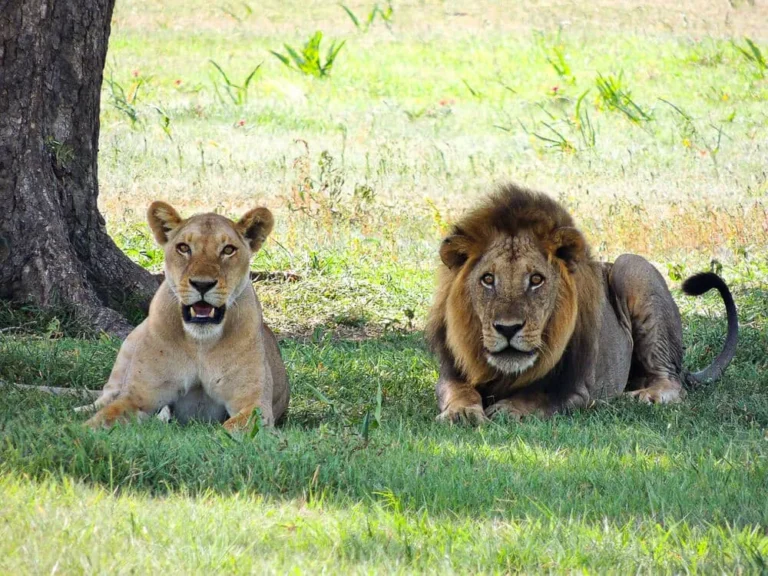
Tree-Climbing Lions – A rare behavior that”s still a mystery to scientists. Seeing a lion sprawled across an acacia branch is unforgettable.
Incredible Birdwatching – Over 400 species, from pink flamingos to hornbills, make this a paradise for bird lovers.
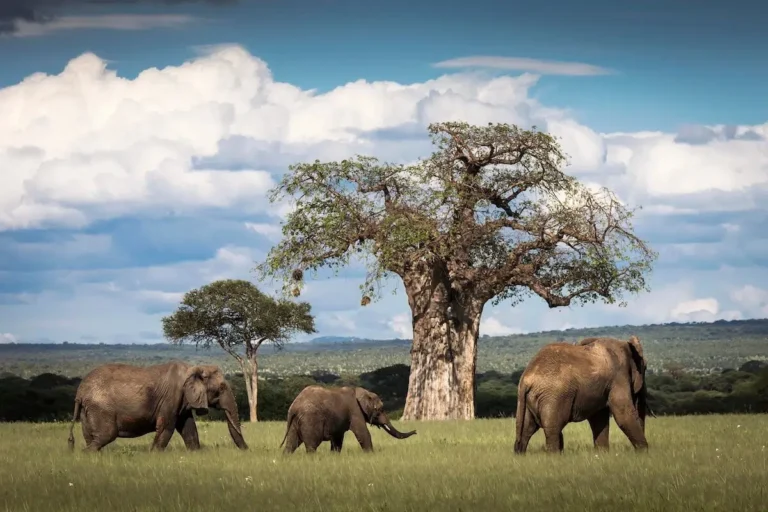
Elephants Up Close – Manyara has one of the largest elephant populations in East Africa, and sightings are common.
Lake Canoeing – Glide across the soda lake, passing pods of hippos and flocks of wading birds.
Cultural Encounters – Nearby Maasai villages welcome visitors for a glimpse into their traditions and way of life.
With its mix of landscapes and wildlife, Lake Manyara offers a change of pace and scenery — a softer, greener note before you head to the coast.
Where to Stay:
Ava Garden Backpackers – A budget-friendly and social option, ideal for travelers looking to meet others on the road.
Heart and Soul Lodge – A peaceful lodge with garden views, great for unwinding between game drives.
Jangwani River View Suites – Spacious suites with a relaxed setting near the water, perfect for couples or small groups.
End on the Coast – Choose Mafia Island or Zanzibar
After the early mornings and dusty roads of safari life, it”s time to slow down. Tanzania”s coastline offers two very different but equally tempting options for your final days.
How to get to the islands
From Lake Manyara, it”s a short drive (around 1.5 hours) to Arusha Airport, where you can catch a direct flight to Zanzibar or Dar es Salaam. If you”re heading to Mafia Island, you”ll connect through Dar es Salaam before continuing to Mafia”s tiny airport. Flying is the quickest and most comfortable way to make the transition from safari dust to ocean breeze — and the views over the Rift Valley and the Indian Ocean are worth it.
Mafia Island – Remote and Untouched
Days 10–14:
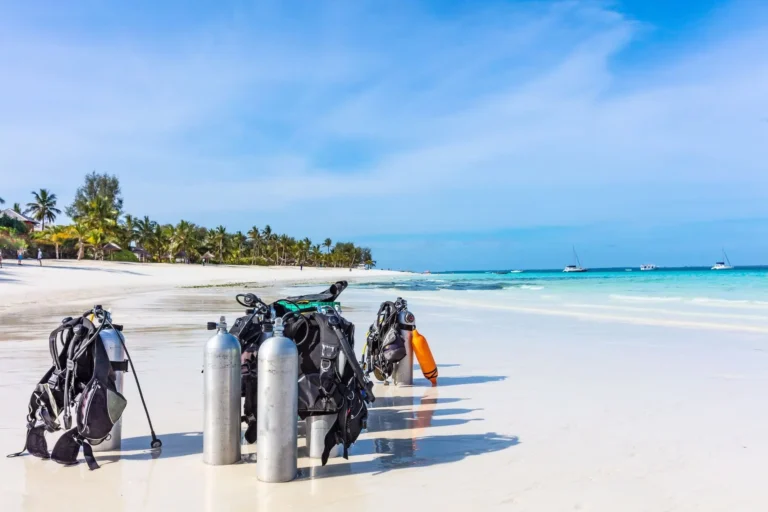
If you prefer peace over crowds, Mafia Island is your spot. Its protected Mafia Island Marine Park shelters pristine reefs, calm lagoons, and sandbars that shift with the tides. You can spend your days snorkeling or diving in Chole Bay, where parrotfish dart between coral gardens, or head out to Kitutia Reef for deeper waters and bigger sightings.
From October to February, you might swim alongside whale sharks, a humbling and unforgettable experience. On land, explore the Kisimani Mafia ruins, reminders of the island”s centuries-old trading history.
Mafia is for you if: you want tranquility, unspoiled nature, and fewer footprints in the sand.
Where to Stay:
Maisara Mafia Beach Lodge – A relaxed beachfront lodge with easy access to the marine park and stunning sunset views.
Mafia Island Bungalows – Simple, comfortable bungalows just steps from the sand, perfect for a low-key island stay.
Zanzibar – History, Culture, and Iconic Beaches
Days 10–14:
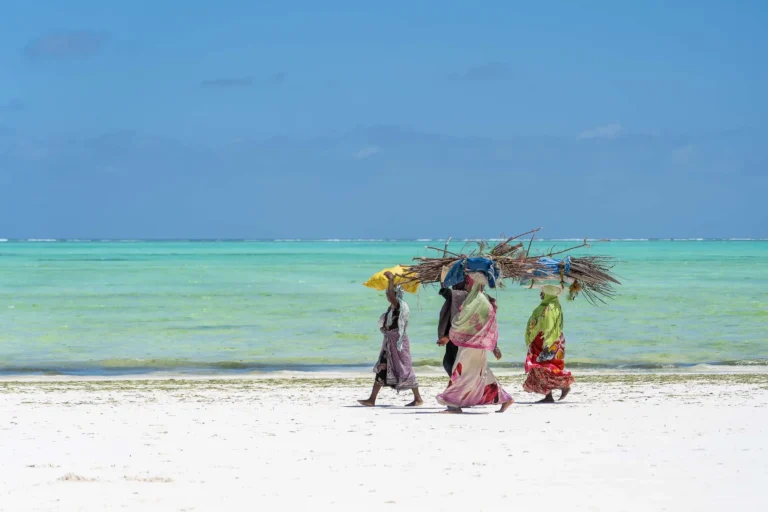
If you like your beach time mixed with a dose of history and culture, head to Zanzibar. Kendwa Beach is perfect for swimming and long, lazy sunsets, while Stone Town is a maze of spice-scented alleys, carved wooden doors, and bustling markets.
In the evenings, the Forodhani Gardens night market comes alive with sizzling seafood and Zanzibar”s unique street snacks. For something off the sand, swim in the turquoise waters of the Kuza Caves, hidden in a limestone forest.
Zanzibar is for you if: you want soft white sand, a lively food scene, and a deeper dive into Swahili culture.
Where to Stay:
The Neela Boutique Hotel Stone Town – Stylish and central, perfect for exploring Stone Town”s winding alleys, spice markets, and historic sites.
Kinazi Upepo Beach Eco Resort – Laid-back eco retreat right on Paje Beach, ideal for kite surfers and barefoot beach days.
Sunshine Azure Hotel – A peaceful escape in Matemwe with direct beach access and a relaxed island vibe.
Practical Travel Tips for Tanzania


Going to Tanzania?
Let us inspire you!
Places to visit in Tanzania
With its diverse cultures, beautiful nature and rich history Tanzania is a country not to be forgotten.
-
Diving in Zanzibar
What to Expect Beneath the Indian Ocean Zanzibar is usually described from above the water: pale beaches, dhows, spice farms, Stone Town rooftops and that bright Indian Ocean blue. Diving changes that perspective. Below the surface, the island becomes quieter, more technical and more fragile — coral gardens, reef fish, shifting visibility, currents, and the…
-
Tarangire National Park
Tanzania’s Quiet Elephant Kingdom Tarangire was the very first national park I ever set foot in Tanzania—and I only had one day. I still remember the dusty hush, the surreal baobab silhouettes, and an elephant herd so large the ground seemed to move. That single day trip from Arusha ignited a lifelong love of African…
-
Zanzibar | Discover the most beautiful beaches
Where Zanzibar Meets the Tide We loved mainland Tanzania, and the experiences surpassed our imagination. After our eventful time on the mainland, we were yearning for some lazy days in the sun. Zanzibar not only affords its visitors some of the best beaches in the Indian Ocean, but it’s also within comfortable and cheap reach…
-
Safari | A once in a lifetime wildlife experience
How to Choose the Right Parks Tanzania’s Northern Circuit is the safari route most travelers imagine before they ever set foot in East Africa: the Serengeti, Ngorongoro Crater, Tarangire, Lake Manyara, and the landscapes around Arusha. It is the country’s most famous safari circuit for a reason. The wildlife is extraordinary, the distances are manageable…
-
Arusha | City life & safari adventures
Tanzania’s safari capital Arusha, Tanzania, is a city in the middle of two worlds. On the one hand, you have the traditional cultures and lifestyles of the locals. On the other hand, you have the modern influences of globalization and tourism. This creates an exciting mix of people and cultures that make Arusha unique. Arusha…
-
Dar es Salaam | Karibu to a vibrant Tanzanian city
An African megacity between tradition and future Tanzania’s former capital, often referred to as “Dar,” is not only Tanzania’s second-largest city but one of the fastest-growing cities in the world. Located along the coast of the Indian Ocean, Dar es Salaam is brimming with activities for anyone. Dar is not only known for its beaches…