Dar es Salaam
TANZANIA
An African megacity between tradition and future
Tanzania’s former capital, often referred to as “Dar,” is not only Tanzania’s second-largest city but one of the fastest-growing cities in the world. Located along the coast of the Indian Ocean, Dar es Salaam is brimming with activities for anyone. Dar is not only known for its beaches and islands, but it also offers a glimpse into a vibrating African city. We recommend staying a couple more days to enjoy the beach before heading for a safari!
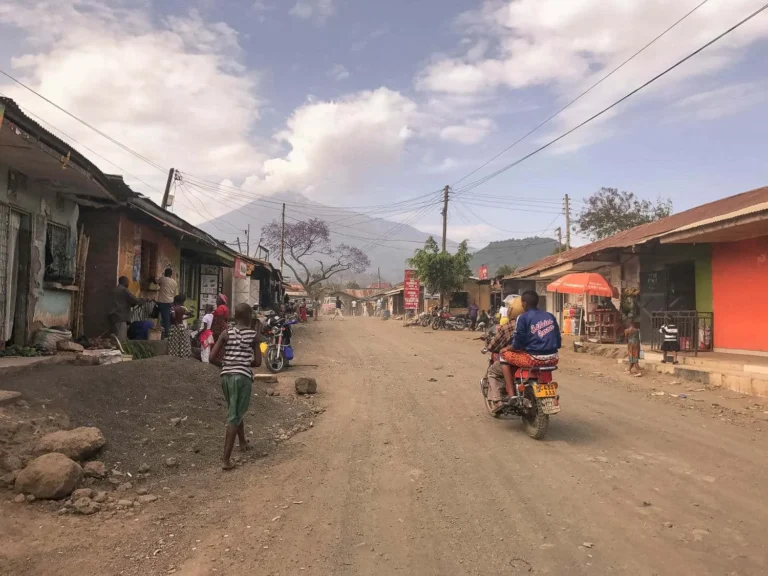
Stuck in rush hour, it took us two hours to arrive at our destination. The house of Joseph, the doctor, was located in a suburban area, giving us the first glimpse of daily life. We were starving by the time we arrived.
We found our first Tanzanian dinner right by the street. Upon entering, we were eagerly greeted and received first instructions to food customs in Tanzania. Food is often shared and eaten with hands. Quite clumsy, we started eating away the first “kuku” with typical ugali. The warm welcome to Dar es Salaam made us even more excited to explore the city the following days!

Best places to stay in Dar es Salaam
Dar es Salaam is often treated as a transit city — the place you pass through on the way to Zanzibar, safari or the southern coast. But I would not rush it completely. The city has its own rhythm: Indian Ocean light, ferries, markets, old colonial corners, busy roads, leafy peninsula neighborhoods and a food scene shaped by Swahili, Indian, Arab and coastal influences.
For Dar, I would choose your base carefully. The city is spread out, traffic can be heavy, and where you stay will shape how easy the city feels. For most travelers, Masaki, Oyster Bay, Msasani or the Slipway area make the softest landing — close to restaurants, the sea, cafés and boat departures, while still giving you access to the wider city.
Hotel Slipway is one of the most convenient choices if you want everything within reach: the waterfront, restaurants, shops, boat trips, the marina and easy access to the peninsula. It is not the most intimate stay, but it works well if Dar is your first or last stop in Tanzania and you want comfort without being too far from the water.
The Amariah is a smaller boutique-style option with African-themed interiors and a quieter city base. I would consider it if you want something more personal than a chain hotel, but still comfortable and practical. The Mikocheni location can work well if you want access to both the peninsula and the wider city without being directly in the busiest areas.
The Oyster Bay Suites are better suited if you prefer space and independence over a classic hotel feeling. With apartment-style accommodation in Oyster Bay, this can be a good option for longer stays, work trips or travelers who want a calmer base with more room to settle in. It is also close enough to Coco Beach, the Slipway and several peninsula neighborhoods to make Dar feel more manageable.
Along Kivukoni Waterfront
Kivukuni is the trading spot for locally caught fish. It”s exciting to watch the vivid hustle of the fishermen. You”ll also find the exotic botanical garden and the Lutheran church Azania Front close by. Just keep looking out for Azania”s striking red bell tower. Many interesting museums are close by, too.
National Museum
The National Museum in Dar es Salaam is a fantastic place to learn about the history of Tanzania.The museum contains two million old bones from the ancestors of Homo Sapiens, making it one of the most important paleontological sites in the world. The museum also has a wealth of other exhibits, ranging from traditional African masks to modern art. The National Museum is a mustsee for anyone interested in the history of Tanzania or the human race. The museum is open every day except Monday, and admission is free. Dar es Salaam is an intriguing city with a lot to offer, and The National Museum is one of its most cherished treasures.
Makumbusho Village Museum
The Makumbusho Village Museum is an open-air museum established in 1967 with the primary goal of acquiring, researching, and preserving Tanzania’s indigenous culture and architecture. The museum features several traditional homes and buildings from various regions of the country and a variety of exhibits on topics such as agriculture, pottery, and traditional medicine. In addition, the museum offers a variety of educational programs and events throughout the year. So whether you’re looking to learn more about Tanzania’s rich cultural heritage or want to enjoy a stroll through the beautiful grounds, the Makumbusho Village Museum is worth visiting.
Kivukoni fish market
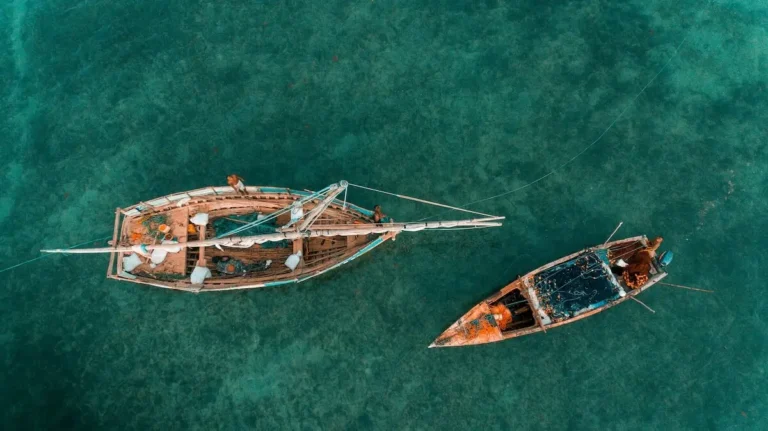
If you’re looking for a truly unique experience, add the Kivukoni fish market to your Dar-es-salaam itinerary. This lively market is held every morning, with fishers offloading their catch from traditional dhows. Then, restaurateurs, hoteliers, and public members gather to bargain for the best seafood in a raucous auction. It’s a fantastic opportunity to see an impressive range of Indian Ocean fish species and snap some great photos. Throughout the day, you can purchase fresh fish from the market. So if you’re a fan of seafood, make sure to add the Kivukoni fish market to your list of things to do in Dar es
Salaam!
Kariakoo Market – Dar
On our first day, we decided to visit one of the busiest and most vibrant local markets to get an authentic Dar experience right away. On the way to the market, we passed Dar es Salaam”s famous Oyster Bay. Kariakoo market is located at the intersection of Mkunguni and Nyamwezi streets. As soon as we hopped off the bus, we were immediately swallowed by the busy hustle and bustle of the market. You can find virtually anything here: fresh produce, agricultural crops, fresh and dried fish, cloths, even house, and office furniture. We strolled around for quite some time enjoying the bustling streets
Mwenge Carvers Market
Mwenge is one of the most popular tourist markets in Dar es Salaam. It’s located in the city center and is known for its wood carvings, paintings, and sculptures. Mwenge is a great place to find souvenirs and gifts for friends and family back home. The market is also a great place to bargain for prices on things like clothing, jewelry, and other items.
Uhuru Street – the place to shop kangas
Since we were on the lookout for a traditional African dress, so-called kangas, we visited Uhuru Street (from Mnazi Moja to Samora Avenue). Uhuru street is well known to be one of the best places to shop for fabrics, clothes, and most importantly, kangas. After our little shopping spring, we can only confirm that. Tanzanians and tourists complimented our kangas. While taking in the vibe of the market, our experience from last night was reaffirmed: men and women greeted us warmly, started conversations, and thought us the basics of Swahili. We found the friendliness of the people, the buzzing streets, and the colorful environment exhilarating. We could barely wait to discover more of Tanzania. Thanks to the malaria pills we had
an unrestful night, and we got up early to head to Arusha.
Beaches around Dar es Salaam
Even though Dar es Sallam is not a beach destination per se, the beaches are a very cool place to spend some time around Dar and feel the city’s energy.
Our favorite beaches around Dar es Salaam

Oyster Bay & Cocoa Beach
Oyster Bay is a beautiful stretch of beach on the Msasani Peninsula, located just north of Dar Es Salaam. On weekends, the beach is buzzing with activity as Tanzanians come out to enjoy the food trucks, music, and atmosphere. While Oyster Bay is not recommended for swimming, it’s still a great place to relax and soak up the sun. Cocoa Beach is also nearby if you’re looking for a more traditional beach experience. This beach is popular with locals and tourists alike and offers plenty of opportunities for swimming, sunbathing, and enjoying the views. Dar es Salaam is a beautiful city with plenty to offer, and Oyster Bay and Cocoa Beach are just two of the many great
places to explore.

Bongojo Island
Bongojo Island is a great place to spend the day if you want to go snorkeling, sunbathing, or dining on fresh fish. It is located off the coast of Dar es Salaam and can be reached by taking a
boat from the Slipway shopping center. To get to Bongojo Island, take a boat from the Slipway shopping center. (Min. 4 people/ $20 roundtrip). Once you’re on the island, there are plenty of things to keep you busy. If you’re looking to snorkel, there are several spots around the island where you can find some stunning marine life. If you’re looking to relax, there are plenty of beaches where you can soak up the sun. And finally, if you’re looking for some delicious food, several restaurants on the island serve fresh fish caught that day. So whether you’re looking for excitement or relaxation, Bongojo Island is the place for you.

Jangwani & Mbuja Island
Jangwani is one of the most popular beaches in Dar es Salaam. It’s located north of the city center and is known for its white sand and clear blue water. Jangwani is also a great place to take
a boat to Abuja Island, a small island with beautiful beaches and fresh seafood. If you’re looking for a more relaxed atmosphere, Jangwani is the perfect place to unwind and enjoy the incredible views of the Indian Ocean.
Practical Travel Tips for Dar es Salaam


Going to Tanzania?
Let us inspire you!
Places to visit in Tanzania
With its diverse cultures, beautiful nature and rich history Tanzania is a country not to be forgotten.
-
Diving in Zanzibar
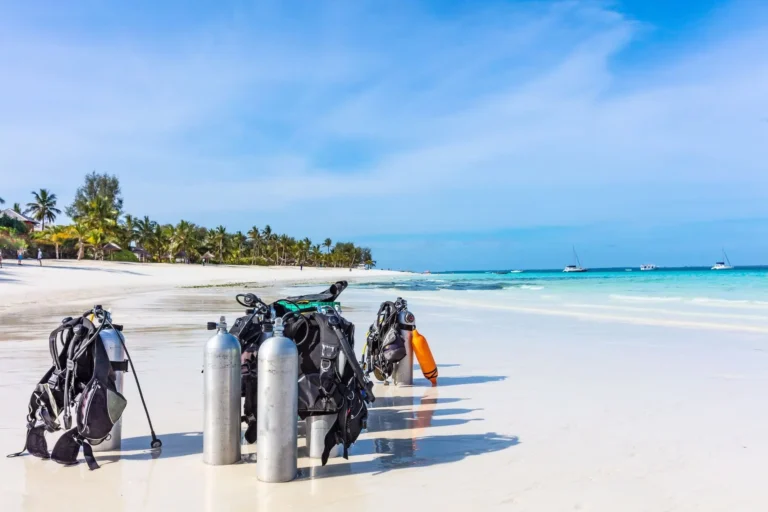
What to Expect Beneath the Indian Ocean Zanzibar is usually described from above the water: pale beaches, dhows, spice farms, Stone Town rooftops and that bright Indian Ocean blue. Diving changes that perspective. Below the surface, the island becomes quieter, more technical and more fragile — coral gardens, reef fish, shifting visibility, currents, and the…
-
Two weeks Tanzania itinerary
A Complete Safari & Beach Itinerary Tanzania was my first African destination — and the one I keep returning to. It”s a country that lingers in your mind: the golden sweep of the Serengeti, the salty air of the Indian Ocean, the earthy scent after a burst of rain. If you have just two weeks,…
-
Tarangire National Park
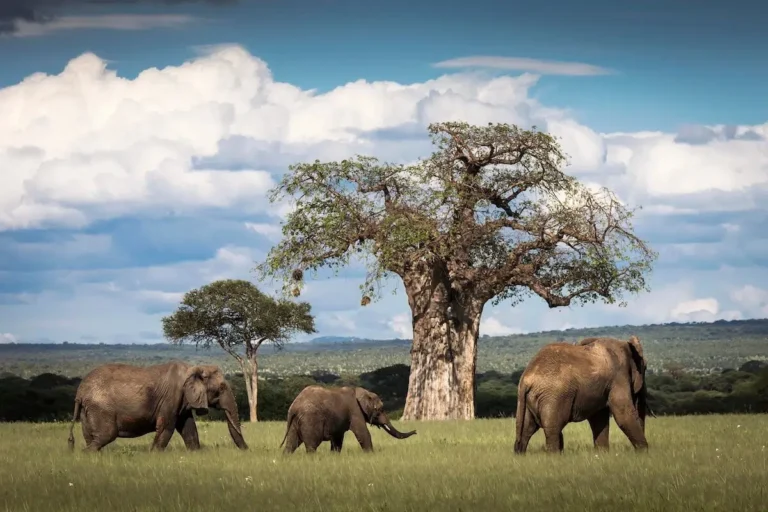
Tanzania’s Quiet Elephant Kingdom Tarangire was the very first national park I ever set foot in Tanzania—and I only had one day. I still remember the dusty hush, the surreal baobab silhouettes, and an elephant herd so large the ground seemed to move. That single day trip from Arusha ignited a lifelong love of African…
-
Zanzibar | Discover the most beautiful beaches
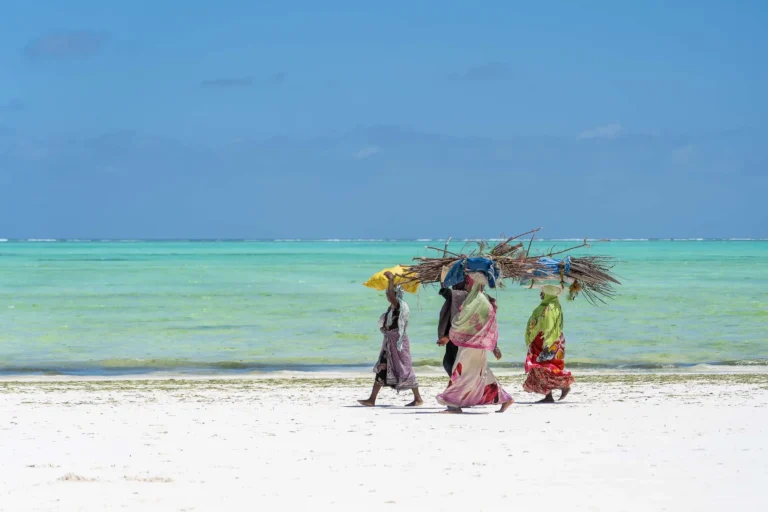
Where Zanzibar Meets the Tide We loved mainland Tanzania, and the experiences surpassed our imagination. After our eventful time on the mainland, we were yearning for some lazy days in the sun. Zanzibar not only affords its visitors some of the best beaches in the Indian Ocean, but it’s also within comfortable and cheap reach…
-
Safari | A once in a lifetime wildlife experience
How to Choose the Right Parks Tanzania’s Northern Circuit is the safari route most travelers imagine before they ever set foot in East Africa: the Serengeti, Ngorongoro Crater, Tarangire, Lake Manyara, and the landscapes around Arusha. It is the country’s most famous safari circuit for a reason. The wildlife is extraordinary, the distances are manageable…
-
Arusha | City life & safari adventures
Tanzania’s safari capital Arusha, Tanzania, is a city in the middle of two worlds. On the one hand, you have the traditional cultures and lifestyles of the locals. On the other hand, you have the modern influences of globalization and tourism. This creates an exciting mix of people and cultures that make Arusha unique. Arusha…