Stone Town
Zanzibar
Mesmerizing architecture and foodie haven
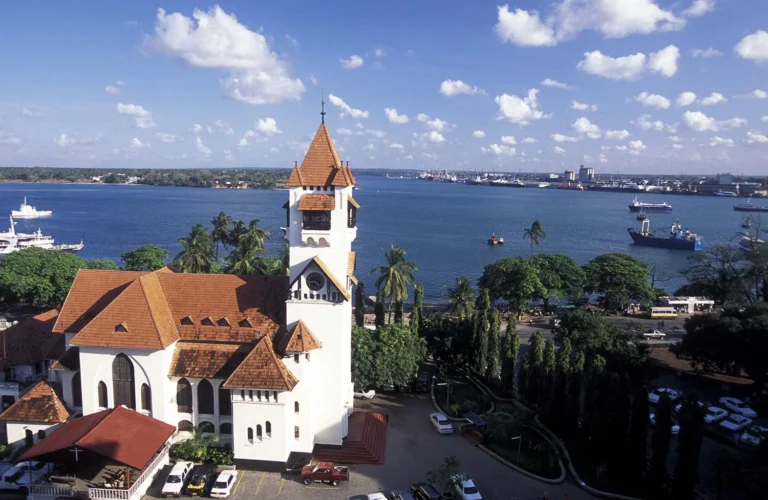
We quickly lost ourselves wandering the narrow streets of Zanzibar’s cultural heart: Stone Town. Strolling through the maze of winding alleys, you will experience a colorful hustle and bustle. In addition to the hundreds of small shops, historical architecture seems magical. Zanzibar is so different from mainland Tanzania. It even could be an entirely different country. We’ll probably forever remember Stone Town’s impressive buildings and the most delicious food. Despite beautiful beaches, Zanzibar offers plenty of things to do.
The former trade hub is a melting pot of African, Arab, Indian, and European cultures. Of course, the heavy influence of the Middle Eastern is still present today, not just in architecture and food. But, contrary to the rest of Tanzania, most Zanzibaris are Muslim. The UNESCO World Heritage Site and its maze seem to hold a secret at every corner. Tall white buildings constructed by Arabs stand next to romantically latticed balconies built by Indians. As a result, stone Town looks like a kaleidoscope of colors, flavors, and people.

Best places to stay in Stone Town
Stone Town is one of those places where the right hotel can change the way you experience the city. I would not look for a stay that removes you from the old town, but one that brings you closer to it — through restored architecture, Zanzibari design, local craft, food, music, rooftop views and a stronger sense of cultural context.
Emerson Zanzibar is the strongest choice if you want your stay to feel deeply connected to Stone Town’s history and atmosphere. With its heritage buildings, rooftop dining, carved details, old-world interiors and cultural programming, it feels less like a hotel and more like a doorway into the city’s layered past. I would choose Emerson if you care about architecture, storytelling, food, music and staying somewhere that takes the spirit of Stone Town seriously.
Sharazād Wonders is a softer boutique option in the heart of Stone Town. It feels stylish without being too detached from place, with a focus on design, calm interiors and a more conscious hospitality approach. I would recommend it for travelers who want the beauty of a boutique stay, but still prefer something smaller, more thoughtful and rooted in the old city rather than a large hotel experience.
Upendo House is the more contemporary choice — polished, social and design-led, with one of the best rooftop settings in Stone Town. It works well if you want comfort, atmosphere and a modern Zanzibari feel, while still staying within walking distance of the city’s lanes, markets and seafront. I would choose it for travelers who want a stylish base, good food and a little more energy without leaving the old town behind.
Wander through the maze of alleys
We loved exploring Stone Town on foot. The deteriorated buildings tell the stories of past times. But, if you pay attention, you’ll notice Zanzibar’s tolerance. Mosques, Hindu temples, and churches can often be found nearby. Time has eaten up the grand architecture from past times. We spent our days strolling around the maze of alleys, admiring beautiful cravings, balconies, and doors. The buildings date from the 19th century and are primarily coral stone. Because of the material’s sensitivity, many buildings are now in deplorable condition and form a vivid, dramatic image. Besides the massive, multi-story stone buildings with flat roofs and tiny windows from Arab architecture, one finds houses with romantically decorated, open balconies that bear the signature of Indian architecture. Today, many transformed buildings are home to museums that elaborate on Zanzibar’s history. With no goal and nowhere to be, it was beautiful to imagine life in those buildings
back in the day.
Admire the world-famous Zanzibar doors
With its unique architecture, Stone Town is a living monument to its past cultural fusion and trade, which shaped the nation. The magnificent Zanzibarian doors offer an understanding of the homeowner’s place of origin, profession, and economic status. There are two types of doors in Stone Town:
Arabic doors
Secondly, Arabic doors with elaborate Arabic inscriptions – most likely a phrase from the Holy Qur’an – are at the top. Arabic doors are richly decorated around the frame. The lotus, chain, and pineapple are common cultural motives that can often be found on Arabic doors. You’ll find the oldest ones close to the Old Fort.
My favorite things to do downtown

Gujrati doors
As you stroll along the bazaar, you’ll spot Indian entries or “Gujarati doors,” which indicate that Indian businessmen used to settle here. Gujarati doors were crafted from Indian teak, imported from Asia, and ornated by skilled Indian craftsmen. Typically one can witness large brass studs which have their origins in India, where they were used as a defense against war elephants. However, in Zanzibar, the studs were only a symbol of wealth.

Arabic doors
Secondly, Arabic doors with elaborate Arabic inscriptions – most likely a phrase from the Holy Qur’an – are at the top. Arabic doors are richly decorated around the frame. The lotus, chain, and pineapple are common cultural motives that can often be found on Arabic doors. You’ll find the oldest ones close to the Old Fort.
Watch the sunset at the waterfront
Every afternoon Stone Town’s waterfront comes to life as young people come together to hang out, play and challenge each other’s acrobatic skills. We loved the vibe, which was bursting with energy. The waterfront is an excellent spot to immerse into local life and enjoy breathtaking sunsets.
Experience a sunset Dhow cruise
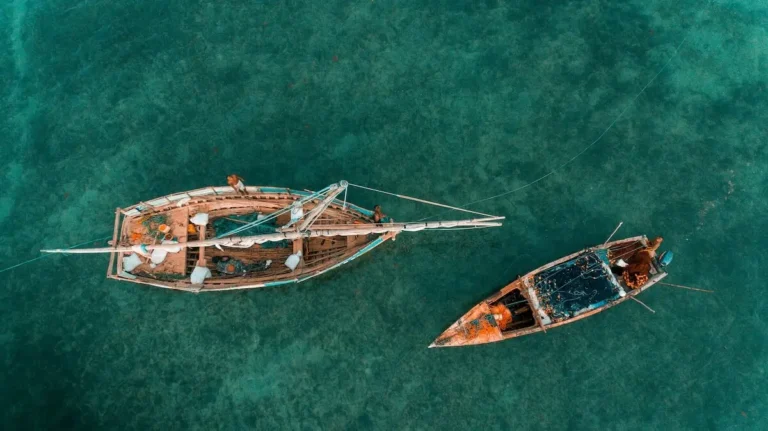
Arab traders used Dhows for centuries to travel the Indian Ocean to the Swahili Coast. The wooden vessels vary in size. Of course, it’s very touristy thing to do, but a sunset Dhow cruise is a beautiful way to enjoy the sunset.
Feast at Forodhani Gardens -Stone Town’s food market
While we have grown accustomed to goat and Kuku (=chicken), rice and beans, our taste buds were ready for some stimulation.
Many vendors are illuminated by oil lamps and sell mostly seafood in front of the Old Fort. After sunset, the square is buzzing with life as hungry tourists and locals alike come to enjoy the delicious dishes. We enjoyed a lovely dinner there. It’s perfect for hanging out with locals and learning about their cuisine.
Shop for spices and soaps at Darajani Market
Darajani Market is located right next to the former slave chambers. The market is buzzing with local life—a firework of noise, smells, different colors, and people. We loved discovering fruits, produce, and spices from all across Zanzibar. So step up your haggling game and get some spices and handmade soap. The small alleys leading away from the Darajani market disclose small stores where all kinds of products invite you to a shop. People were eager to explain and sell us their products. While shopping for clothes, we made friends with local women and enjoyed getting to know them better.
Visit the former slave market
Zanzibar has an adverse and sinister claim to fame: Enslaved people from the African mainland were transported here, mistreated, and sold before being shipped to the Middle East and even North America. While the Portuguese first introduced the slave trade, it reached its peak under the Omani sultanate. To get a deeper understanding of the history, it’s worth visiting the world’s only open slave market. It’s a profoundly important site. Nowadays, an Anglican cathedral is there as a symbolic triumph over inhumanity
Go on a spice tour
The Zanzibar archipelago is also known as “Spice Island.” In the past, Arabs, Indians, and Persian brought spice plantations to the island. Until today, you’ll find spice plantations across Zanzibar. Of course, those tours are touristy, but they are exciting and educational.
Popular tours in Stone Town
Practical Travel Tips for Zanzibar


Going to Tanzania?
Places to visit in Tanzania
With its diverse cultures, beautiful nature and rich history Tanzania is a country not to be forgotten.
-
Diving in Zanzibar
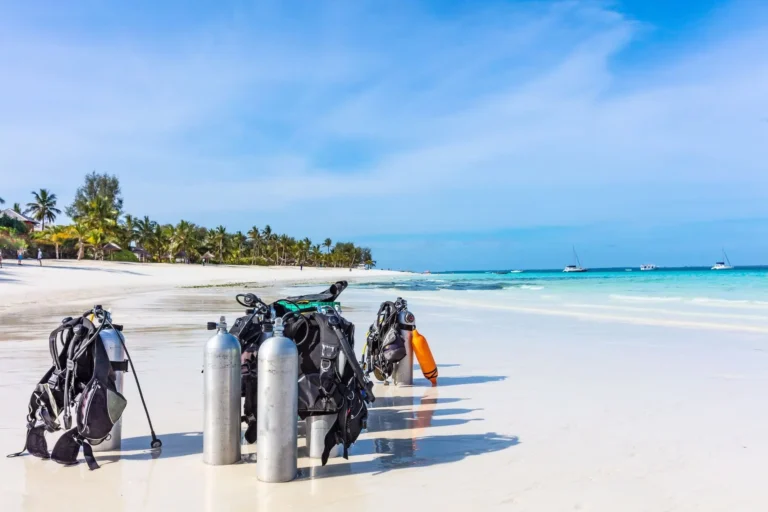
What to Expect Beneath the Indian Ocean Zanzibar is usually described from above the water: pale beaches, dhows, spice farms, Stone Town rooftops and that bright Indian Ocean blue. Diving changes that perspective. Below the surface, the island becomes quieter, more technical and more fragile — coral gardens, reef fish, shifting visibility, currents, and the…
-
Two weeks Tanzania itinerary
A Complete Safari & Beach Itinerary Tanzania was my first African destination — and the one I keep returning to. It”s a country that lingers in your mind: the golden sweep of the Serengeti, the salty air of the Indian Ocean, the earthy scent after a burst of rain. If you have just two weeks,…
-
Tarangire National Park
Tanzania’s Quiet Elephant Kingdom Tarangire was the very first national park I ever set foot in Tanzania—and I only had one day. I still remember the dusty hush, the surreal baobab silhouettes, and an elephant herd so large the ground seemed to move. That single day trip from Arusha ignited a lifelong love of African…
-
Zanzibar | Discover the most beautiful beaches
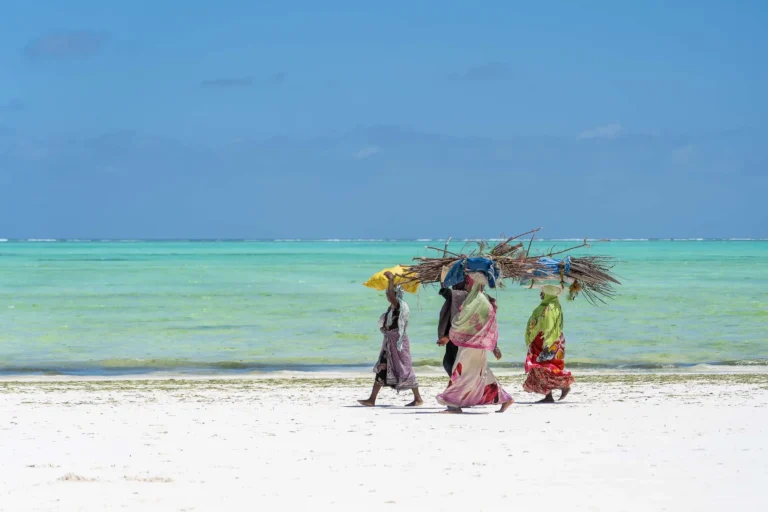
Where Zanzibar Meets the Tide We loved mainland Tanzania, and the experiences surpassed our imagination. After our eventful time on the mainland, we were yearning for some lazy days in the sun. Zanzibar not only affords its visitors some of the best beaches in the Indian Ocean, but it’s also within comfortable and cheap reach…
-
Safari | A once in a lifetime wildlife experience
How to Choose the Right Parks Tanzania’s Northern Circuit is the safari route most travelers imagine before they ever set foot in East Africa: the Serengeti, Ngorongoro Crater, Tarangire, Lake Manyara, and the landscapes around Arusha. It is the country’s most famous safari circuit for a reason. The wildlife is extraordinary, the distances are manageable…
-
Arusha | City life & safari adventures
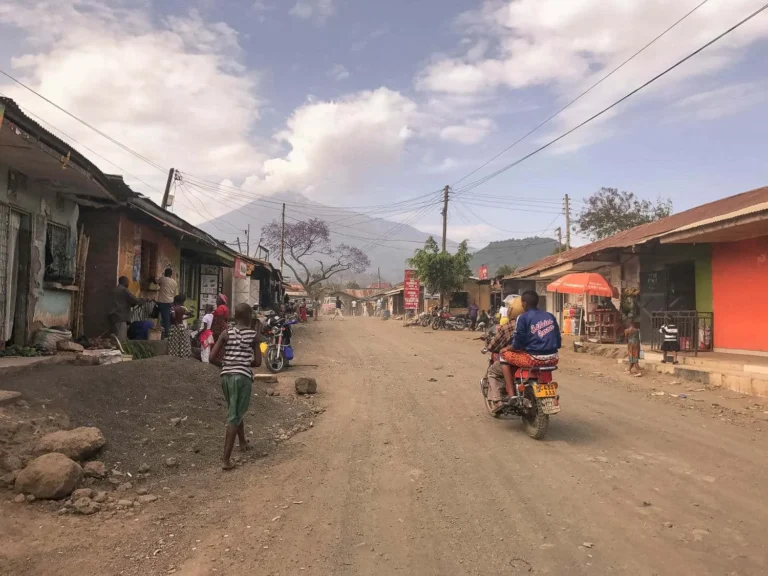
Tanzania’s safari capital Arusha, Tanzania, is a city in the middle of two worlds. On the one hand, you have the traditional cultures and lifestyles of the locals. On the other hand, you have the modern influences of globalization and tourism. This creates an exciting mix of people and cultures that make Arusha unique. Arusha…